Find the Best Drain Field Repair Companies for Your Business
No obligation • Fast responses • Nationwide coverage

Why you can trust Septic Spot
Septic Spot is a leading United States resource for understanding and comparing septic services. Our editors review providers using consistent criteria and verify key business details. Listings and scores are independent, and companies cannot pay to influence our content.
Search providers near you
Top Drain Field Repair Companies in Vancouver, Washington Ranked
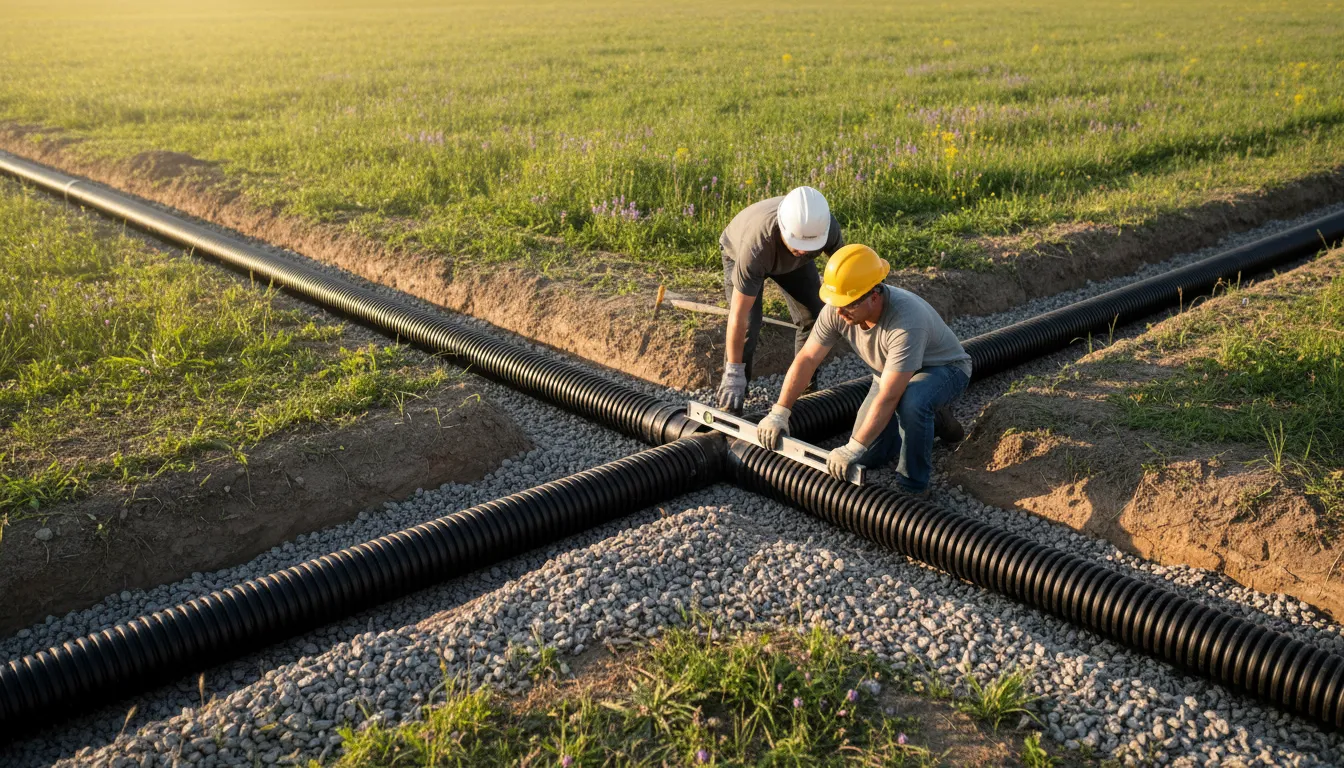
A failing drain field is a serious issue for any home with a septic system, leading to soggy yards, foul odors, and potential environmental contamination. Drain field repair and replacement involves diagnosing and fixing the underground network of perforated pipes and gravel that treats and disperses wastewater from your septic tank. In Vancouver, this work is strictly regulated by Clark County Public Health to protect local groundwater and public health. This guide will help you understand the process, local requirements, and how to find qualified professionals to restore your system's function.

Byers Septic Tank Service
Portland, OR
Byers Septic Tank Service is a septic tank pumping and installation company based in Portland, OR. They provide septic tank pumping, new septic system installation, and drain field repair or replacement. The company offers same-day service in most cases and does not charge extra for mileage or after-hours work. Byers Septic Tank Service emphasizes honest and affordable septic services backed by years of experience.
American On Site
Portland, OR
American On Site is a full-service septic provider based in Portland, OR, serving residential, commercial, and civil clients. They offer a wide range of septic services including inspections, pumping, installation, maintenance, and repairs such as drain field replacement and septic pump servicing. The company is experienced in handling all aspects of septic systems, using quality components to ensure proper function and longevity. Since 2003, American On Site has been serving the greater Willamette Valley area, providing expertise in septic system installation and maintenance. They cover multiple counties in Oregon and focus on delivering comprehensive septic solutions to their customers.
Understanding Your Drain Field's Role
Often called a leach field or absorption field, the drain field is the final and most critical stage of your onsite sewage system. After solids settle in the septic tank, the clarified liquid effluent flows into the drain field, where it percolates through the soil. This natural filtration process removes harmful bacteria, viruses, and nutrients before the water rejoins the groundwater table 1. When this area fails, untreated wastewater can surface, creating health hazards and violating county codes.
Common signs of drain field failure in Vancouver include:
- Sewage odors in the yard or home.
- Spongy, soggy, or persistently wet soil over the field, even in dry weather.
- Slow-draining toilets and fixtures throughout the house.
- Lush, green grass growing over the field compared to the rest of the yard.
- Standing water or sewage backing up into the home.
Clark County Regulations and Permits
All work on a septic system's dispersal area in Clark County requires permits and must be performed by a licensed professional. The county classifies drain field work as a "major repair," which triggers a specific permitting process 2. You cannot legally begin excavation or construction without approval from Clark County Public Health.
The regulatory framework is designed to ensure systems are built to last and protect the environment. Key requirements include:
- Permit Application: A licensed designer or installer must submit a detailed repair application, including a site evaluation and proposed design, to the county.
- Inspections: Systems in Clark County must be inspected every 1 to 3 years depending on the type. Furthermore, starting in 2027, a mandatory inspection will be required upon the transfer of any property with a septic system 3.
- Record Keeping: All inspection and maintenance reports must be submitted to the local health jurisdiction, creating an official history of your system's care 4.
The Critical Site Evaluation: Soil and Setbacks
Before any repair or replacement design can be approved, a professional must conduct a formal site evaluation. This is not a simple visual check; it involves digging deep test holes to understand your property's specific conditions 5.
- Soil Profile and Percolation: The evaluator identifies soil types, depth to restrictive layers (like hardpan or bedrock), and seasonal high groundwater level. Soil must have sufficient permeability to absorb effluent.
- Vertical Separation: Clark County Code typically requires a minimum of 36 inches of suitable soil between the bottom of the drain field trench and the highest groundwater level or a restrictive layer 6. This separation is crucial for adequate treatment.
- Setbacks: Your new or repaired leach field must meet strict distance requirements from wells, property lines, streams, water lines, and buildings. These setbacks prevent contamination and ensure safe access for future maintenance.
The Step-by-Step Repair & Replacement Process
Navigating a major septic repair in Vancouver involves a multi-step sequence that can span 1 to 3 months from discovery to completion.
- System Inspection & Diagnosis: A professional begins by locating and pumping the septic tank. They then assess the tank's integrity and, most importantly, perform a hydraulic load test on the drain field to confirm failure and diagnose the cause 7 8.
- Site Evaluation & Design: If repair or replacement is needed, a licensed designer performs the detailed site evaluation described above. They then create a repair plan that meets county code, which may involve repairing a portion of the field or designing a completely new one.
- Permitting: The design and application are submitted to Clark County Public Health for a major repair permit. No work can begin until this permit is issued.
- Construction: A licensed installer executes the approved plan. This involves careful excavation, installation of new distribution lines and gravel, and connection to the existing tank.
- Final Inspection: Before the new drain field is covered with soil, a pre-cover inspection by the County Health Department is mandatory 9. This ensures the installation matches the permitted design and meets all standards.
- Restoration: Once approved, the area is backfilled and landscaped.
Find the perfect drain field repair companies for your needs
Get personalized recommendations and expert advice
Understanding Costs for Drain Field Work
The cost for fixing your septic system's dispersal area in Vancouver varies dramatically based on the scope of work and site conditions. It's one of the most significant investments a homeowner with a septic system might face.
- Minor Repairs: Addressing a single clogged line or a small section might range from $1,500 to $5,000.
- Full Conventional Replacement: Replacing an entire standard drain field typically costs between $5,000 and $12,000.
- Complex or Engineered Systems: If your property has challenging soil, high groundwater, or limited space, you may need an alternative technology like a pressure-dosed or aerobic treatment system. These engineered solutions can push costs to $25,000-$50,000 or more 10 11.
The final price depends on the system size, soil conditions, accessibility, and the type of technology required to meet county code on your specific lot.
Choosing the Right Professional in Vancouver
Given the complexity and regulation, selecting your contractor is crucial. Look for professionals who are:
- Licensed in Washington State for septic system design, installation, and/or inspection.
- Familiar with Clark County Codes: They should know the local health department's specific requirements and inspectors.
- Transparent in Process: They should clearly explain the diagnostic, design, permitting, and construction steps.
- Comprehensive in Service: Many reputable companies offer inspection, design, and installation services, streamlining the process.
Always verify licenses and ask for references from recent projects in the Vancouver area. A proper repair is an investment that protects your property value and the local environment for decades.
Maintenance: Preventing Future Failure
After investing in a repair or new leach field, proper maintenance is key to its longevity. This protects your investment and helps you comply with Clark County's inspection mandates 12 13.
- Regular Pumping: Pump your septic tank every 3-5 years to prevent solids from washing out into the new field.
- Water Conservation: Spread out laundry loads and fix leaks to avoid hydraulically overloading the system.
- Mind What You Flush: Only human waste and toilet paper should go down the drain. Avoid chemicals, grease, and non-biodegradable items.
- Protect the Area: Never drive or park over the drain field, and keep deep-rooted plants and trees away from the area.
Frequently asked questions
Sources
Footnotes
-
Caring for Your Septic System | Washington State Department of ... - https://doh.wa.gov/community-and-environment/wastewater-management/septic-system/caring-your-system ↩
-
Repair Permit for a Septic System Procedure and Criteria - https://www.washingtoncountyor.gov/hhs/documents/repair-procedure-and-criteria/download?inline ↩
-
What to Know About Septic Code Changes | Washington State - https://thesepticgroup.com/what-to-know-about-septic-code-changes-in-washington-state/ ↩
-
On-Site Septic System Maintenance Brochure - Clark County - https://clark.wa.gov/sites/default/files/media/document/2024-04/on-site-septic-system-maintenance-brochure.pdf ↩
-
SITE EVALUATION FOR A SEPTIC SYSTEM ... - https://www.washingtoncountyor.gov/hhs/documents/site-eval-packet/download?inline ↩
-
ON-SITE SEWAGE APPLICATION - Clark County - https://clark.wa.gov/sites/default/files/dept/files/public-health/septic/OSSPacket_with_application_fillable.pdf ↩
-
REPAIR PERMIT FOR A SEPTIC SYSTEM PROCEDURE ... - https://www.washingtoncountyor.gov/hhs/documents/repair-permit-pack/download?inline ↩
-
Vancouver Septic System Inspection - https://www.affordablesepticusa.com/vancouver-septic-system-inspection ↩
-
WA Septic System Rules Buyers Need to Know (2025-2026 Guide) - https://www.lanifisherhomesblogs.com/blog/wa-septic-system-rules-buyers-need-to-know-20252026-guide ↩
-
Home Fails Septic Inspection in Washington: A Recovery Guide - https://davissepticdesign.com/home-fails-septic-inspection-in-washington-a-recovery-guide/ ↩
-
Septic System Pricing Guide for Washington State Homeowners ... - https://www.caringrealestate.com/blog/septic-system-pricing-guide-for-washington-state-homeowners-2025/ ↩
-
Do-It-Yourself Septic System Inspection Field Guide - https://doh.wa.gov/sites/default/files/legacy/Documents/Pubs/337-121.pdf ↩
-
Septic System - https://clark.wa.gov/sites/default/files/media/document/2022-02/OSS%20Maintenance%20Brochure%202022.pdf ↩