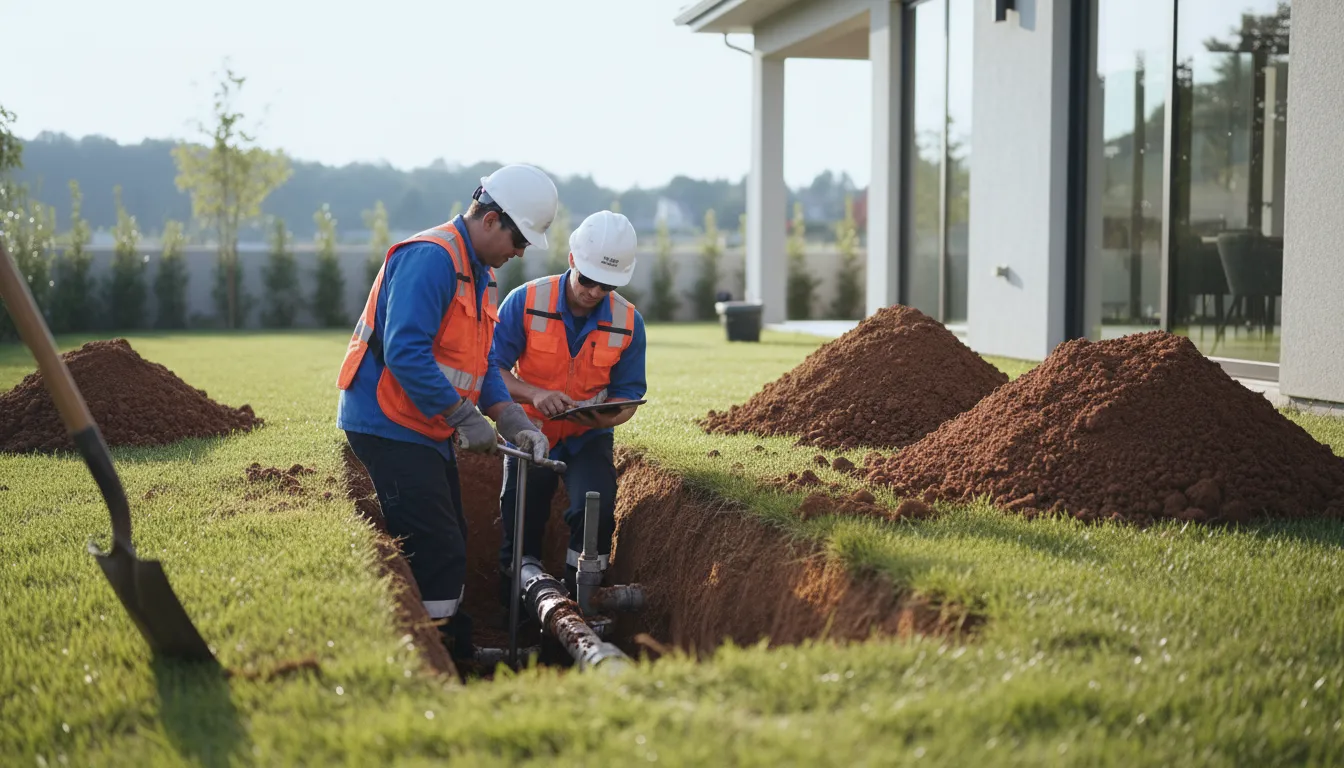
Find the Best Septic System Repair Companies for Your Business
No obligation • Fast responses • Nationwide coverage

Why you can trust Septic Spot
Septic Spot is a leading United States resource for understanding and comparing septic services. Our editors review providers using consistent criteria and verify key business details. Listings and scores are independent, and companies cannot pay to influence our content.
Search providers near you
Best Septic System Repair Companies in Connecticut Ranked
A failing septic system is a serious issue for any Connecticut homeowner, posing health risks and potential property damage. Septic system repair involves diagnosing and fixing problems with your tank, pipes, or leaching field to restore proper wastewater treatment. This guide explains the regulatory process, common repair scenarios, and costs to help you navigate finding a qualified professional to address your system's needs effectively and in compliance with state and local health codes.
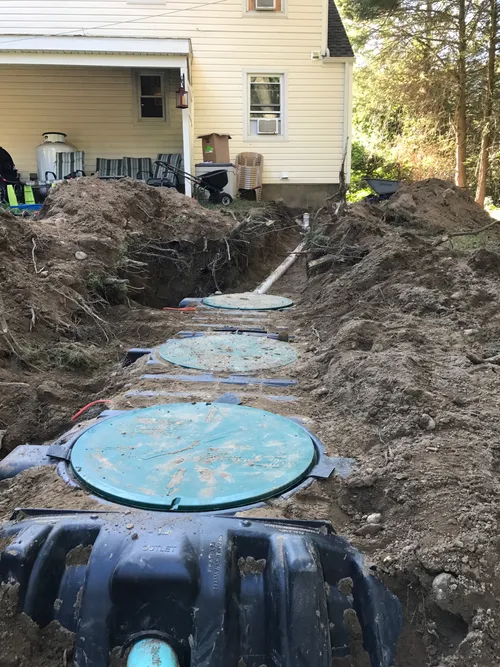
Septicology
47 Plantation Rd Unit D, Broad Brook, CT 06016
Septicology is a family-owned septic company serving Hartford, CT, and all towns across Connecticut. Since 2017, they have provided septic system inspections, repairs, installations, and pumping services throughout the state. Their inspection reports include detailed analyses, color photos, and system location drawings, offering clear insights into septic system conditions. Septicology emphasizes flexible scheduling to accommodate customer needs and maintains open communication throughout the service process.

Skips Wastewater Services
21 Courtney Dr, Ellington, CT 06029
Skips Wastewater Services provides septic tank pumping, inspection, repair, and installation services in Hartford, CT. They serve residential and commercial clients across multiple counties in Connecticut, including Hartford, Middlesex, New London, Tolland, Windham, and New Haven. The company operates with a large fleet of pump trucks and uses advanced technology to handle septic emergencies and routine maintenance efficiently. With over 60 years of experience, Skips Wastewater Services offers 24/7 emergency support to address issues like sewage backups and slow drains promptly.
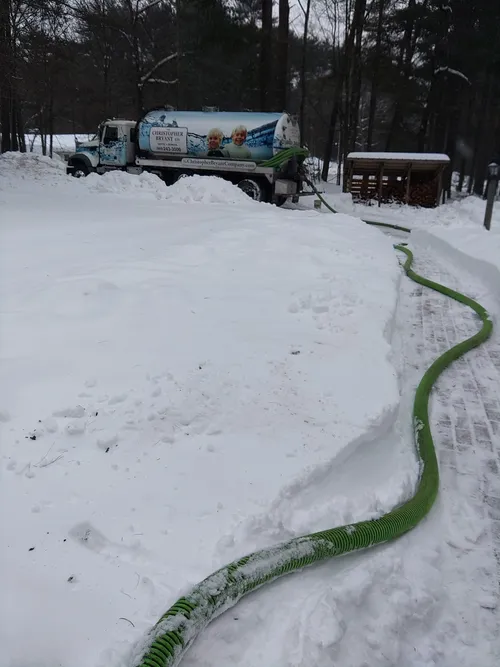
The Christopher Bryant Co. LLC
126 W Dudley Town Rd, Bloomfield, CT 06002
The Christopher Bryant Co. LLC is a family-owned septic service provider based in Hartford, CT, serving Hartford County and surrounding communities since 1995. They offer a full range of septic system services including pumping, inspection, repair, and installation. The company is known for its hands-on ownership and expertise in septic riser installation, which facilitates easier maintenance and inspection. With over 30 years in business, they provide 24/7 emergency service and same-day service options to address urgent septic needs.
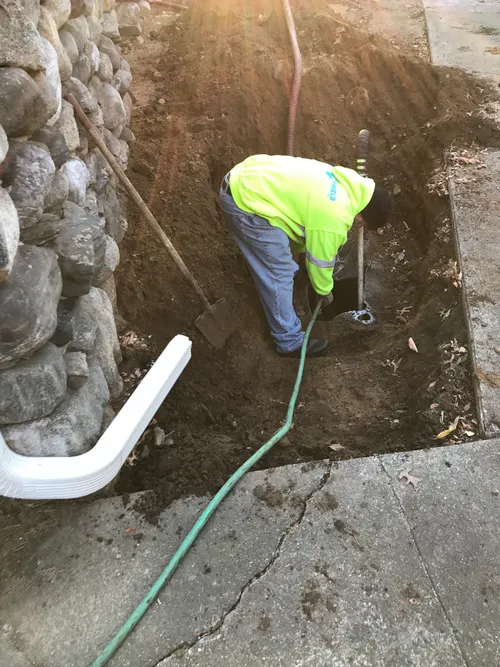
Unlimited Excavation and Construction
688 N Washington Ave, Bridgeport, CT 06604
Unlimited Excavation and Construction is a family-owned company based in Bridgeport, CT, providing comprehensive septic and sewer services for residential and commercial clients. With over 30 years of experience, they offer septic tank installation, inspection, repair, and sewer line maintenance, along with additional services like drain cleaning and asphalt paving. Their team uses state-of-the-art technology to inspect septic systems and sewer lines, helping to identify potential issues early and perform necessary repairs efficiently. They also provide 24/7 emergency services to address urgent sewer and septic problems promptly.
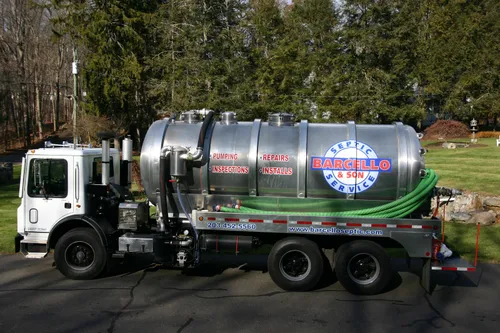
Barcello & Son Septic Service LLC
334 Wilson Rd, Easton, CT 06612
Barcello & Son Septic Service LLC is a family-owned business based in Easton, CT, serving the Bridgeport area with septic tank pumping, inspection, repair, design, and installation services. With over 20 years of experience in Fairfield County, they handle all sizes and types of septic systems using a proprietary 12-step pumping process and the latest equipment. Their expertise covers comprehensive septic system solutions, including real estate appraisal support and system design. The company emphasizes transparent pricing and guarantees their work. Barcello & Son Septic Service LLC is known for clear communication about service timing and procedures, aiming to provide a straightforward and reliable customer experience.
Understanding Connecticut's Septic Repair Regulations
All residential septic system repairs in Connecticut are governed by the Public Health Code Section 19-13-B103 and its accompanying Technical Standards. These regulations are designed to protect public health and groundwater quality. A critical first step is understanding that you cannot legally undertake a repair yourself; state law requires all work to be performed by a Licensed Septic Installer. Furthermore, nearly all repairs require a permit from your local health department before any work begins 1.
The approval authority for most single-family homes lies with your town's or regional health district. An installer must apply on your behalf for a "Permit to Construct, Alter or Repair". The permit application will require details about the proposed repair, and for anything beyond minor fixes, it often must include engineered plans and the results of soil testing.
The Permit and Soil Evaluation Process
The repair process is tightly controlled to ensure the corrected system functions properly. If your system has failed, you are legally obligated to repair it. The journey typically starts with an evaluation.
Soil Testing is Key: For most leaching field repairs or replacements, the local health department will require new soil testing. This usually involves a percolation (perc) test to determine how quickly water drains through the soil and a deep hole test to assess soil layers and identify the seasonal high groundwater table 2. These tests must be conducted under the supervision of the local health authority or a professional engineer.
Groundwater and Soil Limitations: Connecticut's technical standards are strict. The bottom of any new leaching system must be at least 18 inches above the maximum groundwater level. If your property has a high water table, shallow bedrock (ledge), or poor soil permeability, a standard conventional system may not be feasible. In these cases, you may need to apply for a code exception or install an engineered/alternative system with advanced treatment technology 3.
Common Types of Septic Repairs and Costs
Repair needs can range from simple component replacement to a full system overhaul. Costs vary widely based on the repair's scope, soil conditions, and system type.
- Minor Component Repairs: Fixing issues like a broken inlet/outlet baffle, replacing a damaged manhole cover, or installing a required effluent filter typically cost between $1,000 and $3,000.
- Tank-Only Replacement: If the leaching field is sound but the tank has failed (e.g., structural collapse), replacing just the tank generally ranges from $3,000 to $8,000. Note that under current code, replacement tanks must have two compartments and an effluent filter 4 5.
- Leach Field Repair or Extension: When part of the leaching field has failed but the soil is suitable, a repair or "extension" adding new trenches can cost between $5,000 and $10,000.
- Full Conventional System Replacement: This involves installing both a new tank and a completely new leaching field. For a standard system, homeowners can expect costs from $10,000 to $25,000.
- Engineered or Alternative System Replacement: For properties with severe site constraints, an advanced treatment system (like an aerobic treatment unit or sand filter) may be necessary. These complex systems start around $20,000 and can exceed $40,000 6 7.
Find the perfect septic system repair companies for your needs
Get personalized recommendations and expert advice
Working with Professionals and Local Health Officials
A successful repair is a collaboration between you, your licensed installer, and your local health department. Start by contacting a few licensed installers for assessments. They can evaluate the failure, discuss potential solutions, and guide you through the permit application process with the health district.
Be prepared for the process to take time. Between scheduling soil tests, waiting for permit reviews, and potential need for engineered plans, a major repair can take several weeks to several months to complete. It's also worth inquiring about financial assistance. Some programs offer low-interest loans for mandatory septic repairs, which can help manage the significant expense 8 9.
Repair Standards and Innovative Solutions
Connecticut's technical standards specify how repairs must be executed. For example, any repaired or replaced tank must meet current sizing requirements and include modern components like effluent filters. If a full code-complying system cannot physically fit on your property due to lot size or topography, local health officials have the authority to grant variances or exceptions, allowing for a properly functioning, if slightly modified, system 10.
For chronic high groundwater, one potential solution an engineer might recommend is the installation of groundwater interceptor drains to lower the water table around the leaching area 11. Always ensure your repair professional is not only licensed but also experienced with the specific challenges common in your area of Connecticut.
Maintaining Your System Post-Repair
Once your system is repaired, proper maintenance is crucial to protect your investment and prevent future failures. Have the tank pumped regularly (typically every 2-5 years, depending on usage), avoid flushing harmful chemicals or non-biodegradables, and divert roof and surface water away from the leaching field area. The State of Connecticut provides clear guidance on operation and maintenance to extend the life of your system.
Frequently asked questions
Sources
Footnotes
-
Existing Septic Repair - Bethel, CT - https://www.bethel-ct.gov/septic-repair ↩
-
Septic System Design: What CT Homeowners Need to Know - https://andersonseptic.com/septic-system-design-guide/ ↩
-
Home Buyers Guide - CT.gov - https://portal.ct.gov/dph/environmental-health/environmental-engineering/home-buyers-guide ↩
-
Summary-of-January-1-2018-Technical-Standards-Revisions- ... - https://portal.ct.gov/-/media/Departments-and-Agencies/DPH/dph/environmental_health/environmental_engineering/2018-Uploads/Summary-of-January-1-2018-Technical-Standards-Revisions-LH-022718.pdf ↩
-
Connecticut Septic Tank Requirements - https://www.ntotank.com/blog/connecticut-septic-tank-requirements ↩
-
Operation and Maintenance - CT.gov - https://portal.ct.gov/dph/environmental-health/environmental-engineering/operation-and-maintenance ↩
-
NJ Septic Regulations for 2026: Inspections, Permits & Rules - https://www.atsenvironmental.com/blog/nj-septic-regulations-for-2026/ ↩
-
Septic System Repair - Connecticut eRegulations System - https://eregulations.ct.gov/eRegsPortal/Browse/RCSA/Title_8Subtitle_8-416_HTML/ ↩
-
Septic System Condition and House Sales - Madison, CT - https://www.madisonct.org/1206/Septic-System-Condition-and-House-Sales ↩
-
General Septic System Information - Torrington Area Health ... - https://tahd.org/programs-services/environmental-health/general-septic-system-information/ ↩
-
Environmental Engineering - Subsurface Sewage - CT.gov - https://portal.ct.gov/dph/environmental-health/environmental-engineering/environmental-engineering----subsurface-sewage ↩