
Find the Best Septic System Repair Companies for Your Business
No obligation • Fast responses • Nationwide coverage

Why you can trust Septic Spot
Septic Spot is a leading United States resource for understanding and comparing septic services. Our editors review providers using consistent criteria and verify key business details. Listings and scores are independent, and companies cannot pay to influence our content.
Search providers near you
Top Septic System Repair Companies in Hartford, Connecticut Ranked
A failing septic system is more than an inconvenience; it's a serious health and environmental hazard that requires immediate, professional attention. Septic system repair involves diagnosing and fixing issues with your home's on-site wastewater treatment system, from the tank to the drain field. In Hartford, these repairs are strictly regulated by state and local health codes to protect groundwater and public safety. This guide will help you understand the repair process, local requirements, and how to connect with qualified, licensed professionals to restore your system's function.
Septicology
47 Plantation Rd Unit D, Broad Brook, CT 06016
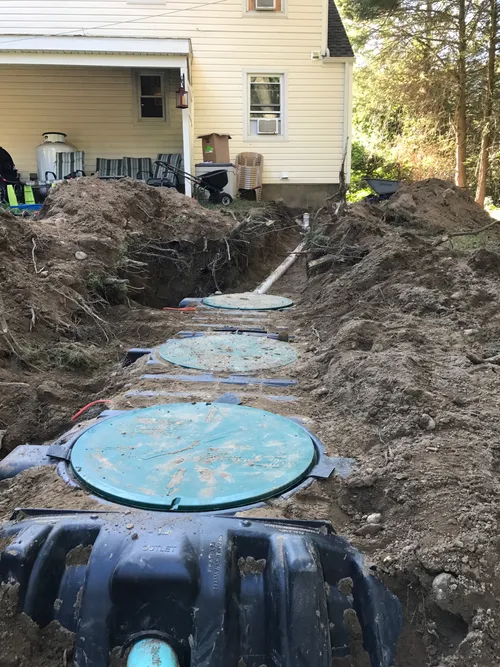
Septicology is a family-owned septic company serving Hartford, CT, and all towns across Connecticut. Since 2017, they have provided septic system inspections, repairs, installations, and pumping services throughout the state. Their inspection reports include detailed analyses, color photos, and system location drawings, offering clear insights into septic system conditions. Septicology emphasizes flexible scheduling to accommodate customer needs and maintains open communication throughout the service process.

Skips Wastewater Services
21 Courtney Dr, Ellington, CT 06029
Skips Wastewater Services provides septic tank pumping, inspection, repair, and installation services in Hartford, CT. They serve residential and commercial clients across multiple counties in Connecticut, including Hartford, Middlesex, New London, Tolland, Windham, and New Haven. The company operates with a large fleet of pump trucks and uses advanced technology to handle septic emergencies and routine maintenance efficiently. With over 60 years of experience, Skips Wastewater Services offers 24/7 emergency support to address issues like sewage backups and slow drains promptly.
The Christopher Bryant Co. LLC
126 W Dudley Town Rd, Bloomfield, CT 06002
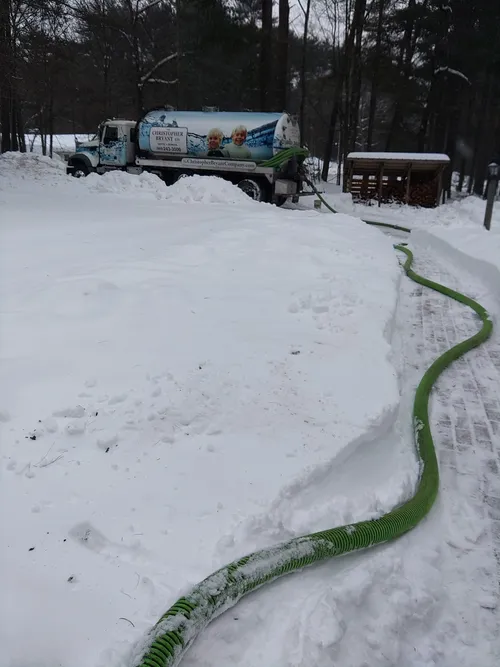
The Christopher Bryant Co. LLC is a family-owned septic service provider based in Hartford, CT, serving Hartford County and surrounding communities since 1995. They offer a full range of septic system services including pumping, inspection, repair, and installation. The company is known for its hands-on ownership and expertise in septic riser installation, which facilitates easier maintenance and inspection. With over 30 years in business, they provide 24/7 emergency service and same-day service options to address urgent septic needs.
Gallis & Son, Inc
Springfield, MA
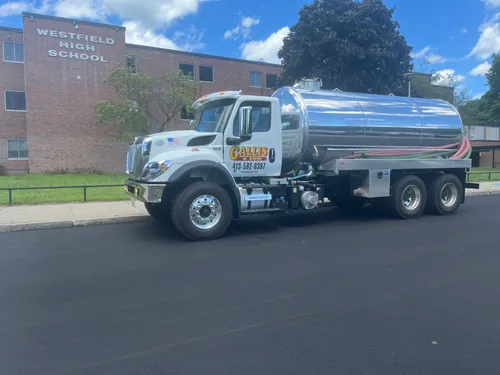
Gallis & Son, Inc is a septic contractor based in Springfield, MA, offering septic tank pumping, repairs, and installation services. They also provide excavation and dump truck services to support various site needs. Established in 1982, this family-owned business brings over 36 years of experience to their work, serving the local community with a range of septic and excavation solutions.
Team Sewer and Water
36 Zoar Ave, Oakville, CT 06779
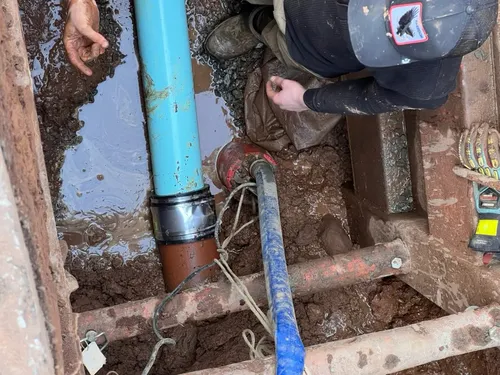
Team Sewer and Water is a septic tank pumping, inspection, repair, and installation company based in Waterbury, CT. They serve residential and commercial clients in Waterbury and surrounding areas, offering comprehensive water, sewer, and septic system services. With over 14 years of experience, their skilled technicians use the latest techniques and equipment to deliver durable results. They also handle sewer line repairs and water main replacements, ensuring compliance with local regulations.
Understanding When You Need Septic Repairs
Your septic system is a critical but often overlooked component of your home. Recognizing the signs of failure early can save you from costly emergency repairs and environmental damage. A system is officially considered failed if untreated sewage breaks to the surface of your yard, backs up into your home, or is no longer being properly absorbed by the soil in the drain field 1 2. Other warning signs include persistently soggy ground or foul odors near the tank or leach field, unusually lush grass over the drain field, and gurgling sounds in your plumbing. If you notice any of these issues, it's time to contact a professional for an inspection and potential septic tank servicing or system repair.
Hartford and Connecticut Regulatory Landscape
All septic system repairs, replacements, and installations in Hartford require a permit from the local health department, governed by the Connecticut Public Health Code 19-13-B103. This isn't just bureaucracy; it's a safeguard. The regulations ensure work is done correctly to prevent groundwater contamination. A licensed septic installer or contractor must perform the repairs, and for major work, engineered design plans must often be submitted for approval 3 4. Crucially, the local Director of Health must inspect the system before it is covered up. Attempting DIY repairs or hiring an unlicensed contractor can result in fines, an improperly functioning system, and complications when selling your home.
Common Types of Septic System Repairs
Not all system failures require a complete overhaul. Licensed professionals can address a range of specific issues. Here are some of the most common repairs performed in the Hartford area:
- Installing Septic Tank Risers and Lids: This is a common upgrade and minor repair. Risers bring the tank's access covers up to ground level, making future pumping, inspection, and minor fixes much easier and less expensive 5.
- Baffle Replacement: The inlet and outlet baffles inside your tank are crucial for preventing scum and solids from escaping into the drain field. Over time, they can corrode or break. Replacing them is a vital repair to protect your leach field from premature failure 6 7.
- Distribution Box Repair or Replacement: The "D-box" evenly distributes liquid effluent from the tank to the lines in the drain field. If it becomes cracked, clogged, or unlevel, it can cause uneven distribution and system failure. Repairing or replacing it is often necessary.
- Leach Field Repairs: This is a more significant undertaking. Repairs can range from jetting clogged pipes to replacing a section of failed soil absorption area. In severe cases, a completely new drain field may need to be installed in a different location on your property 8.
- Full System Replacement: When the tank is structurally compromised or the drain field has completely failed and cannot be repaired, a full system replacement is required. This is the most extensive and costly repair scenario.
The Professional Repair Process: From Diagnosis to Completion
A proper repair begins with a thorough diagnosis. The process typically involves several key steps:
- Record Review and Site Evaluation: A reputable contractor will first attempt to locate your system's "as-built" diagram from the local health department to understand its original design. They will then perform a visual site assessment.
- Excavation and Inspection: The technician will excavate to expose the tank access covers and the distribution box. They will evaluate the tank's structural integrity, check liquid levels, and inspect components.
- Advanced Diagnostics: For complex issues, a camera inspection of the pipes or a dye test (flow test) may be performed to trace the path of wastewater and identify leaks or absorption problems 9 10.
- Permitting and Repair Plan: Based on the findings, the contractor will determine the necessary repairs, help you obtain the required health department permit, and proceed with the licensed repair work 11.
- Final Inspection: Once repairs are complete but before backfilling, the local health inspector must visit to approve the work, ensuring it complies with all state and local codes 12.
Find the perfect septic system repair companies for your needs
Get personalized recommendations and expert advice
Cost Considerations for Septic Repairs in Hartford
Repair costs vary dramatically based on the issue's severity. It's important to get multiple estimates from licensed contractors. Here is a general cost range based on local data:
- Standard System Inspection: $100 - $200
- Minor Repairs (e.g., lids, baffles): $150 - $900
- Distribution Box Replacement: $1,000 - $2,000+
- Septic Tank Replacement: $7,500 - $15,000+ 13
- Full Leach Field Replacement: $20,000 - $50,000+ (highly variable based on soil and site conditions) 14
Remember to factor in permit fees, which can range from $20 - $50 for minor repairs to $460 - $2,770 for major replacements or new installations 15. Note: The State of Connecticut offers financial assistance in the form of loans or deferred loans for eligible homeowners facing failed systems, which can be a crucial resource for managing significant repair costs 16.
Maintaining Your System After Repairs
Once your system is repaired, proper maintenance is key to preventing future failures. This includes having the tank pumped every 3-5 years (depending on usage), conserving water to avoid overloading the system, and being mindful of what goes down the drains. Avoid flushing chemicals, grease, and non-biodegradable items. A well-maintained system can last for decades, protecting your investment and your property.
Finding the Right Professional for the Job
Choosing the right contractor is paramount. Always verify that the professional holds a current Connecticut license for septic system installation and repair. Ask for references from past clients in the Hartford area and confirm they are insured. A trustworthy contractor will be transparent about the diagnostic process, provide a detailed written estimate, and clearly explain the permitting process with the local health department. They should view the repair as a long-term solution, not just a quick fix.
Frequently asked questions
Sources
Footnotes
-
Septic System Design: What CT Homeowners Need to Know - https://andersonseptic.com/septic-system-design-guide/ ↩
-
SEPTIC SYSTEMS - CT.gov - https://portal.ct.gov/-/media/Departments-and-Agencies/DPH/dph/environmental_health/environmental_engineering/pdf/SepticSystems101pdf.pdf ↩
-
Septic System Condition and House Sales - Madison, CT - https://www.madisonct.org/1206/Septic-System-Condition-and-House-Sales ↩
-
Public Health Code Regulations 19-13-B100a ... - CT.gov - https://portal.ct.gov/-/media/Departments-and-Agencies/DPH/dph/environmental_health/environmental_engineering/Phase_1_fall_2018/Regulations-Outline-Handout.pdf ↩
-
Septic System Maintenance & Repairs - New Milford Septic Service - https://newmilfordseptic.com/septic-system-maintenance-essential-tips-for-homeowners-in-connecticut/ ↩
-
Septicology - https://www.google.com/viewer/place?mid=/g/11fzb0ydnx ↩
-
Septic Tank Repair in Connecticut - Skips Wastewater Services - https://skipswastewater.com/repairs/ ↩
-
Septic Tank Repair | Southeastern CT - https://www.buttermores.com/septic-tank-repair ↩
-
Septic Inspection | Connecticut - https://sherwoodinspection.com/septic-inspection/ ↩
-
Home Buyers Guide - CT.gov - https://portal.ct.gov/dph/environmental-health/environmental-engineering/home-buyers-guide ↩
-
CONNECTICUT PUBLIC HEALTH CODE On-site Sewage ... - https://portal.ct.gov/-/media/Departments-and-Agencies/DPH/dph/environmental_health/environmental_engineering/2023-uploads/TS-Master-2023-1242023A.pdf ↩
-
Connecticut Septic Tank Requirements - https://www.ntotank.com/blog/connecticut-septic-tank-requirements?srsltid=AfmBOorbIyFqy0lT0KrK_s9TuwhgFeaTgYQXx9vWfZO35sh6iodoGUrD ↩
-
How Much Does Septic Tank Repair Cost? [2026 Data] | Angi - https://www.angi.com/articles/how-much-does-repairing-septic-tank-cost.htm ↩
-
Septic replacement costs? : r/Connecticut - Reddit - https://www.reddit.com/r/Connecticut/comments/1dldqq7/septic_replacement_costs/ ↩
-
Hartford Septic Systems Costs & Prices - ProMatcher.com - https://septic-systems.promatcher.com/cost/hartford-ct-septic-systems-costs-prices.aspx ↩
-
Septic System Repair - Connecticut eRegulations System - https://eregulations.ct.gov/eRegsPortal/Browse/RCSA/Title_8Subtitle_8-416_HTML/ ↩