
Find the Best Septic System Repair Companies for Your Business
No obligation • Fast responses • Nationwide coverage

Why you can trust Septic Spot
Septic Spot is a leading United States resource for understanding and comparing septic services. Our editors review providers using consistent criteria and verify key business details. Listings and scores are independent, and companies cannot pay to influence our content.
Search providers near you
Top Septic System Repair Companies in Bridgeport, Connecticut Ranked
Maintaining a functional septic system is a critical responsibility for homeowners in Bridgeport. When a system fails-evidenced by sewage backing up into the home or surfacing in the yard-prompt and professional repair is not just a matter of convenience; it's a legal and public health necessity. Septic system repair in Bridgeport is a highly regulated process overseen by the Bridgeport Department of Health & Social Services, requiring specific permits, professional engineering, and certified contractors. This guide explains the local repair process, common fixes, and how to navigate the regulatory landscape to restore your property's wastewater treatment system safely and legally.
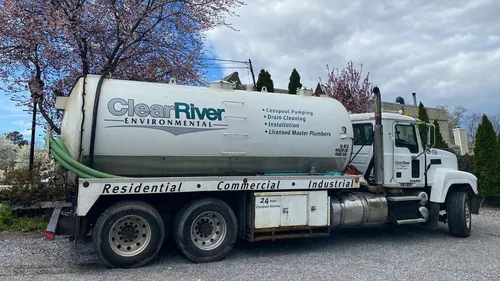
Clear River Environmental
847 11th St, Ronkonkoma, NY 11779
Clear River Environmental is a septic tank pumping, inspection, repair, and installation company serving New York, NY. They offer comprehensive environmental services including cesspool pumping, septic system maintenance, plumbing repairs, and emergency environmental remediation. The company has over 60 years of experience and uses advanced equipment such as camera inspection systems and leak detection technology. Clear River Environmental provides 24/7 emergency services to address urgent property issues promptly.
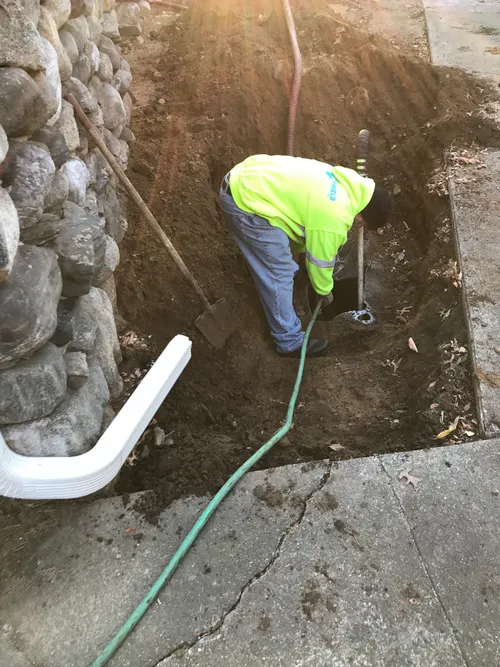
Unlimited Excavation and Construction
688 N Washington Ave, Bridgeport, CT 06604
Unlimited Excavation and Construction is a family-owned company based in Bridgeport, CT, providing comprehensive septic and sewer services for residential and commercial clients. With over 30 years of experience, they offer septic tank installation, inspection, repair, and sewer line maintenance, along with additional services like drain cleaning and asphalt paving. Their team uses state-of-the-art technology to inspect septic systems and sewer lines, helping to identify potential issues early and perform necessary repairs efficiently. They also provide 24/7 emergency services to address urgent sewer and septic problems promptly.
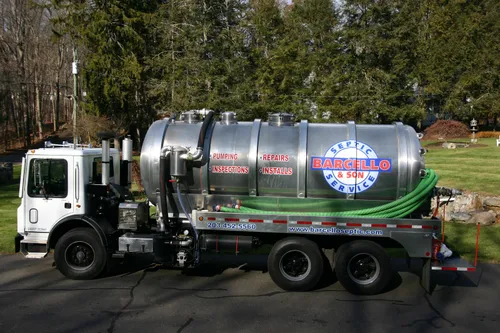
Barcello & Son Septic Service LLC
334 Wilson Rd, Easton, CT 06612
Barcello & Son Septic Service LLC is a family-owned business based in Easton, CT, serving the Bridgeport area with septic tank pumping, inspection, repair, design, and installation services. With over 20 years of experience in Fairfield County, they handle all sizes and types of septic systems using a proprietary 12-step pumping process and the latest equipment. Their expertise covers comprehensive septic system solutions, including real estate appraisal support and system design. The company emphasizes transparent pricing and guarantees their work. Barcello & Son Septic Service LLC is known for clear communication about service timing and procedures, aiming to provide a straightforward and reliable customer experience.
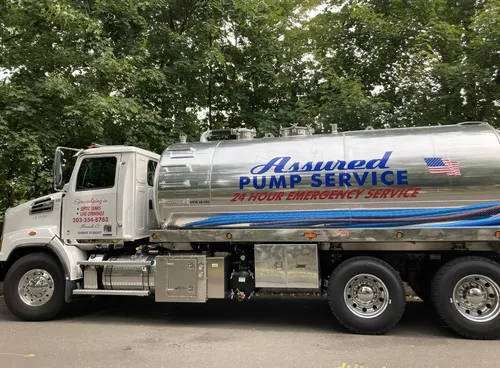
Assured Pump Services
Stamford, CT
Assured Pump Services is a septic tank pumping, inspection, and repair company based in Stamford, CT. Serving Fairfield County, they offer a full range of septic system services including pumping, drain clearing, and repairs. With over 25 years of experience, the company provides 24/7 emergency response to address urgent septic issues promptly. Their licensed technicians use state-of-the-art equipment to ensure thorough and reliable service.
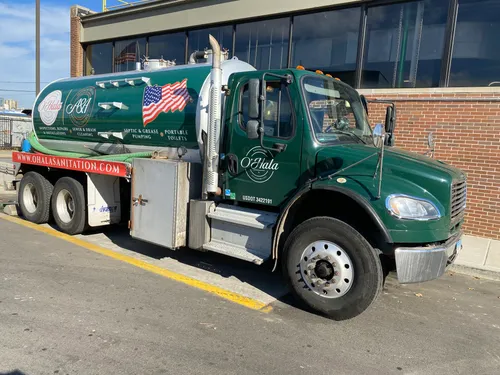
A & A Systems Control Inc
47 Larkin St Unit 5 A, Stamford, CT 06907
A & A Systems Control Inc is a family-owned septic and excavating services company based in Stamford, CT. They provide a full range of septic system services including pumping, inspections, repairs, installations, and drain cleaning for residential and commercial clients. Their expertise extends to excavation, drainage solutions, grease trap cleaning, and percolation testing, serving Stamford and nearby communities such as Greenwich, Darien, and New Canaan. The company offers 24/7 availability and emphasizes routine maintenance plans to minimize emergencies and system backups. With a background in utility construction, A & A Systems Control Inc combines technical knowledge with local service to support well-maintained septic systems.
Understanding Septic System Failures and Local Regulations
A failing septic system poses serious health risks and environmental hazards. In Bridgeport, any sign of failure, such as soggy ground or sewage odors around the drain field, requires immediate attention from a qualified professional. The city and state of Connecticut enforce strict health codes to protect groundwater and public safety, meaning all septic work is subject to rigorous oversight 1.
The entire repair process is supervised by a Registered Sanitarian (RS) from the local health department. Before any shovel hits the ground, property owners must secure the proper approvals. Attempting repairs without following the official protocol can result in fines and legal complications, and more importantly, may not solve the underlying problem, leading to recurring issues and potential contamination.
The Mandatory Bridgeport Repair Process: Step-by-Step
Navigating the bureaucratic and technical steps for septic system remediation can seem daunting. Here is a breakdown of the required sequence for most repair projects in Bridgeport.
Step 1: Initial Site Investigation and Testing
The process begins with a formal site evaluation. A Connecticut Professional Engineer (PE) and a Registered Sanitarian will oversee the excavation of test pits on your property. These pits are used to conduct percolation tests, which determine the soil's ability to absorb and treat effluent. This investigation is crucial for designing an effective repair or replacement system. An "Application for Septic System Soil Testing" must be filed with the Bridgeport Health Department, which carries a fee of $100.
Step 2: Engineering Design and Permit Application
Based on the soil evaluation, the Professional Engineer designs a repair plan that complies with the Connecticut Public Health Code. This plan is then submitted to the Bridgeport Environmental Health Department for review, which may also involve state-level officials 2. Concurrently, the property owner must file an "Application to Construct a Sub Surface Sewage Disposal System," which has a $200 fee 3. Only after this application is approved will you receive the critical "Approval to Construct" permit, authorizing work to begin.
Step 3: Construction and Critical Inspections
With permits in hand, a licensed septic contractor can begin the physical repair work. It is illegal for anyone other than a licensed installer to perform this work. A key rule in Bridgeport is that no part of the new or repaired system can be covered (backfilled) until it has been inspected and approved by the local Director of Health or the assigned Registered Sanitarian. This inspection ensures the construction matches the approved design and meets all health and safety standards.
Step 4: Final Approval and Certification
After the construction passes inspection and is backfilled, the Professional Engineer must submit "as-built" drawings to the health department, documenting the work as it was actually completed. Once all paperwork is finalized and the system is verified, the health department issues a "Certificate to Discharge." This certificate is the official document that confirms your septic system is legally operational and compliant with all regulations 4.
Common Types of Septic System Repairs
Not all system failures require a complete drain field replacement. Many issues can be resolved with targeted fixes. Here are some of the most common septic repairs performed in the Bridgeport area.
Tank Repairs and Maintenance: Over time, concrete septic tanks can crack, or critical internal components can fail. Common tank fixes include repairing or replacing broken or misaligned outlet baffles, which are essential for preventing solids from entering the drain field 5. Another valuable upgrade is the installation of access risers, which bring the tank lids to the surface. This makes routine pumping and inspection much easier and less costly in the future.
Leaching Field Rehabilitation: The leaching field (or drain field) is often the site of system failure due to clogging or biomat buildup. While some older fields may need complete replacement, newer technologies can sometimes offer solutions. Contractors may install advanced leaching systems like infiltrator chambers, which can provide better treatment in challenging soils. In other cases, a septic tank cleanout-removing solidified waste that has escaped the tank-can temporarily restore a field's function6.
Distribution System Repairs: The distribution box (or D-box) is a crucial component that evenly disperses liquid effluent from the tank to the lines in the drain field. If this box becomes damaged, clogged, or uneven, it can cause one section of the field to be overloaded while another is underused, leading to premature failure. Repairing or replacing the distribution box is a common and often necessary fix.
Find the perfect septic system repair companies for your needs
Get personalized recommendations and expert advice
Understanding the Costs of Septic Repairs
The cost of fixing a septic system in Bridgeport varies dramatically based on the scope of the problem. It's important to budget for both official fees and the physical construction work.
Permit and Administrative Fees: The city's required permit fees are relatively fixed. You can expect to pay approximately $100 for the soil testing application and $200 for the construction application, totaling around $300 in direct fees to the health department7. Additionally, you will need to hire a Professional Engineer for the design and a Registered Sanitarian for inspections, which involves separate professional fees.
Repair and Replacement Costs: The physical repair costs are where the largest variation occurs.
- Simple Repairs: Fixing baffles, installing risers, or repairing a distribution box typically costs in the range of several hundred to a few thousand dollars.
- Major Repairs/Field Replacement: If the leaching field has completely failed and needs to be replaced or significantly expanded, costs can become substantial. Factors like soil type, lot size, water table, and the need for advanced treatment technologies can drive prices into the range of $10,000 to $30,000 or more8 9 10.
Financial Assistance for Homeowners
Recognizing the high cost of major septic work, the state of Connecticut offers a financial assistance program for eligible homeowners. This program provides loans or deferred loans to help cover the cost of repairing, replacing, or enlarging a failed septic system for owner-occupied residential properties of up to two units. If you are facing a significant repair bill, investigating this state program is a highly recommended step.
Choosing a Qualified Repair Professional
Given the complexity of regulations and the technical skill required, selecting the right contractor is paramount. Always choose a licensed septic system installer with proven experience in Bridgeport. They should be intimately familiar with the local health department's procedures and willing to handle the permitting process. A reputable professional will also ensure all work is performed under the guidance of a licensed PE and will coordinate the necessary inspections with the Registered Sanitarian. Checking references and verifying license status with the state can provide peace of mind for this major home investment.
Frequently asked questions
Sources
Footnotes
-
Septic System Condition and House Sales - Madison, CT - https://www.madisonct.org/1206/Septic-System-Condition-and-House-Sales ↩
-
Public Health Code Regulations 19-13-B100a ... - CT.gov - https://portal.ct.gov/-/media/Departments-and-Agencies/DPH/dph/environmental_health/environmental_engineering/Phase_1_fall_2018/Regulations-Outline-Handout.pdf ↩
-
Department of Health & Social Services - Bridgeport - https://www.bridgeportct.gov/sites/default/files/2024-11/HDE_20241103_Septic_InstallAndRepair.pdf ↩
-
Connecticut Septic Tank Requirements - https://www.ntotank.com/blog/connecticut-septic-tank-requirements ↩
-
J.A. Epifano & Sons, LLC | Fairfield, CT | Septic Tank Service Company - https://www.epifanosepticservice.com/ ↩
-
Septic Inspection | Connecticut - https://sherwoodinspection.com/septic-inspection/ ↩
-
Septic Systems | City of Bridgeport - https://www.bridgeportct.gov/government/departments/environmental-health/septic-systems ↩
-
Septic System Repair - Connecticut eRegulations System - https://eregulations.ct.gov/eRegsPortal/Browse/RCSA/Title_8Subtitle_8-416_HTML/ ↩
-
Design and Repair - Connecticut Valley Septic Services - https://ctvalleysepticservices.com/design-and-repair-1 ↩
-
Septic Homeowners - North Central Distict Health Department - https://www.ncdhd.org/septic-homeowners ↩