
Find the Best Septic System Repair Companies for Your Business
No obligation • Fast responses • Nationwide coverage

Why you can trust Septic Spot
Septic Spot is a leading United States resource for understanding and comparing septic services. Our editors review providers using consistent criteria and verify key business details. Listings and scores are independent, and companies cannot pay to influence our content.
Search providers near you
Top Septic System Repair Companies in Stamford, Connecticut Ranked
Maintaining a functional septic system is a critical responsibility for homeowners in Stamford. When a system fails, it's not just an inconvenience-it's a potential health hazard and a legal issue that requires immediate, professional attention. Septic system repair involves diagnosing and fixing problems with your tank, pipes, or drain field to restore proper wastewater treatment. This guide explains the local regulations, common repair types, and the process for getting your system back in working order, helping you connect with licensed professionals who can ensure the job is done right.
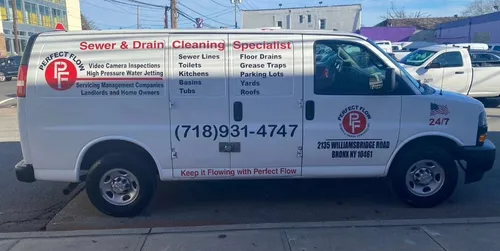
Perfect Flow Sewer & Drain Services
2135 Williamsbridge Rd, Bronx, NY 10461
Perfect Flow Sewer & Drain Services provides septic tank inspection and septic system repair in Yonkers, NY. They offer thorough inspections, efficient cleaning, and precise repairs to maintain reliable sewer and drain systems. Their services focus on ensuring seamless flow and system functionality.
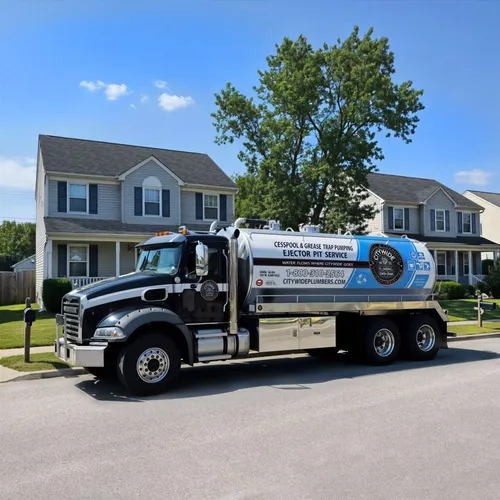
Citywide Grease Trap Maintenance | Cesspool Pumping Service Long Island
110 Voice Rd, Carle Place, NY 11514
Citywide Grease Trap Maintenance | Cesspool Pumping Service Long Island provides septic and cesspool pumping, inspection, repair, and installation services in New York, NY. Serving both residential and commercial clients, they offer comprehensive maintenance and cleaning to prevent system failures. Their skilled technicians use advanced equipment for installations and repairs, including grease trap pumping and sewage ejector pit services. With over 65 years of experience, Citywide operates 24/7 to address emergency needs promptly.
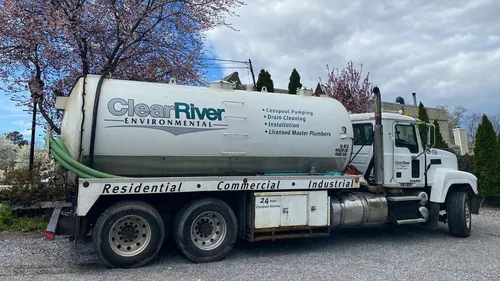
Clear River Environmental
847 11th St, Ronkonkoma, NY 11779
Clear River Environmental is a septic tank pumping, inspection, repair, and installation company serving New York, NY. They offer comprehensive environmental services including cesspool pumping, septic system maintenance, plumbing repairs, and emergency environmental remediation. The company has over 60 years of experience and uses advanced equipment such as camera inspection systems and leak detection technology. Clear River Environmental provides 24/7 emergency services to address urgent property issues promptly.
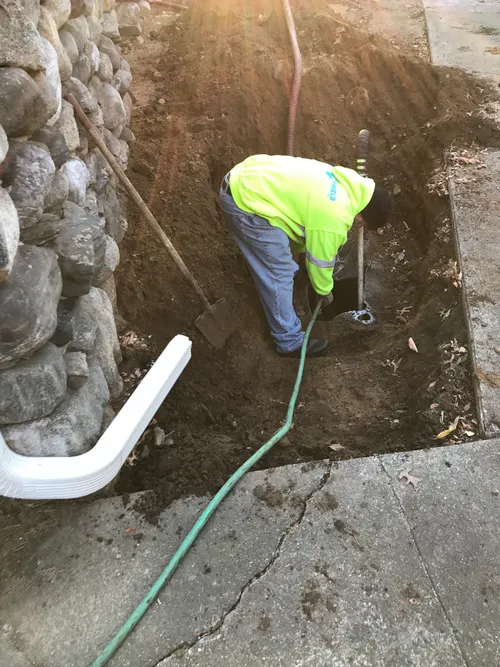
Unlimited Excavation and Construction
688 N Washington Ave, Bridgeport, CT 06604
Unlimited Excavation and Construction is a family-owned company based in Bridgeport, CT, providing comprehensive septic and sewer services for residential and commercial clients. With over 30 years of experience, they offer septic tank installation, inspection, repair, and sewer line maintenance, along with additional services like drain cleaning and asphalt paving. Their team uses state-of-the-art technology to inspect septic systems and sewer lines, helping to identify potential issues early and perform necessary repairs efficiently. They also provide 24/7 emergency services to address urgent sewer and septic problems promptly.
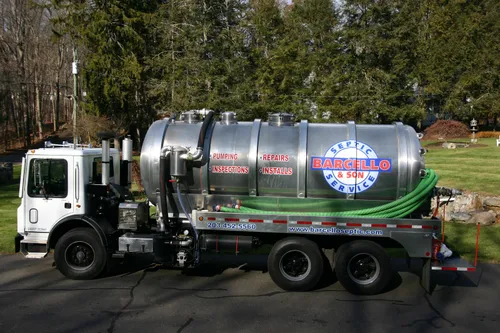
Barcello & Son Septic Service LLC
334 Wilson Rd, Easton, CT 06612
Barcello & Son Septic Service LLC is a family-owned business based in Easton, CT, serving the Bridgeport area with septic tank pumping, inspection, repair, design, and installation services. With over 20 years of experience in Fairfield County, they handle all sizes and types of septic systems using a proprietary 12-step pumping process and the latest equipment. Their expertise covers comprehensive septic system solutions, including real estate appraisal support and system design. The company emphasizes transparent pricing and guarantees their work. Barcello & Son Septic Service LLC is known for clear communication about service timing and procedures, aiming to provide a straightforward and reliable customer experience.
Understanding Stamford's Septic Repair Regulations
All work on subsurface sewage disposal systems in Stamford is strictly regulated by the Stamford Department of Health's Environmental Inspections Division and the Connecticut Public Health Code (Section 19-13-B103). These rules are in place to protect public health and the environment, particularly groundwater, which many residents rely on for drinking water.
A key regulation is the definition of a "failed" system. In Connecticut, a system is officially considered failing only when it creates a "health nuisance," such as effluent breaking the ground's surface or backing up into the home 1 2. While other malfunctions (like slow drains) are serious, they may not trigger the same mandatory repair order from the health department. However, addressing issues early can prevent a full failure and more costly fixes down the line.
Critical regulatory steps for any septic repair project include:
- Licensed Professionals: Homeowners must hire a Connecticut-licensed septic installer or cleaner to perform the work. This ensures the contractor understands state and local codes.
- Permit Approval: Before any shovels hit the ground, your licensed contractor must submit detailed repair plans to the Stamford Department of Health for review and approval.
- Code Compliance: All repairs must meet current technical standards, including proper setbacks from wells, property lines, and wetlands.
- Final Inspection: The local director of health or an authorized agent must inspect the completed repair before the system is covered with soil. This final sign-off is legally required.
The Step-by-Step Septic Repair Process
Navigating a septic fix can seem daunting, but following a structured process with your licensed professional ensures compliance and a lasting solution.
- System Investigation & Records Request: The first step is often to request any existing "as-built" plans for your septic system from the Stamford Department of Health 3. These plans help locate the tank and drain field. If plans are unavailable, a professional will need to locate the system components.
- Site Inspection & Tank Pumping: A licensed contractor will typically pump the tank (which is recommended every 3-5 years for maintenance anyway) to assess sludge and scum levels and perform a thorough visual inspection of all accessible components 4.
- Soil Evaluation (If Needed): If the repair involves expanding or replacing the leaching field, the health department must witness deep test pits and percolation tests ("perc tests") on your property to determine soil suitability and size the new field correctly 5 6.
- Plan Submission & Permit Acquisition: Your contractor will prepare and submit the repair plans, including any new engineering designs, to the health department for a permit 7.
- Repair Execution & Final Inspection: Once the permit is issued, the licensed installer completes the work. The health department then conducts a final inspection before the system is backfilled, providing official approval 8.
Find the perfect septic system repair companies for your needs
Get personalized recommendations and expert advice
Common Types of Septic Repairs in Stamford
Septic issues can range from simple clogs to complete system failures. Understanding the common types of repairs can help you discuss options with your contractor.
Minor Repairs & Maintenance Fixes
These are typically the most affordable interventions and often address problems before they cause a full system failure.
- Baffle Replacement: The inlet and outlet baffles (or tees) inside the tank prevent solids from flowing into the drain field. If broken, they must be replaced-a common fix that can significantly improve system function.
- Riser Installation: For tanks buried deep underground, installing risers to bring the access lids to ground level is often required for future serviceability and is considered a valuable upgrade.
- Distribution Box Repair/Replacement: The "D-box" evenly distributes liquid effluent from the tank to the drain field lines. If it becomes clogged or damaged, it can cause uneven drainage and field failure.
- Pipe Clearing: Using high-pressure jetting or snaking to clear blockages in the pipes between the house, tank, and drain field can resolve slow drainage issues 9 10.
Major Septic System Repairs
When the leaching field fails or the tank itself is compromised, more extensive and costly work is necessary.
- Leaching Field Replacement: This is the most common major repair. If the soil in the original drain field has become clogged ("biomat failure"), a new set of perforated pipes must be installed in a new location or a replacement area. This often involves significant excavation.
- Septic Tank Replacement: Older tanks made of steel can rust and collapse, and even concrete tanks can crack and fail. Replacing the tank with a modern concrete or plastic model is a major project 11.
- System Additions for Site Challenges: In properties with high groundwater, poor soil, or limited space, repairs may involve installing curtain drains or French drains to divert water away from the septic field, reducing hydraulic load 12 13.
Cost Considerations for Septic Repairs
The cost of septic system work in Stamford varies dramatically based on the scope. It's important to get multiple estimates from licensed contractors.
- Minor Repairs: Fixing baffles, clearing pipes, or replacing a distribution box often ranges from under $1,000 to $2,000.
- Septic Tank Replacement: Installing a new tank alone typically starts around $7,500 or more, depending on size and material.
- Full System Overhaul: A complete system replacement, including a new tank and leaching field, is a significant investment. Costs frequently range between $20,000 and over $40,000 14. Difficult sites requiring engineered solutions (like mound systems or advanced treatment units) can push costs toward $80,000 15.
- Financial Assistance: Homeowners should be aware that the Connecticut Department of Public Health may offer loan programs or financial assistance for qualifying repairs on failing systems, specifically for owner-occupied, one-to-two-unit homes 16 17. It's worth inquiring about potential aid options.
Maintaining Your System Post-Repair
After investing in a repair, protecting that investment through proper maintenance is crucial. Adhere to a regular pumping schedule every 3-5 years, conserve water to avoid overloading the system, and avoid flushing harmful chemicals or non-biodegradable materials. A well-maintained septic system can function effectively for decades, making proactive care the most cost-effective "repair" of all.
Frequently asked questions
Sources
Footnotes
-
Environmental Engineering - Subsurface Sewage - CT.gov - https://portal.ct.gov/dph/environmental-health/environmental-engineering/environmental-engineering----subsurface-sewage ↩
-
Septic System Condition and House Sales - Madison, CT - https://www.madisonct.org/1206/Septic-System-Condition-and-House-Sales ↩
-
Home Buyers Guide - CT.gov - https://portal.ct.gov/dph/environmental-health/environmental-engineering/home-buyers-guide ↩
-
Environmental Engineering - Subsurface Sewage - CT.gov - https://portal.ct.gov/dph/environmental-health/environmental-engineering/environmental-engineering----subsurface-sewage ↩
-
Public Health Code Regulations 19-13-B100a ... - CT.gov - https://portal.ct.gov/-/media/Departments-and-Agencies/DPH/dph/environmental_health/environmental_engineering/Phase_1_fall_2018/Regulations-Outline-Handout.pdf ↩
-
Septic & Well - Central Connecticut Health District - https://www.ccthd.org/septic-well ↩
-
Permits and Licenses - Stamford, CT - https://www.stamfordct.gov/residents/permits-and-licenses ↩
-
SEPTIC SYSTEMS - CT.gov - https://portal.ct.gov/-/media/Departments-and-Agencies/DPH/dph/environmental_health/environmental_engineering/pdf/SepticSystems101pdf.pdf ↩
-
24/7 Emergency Septic Pumping Services in Stamford - https://andersonseptic.com/septic-system-services-in-stamford/24-7-emergency-septic-pumping-in-stamford/ ↩
-
Septic Tank Repair in Connecticut - Skips Wastewater Services - https://skipswastewater.com/repairs/ ↩
-
Septic Repairs in CT - Andrews-Perry Construction - https://www.andrewsperryconstruction.com/septic-repair-ct.html ↩
-
Subsurface Sewage Disposal Systems - NCDHD-CT - https://www.ncdhd.org/subsurface-sewage-disposal-systems ↩
-
#1 Septic System Design in Stamford - https://andersonseptic.com/septic-system-services-in-stamford/septic-system-design-in-stamford/ ↩
-
Septic replacement costs? : r/Connecticut - Reddit - https://www.reddit.com/r/Connecticut/comments/1dldqq7/septic_replacement_costs/ ↩
-
The Answers to Septic Questions | New Milford Septic | Litchfield County, CT - https://newmilfordseptic.com/faqs/ ↩
-
Septic System Repair - Connecticut eRegulations System - https://eregulations.ct.gov/eRegsPortal/Browse/RCSA/Title_8Subtitle_8-416_HTML/ ↩
-
Septic System Repair - Connecticut eRegulations System - https://eregulations.ct.gov/eRegsPortal/Browse/RCSA/Title_8Subtitle_8-416_HTML/ ↩