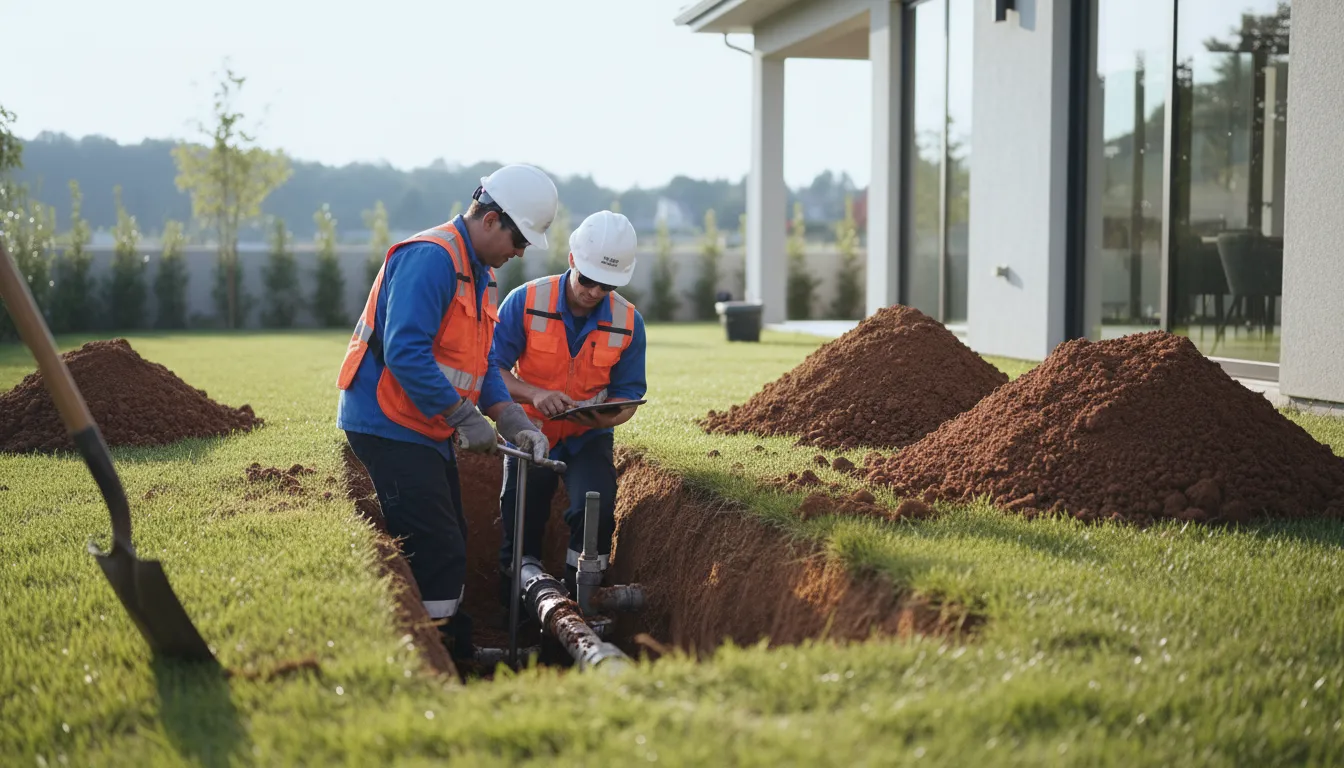
Find the Best Septic System Repair Companies for Your Business
No obligation • Fast responses • Nationwide coverage

Why you can trust Septic Spot
Septic Spot is a leading United States resource for understanding and comparing septic services. Our editors review providers using consistent criteria and verify key business details. Listings and scores are independent, and companies cannot pay to influence our content.
Search providers near you
Top Septic System Repair Companies in Kansas City, Missouri Ranked
When your home's septic system shows signs of trouble-like slow drains, foul odors, or soggy patches in the yard-it's a clear signal that professional repair is needed. In Kansas City, Kansas, septic system maintenance and repair are critical for protecting your property, public health, and the local environment. This guide helps you understand the repair process, local regulations, and how to connect with qualified, licensed professionals who can diagnose issues and restore your system to proper function.
Barnes Plumbing and Septic
3861 N Grindstone Cir, Lathrop, MO 64465
Barnes Plumbing and Septic provides plumbing and septic services for residential and commercial properties in Kansas City, MO, as well as Saint Joseph and Lathrop. Their offerings include septic tank inspections, repairs, and installations, along with a wide range of plumbing solutions such as water heaters, faucets, and water filtration systems. The company uses industry-standard techniques and quality materials to ensure reliable system performance. They are fully licensed and insured, serving the community with a focus on tailored, long-lasting solutions.
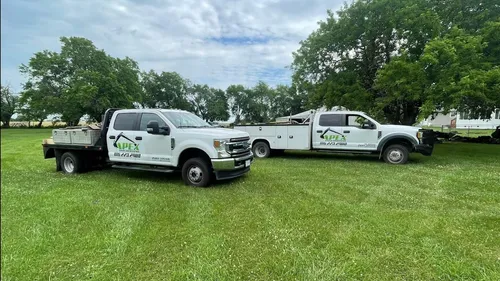
Apex Underground - Sewer & Septic
1006 W Foxwood Dr, Raymore, MO 64083
Apex Underground - Sewer & Septic is a septic system repair and installation company serving Kansas City, MO, and surrounding areas. With over 25 years of experience, they provide commercial and residential septic, sewer, and underground utility services including soil morphology, engineered septic system designs, repairs, and tank replacements. Their licensed team handles complex installations and emergency repairs to maintain the reliability and structural integrity of septic and sewer systems.
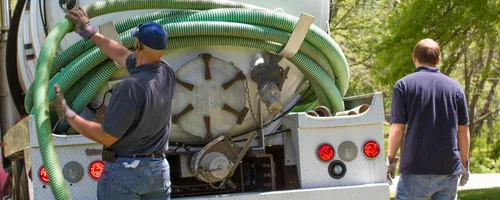
Honey-Wagon Septic And Grease
19546 Metcalf Ave c, Stilwell, KS 66085
Honey-Wagon Septic And Grease is a family-owned company based near Kansas City, MO, specializing in septic tank pumping, grease trap cleaning, and septic system repairs. With nearly 40 years of experience, they serve both residential and commercial customers across Miami, Wyandotte, and Johnson counties in Kansas, as well as Jackson and Cass counties in Missouri. Their certified septic inspectors are available five days a week to assist with inspections and maintenance. The company is fully licensed, bonded, and insured, offering services such as septic tank pumping, holding tank pumping, septic system repairs, and installation of septic risers.
A-1 Sewer & Septic
1891 Merriam Ln, Kansas City, KS 66106
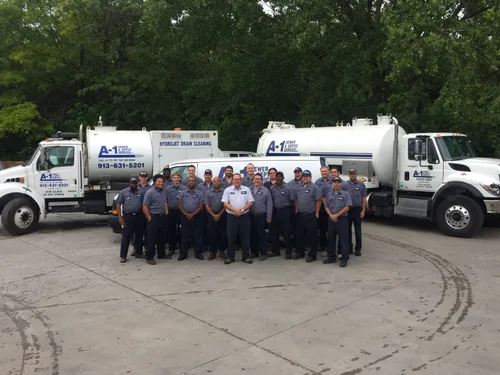
A-1 Sewer & Septic provides plumbing and septic system services in Kansas City, MO. They offer septic tank pumping, septic system repair, drain field repair, and comprehensive drain cleaning services including hydro jetting. Serving residential, commercial, and industrial clients, A-1 Sewer & Septic has been operating since 1968. The company offers same-day emergency and weekend services to address urgent plumbing and septic issues promptly.
Zoom Drain KC
5600 N Antioch Rd Suite 106, Kansas City, MO 64119
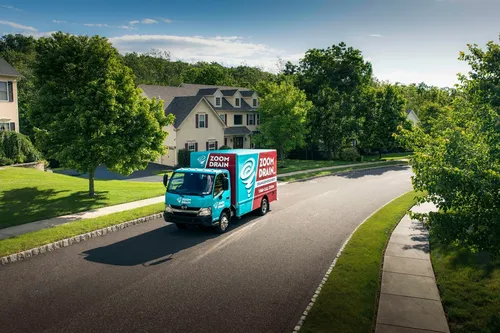
Zoom Drain KC is a drain and sewer service company located in Kansas City, MO. They specialize in residential and commercial drain cleaning, sewer repairs, septic tank pumping, and inspections. The company uses advanced equipment such as video inspection tools and high-pressure jetting to diagnose and clear blockages efficiently. With decades of experience, Zoom Drain KC offers tailored maintenance plans and complies with local plumbing regulations to ensure safe and effective service. They also provide 24/7 emergency drain and rooter services for urgent plumbing needs.
Understanding Septic System Failures
A septic system is a complex, on-site wastewater treatment structure. When one component fails, it can compromise the entire system. Common signs you need septic repair include sewage backups in household drains, gurgling sounds in plumbing, persistent damp areas or lush green grass over the drain field, and unpleasant odors around the tank or drain field area. These symptoms often point to issues like a clogged drain field, a damaged tank, or a malfunctioning distribution box.
In Wyandotte County, the Unified Government Public Health Department (UGPHD) strictly regulates all septic work to prevent contamination of groundwater and soil 1. Ignoring repair needs can lead to more extensive environmental damage, costly property remediation, and potential legal violations.
The Regulatory Landscape: Permits and Professionals
Before any repair work begins in Kansas City, Kansas, you must navigate local permitting. The law is clear: all septic system repairs, alterations, or replacements require a permit from the Environmental Health Division. A crucial rule is that only a Wyandotte County Licensed Septic Installer can apply for this permit and perform the actual repair work. Homeowners cannot pull their own permits for this type of work.
The repair permit application must be submitted by the licensed professional you hire. Starting work before permit approval can result in a significant late fee, reported to be $100 in some jurisdictions 2. The permit fee for reconstruction or repairs is typically modest (approximately $25, but always confirm current rates with the UGPHD), while the cost of the actual repair work varies widely based on the problem 2 3.
Common Types of Septic Repairs
Licensed professionals address a range of issues, from minor fixes to major rehabilitations.
Tank Repairs and Maintenance: The septic tank itself may need attention. This includes repairing or replacing broken inlet or outlet baffles, fixing leaky tank seals, or installing access risers to make future pumping and inspection easier. Regular pumping every 3-5 years is a preventive maintenance task, not a repair, but neglecting it is a common cause of system failure that leads to costly repairs 4.
Drain Field (Lateral Field) Rehabilitation: The drain field is where treated effluent is dispersed into the soil. Problems here are serious. Repairs can involve cleaning clogged perforated pipes using specialized jetting equipment, replacing sections of broken pipe, or repairing a faulty distribution box that controls flow to the field lines 5. In some cases, a new drain field area may need to be constructed.
Component Replacement and Major Work: Sometimes, repair means replacing major components. This includes the sewer line running from your house to the tank, or the entire tank if it has collapsed or deteriorated 6 7. If the soil absorption area has completely failed, a new system-such as a gravity system, low-pressure dosing system, or an advanced treatment unit (ATU)-may be the only compliant solution 8.
Find the perfect septic system repair companies for your needs
Get personalized recommendations and expert advice
The Step-by-Step Repair Process
Engaging a professional for septic system correction follows a structured path to ensure safety and compliance.
- Initial Assessment and Diagnosis: A licensed installer will inspect your system. This often involves locating and pumping the tank, inspecting the baffles and tank integrity, and assessing the drain field using probes or a camera. They identify the root cause of the failure and determine the necessary repairs 9 10.
- Plan Submission and Permitting: The installer develops a repair plan and submits the official "Septic Permit Application" to the Wyandotte County Environmental Health Division on your behalf. They will handle all communications regarding the permit.
- Pre-Cover Inspection: This is a critical regulatory step. Once the repair work is excavated and completed, but before it is covered with soil, the installer must call for a county inspection. The UGPHD requires at least 24-hour advance notice for this inspection 11. The inspector verifies that the work matches the permitted plans and meets all health and construction standards.
- Final Approval and Backfilling: Only after the county inspector approves the work can the installer backfill the excavation. In some cases, a final inspection may be required to ensure proper grading and restoration.
Costs and Considerations for Homeowners
The financial aspect of septic system remediation depends entirely on the problem's scope. A simple component fix like replacing a baffle will cost far less than a full drain field replacement. Septic pumping services in the area generally range from $200 to $300 12. However, major repairs or a partial system replacement can cost several thousand dollars, as they involve significant excavation, materials, and labor 13.
When evaluating quotes, ensure every professional is a Wyandotte County Licensed Septic Installer. Their quote should account for all costs: diagnosis, permit fees, materials, labor, and any required county inspections. Investing in a proper, permitted repair protects your home's value and prevents recurring problems.
What to Do If Your System Fails
A failing system is a public health concern that must be addressed promptly. The official protocol in Wyandotte County states that a failing system must be repaired or replaced. If an inspection determines the existing system cannot be repaired to function properly, you will need a permit for a new, compliant system 14. The county may also require a soil profile analysis for major repairs or replacements, though this service is now performed by private licensed professionals, not the county itself 15.
For official information, permit applications, and to verify a contractor's license, contact the Wyandotte County Environmental Health Division directly at 913-573-6705 or ehs@wycokck.org 16.
Frequently asked questions
Sources
Footnotes
-
Septic Permits - https://www.wycokck.org/Departments/Health/Clean-Safe-Places/Septic-Permits ↩
-
Form Center • Health Permit Application - Request for Instal - https://www.pottcounty.org/FormCenter/Environmental-Health-5/Health-Permit-Application-Request-for-In-50 ↩ ↩2
-
CHAPTER 3. BUILDING AND HOUSING - Douglas County KS - https://www.dgcoks.gov/sites/default/files/media/depts/administration/pdf/county-code-chapter-3-building-and-housing.pdf ↩
-
Septic Tank Maintenance Kansas City | Quality Plumbing in ... - https://qualityplumbing.com/septic-tank-maintenance-kansas-city/ ↩
-
Septic System Installation | ThePlumbingPro.Com - https://theplumbingpro.com/septic-system-installation/ ↩
-
Septic System Repair, Replacement & Installation Pros - https://theplumbingpro.com/septic-system-repair-pros/ ↩
-
Residents - Wycokck.org - https://www.wycokck.org/Departments/Public-Works/Environmental-Services/Residents ↩
-
Septic Systems | Johnson County Kansas - https://www.jocogov.org/department/environment/septic-systems ↩
-
Kansas Septic Tank Requirements | Guide to Installation and ... - https://www.ntotank.com/blog/kansas-septic-tank-requirements ↩
-
Failing Systems - Johnson County Kansas - https://www.jocogov.org/department/environment/septic-systems/failing-systems ↩
-
Inspections & Requirements - https://www.wycokck.org/Departments/Neighborhood-Resource-Center/Building-Inspection/Inspections-and-Requirements ↩
-
Services - Septic & Grease Trap Kansas City - Honey Wagon - https://www.honey-wagonkc.com/services/ ↩
-
What is a Title 5 Septic Inspection? When Do You Need One? - UpNest - https://www.upnest.com/post/title-5-inspection/ ↩
-
SEWAGE TREATMENT | Code of Resolutions | Johnson County, KS - https://library.municode.com/ks/johnson_county/codes/code_of_resolutions?nodeId=PTIVAP_APXBENSACO_CHIISETR_ART12REDE_S5LIRE ↩
-
Environmental Health Division - https://www.wycokck.org/files/assets/public/v/1/health/documents/environmental-health/2025-permits/ugphd-septic-policies-procedures-updated-2024.pdf ↩
-
Septic Permits - https://www.wycokck.org/Departments/Health/Clean-Safe-Places/Septic-Permits ↩