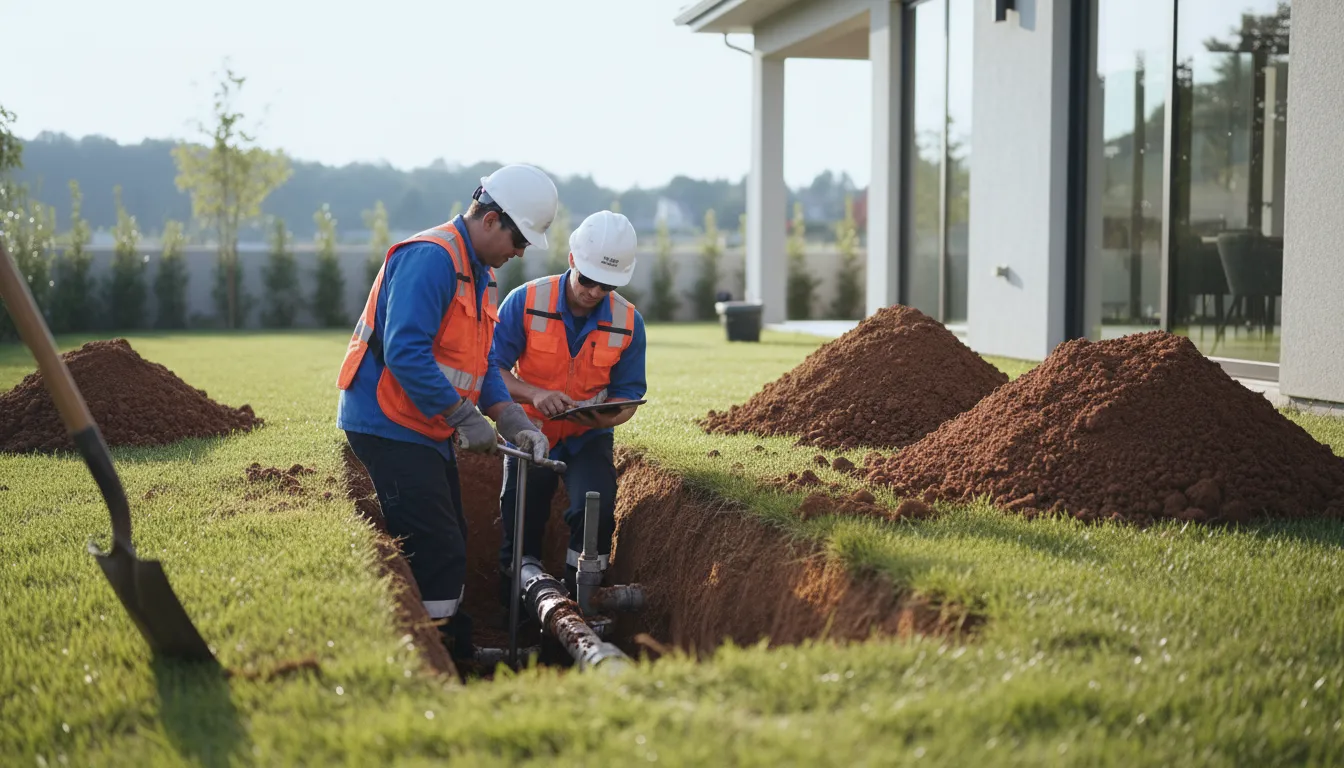
Find the Best Septic System Repair Companies for Your Business
No obligation • Fast responses • Nationwide coverage

Why you can trust Septic Spot
Septic Spot is a leading United States resource for understanding and comparing septic services. Our editors review providers using consistent criteria and verify key business details. Listings and scores are independent, and companies cannot pay to influence our content.
Search providers near you
Top Septic System Repair Companies in Cincinnati, Ohio Ranked
A failing septic system is more than an inconvenience; it's a public health concern and a significant property issue. Septic system repair involves diagnosing and fixing problems with your home's on-site wastewater treatment system, from the tank to the drain field. In Cincinnati and Hamilton County, these repairs are regulated by local and state health departments to protect groundwater and community health. This guide helps you understand the repair process, local requirements, and how to find qualified professionals to restore your system to proper working order.
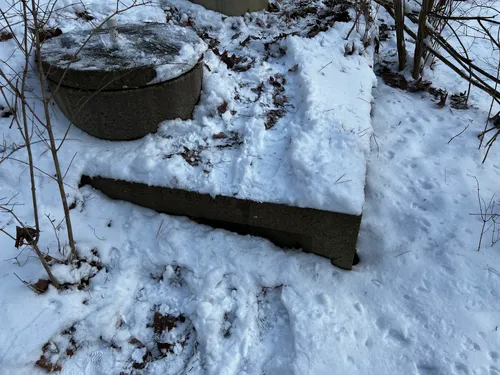
Tank Busters Sewer & Septic
1333 Ohio Pike, Amelia, OH 45102
Tank Busters Sewer & Septic is a septic tank pumping, inspection, and repair company serving Cincinnati, OH. They offer scheduled septic tank pumping, drain cleaning, sewer line repairs, and comprehensive septic system inspections to maintain and protect septic systems. Their services include thorough inspections and expert repairs to address blockages, leaks, or damage in sewer systems. Emergency assistance is available for urgent septic or sewer issues.
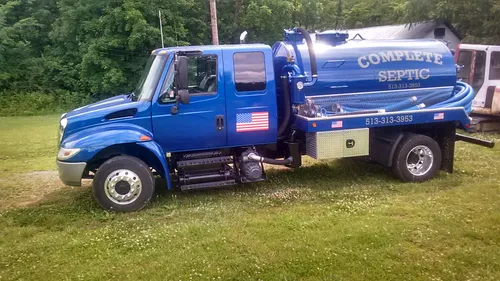
Complete Septic
6380 OH-727, Goshen, OH 45122
Complete Septic is a septic tank pumping and repair company serving Cincinnati, OH, and the surrounding areas including Goshen. With over 40 years of experience, the company offers septic pumping, system repairs, cleaning, and pump replacement services. Complete Septic uses high-end equipment and has the technical expertise to maintain and restore septic systems to proper working condition.
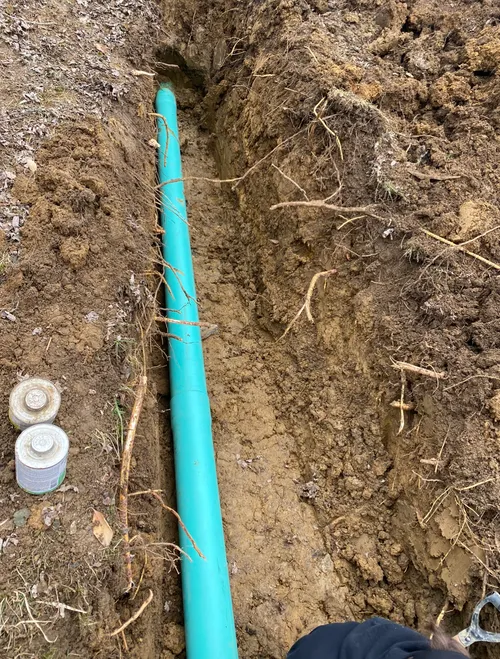
Kremer Plumbing Services
7855 Alexandria Pike SUITE A, Alexandria, KY 41001
Kremer Plumbing Services is a family-owned plumbing company serving Cincinnati, OH, and Northern Kentucky. They specialize in septic system installation and repair, residential and commercial plumbing, gas line services, and drain and pump solutions. With over 30 years of experience and a master plumber on staff, they provide expert plumbing services backed by a 1-year workmanship warranty. Kremer Plumbing Services offers 24/7 emergency availability to address urgent plumbing needs promptly.
Myers Land Service
3359 Patterson Rd, Bethel, OH 45106
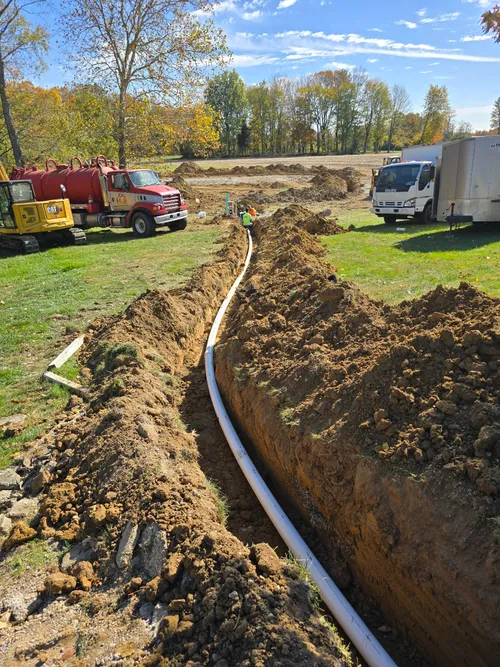
Myers Land Service is an excavation and septic system company based near Cincinnati, OH. They provide septic tank installation and repair along with land clearing, pond construction, demolition, site development, and grading services. Myers Land Service specializes in septic system installation, including split mound systems, and handles projects for residential and commercial builds. The company operates from Bethel, Ohio, and focuses on delivering practical excavation and septic solutions. While the business history is not specified, they emphasize trust and quality in their work.
Ace Sanitation Service
4525 OH-128, Cleves, OH 45002
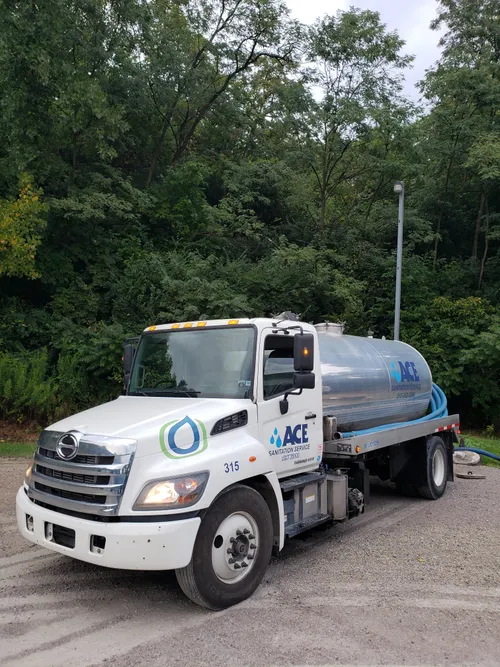
Ace Sanitation Service is a septic system company based in Cincinnati, OH, offering residential and commercial septic tank cleaning, inspection, and repair services. Their capabilities include septic tank motor repair, video camera line inspection, and high velocity jetting. The company also provides specialized services such as restaurant grease trap service and lift station maintenance. Ace Sanitation Service is a certified hauler and supplies chemicals and accessories for septic system care.
Understanding Septic Systems and Common Failures
Your home's septic system is a self-contained wastewater treatment plant. When functioning correctly, it safely processes household water from toilets, showers, sinks, and appliances. A system failure, however, can lead to sewage backups, foul odors, and contaminated groundwater. Common signs you may need septic system repair include:
- Slow-draining sinks and toilets.
- Gurgling sounds in plumbing.
- Sewage odors in the yard or home.
- Standing water or overly lush grass over the drain field.
- Sewage backing up into drains.
In Ohio, a system is considered failing if it cannot accept wastewater or causes a nuisance or public health hazard. When these signs appear, prompt action is required.
Cincinnati and Hamilton County Repair Regulations
Septic work in the Cincinnati area is not a simple DIY project. Major repairs, alterations, or replacements require permits and must be performed by registered service providers. The regulatory landscape involves several key agencies:
- Hamilton County Public Health (HCPH): Oversees sewage treatment systems in the county, including permitting for new installations and major repairs.
- City of Cincinnati Health Department: Manages household sewage systems within city limits, with its own permitting and inspection processes.
- Ohio Department of Health (ODH) & Ohio EPA: Set statewide rules for Household Sewage Treatment Systems (HSTS), including operation permits and discharge regulations.
A critical rule for homeowners to know is the 30-day correction mandate. If a system failure is identified, you typically have 30 days to begin corrective action. Failure to do so can result in the case being referred to the local Board of Health or prosecutor for legal action 1. Furthermore, if you sell your property, the septic system's operation permit must be formally transferred through the Ohio EPA.
The Septic Repair Process: From Inspection to Solution
Professional septic system correction follows a structured path.
1. Initial Inspection and Diagnosis The first step is always a thorough evaluation by a registered inspector. This isn't just a quick look; it involves checking the tank for cracks and structural integrity, measuring sludge and scum levels to assess capacity, and inspecting the drain field for signs of failure like standing water 2. For real estate transactions, these inspections are particularly detailed and result in a formal report 2.
2. Obtaining Necessary Permits For most repairs beyond minor component swaps, you or your contractor will need to obtain a permit from the local health authority (HCPH or the City of Cincinnati) 3 4. The permit process ensures the proposed repair complies with current health and environmental codes.
3. Common Types of Septic Repairs The nature of the fix depends on the diagnosis. Common septic system repairs in the Cincinnati area include:
- Component Replacement: This is often the simplest fix. It involves replacing worn parts like tank baffles, access risers, effluent filters, pumps, or aerators in advanced treatment systems.
- Lateral Line Repair: The drain field (or leach field) is a network of perforated pipes. If these pipes are clogged, crushed, or damaged, they may need to be cleaned (jetting) or partially replaced.
- Tank Replacement: If the septic tank itself is cracked, corroded, or structurally unsound, it must be excavated and replaced with a new, modern tank 5.
- Full System Upgrade or Replacement: In cases of severe failure or when soil conditions no longer support the existing system, a full upgrade may be necessary. This could involve installing a more advanced treatment system, like an aerobic treatment unit (ATU), or even an elevated mound system for properties with poor soil drainage 6 7.
Find the perfect septic system repair companies for your needs
Get personalized recommendations and expert advice
Costs and Financial Considerations for Septic Work
Understanding potential costs helps in planning. It's important to get multiple estimates from registered contractors. Here's a general breakdown based on available data:
- Routine Inspection: A standard inspection can cost between $200 and $900, with higher fees for comprehensive real estate inspections 8.
- Maintenance: Annual servicing of mechanical components like aerators or pumps often ranges from $100 to $200 9.
- Pumping: Regular tank pumping (recommended every 2-5 years) typically costs $100 to $200 10.
- Repair/Replacement: This is where costs vary most widely. A simple component repair may cost a few hundred dollars, while a full drain field or system replacement can run into the tens of thousands. The final price depends on system size, soil conditions, and the extent of the problem.
Financial Assistance: Ohio homeowners should be aware of potential help. The Ohio EPA administers a Home Sewage Treatment Systems (HSTS) Financial Assistance Program that provides funding for repairs or replacements for eligible low-to-moderate income households. It's worth checking if you qualify for such programs.
Choosing a Qualified Septic Repair Provider in Cincinnati
Not all plumbers or contractors are qualified for septic work. In Ohio, providers must be registered with the state 11. When searching for a septic repair service, ensure they are:
- Registered with the Ohio Department of Health to perform sewage treatment system work.
- Familiar with local codes for Hamilton County and the City of Cincinnati.
- Willing to pull the required permits for the job.
- Insured and licensed for excavation and plumbing work.
- Able to provide references from local jobs.
A reputable professional will conduct a thorough inspection, explain the problem and proposed solution clearly, provide a detailed written estimate, and handle the permitting process with the local health department.
Maintaining Your System Post-Repair
After a successful septic system fix, proper maintenance is key to preventing future failures. Ohio law now requires a service contract for many types of systems, mandating regular inspections by a registered professional 12 13. Even if not legally required for your system, adhering to a maintenance schedule is wise. This includes regular pumping, avoiding flushing harmful chemicals or non-biodegradables, and conserving water to reduce load on the system. Keeping detailed records of all inspections, pumping, and repairs is also crucial for your own reference and for any future property sale.
Frequently asked questions
Sources
Footnotes
-
Information for Homeowners - https://odh.ohio.gov/know-our-programs/sewage-treatment-systems/INFORMATION-FOR-HOMEOWNERS ↩
-
Septic Inspections for Real Estate in Ohio | SepTek - https://www.septekservices.com/2025/06/19/what-to-expect-during-a-septic-inspection-for-real-estate-transactions-in-ohio/ ↩ ↩2
-
Sewage Treatment Systems - Hamilton County Public Health - https://hamiltoncountyhealth.org/services/water-quality/new-sewage-treatment-systems/ ↩
-
Household Sewage - Health - https://www.cincinnati-oh.gov/health/chd-programs/environmental-health/household-sewage/ ↩
-
Septic Repair vs Replacement in Ohio | SepTek Guide - https://www.septekservices.com/2025/05/22/the-difference-between-septic-repair-and-replacement-which-is-right-for-your-ohio-home/ ↩
-
Household Sewage Treatment Systems (HSTS)- NPDES - Ohio EPA - https://epa.ohio.gov/divisions-and-offices/surface-water/permitting/discharging-household-sewage-treatment-systems-general-permits ↩
-
Septic Test Hole Application in Idaho - https://freemansconstruction.com/septic-test-hole-application-idaho/ ↩
-
How Much Does a Septic Inspection Cost? [2026 Data] - Angie's List - https://www.angi.com/articles/septic-inspection-cost.htm ↩
-
STS Components, Systems and Maintenance - https://odh.ohio.gov/know-our-programs/sewage-treatment-systems/information-for-homeowners/sts-components-systems-and-maintenance ↩
-
Home Sewage Treatment Systems (HSTS) - Ohio EPA - https://epa.ohio.gov/wps/portal/gov/epa/divisions-and-offices/environmental-financial-assistance/financial-assistance/home-sewage-treatment-systems-hsts ↩
-
Information for Contractors - Ohio Department of Health - https://odh.ohio.gov/know-our-programs/sewage-treatment-systems/INFORMATION-FOR-CONTRACTORS ↩
-
Septic Systems | Clermont County Public Health - https://ccphohio.org/septic-system-operation-permits/ ↩
-
New Ohio septic rules require regular maintenance - https://www.cincinnati.com/story/news/2015/09/22/new-ohio-septic-rules-require-regular-maintenance/72643506/ ↩