Find the Best Septic System Repair Companies for Your Business
No obligation • Fast responses • Nationwide coverage

Why you can trust Septic Spot
Septic Spot is a leading United States resource for understanding and comparing septic services. Our editors review providers using consistent criteria and verify key business details. Listings and scores are independent, and companies cannot pay to influence our content.
Search providers near you
Top Septic System Repair Companies in Dayton, Ohio Ranked
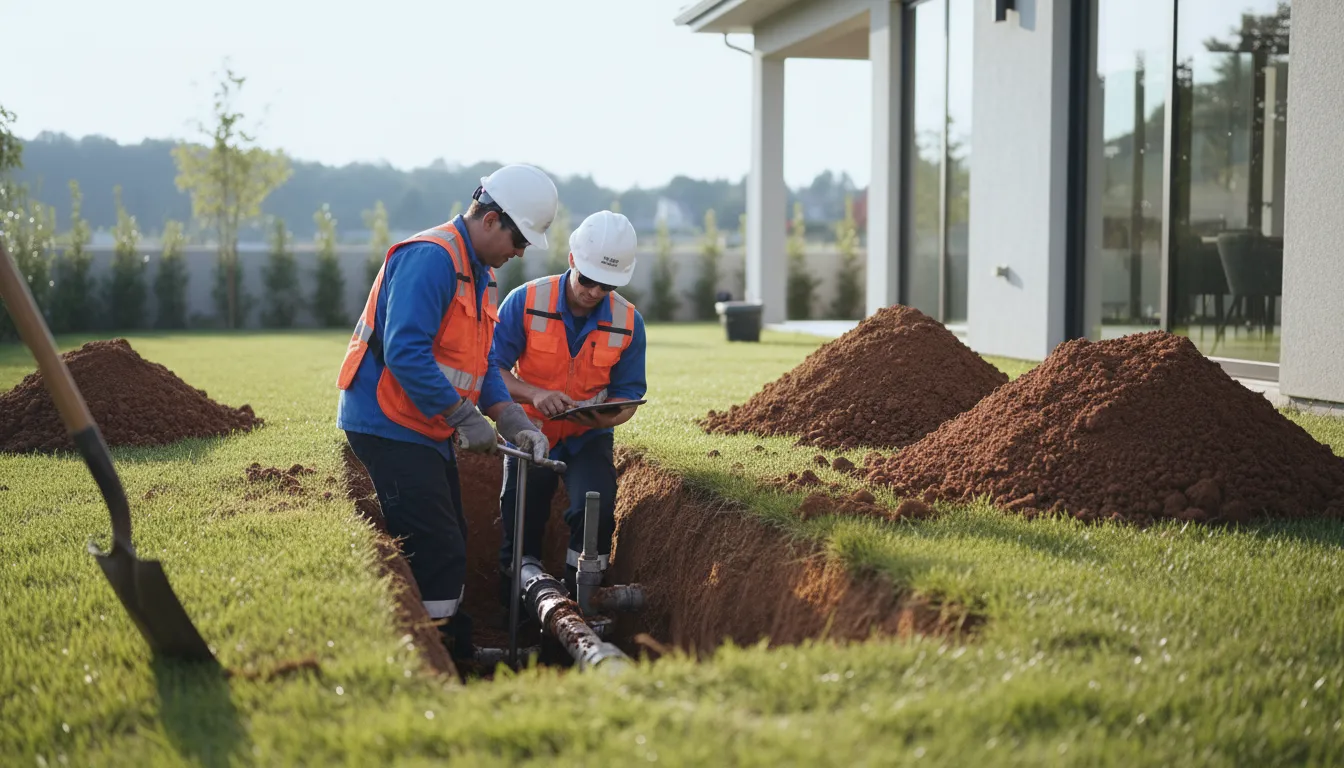
A failing septic system is more than an inconvenience; it's a serious health and environmental hazard that requires prompt, professional attention. Septic system repair involves diagnosing and fixing issues with your home's on-site wastewater treatment system, from the tank to the drain field. In Dayton, these repairs are regulated by local health authorities to protect groundwater and public safety. This guide will help you understand the repair process, local regulations, and how to find qualified professionals to restore your system to proper working order.
Apex Pros Plumbing, Electrical, Heating and Air
5450 Far Hills Ave Suite 209, Dayton, OH 45429
Apex Pros Plumbing, Electrical, Heating and Air provides a range of home services in Dayton, OH, including septic tank pumping, inspection, and septic system repair. The company also offers heating, cooling, plumbing, and electrical services, with experienced technicians using quality parts and tools. Apex Pros is known for handling various plumbing challenges such as clogged drains and sewer repairs, and they provide advanced drain cleaning techniques. Their team includes NATE-certified technicians skilled in HVAC and plumbing systems. They serve the Dayton area and emphasize thorough, reliable work.
A to Z Septic and Pumping
Dayton, OH
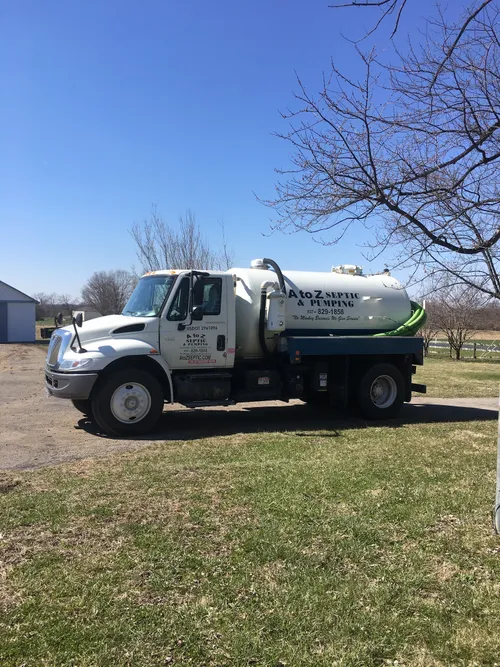
A to Z Septic and Pumping provides a range of septic services in Dayton, OH, including septic tank pumping, inspection, installation, and repair. They also handle drain field repair and grease trap cleaning for both residential and commercial customers. The company offers expertise in maintaining and installing septic systems, ensuring effective wastewater disposal and environmental protection. Their services include emergency septic tank repairs and dumpster rentals for additional waste disposal needs. A to Z Septic and Pumping serves the Dayton area with experienced plumbing professionals who assist customers in managing wastewater safely and efficiently.
Understanding Your Septic System and Common Failures
Your home's septic system is a complex, buried network designed to treat household wastewater. When functioning correctly, it safely processes water from your toilets, showers, sinks, and laundry. A failure occurs when the system can no longer effectively treat or dispose of this effluent. Common signs you might need septic repair services include slow-draining fixtures, sewage backups into the home, foul odors around the tank or drain field area, and unusually soggy or lush grass over the leach field.
In Dayton and across Montgomery County, these systems are officially known as Household Sewage Treatment Systems (HSTS), and their operation falls under specific state and local codes. Understanding the basic components-the tank, where solids settle and decompose, and the drain field, where liquid effluent is filtered through the soil-is the first step in diagnosing problems that require professional septic repair.
When Do You Need a Septic System Repair?
Not every issue signals a catastrophic failure. Some problems are minor and easily fixed, while others indicate a system in distress. Here are typical scenarios that call for repair work:
- Component Failure: This includes broken or corroded inlet/outlet baffles in the tank, damaged tank lids or risers, or a clogged effluent filter. These are common septic tank repairs that can often be addressed without a full system replacement.
- Structural Damage: Cracks in the concrete tank, damaged pipe connections, or a collapsed tank wall are serious issues that can lead to groundwater contamination and require immediate repair.
- Drain Field Problems: This is often the most complex and costly type of repair. Symptoms include sewage surfacing in your yard, persistent soggy soil, or sewage backups. Causes can include biomat buildup, compaction, root intrusion, or soil saturation 1 2.
- System Age and Wear: Septic systems have a finite lifespan, typically 20-30 years. Older systems are more prone to failures that go beyond simple fixes and may be nearing the end of their serviceable life.
Dayton and Ohio Regulations for Septic Repairs
All septic system work in Ohio must comply with the Ohio Administrative Code (OAC) Chapter 3701-29 and the rules of your local health district. Public Health - Dayton & Montgomery County oversees these regulations locally. A key rule for homeowners to know is the permit requirement.
A permit from the local health department is required for any alteration or replacement of a sewage treatment system. However, routine pumping and minor repairs-such as repairing lids, replacing baffles, or cleaning effluent filters-typically do not require a permit, provided they are performed by a state-registered contractor 3. This distinction is crucial; always verify with your contractor whether the planned work needs a permit.
Furthermore, Ohio law requires that all septic systems be under an Operation and Maintenance (O&M) plan 4 5. These plans usually mandate a professional inspection every 3 years for conventional systems and annually for systems with pumps or other mechanical components. Staying on top of this maintenance is the best way to identify small problems before they become major, costly repairs.
The Professional Repair Process: What to Expect
When you hire a qualified septic repair company in Dayton, they should follow a systematic process to diagnose and resolve your issue.
- Inspection and Diagnosis: The technician will first locate and open all access ports. They will measure the scum and sludge layers in the tank, inspect for cracks or corrosion, check the integrity of baffles and filters, and evaluate the condition of the drain field for signs of failure like wetness or odors 6. This inspection will determine the exact nature and extent of the repair needed.
- Permitting (If Required): For major repairs or alterations, your contractor will handle pulling the necessary permit from Public Health - Dayton & Montgomery County 7.
- Execution of Repair: Common septic system fixes include:
- Tank Repairs: Patching cracks, repairing or replacing inlet/outlet baffles, and fixing damaged pipe connections.
- Riser Installation: Adding risers to bring tank access lids to the surface for easier future maintenance and inspection.
- Drain Field Remediation: This can range from clearing root intrusions and jetting pipes to more intensive solutions like installing a new replacement leach field area.
- Final Inspection and Approval: For permitted work, the local health department will often require a final inspection to ensure the repair meets all code requirements before the system is put back into service.
Find the perfect septic system repair companies for your needs
Get personalized recommendations and expert advice
Septic Repair vs. Complete System Replacement
A critical decision for homeowners is whether to repair the existing system or replace it entirely. A reputable contractor will help you weigh the factors.
Repair is often viable when:
- The problem is isolated to a single component (e.g., a broken baffle or clogged filter).
- The tank is structurally sound but has minor cracks that can be patched.
- Only a portion of the drain field has failed, and the system has enough suitable soil area for a replacement field expansion.
Replacement is typically necessary when:
- The septic tank has suffered major structural failure (severe cracking, collapse).
- The drain field has completely failed and cannot be remediated.
- The system is very old (often 30+ years) and repeated repairs are no longer cost-effective.
- Changes in soil conditions or water table render the existing system design obsolete 8.
Replacement is a larger project that always requires a permit and must be designed and installed according to current health code standards.
Financial Assistance for Septic Repairs in Dayton
The cost of a major septic repair or replacement can be significant. Fortunately, financial assistance may be available for eligible homeowners in Ohio. The primary program is the Water Pollution Control Loan Fund (WPCLF), administered by the Ohio Environmental Protection Agency with local health districts like Public Health - Dayton & Montgomery County acting as partners 9.
This program provides low-interest loans and, for qualifying low-income homeowners, principal forgiveness (which functions like a grant) to address failing septic systems. The goal is to protect public health and water quality by removing financial barriers to necessary repairs. Homeowners apply directly through their local health district, which then works with approved contractors to complete the work 10. If you are concerned about affordability, contacting Public Health - Dayton & Montgomery County to inquire about the WPCLF program is a highly recommended first step.
Choosing a Qualified Septic Repair Contractor in Dayton
Selecting the right professional is paramount. Always choose a contractor who is registered with the Ohio Department of Health to perform sewage treatment system work 11. You can verify a contractor's registration status through the state or your local health department. Look for companies with extensive local experience, proper insurance, and a willingness to pull permits when required. Be wary of quotes that seem unusually low, as they may not include necessary permits or may cut corners that could lead to code violations and future problems.
Frequently asked questions
Sources
Footnotes
-
Dayton Septic Tank Services | Apex Pros - https://apexpros.com/dayton/sewer/septic-tank-repair/ ↩
-
Preparing for Septic Tank Inspection: 7 Key Steps - https://septic911.com/preparing-for-septic-tank-inspection/ ↩
-
Information for Homeowners - https://odh.ohio.gov/know-our-programs/sewage-treatment-systems/INFORMATION-FOR-HOMEOWNERS ↩
-
Understanding Ohio's Septic System Regulations - https://checkmateohio.com/understanding-ohios-septic-system-regulations/ ↩
-
Household Sewage Treatment Systems (HSTS)- NPDES - Ohio EPA - https://epa.ohio.gov/divisions-and-offices/surface-water/permitting/discharging-household-sewage-treatment-systems-general-permits ↩
-
Septic Inspections for Real Estate in Ohio | SepTek - https://www.septekservices.com/2025/06/19/what-to-expect-during-a-septic-inspection-for-real-estate-transactions-in-ohio/ ↩
-
Sewage Treatment Systems - Public Health - Dayton & Montgomery ... - https://www.phdmc.org/programs-a-to-z/household-sewage-treatment-system-program ↩
-
Septic Repair vs Replacement in Ohio | SepTek Guide - https://www.septekservices.com/2025/05/22/the-difference-between-septic-repair-and-replacement-which-is-right-for-your-ohio-home/ ↩
-
Home Sewage Treatment Systems (HSTS) - Ohio EPA - https://epa.ohio.gov/wps/portal/gov/epa/divisions-and-offices/environmental-financial-assistance/financial-assistance/home-sewage-treatment-systems-hsts ↩
-
Sewage Treatment Systems - https://www.fairfieldhealth.org/Environmental-Division/FDH-Household-Sewage-Treatment-Systems.html ↩
-
Information for Contractors - Ohio Department of Health - https://odh.ohio.gov/know-our-programs/sewage-treatment-systems/INFORMATION-FOR-CONTRACTORS ↩