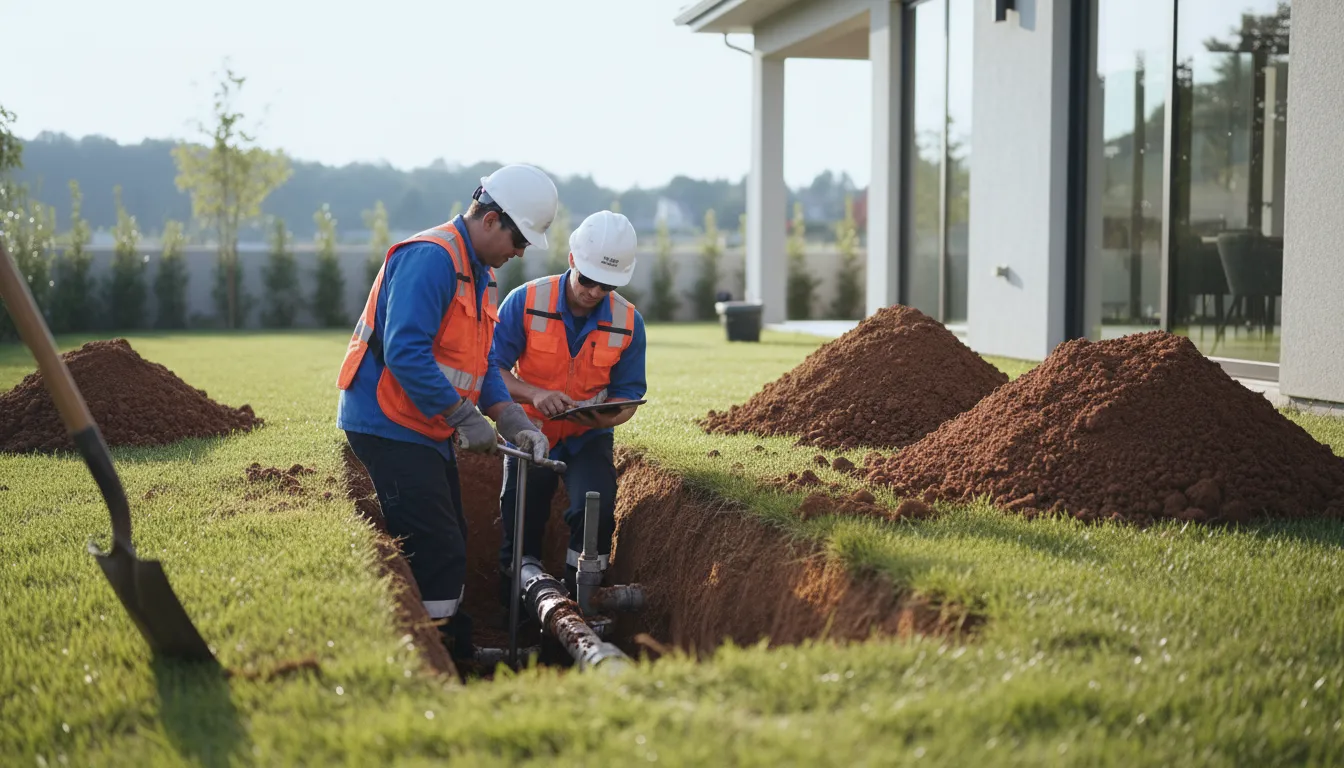
Find the Best Septic System Repair Companies for Your Business
No obligation • Fast responses • Nationwide coverage

Why you can trust Septic Spot
Septic Spot is a leading United States resource for understanding and comparing septic services. Our editors review providers using consistent criteria and verify key business details. Listings and scores are independent, and companies cannot pay to influence our content.
Search providers near you
Top Septic System Repair Companies in Cleveland, Ohio Ranked
A properly functioning septic system is essential for the health, safety, and value of your Cleveland home. When components fail or performance declines, timely septic system repair is critical to prevent environmental contamination, costly property damage, and violations of local health codes. This guide explains common repair needs, the regulatory landscape in Cuyahoga County, and how to find qualified, registered professionals to restore your system to proper working order.
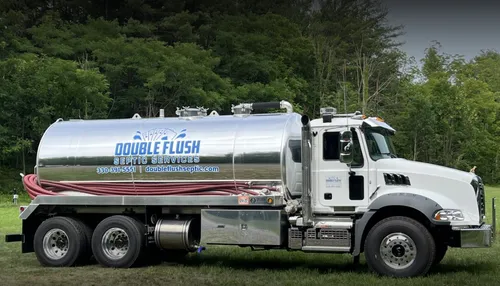
Double Flush Septic Services
2481 Remsen Rd, Medina, OH 44256
Double Flush Septic Services is a family-owned company based in Medina, OH, providing septic system installation, pumping, inspection, and repair services throughout Akron and the surrounding Northeast Ohio counties. They serve a broad area including Medina, Summit, Stark, Wayne, and Cuyahoga counties, offering expertise in maintaining and repairing septic tanks, drain fields, and aeration systems such as Norweco, Hydro-Action, and Marlow-Hunter. The company also provides emergency septic services and commercial grease trap cleaning, with capabilities like hydro jetting and drain snaking to address severe blockages. Double Flush Septic Services emphasizes local knowledge of Ohio's climate and soil conditions to support system longevity and functionality.
A & P Septic LLC
Cleveland, OH
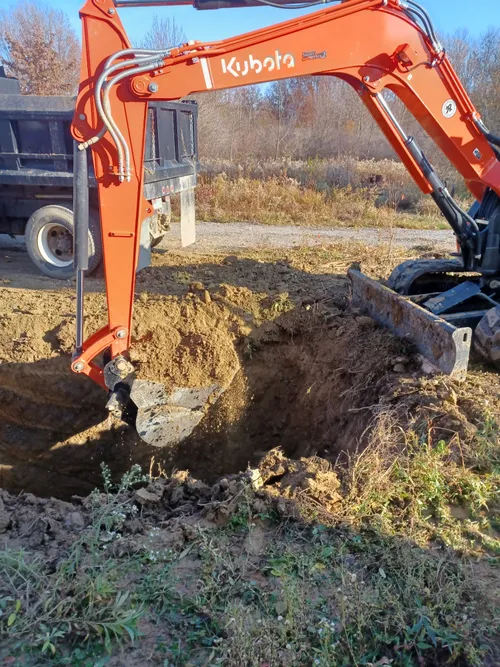
A & P Septic LLC provides septic system installation, cleaning, repair, and inspection services in Cleveland, OH. They serve Northeast Ohio with a focus on preventative maintenance to help avoid costly repairs and maintain system health. Their capabilities include septic tank pumping, sewer line services, and designed mound installations. The company emphasizes regular septic system inspections and pumping every few years to ensure trouble-free performance.

A & P Septic LLC
Cleveland, OH
A & P Septic LLC provides septic system installation, cleaning, repair, and maintenance services in Cleveland, OH. They serve Northeast Ohio with septic tank pumping, inspections, sewer line work, and excavation. The company emphasizes preventative maintenance to help avoid costly repairs and system failures. Their team is experienced in handling septic and aeration systems, water lines, and designed mounds, offering comprehensive septic solutions.
Sitework Developing Inc.
Cleveland, OH
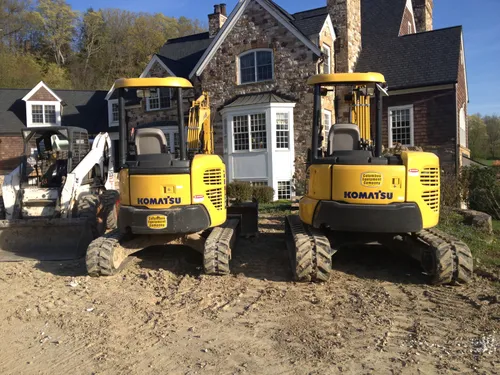
Sitework Developing Inc. is a full-service excavating contractor based in Cleveland, OH. They offer a range of services including site development, excavation, basement waterproofing, drainage, and septic system repair for both residential and commercial projects. The company owns and maintains its own equipment and trains its own crews to ensure quality and safety. Since 1999, Sitework Developing Inc. has maintained an A+ rating with the Better Business Bureau, reflecting their commitment to delivering projects on time and on budget. Their service area includes Cleveland and surrounding communities such as Aurora, Beachwood, and Solon.
Geauga Septic Service LLC
Cleveland, OH
Geauga Septic Service LLC is a family-owned septic service provider based near Cleveland, OH, serving residential and commercial clients in Newbury and the surrounding counties including Cuyahoga, Geauga, Lake, and Portage. Established in 1960, the company offers a range of septic services such as pumping, sludge transport, system cleaning, inspections, repairs, and septic system replacements. They are licensed by the Board of Health in multiple counties and provide emergency septic services when needed.
Understanding Septic System Repairs in Cleveland
In Ohio, residential septic systems are regulated by local health departments, such as the Cuyahoga County Board of Health (CCBH), under state rules established by the Ohio Department of Health (ODH) 1. Any significant repair work must be performed by a state-registered contractor. Repairs can range from simple component replacements to complex interventions addressing a failing drain field, with costs varying widely based on the system's age, type, and the extent of the problem.
All household sewage treatment systems (HSTS) in the county must be maintained under a formal Operation and Maintenance (O&M) service contract with a registered provider. This isn't just a recommendation-it's a requirement that ensures your system is inspected and serviced regularly, catching minor issues before they escalate into major, expensive failures.
Common Types of Septic Repairs
Component Replacement and Repair
Over time, specific parts of your septic system can wear out or break. Common fixes include:
- Baffles and Outlet Tees: Replacing broken or deteriorated inlet/outlet baffles is crucial for preventing solids from escaping into the drain field.
- Risers and Lids: Installing or replacing risers brings tank access to the surface for easier inspection and pumping, while securing new lids ensures safety and prevents surface water infiltration.
- Pumps and Float Switches: For systems with a pump tank, repairing or replacing malfunctioning effluent pumps or control floats is often necessary to move wastewater to the drain field.
Drain Field Rehabilitation
The soil absorption area, or drain field, is where final treatment occurs. Problems here are serious but sometimes repairable without full replacement.
- Cleaning and Jetting: Professionals can use high-pressure water jetting to clear minor clogs in distribution pipes.
- System Additives: In some cases, specific bacterial or enzyme treatments may be used to help break down biomat-a layer that can slow drainage-though their effectiveness varies and should be guided by a professional.
- Partial Replacement: If only a section of the field has failed, it may be possible to repair or replace just that portion.
Advanced Treatment System Maintenance
Many modern systems in Ohio include advanced components like aerators, filters, or media filters. Repairs for these systems are more specialized and can include:
- Aerator Maintenance: Cleaning diffusers, checking air pumps, and ensuring proper oxygenation in aerobic treatment units (ATUs).
- Filter Servicing: Cleaning or replacing effluent filters and sand or peat filter media.
Full System Replacement
When a system is too old, damaged, or undersized, and cannot be repaired to meet current health standards, a full septic system replacement becomes necessary. This is a major project involving new tank installation and constructing a new drain field in a suitable location on your property, often costing several thousand dollars2 3.
The Repair Process: From Inspection to Completion
Step 1: Professional Inspection and Diagnosis
You can't fix what you haven't properly diagnosed. A thorough inspection by a registered contractor is the essential first step. This process typically involves:
- Locating & Accessing the tank, distribution boxes, and drain field.
- Tank Inspection: Measuring sludge and scum levels (sludge should not exceed one-third of the tank's depth) 4.
- Structural Check: Looking for cracks, corrosion, or signs of overflow in the tank.
- System Operation Check: Evaluating pumps, floats, and the flow of effluent to the drain field5 6 7.
Step 2: Understanding Permits and Regulations
Before work begins, know the rules. In Cuyahoga County:
- Minor repairs (like replacing a riser lid) may not require a permit.
- Most repair work, especially involving component replacement or alterations to the system, does require a permit from the local health district.
- Your registered contractor should handle the permit application process, ensuring the proposed repairs comply with Ohio Administrative Code Chapter 3701-29.
Step 3: Executing the Repair
Once diagnosed and permitted, the contractor will perform the necessary work. This should always be followed by a final inspection, often by the health department or the contractor themselves, to certify the repair is complete and the system is operational.
Find the perfect septic system repair companies for your needs
Get personalized recommendations and expert advice
Costs and Financial Considerations for Septic Repairs
Repair costs in Cleveland depend entirely on the issue. Here's a general breakdown based on available data:
- Inspection Cost: A professional inspection to diagnose problems typically ranges from $200 to $900, with an average around $5508.
- Basic Repairs: Simple fixes like replacing a baffle or pump switch often cost under $5009.
- Major Repairs: Addressing drain field issues or replacing major components can cost several thousand dollars.
- Annual Maintenance: Budgeting $100 to $200 annually for routine inspection and mechanical servicing of advanced systems is a wise investment to avoid larger repairs10.
Financial Assistance for Homeowners
Facing a major repair or replacement can be financially daunting. Ohio homeowners should explore the Home Sewage Treatment Systems (HSTS) Program administered by the Ohio Environmental Protection Agency (EPA). This program provides funding opportunities, including low-interest loans and grants, for repairing or replacing failing systems. Application is made through your local health department11.
Maintaining Your System to Avoid Future Repairs
The best repair is the one you never need. Adhering to a strict maintenance schedule is the most effective way to protect your investment.
- Pump Regularly: The Ohio Department of Health recommends pumping your tank every 2 to 5 years, depending on household size and usage.
- Annual Inspections: Have a registered provider inspect mechanical components (pumps, aerators, alarms) annually.
- Mind What You Flush: Only human waste and toilet paper should go down the drain. Avoid grease, chemicals, wipes, and excessive water use.
Frequently asked questions
Sources
Footnotes
-
Household Sewage Operation & Management Program | CCBH - https://ccbh.net/household-sewage-management/ ↩
-
Information for Homeowners - https://odh.ohio.gov/know-our-programs/sewage-treatment-systems/INFORMATION-FOR-HOMEOWNERS ↩
-
Septic Repair vs Replacement in Ohio | SepTek Guide - https://www.septekservices.com/2025/05/22/the-difference-between-septic-repair-and-replacement-which-is-right-for-your-ohio-home/ ↩
-
Septic Inspections for Real Estate in Ohio | SepTek - https://www.septekservices.com/2025/06/19/what-to-expect-during-a-septic-inspection-for-real-estate-transactions-in-ohio/ ↩
-
Household Sewage Treatment Systems (HSTS)- NPDES - Ohio EPA - https://epa.ohio.gov/divisions-and-offices/surface-water/permitting/discharging-household-sewage-treatment-systems-general-permits ↩
-
How to Get Septic to Pass Inspection - https://www.guardianangelinspections.com/how-to-get-septic-to-pass-inspection ↩
-
The Importance of Septic Inspections for Homeowners - Advantage NC Home Inspection - https://advantagenc.com/the-importance-of-septic-inspections-for-homeowners/ ↩
-
How Much Does a Septic Inspection Cost? [2026 Data] - Angie's List - https://www.angi.com/articles/septic-inspection-cost.htm ↩
-
Information for Contractors - Ohio Department of Health - https://odh.ohio.gov/know-our-programs/sewage-treatment-systems/INFORMATION-FOR-CONTRACTORS ↩
-
STS Components, Systems and Maintenance - https://odh.ohio.gov/know-our-programs/sewage-treatment-systems/information-for-homeowners/sts-components-systems-and-maintenance ↩
-
Home Sewage Treatment Systems (HSTS) - Ohio EPA - https://epa.ohio.gov/wps/portal/gov/epa/divisions-and-offices/environmental-financial-assistance/financial-assistance/home-sewage-treatment-systems-hsts ↩