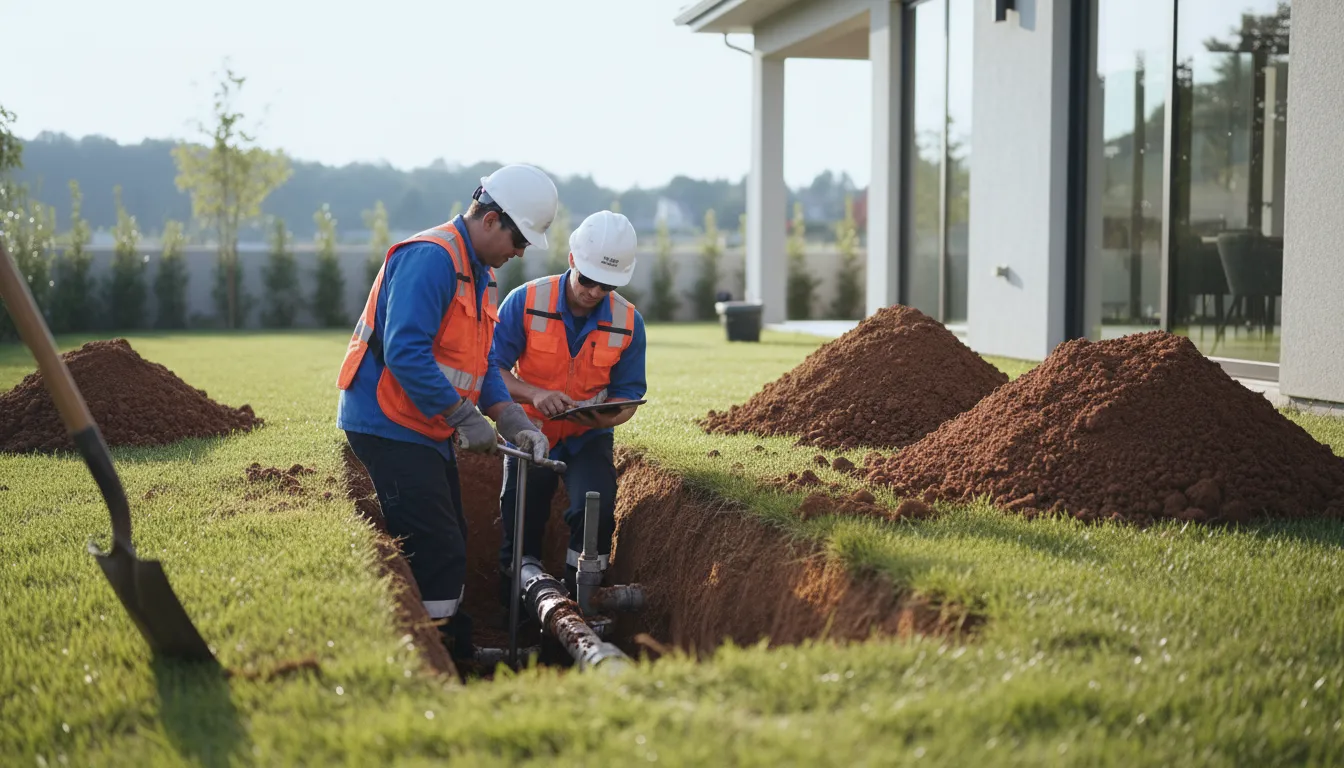
Find the Best Septic System Repair Companies for Your Business
No obligation • Fast responses • Nationwide coverage

Why you can trust Septic Spot
Septic Spot is a leading United States resource for understanding and comparing septic services. Our editors review providers using consistent criteria and verify key business details. Listings and scores are independent, and companies cannot pay to influence our content.
Search providers near you
Top Septic System Repair Companies in Cleveland Heights, Ohio Ranked
Maintaining a functional septic system is crucial for the health of your home and the local environment in Cleveland Heights. When issues arise, timely and proper septic system repair is essential to prevent backups, property damage, and public health concerns. This guide explains the local regulations, common repair types, and maintenance practices to help you navigate the process of finding qualified professionals to service your home sewage treatment system.
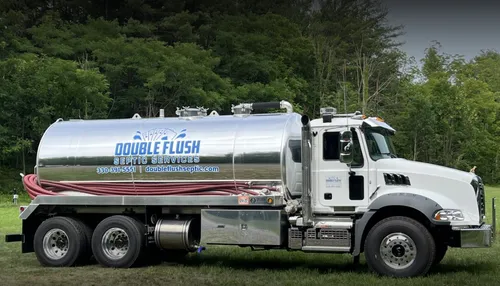
Double Flush Septic Services
2481 Remsen Rd, Medina, OH 44256
Double Flush Septic Services is a family-owned company based in Medina, OH, providing septic system installation, pumping, inspection, and repair services throughout Akron and the surrounding Northeast Ohio counties. They serve a broad area including Medina, Summit, Stark, Wayne, and Cuyahoga counties, offering expertise in maintaining and repairing septic tanks, drain fields, and aeration systems such as Norweco, Hydro-Action, and Marlow-Hunter. The company also provides emergency septic services and commercial grease trap cleaning, with capabilities like hydro jetting and drain snaking to address severe blockages. Double Flush Septic Services emphasizes local knowledge of Ohio's climate and soil conditions to support system longevity and functionality.
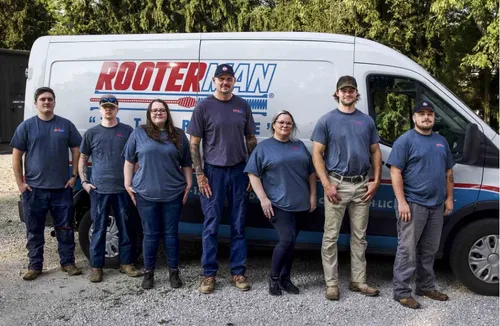
Rooter Man
195 Potomac Ave Unit B, Tallmadge, OH 44278
Rooter Man is a family-owned plumbing company serving Akron, OH, and surrounding areas including Summit, Stark, and Portage counties. They offer a wide range of services including septic tank pumping, inspection, repair, and installation, along with drain cleaning, sewer line repair, and water heater services. With over 50 years of experience, Rooter Man uses advanced tools such as hydro jetting and video pipe inspections to address plumbing and septic system issues efficiently. The company provides emergency service seven days a week to handle urgent plumbing needs.
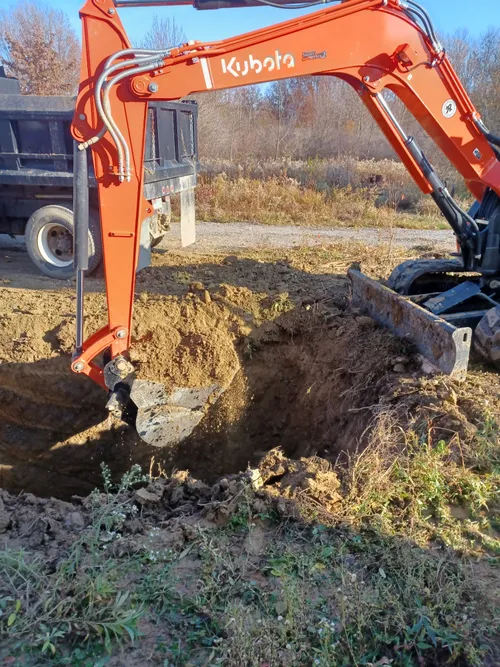
A & P Septic LLC
Cleveland, OH
A & P Septic LLC provides septic system installation, cleaning, repair, and inspection services in Cleveland, OH. They serve Northeast Ohio with a focus on preventative maintenance to help avoid costly repairs and maintain system health. Their capabilities include septic tank pumping, sewer line services, and designed mound installations. The company emphasizes regular septic system inspections and pumping every few years to ensure trouble-free performance.

A & P Septic LLC
Cleveland, OH
A & P Septic LLC provides septic system installation, cleaning, repair, and maintenance services in Cleveland, OH. They serve Northeast Ohio with septic tank pumping, inspections, sewer line work, and excavation. The company emphasizes preventative maintenance to help avoid costly repairs and system failures. Their team is experienced in handling septic and aeration systems, water lines, and designed mounds, offering comprehensive septic solutions.
Sitework Developing Inc.
Cleveland, OH
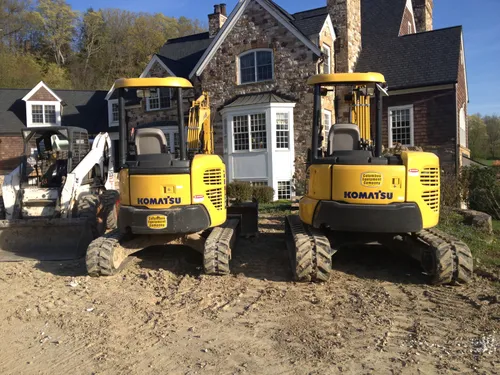
Sitework Developing Inc. is a full-service excavating contractor based in Cleveland, OH. They offer a range of services including site development, excavation, basement waterproofing, drainage, and septic system repair for both residential and commercial projects. The company owns and maintains its own equipment and trains its own crews to ensure quality and safety. Since 1999, Sitework Developing Inc. has maintained an A+ rating with the Better Business Bureau, reflecting their commitment to delivering projects on time and on budget. Their service area includes Cleveland and surrounding communities such as Aurora, Beachwood, and Solon.
Understanding Local Septic System Regulations
In Cuyahoga County, all septic systems-formally called Home Sewage Treatment Systems (HSTS)-are regulated by the Cuyahoga County Board of Health (CCBH) in accordance with Ohio Department of Health rules. A key program affecting homeowners is the Operation & Maintenance (O&M) Program. If your property falls under this program, you are required to maintain an operational permit and provide proof of regular maintenance and inspections to the health department. This oversight ensures systems are functioning correctly and protects groundwater quality.
Crucially, most repairs that alter the system require a permit from the local health district. Only contractors who are registered with the health department are legally allowed to perform installation or major repair work on septic systems in Cleveland Heights. Always verify a provider's licensing status with the CCBH before committing to any significant septic work.
Common Septic Repairs: From Minor Fixes to Major Overhauls
Septic system issues can range from simple component replacements to complex drain field failures. Understanding the scope can help you communicate effectively with service providers.
Minor Repairs (Often Non-Permit)
These are typically repairs that do not change the design or function of the existing system. They are generally more affordable and quicker to complete:
- Replacing Baffles or Tees: The inlet and outlet baffles inside your tank are critical for preventing scum and solids from escaping into the drain field. These can degrade over time and need replacement.
- Fixing Accessible Pipes: Repairing broken pipes between the house and the tank or from the tank to the distribution box.
- Replacing Tank Covers or Lids: Old, cracked, or damaged concrete covers can be a safety hazard. Modern, secure lids are often installed.
- Cleaning or Servicing the Distribution Box: This component directs effluent to different sections of the drain field and can become clogged.
Major Repairs and Replacements (Permit Required)
These alterations almost always require a permit from the health department and must be performed by a licensed contractor 1.
- Septic Tank Replacement: If a tank is cracked, collapsed, or leaking, it must be replaced. This is a significant excavation project.
- Drain Field (Leach Field) Repair or Replacement: This is often the most costly repair. Symptoms of failure include soggy ground, sewage odors, and plumbing backups. Solutions can range from cleaning pipes to installing a completely new field 2.
- System Upgrades: Adding risers from the tank lids to the surface is a common upgrade that makes future inspection, pumping, and repair much easier and less invasive.
- Sewer Connection: In some cases, especially if a major repair is cost-prohibitive or if public sewer lines have become available, connecting to the municipal sanitary sewer may be the recommended long-term solution.
Find the perfect septic system repair companies for your needs
Get personalized recommendations and expert advice
The Importance of Routine Inspection and Maintenance
Proactive care is the most effective and economical "repair" strategy. Regular inspections can identify small problems before they become expensive emergencies and are a core requirement of local O&M programs 3 4.
A standard inspection process in Cleveland Heights typically involves 5 6:
- Locating System Components: Finding the tank, distribution box, and drain field.
- Uncovering Tank Access Points: Excavating to reach the tank lids.
- Inspecting Tank Integrity: Checking baffles, walls, and water levels.
- Pumping the Tank: Removing solids (recommended every 2-5 years) 7.
- Evaluating the Drain Field: Checking for signs of saturation or failure.
The cost for a routine inspection in the area typically ranges from $200 to $900, with an average around $550 8. This investment is minor compared to the cost of a full system replacement.
Navigating Costs and Financial Assistance
Septic repair costs vary dramatically based on the issue:
- Annual Maintenance/Component Repair: $100 - $200 9
- Minor Repairs: Several hundred dollars
- Major Repairs/Replacements: Can cost thousands of dollars 10
For homeowners facing financial hardship, assistance may be available. The Ohio EPA's Water Pollution Control Loan Fund (WPCLF) offers funding for necessary repairs or replacements of failing septic systems. These funds are typically administered through local health departments like the CCBH. Contacting the Board of Health is the first step to see if you qualify for such programs.
Choosing a Qualified Septic Repair Professional
When your system needs attention, selecting the right contractor is critical. Here are key steps:
- Verify Licensing: Confirm the company is registered with the Cuyahoga County Board of Health to perform HSTS work 11 12.
- Check for Permits: Ensure they will obtain all necessary health department permits for the work required.
- Get Detailed Estimates: Request written, itemized quotes that explain the problem, the proposed solution, and all costs.
- Ask About Experience: Inquire about their experience with the specific type of repair your system needs and with local soil conditions and regulations.
- Seek References: Ask for references from recent customers with similar repair projects.
By understanding the regulatory landscape, common problems, and the value of maintenance, Cleveland Heights homeowners can make informed decisions to ensure their septic system remains a reliable and safe part of their home for years to come.
Frequently asked questions
Sources
Footnotes
-
Information for Homeowners - https://odh.ohio.gov/know-our-programs/sewage-treatment-systems/INFORMATION-FOR-HOMEOWNERS ↩
-
How To Pass Inspection for Septic and Sewer When Selling a Home - Barb Schlinker | Your Real Estate Voice - https://www.buzzsprout.com/345377/episodes/2591641-how-to-pass-inspection-for-septic-and-sewer-when-selling-a-home ↩
-
Operation and Maintenance (O&M) Program | Geauga Public Health - https://gphohio.org/page-title-old/om-septic/ ↩
-
Septic System Maintenance | Ohioline - https://ohioline.osu.edu/factsheet/aex-740 ↩
-
STS Components, Systems and Maintenance - https://odh.ohio.gov/know-our-programs/sewage-treatment-systems/information-for-homeowners/sts-components-systems-and-maintenance ↩
-
Septic System Inspections in Cuyahoga County, OH | SewerMan - https://sewerman.com/debra-king/services/oil-to-gas-conversions/ ↩
-
How to Care for Your Septic System | US EPA - https://www.epa.gov/septic/how-care-your-septic-system ↩
-
How Much Does a Septic Inspection Cost? [2026 Data] - Angie's List - https://www.angi.com/articles/septic-inspection-cost.htm ↩
-
Septic System Repairs and Modifications in Cleveland, OH - https://sewerman.com/cleveland-oh/services/pipe-repairs/ ↩
-
Home Sewage Treatment Systems (HSTS) - Ohio EPA - https://epa.ohio.gov/wps/portal/gov/epa/divisions-and-offices/environmental-financial-assistance/financial-assistance/home-sewage-treatment-systems-hsts ↩
-
Septic Systems - Orange Village - https://www.orangevillage.com/septic-systems/ ↩
-
Ohio's Septic System Operation & Maintenance Regulations - https://supeckseptic.com/operation-maintenance-regs/ ↩