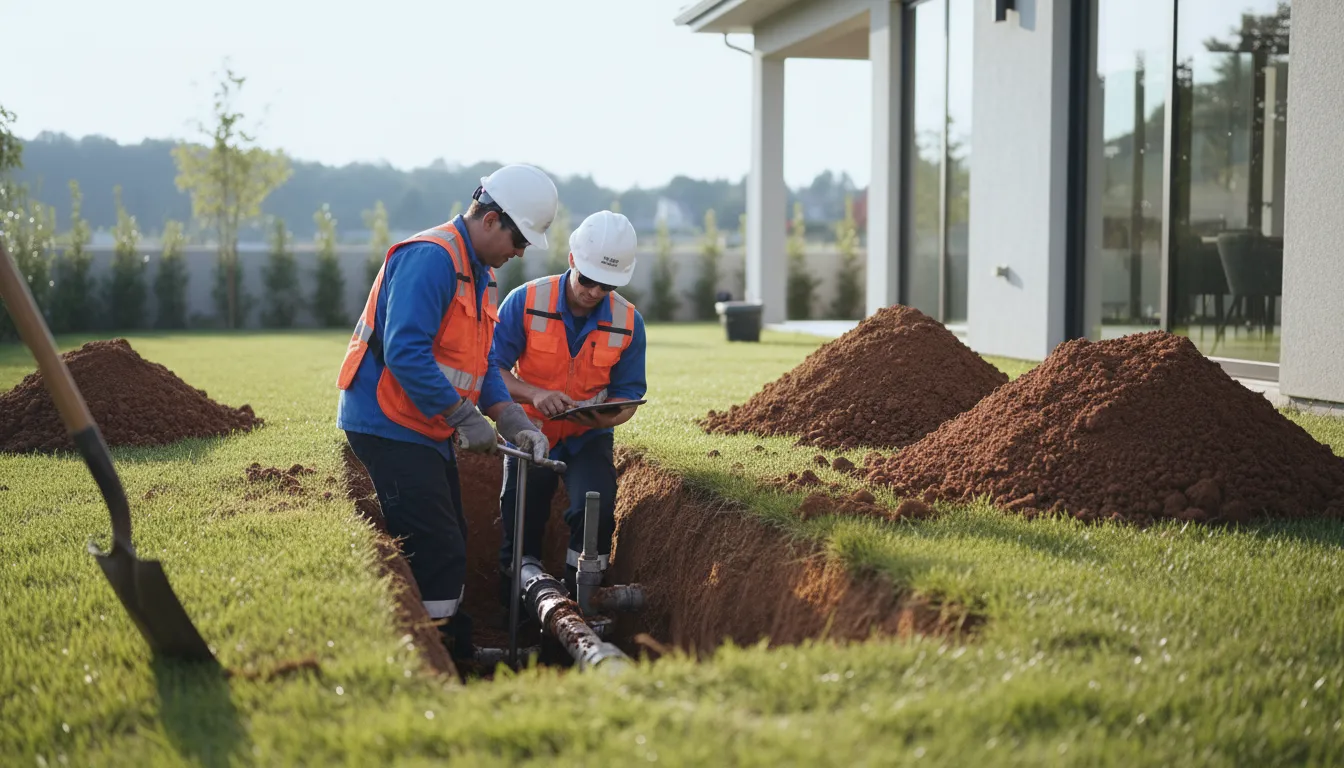
Find the Best Septic System Repair Companies for Your Business
No obligation • Fast responses • Nationwide coverage

Why you can trust Septic Spot
Septic Spot is a leading United States resource for understanding and comparing septic services. Our editors review providers using consistent criteria and verify key business details. Listings and scores are independent, and companies cannot pay to influence our content.
Search providers near you
Top Septic System Repair Companies in Cuyahoga Falls, Ohio Ranked
Maintaining a functional septic system is crucial for protecting your property, your family's health, and the local environment in Cuyahoga Falls. When components fail, prompt and proper septic system repair is essential to prevent sewage backups, environmental contamination, and costly property damage. This guide explains the common types of repairs, the local regulatory process managed by Summit County Public Health, and how to find qualified professionals to restore your home's wastewater treatment system.
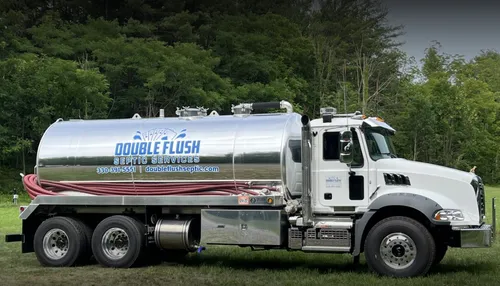
Double Flush Septic Services
2481 Remsen Rd, Medina, OH 44256
Double Flush Septic Services is a family-owned company based in Medina, OH, providing septic system installation, pumping, inspection, and repair services throughout Akron and the surrounding Northeast Ohio counties. They serve a broad area including Medina, Summit, Stark, Wayne, and Cuyahoga counties, offering expertise in maintaining and repairing septic tanks, drain fields, and aeration systems such as Norweco, Hydro-Action, and Marlow-Hunter. The company also provides emergency septic services and commercial grease trap cleaning, with capabilities like hydro jetting and drain snaking to address severe blockages. Double Flush Septic Services emphasizes local knowledge of Ohio's climate and soil conditions to support system longevity and functionality.
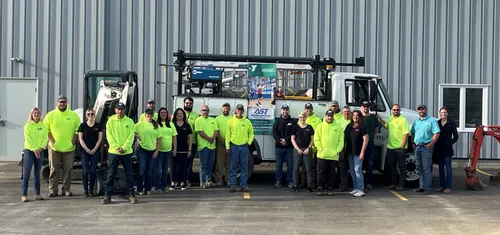
Aeration Septic - ASI
775 Elm Ridge Ave, Canal Fulton, OH 44614
Aeration Septic - ASI is a septic tank inspection and repair company serving Akron, OH, and surrounding counties. Since 1989, they have provided services including septic system inspections, repairs, and yearly maintenance contracts for residential aeration systems. Their capabilities include servicing and maintaining aerobic treatment systems, class 1 blowers, and sump pumps. The company ensures compliance with health regulations by reporting to County Health Departments and employs professionals who stay updated with industry developments through regular seminars.
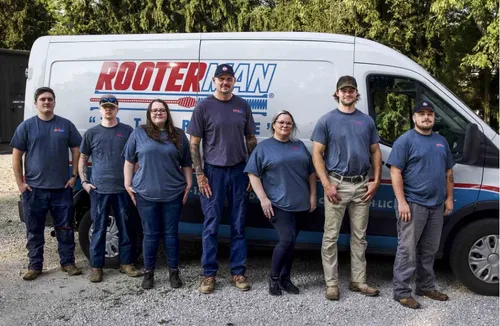
Rooter Man
195 Potomac Ave Unit B, Tallmadge, OH 44278
Rooter Man is a family-owned plumbing company serving Akron, OH, and surrounding areas including Summit, Stark, and Portage counties. They offer a wide range of services including septic tank pumping, inspection, repair, and installation, along with drain cleaning, sewer line repair, and water heater services. With over 50 years of experience, Rooter Man uses advanced tools such as hydro jetting and video pipe inspections to address plumbing and septic system issues efficiently. The company provides emergency service seven days a week to handle urgent plumbing needs.
Superior Drainage
900 Killian Rd, Akron, OH 44312
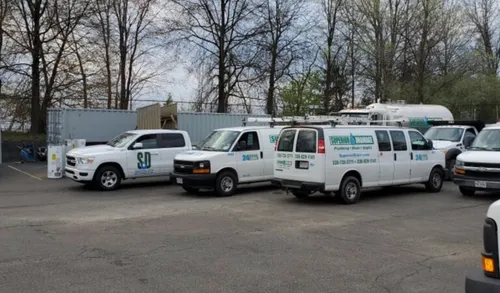
Superior Drainage is a full-service plumbing company based in Akron, OH, offering residential, commercial, municipal, and septic system services. They provide septic tank pumping, repairs, and installation, along with hydro jetting and trench sewer line repair to maintain efficient wastewater management. Serving Northeast Ohio, including Summit, Portage, Stark, and Medina counties, Superior Drainage has been operating since 1996. Their team is experienced in handling a wide range of plumbing needs, from water heater installations to sewer line maintenance, with a focus on regulatory compliance and environmental safety.
Lehman Drain & Septic
13014 Duquette Ave NE, Hartville, OH 44632
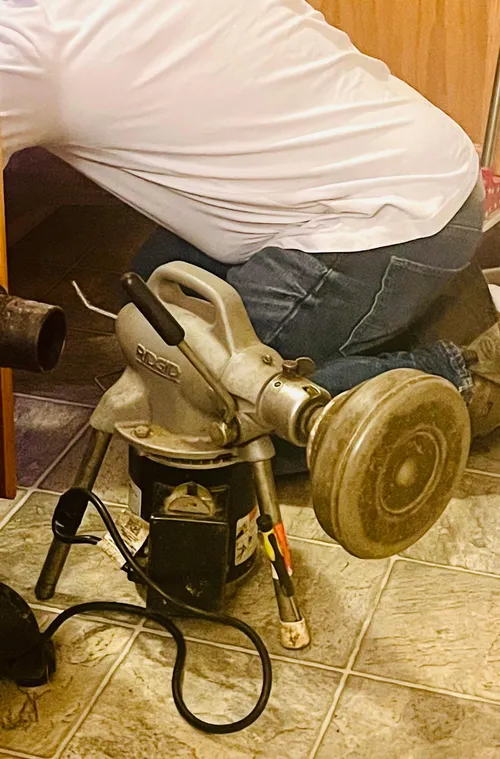
Lehman Drain & Septic is a family-owned company based near Akron, OH, providing septic system services including pumping, inspections, repairs, and installations. They serve the communities of Stark, Portage, and Summit counties, offering both scheduled and emergency services. The company is licensed, insured, and bonded, with capabilities such as camera inspections and septic pump repairs. Lehman Drain & Septic operates a 24-hour emergency service to address urgent septic and plumbing needs.
Understanding Septic System Failures and Local Regulations
A failing septic system is more than an inconvenience; it's a public health concern. In Cuyahoga Falls and throughout Summit County, all residential sewage treatment systems are regulated under Ohio Administrative Code 3701-29 1. The local authority, Summit County Public Health (SCPH), enforces rules that emphasize regular maintenance, inspections, and permitting for any system alterations or significant fixes 2.
Since 2015, an Operation & Maintenance (O&M) Program has been in effect, requiring all systems to have an Operation Permit. Homeowners must submit proof of required maintenance-like routine inspections and septic tank pumping-to SCPH to maintain this permit. If you notice signs of failure, such as surfacing sewage, persistent odors, or soggy ground in your drain field area, you are required to contact a registered service provider for an inspection. Based on that assessment, obtaining the proper permits from SCPH for any necessary septic repairs or replacements is a mandatory next step.
When is a Permit Required for Septic Work?
Understanding local permit requirements can save time and ensure your project is legal and up to code.
- Permit-Required Work: Any alteration or repair of system components typically requires a permit from SCPH. This includes fixing or replacing baffles, repairing the soil absorption area (leach field), installing a new distribution box, or making any changes to the system's design or function.
- Non-Permit Work: Simple replacement of "like parts," such as swapping out an existing access riser for a new one, generally does not require a permit 3.
- The 30% Rule: Be aware that if the cost or scope of repairs constitutes more than 30% of the system's value, SCPH may require a full system replacement instead of a patchwork fix 4.
- Contractor Registration: Crucially, all repair work must be performed by a sewage treatment system contractor who is registered with the state of Ohio 5. Hiring a registered professional ensures the work meets code and that proper documentation is filed with the health department.
Common Types of Septic System Repairs
Septic system restoration can address a wide range of issues, from simple clogs to major component failures. Here are the most common repairs homeowners in Cuyahoga Falls may encounter.
Baffle and Pipe Repairs
The inlet and outlet baffles inside your septic tank are critical for controlling the flow of wastewater and preventing scum and solids from escaping into the drain field. Over time, these concrete or plastic components can crack or deteriorate. Replacing broken baffles is a common repair that helps restore proper tank function and prevent downstream clogs.
Riser Installation for Future Access
Many older systems were buried deep underground, making routine pumping and inspection difficult and expensive. Installing modern, watertight access risers from the tank lids up to the ground surface is a proactive upgrade. This repair simplifies all future maintenance, saving you money and hassle over the long term 6.
Distribution Box (D-Box) Repair
The distribution box is a crucial component that evenly disperses liquid effluent from the septic tank to the various lines in the leach field. If it becomes cracked, clogged, or tilted, it can cause uneven distribution and premature failure of the absorption area. Repairing or leveling a D-box is often necessary to correct drainage issues.
Jetting and Unclogging Drain Lines
Blockages in the pipes leading from the house to the tank or within the leach field laterals are a frequent problem. Roots, hardened sludge, or non-biodegradable materials can cause backups. Professional service providers use high-pressure water jetting to scour and clear these lines, restoring proper flow without damaging the pipes.
Soil Absorption Area (Leach Field) Rehabilitation
This is often the most complex and costly type of repair. If the drain field has failed due to soil saturation, compaction, or damaged laterals, several solutions exist. Techniques can include replacing sections of perforated pipe, adding new drain lines, or even using specialized equipment to fracture compacted soil around existing lines to improve percolation 7. In severe cases, a completely new leach field may be the only viable option.
Find the perfect septic system repair companies for your needs
Get personalized recommendations and expert advice
The Professional Repair Process: From Diagnosis to Completion
When you suspect a problem, a systematic approach led by a licensed professional is key. Here's what a typical septic system repair process looks like in Summit County.
- Locate and Expose Components: The technician will first locate and carefully excavate around the septic tank, distribution box, and any pump tanks to gain access for a thorough inspection 8.
- Comprehensive System Assessment: The professional will conduct a detailed evaluation, checking for signs of failure like odors, leaks, and saturated soil. They will inspect the integrity of tanks, baffles, pipes, effluent filters, and, if present, pump functionality 9.
- Diagnosis and Repair Plan: Based on the findings, the contractor will diagnose the root cause of the failure and propose a repair solution. They will also advise if the work requires a permit from Summit County Public Health.
- Permitting and Approval: For permit-required work, your contractor will typically handle the application process with SCPH, submitting the repair plan and obtaining the necessary approvals before any major work begins 10.
- Execution of Repairs: Once permitted, the contractor will perform the agreed-upon repairs using proper techniques and materials that comply with Ohio code.
- Final Inspection and Reporting: After repairs are complete, the technician will often provide a report to the homeowner and, in many cases, submit documentation to SCPH to close out the permit and update the system's maintenance record 11 12.
Costs and Financial Assistance for Septic Repairs
The cost of fixing a septic system in Cuyahoga Falls varies dramatically based on the repair's complexity.
- Routine Maintenance: A routine inspection and pumping, recommended every 2-5 years, typically costs between $100 and $200 13 14.
- Minor Repairs: Fixing a baffle, installing a riser, or jetting a clogged line may cost a few hundred dollars.
- Major Repairs: Significant work, such as rehabilitating or replacing a failing leach field, can range from $5,000 to $15,000 or more 15.
- Permit Fees: Be aware that permit fees are separate from repair costs. For example, an installation permit for a new system can be around $574, while an annual operation permit is approximately $10, though these fees are subject to change 16.
Financial assistance may be available. Homeowners facing the high cost of replacing a failing system may qualify for the Water Pollution Control Loan Fund (WPCLF) administered by the Ohio EPA. This program offers low-interest loans and other assistance to help cover the cost of repairing or replacing systems that are polluting local waterways. It's worth investigating if you are facing a major system overhaul.
Maintaining Your System After Repairs
Once your system is repaired, a consistent maintenance schedule is the best way to protect your investment and avoid future problems. Adhere to the Summit County O&M Program requirements, which mandate periodic inspections based on your system type 17 18. Practice good habits: conserve water, avoid flushing chemicals or non-biodegradables, and keep detailed records of all pumping, inspections, and repairs. A well-maintained system can last for decades.
Frequently asked questions
Sources
Footnotes
-
Regulations for home sewage treatment systems - https://ohioepa.custhelp.com/app/answers/detail/a_id/368/~/regulations-for-home-sewage-treatment-systems ↩
-
Sewage Treatment Systems - Summit County Public Health - https://www.scph.org/water-quality/sewage-treatment-systems ↩
-
Operation Permits | Summit County Public Health - https://www.scph.org/water-quality/operation-permits ↩
-
Septic System Repair & Replacement in Ohio - https://www.calltriplea.com/services/septic/repair-replacement ↩
-
Information for Homeowners - https://odh.ohio.gov/know-our-programs/sewage-treatment-systems/INFORMATION-FOR-HOMEOWNERS ↩
-
Septic Repair Services at Reliable Basement & Drain - https://reliabledrain.com/septic-repair/ ↩
-
Septic System Repair & Restoration | Judd Septic Northeast Ohio - https://juddseptic.net/septic-system-repair-restoration/ ↩
-
Information for Homeowners - https://odh.ohio.gov/know-our-programs/sewage-treatment-systems/INFORMATION-FOR-HOMEOWNERS ↩
-
Sewage System Maintenance - CCBH.net - https://ccbh.net/sewage-system-maintenance/ ↩
-
New or Replacement Sewage Treatment Systems - https://www.scph.org/water-quality/new-or-replacement-sewage-treatment-systems ↩
-
Septic System Repairs and Modifications in Cleveland, OH - https://sewerman.com/cleveland-oh/services/pipe-repairs/ ↩
-
SEWAGE TREATMENT SYSTEM POINT OF SALE ... - CCBH.net - https://www.ccbh.net/wp-content/uploads/2019/01/SEWAGE-TREATMENT-SYSTEM-POINT-OF-SALE-EVALUATION-APPLICATION-12-26-2018.pdf ↩
-
STS Components, Systems and Maintenance - https://odh.ohio.gov/know-our-programs/sewage-treatment-systems/information-for-homeowners/sts-components-systems-and-maintenance ↩
-
Why Maintain Your Septic System | US EPA - https://www.epa.gov/septic/why-maintain-your-septic-system ↩
-
Home Sewage Treatment Systems (HSTS) - Ohio EPA - https://epa.ohio.gov/wps/portal/gov/epa/divisions-and-offices/environmental-financial-assistance/financial-assistance/home-sewage-treatment-systems-hsts ↩
-
Guide for Obtaining Permit to Install A Sewage Treatment System - https://marionpublichealth.org/wp-content/uploads/2021/03/2021-HSTS-Homeowners-Guide.pdf ↩
-
Operation & Maintenance Program for Household Sewage ... - https://www.lcghd.org/om-program-septic/ ↩
-
Operation and Maintenance (O&M) Program | - Geauga Public Health - https://gphohio.org/page-title-old/om-septic/ ↩