Find the Best Septic System Repair Companies for Your Business
No obligation • Fast responses • Nationwide coverage

Why you can trust Septic Spot
Septic Spot is a leading United States resource for understanding and comparing septic services. Our editors review providers using consistent criteria and verify key business details. Listings and scores are independent, and companies cannot pay to influence our content.
Search providers near you
Top Septic System Repair Companies in Dublin, Ohio Ranked
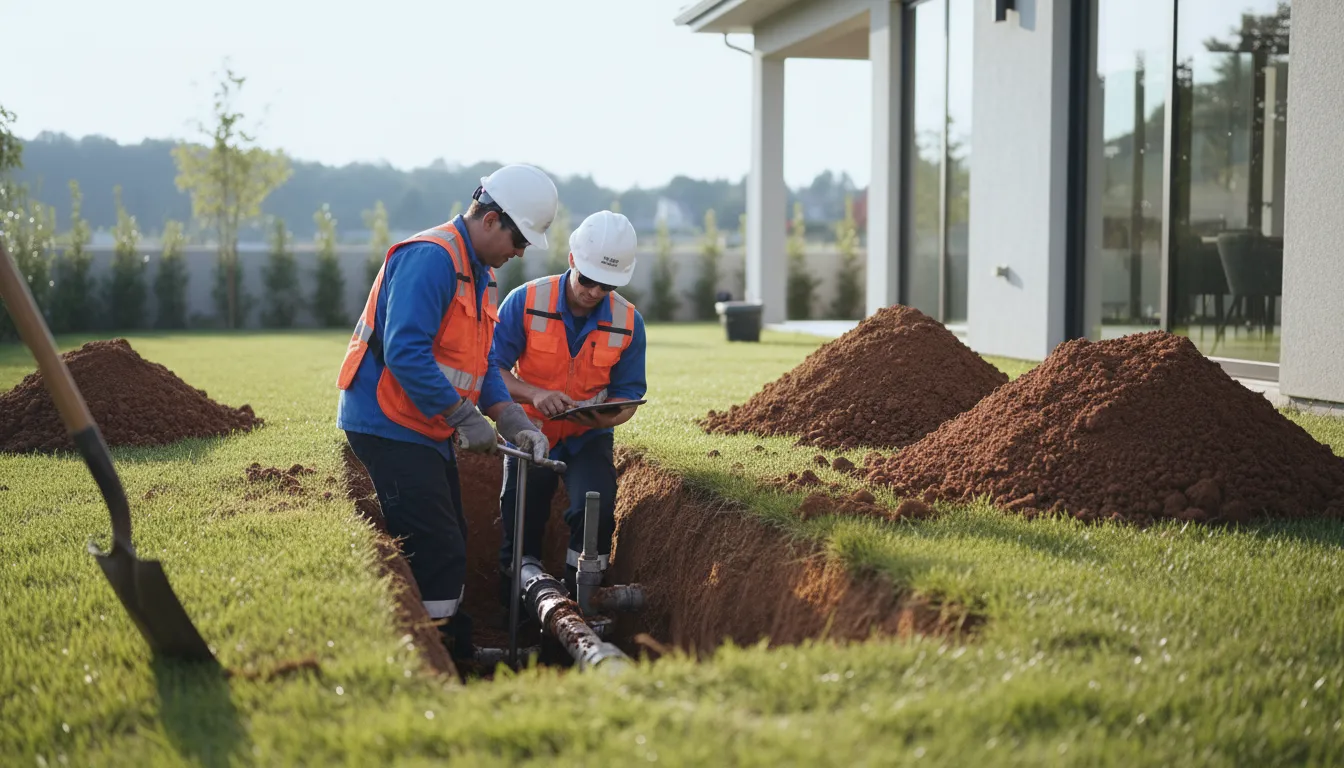
A failing septic system is a serious health hazard and a major financial concern for Ohio homeowners. Septic system repair involves diagnosing and fixing issues with your onsite wastewater treatment system, from minor component replacements to major alterations or full system rebuilds. Understanding Ohio's specific regulations and common repair scenarios is crucial for protecting your property, your health, and your investment. This guide provides the practical information you need to navigate the repair process, find qualified local professionals, and ensure your system is restored to safe, compliant operation.
Austin's Septic
Columbus, OH
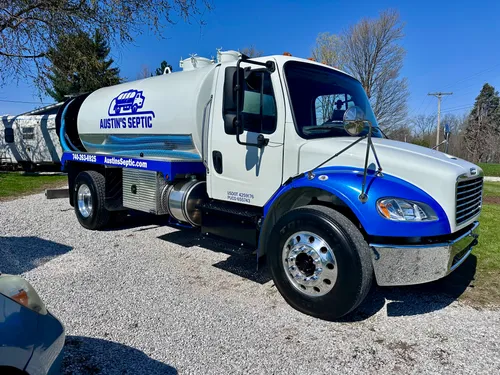
Austin's Septic is a septic tank pumping and maintenance company serving Columbus, OH, and the surrounding Central Ohio area. They provide septic tank pumping, system installation, inspections, emergency services, precision locating, sewer camera inspections, and high-pressure sewer jetting for both residential and commercial clients. The company emphasizes skilled service backed by years of experience and offers competitive pricing. Their expertise includes lift station pumping, which is important for maintaining wastewater systems in the region.
Darby Creek Septic LLC
5885 Lafayette Plain City Rd, London, OH 43140
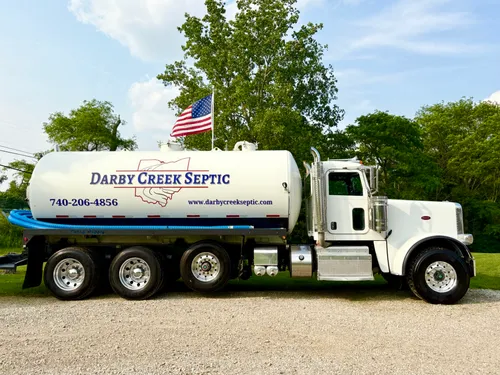
Darby Creek Septic LLC is a family-owned business serving Columbus, OH, and surrounding counties in central Ohio. With over a decade of experience, they provide septic tank pumping, inspections, system repairs, sewer line camera inspections, jetting, and bulk hauling. They are licensed to serve multiple Ohio counties including Madison, Union, Franklin, and others. Their capabilities include locating and mapping septic systems and clearing sewer line blockages with specialized equipment. The company emphasizes honesty and quality work as part of their family business values.
MJC Septic Services
Columbus, OH
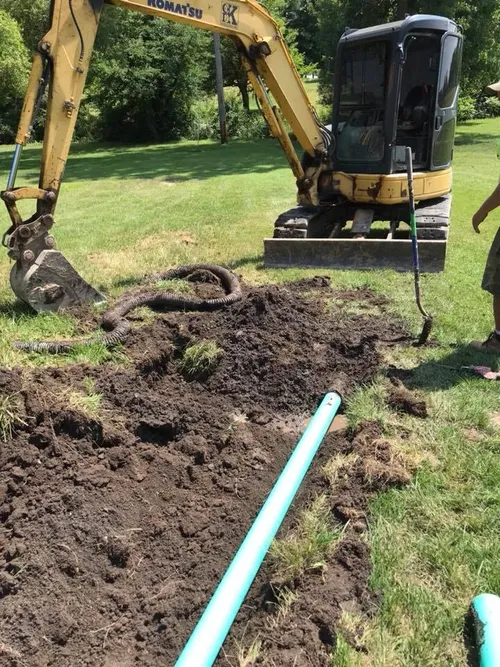
MJC Septic Services is a family-owned company based in Columbus, OH, specializing in septic system installation, inspection, pumping, and repair. Serving Delaware, Union, Marion, and Franklin counties, they assist both residential and commercial clients with maintaining and troubleshooting septic systems. Their skilled technicians handle complex septic repairs and installations, including adding access ports and risers for easier future servicing. With over 10 years of experience, MJC Septic Services focuses exclusively on septic work to provide knowledgeable and thorough service.
Canal Winchester Plumbing & Drain
8130 Howe Industrial Pkwy Suite C, Canal Winchester, OH 43110
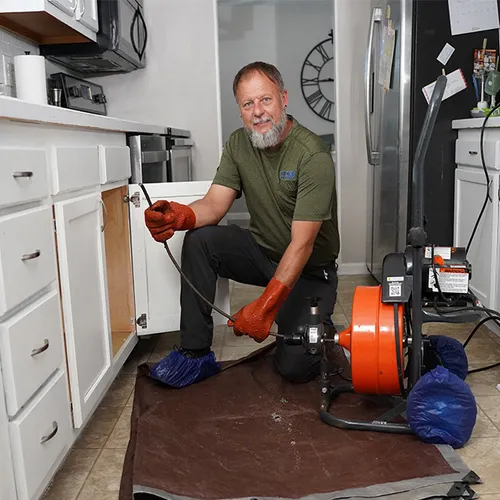
Canal Winchester Plumbing & Drain is a licensed and insured plumbing company serving Canal Winchester, OH, and the Greater Columbus area. Established in 2011, they provide a wide range of residential plumbing services including septic system repairs, sewer and drain services, water heater installation and repair, and water treatment solutions. The company is equipped to handle emergency plumbing issues 24/7, offering after-hours support for urgent needs. Their team is trained to work safely on gas lines and excavation projects, ensuring professional and compliant service.
MJC Septic Services
7696 Marysville Rd, Ostrander, OH 43061
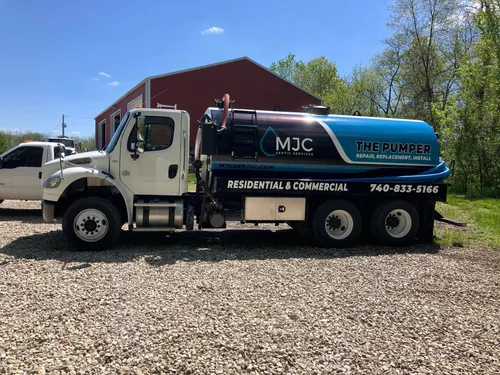
MJC Septic Services is a family-owned company based in Ostrander, OH, providing septic system services throughout Columbus and Central Ohio. They specialize in septic tank pumping, inspections, repairs, and installations for both residential and commercial clients. Their skilled technicians handle complex septic systems and offer maintenance plans to keep systems functioning properly. With over 10 years of experience, MJC Septic Services is fully licensed, bonded, and insured to serve the local community.
Understanding Ohio's Septic System Regulations
All septic system work in Ohio is governed by state rules, primarily Ohio Administrative Code (OAC) 3701-29. The Ohio Department of Health (ODH) sets these standards, but enforcement and permitting are handled by your local health district. This means the specific process, forms, and inspectors you'll work with are based on your county.
A key concept is the Operation Permit. Most household systems in Ohio require one, typically valid for up to 10 years, which signifies the system is approved for use1 2. Any significant repair, alteration, or replacement of system components requires a separate construction permit from your local health department before work begins1 3. Attempting repairs without a permit can lead to fines and may not resolve the underlying issue, as the repair must bring the system into compliance with current codes.
When is a Repair Needed? Signs of a Failing System
Recognizing early warning signs can mean the difference between a manageable repair and a catastrophic, expensive failure. Contact a licensed service provider if you notice:
- Sewage Surfacing: Wastewater pooling in your yard or over the drain field is a clear sign of failure and an immediate public health risk.
- Slow Drains or Backups: Gurgling pipes, slow-draining sinks/showers, or sewage backing up into household drains.
- Unpleasant Odors: Persistent sewage smells inside your home or around the drain field area.
- Lush, Green Grass: Abnormally green and fast-growing grass over the drain field, especially during dry weather, indicates nutrient-rich wastewater is surfacing.
- Failed Inspection: A routine inspection or real estate transfer inspection identifies a problem that must be corrected.
The Repair Process: From Diagnosis to Completion
Navigating a septic repair in Ohio follows a general sequence. Always start by contacting your local health district to understand their specific requirements.
- Problem Identification & Evaluation: A licensed septic contractor or system installer will diagnose the issue. This often involves locating and inspecting the tank, distribution box, and drain field. A critical step for many repairs is a soil evaluation to determine the Vertical Separation Distance (VSD)-the space between the bottom of the drain field and bedrock or seasonal high groundwater. This evaluation determines what type of repair or replacement is feasible on your property.
- Permit Application: Your contractor will typically submit the required permit application and design plans to the local health district for review and approval. The permit ensures the proposed work meets OAC 3701-29 standards4.
- Repair Execution: Once permitted, the contractor completes the work. It's vital to protect your drain field from soil compaction; heavy machinery should avoid this area to maintain proper water infiltration.
- Final Inspection: A health department inspector will visit to verify the repair was completed according to the approved permit. Only after passing this inspection is your system legally approved for use.
Common Types of Repairs and Estimated Costs
Repair costs in Ohio vary dramatically based on the problem's severity, soil conditions, and system type. Here's a breakdown of common scenarios:
- Minor Component Repairs ($150 - $1,000): Fixing issues like a damaged tank baffle, a stuck effluent filter, or a malfunctioning pump float switch. Repairing distribution pipes or adjusting dosing volumes also often falls into this range.
- Drain Field Rehabilitation ($2,000 - $10,000+): If the soil absorption area (drain field) is failing but the site still meets VSD requirements, options like adding a new field extension or using specialized pipe systems may be possible. This is less costly than a full replacement.
- Full System Replacement ($10,000 - $30,000+): When a system cannot be repaired or the site no longer meets modern standards (often due to insufficient VSD), a full replacement is required5. New systems must comply with current rules, which may involve installing advanced treatment units, a raised sand mound system, or in some limited cases, a system with an NPDES discharge permit from the Ohio EPA6.
- System Abandonment ($500 - $2,000): If a system is taken out of service (e.g., after connecting to a municipal sewer), an abandonment permit is required. The process involves pumping the tank and properly crushing or filling it to prevent collapse7 8.
Find the perfect septic system repair companies for your needs
Get personalized recommendations and expert advice
Special Considerations: Advanced Systems and Service Contracts
Many modern or replacement systems in Ohio involve advanced treatment technology (ATTs) or discharging systems. These have additional requirements:
- Service Contracts: Discharging systems and many ATTs require an ongoing service contract with a state-registered service provider 9. This ensures regular maintenance, monitoring, and sampling to protect water quality.
- NPDES Permits: Systems that discharge treated effluent directly to a stream or ditch require a permit from the Ohio Environmental Protection Agency (EPA), not just the local health district. This involves more stringent treatment and reporting standards.
Maintaining Your System to Avoid Costly Repairs
The best repair is the one you never need. Proactive maintenance is far more affordable than emergency fixes.
- Pump Regularly: Have your septic tank pumped every 3-5 years by a licensed hauler (annual pumping may cost $100-$200 for routine maintenance)10 11.
- Conserve Water: Reduce strain on your system by fixing leaks and spreading out laundry loads.
- Mind What You Flush: Only human waste and toilet paper should go down the drain. Avoid grease, chemicals, wipes, and feminine hygiene products.
- Protect the Drain Field: Never drive or park on it, and keep roof drains and sump pumps directed away from it.
Finding Qualified Repair Professionals in Ohio
When your system needs attention, choosing the right professional is critical. Look for contractors who are:
- Licensed and Insured: Verify they hold current licensing with the state of Ohio and your local health district.
- Experienced with Local Regulations: They should be familiar with OAC 3701-29 and the specific requirements of your county health department.
- Transparent in Communication: They should provide clear explanations, detailed written estimates, and handle the permit process.
A well-executed repair by a knowledgeable professional restores your home's sanitation safely and ensures long-term system functionality.
Frequently asked questions
Sources
Footnotes
-
Septic Systems | Clermont County Public Health - https://ccphohio.org/septic-system-operation-permits/ ↩ ↩2
-
Septic | Williams County Health Department - https://www.williamscountyhealth.org/environmental-health/septic-2/ ↩
-
Sewage Treatment Systems - Ohio Department of Health - https://odh.ohio.gov/know-our-programs/sewage-treatment-systems ↩
-
Chapter 3701-29 - Ohio Administrative Code - https://codes.ohio.gov/ohio-administrative-code/chapter-3701-29 ↩
-
Faulty Sewage Treatment System Options - https://hamiltoncountyhealth.org/wp-content/uploads/2023/12/Homeowner-replacment-meeting-packet-updated-12-14-23.pdf ↩
-
Household Sewage Treatment Systems (HSTS)- NPDES - Ohio EPA - https://epa.ohio.gov/divisions-and-offices/surface-water/permitting/discharging-household-sewage-treatment-systems-general-permits ↩
-
Information for Homeowners - https://odh.ohio.gov/know-our-programs/sewage-treatment-systems/INFORMATION-FOR-HOMEOWNERS ↩
-
Septic Systems | Marysville, OH - https://uchd.net/septic-systems/ ↩
-
Ohio septic system regulations overhauled - https://www.farmanddairy.com/news/top-stories/ohio-septic-system-regulations-overhauled/238023.html ↩
-
STS Components, Systems and Maintenance - https://odh.ohio.gov/know-our-programs/sewage-treatment-systems/information-for-homeowners/sts-components-systems-and-maintenance ↩
-
Septic System Maintenance | Ohioline - https://ohioline.osu.edu/factsheet/aex-740 ↩