Find the Best Septic System Repair Companies for Your Business
No obligation • Fast responses • Nationwide coverage

Why you can trust Septic Spot
Septic Spot is a leading United States resource for understanding and comparing septic services. Our editors review providers using consistent criteria and verify key business details. Listings and scores are independent, and companies cannot pay to influence our content.
Search providers near you
Top Septic System Repair Companies in Huber Heights, Ohio Ranked
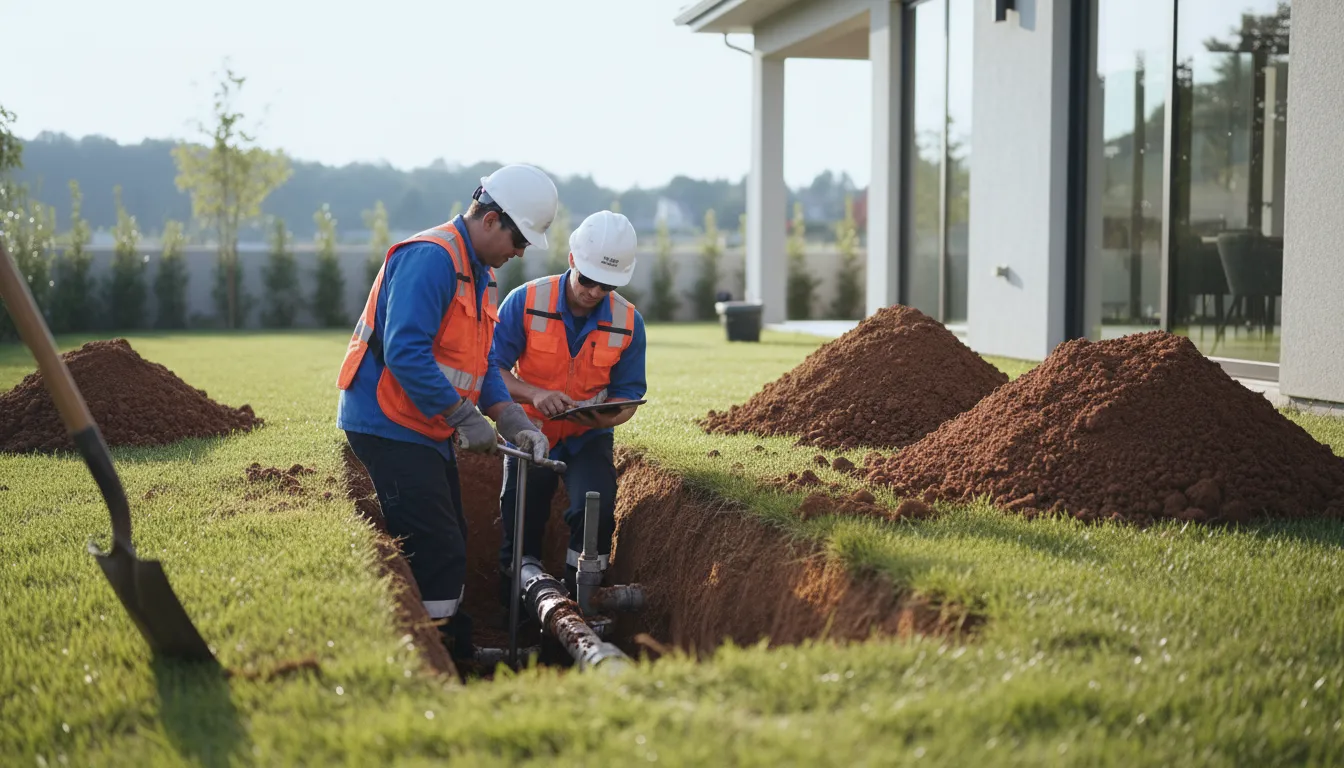
Maintaining a functional septic system is a critical responsibility for homeowners not connected to a municipal sewer line. When issues arise, from slow drains to soggy yard patches, timely and professional septic system repair is essential to protect your property, your health, and the local environment. This guide is designed to help Huber Heights residents understand the repair process, local regulations, and how to connect with qualified, registered professionals who can diagnose and fix your household sewage treatment system efficiently and in compliance with Ohio law.
Apex Pros Plumbing, Electrical, Heating and Air
5450 Far Hills Ave Suite 209, Dayton, OH 45429
Apex Pros Plumbing, Electrical, Heating and Air provides a range of home services in Dayton, OH, including septic tank pumping, inspection, and septic system repair. The company also offers heating, cooling, plumbing, and electrical services, with experienced technicians using quality parts and tools. Apex Pros is known for handling various plumbing challenges such as clogged drains and sewer repairs, and they provide advanced drain cleaning techniques. Their team includes NATE-certified technicians skilled in HVAC and plumbing systems. They serve the Dayton area and emphasize thorough, reliable work.
A to Z Septic and Pumping
Dayton, OH
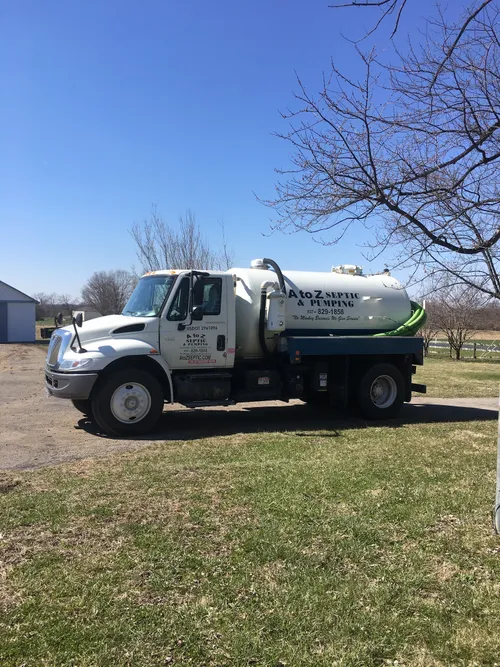
A to Z Septic and Pumping provides a range of septic services in Dayton, OH, including septic tank pumping, inspection, installation, and repair. They also handle drain field repair and grease trap cleaning for both residential and commercial customers. The company offers expertise in maintaining and installing septic systems, ensuring effective wastewater disposal and environmental protection. Their services include emergency septic tank repairs and dumpster rentals for additional waste disposal needs. A to Z Septic and Pumping serves the Dayton area with experienced plumbing professionals who assist customers in managing wastewater safely and efficiently.
Understanding Your Septic System and Common Failures
A septic system is an on-site wastewater treatment structure, typically consisting of a tank and a soil absorption field (often called a leach field). Solids settle in the tank, where bacteria begin decomposition, while liquid effluent flows out to the drain field for further filtration through the soil. Common signs that your system needs attention include sewage backups in household drains, foul odors around the tank or drain field, unusually lush or soggy grass over the leach field, and gurgling sounds in your plumbing.
In Huber Heights and across Montgomery County, these symptoms often point to specific failures. Minor issues might involve clogged outlet filters, damaged tank baffles that allow solids to escape, or a missing riser that makes routine maintenance difficult. Major problems frequently involve the absorption area, such as soil compaction, biomat clogging, or root intrusion, which prevent effluent from properly dispersing. In severe cases, a failing tank due to structural damage or a completely failed drain field may necessitate significant alteration or full system replacement.
The Regulatory Landscape: Permits and Professionals in Montgomery County
All septic system work in Huber Heights falls under the jurisdiction of Public Health - Dayton & Montgomery County (PHDMC). Understanding the rules is the first step in any repair project.
When is a Permit Required? A permit from the local health department is mandatory for any installation, replacement, or alteration of a sewage treatment system. Crucially, this includes most repair work beyond simple pumping. Replacing a tank, repairing a distribution box, or replacing a portion of your leach field all require a repair permit. Routine pumping and minor maintenance like cleaning an effluent filter typically do not require a permit, but the work must still be performed by a registered provider.
Working with Qualified Contractors Ohio law requires that any individual conducting evaluations, installations, repairs, or alterations on a septic system must be a bonded and registered service provider or installer with the Ohio Department of Health 1. Always verify a contractor's registration status. Using an unregistered individual can result in substandard work, failed inspections, and potential legal and financial liability for the homeowner.
Operation & Maintenance (O&M) Programs Ohio requires all household sewage treatment systems (HSTS) to be under an approved Operation and Maintenance program 2. This isn't just a one-time inspection; it's an ongoing plan to ensure your system functions properly over its lifespan. Many repair scenarios, especially for newer systems or those involved in property transfers, will be identified through these required O&M inspections 3.
The Septic Repair Process: From Diagnosis to Compliance
A professional septic system repair follows a structured path to ensure the problem is correctly identified and fixed according to code.
- Site Evaluation and Inspection: A registered service provider will first locate all system components (tank, drain field, distribution box). They will check for visible signs of failure, such as effluent surfacing or tank leaks, and may use specialized tools to assess sludge levels and drainage performance 4.
- Problem Diagnosis and Proposal: Based on the inspection, the professional will diagnose the root cause-whether it's a tank issue, a plumbing problem, or a drain field failure-and present a repair plan. For minor fixes, this may be straightforward. For major alterations, this plan becomes the basis for the permit application.
- Permit Application: For repairs requiring a permit, your contractor will typically handle submitting the application and detailed repair plans to the PHDMC for review and approval before any work begins.
- Repair Execution: The actual repair work is performed by the registered contractor. This could range from installing new tank risers for easier access to excavating and replacing a section of crushed pipe in the leach field.
- Final Inspection and Approval: Once repairs are complete, a final inspection by the local health department is often required to ensure the work complies with the permitted plans and state regulations. This approval is crucial for closing out the permit and maintaining your system's legal status 5.
Find the perfect septic system repair companies for your needs
Get personalized recommendations and expert advice
Cost Considerations and Financial Assistance for Repairs
The cost of septic system servicing in Huber Heights varies widely based on the repair's complexity. Understanding these potential expenses helps in planning.
- System Inspection: A thorough evaluation to diagnose a problem typically costs between $200 and $900, with an average around $550 6.
- Tank Pumping/Cleaning: While not a repair itself, pumping is often part of initial troubleshooting and regular maintenance, costing between $100 and $200 7.
- Permit Fees: The PHDMC charges fees for system permits and monitoring. These can range from an annual fee for system monitoring to higher, one-time fees for major repair or alteration permits.
- Repair Costs: Minor repairs like baffle replacement or riser installation may cost a few hundred dollars. Major repairs, such as partial drain field replacement, can run into the thousands. A complete system replacement is the most significant expense, often costing $10,000 or more.
Financial Aid Programs: The financial burden of a major repair or replacement can be substantial. Fortunately, homeowners in Huber Heights may be eligible for assistance through the Ohio EPA's Water Pollution Control Loan Fund (WPCLF). This program offers low-interest loans and, in some cases, principal forgiveness (grants) to income-eligible homeowners for repairing or replacing failing septic systems to correct public health nuisances. Applications for this program are processed through your local health department, the PHDMC 8.
Maintaining Your System Post-Repair
After investing in repairs, proper maintenance is key to extending your system's life and preventing future failures. Adhere to the O&M plan set by your service provider. This generally includes pumping the tank every 3 to 5 years (or as inspected), conserving water to avoid overloading the system, avoiding flushing harmful chemicals or non-biodegradables, and protecting the drain field from heavy vehicles and deep-rooted plants 9. Keeping detailed records of all inspections, pumping, and repairs is also invaluable for future service and if you sell your home.
Frequently asked questions
Sources
Footnotes
-
Registration Information - https://odh.ohio.gov/wps/portal/gov/odh/know-our-programs/sewage-treatment-systems/information-for-contractors/registration-information ↩
-
Ohio's Septic System Operation & Maintenance Regulations - https://supeckseptic.com/operation-maintenance-regs/ ↩
-
Sewage Treatment Systems - Public Health - Dayton ... - https://www.phdmc.org/programs-a-to-z/household-sewage-treatment-system-program ↩
-
Information for Homeowners - https://odh.ohio.gov/know-our-programs/sewage-treatment-systems/INFORMATION-FOR-HOMEOWNERS ↩
-
New or Replacement Sewage Treatment Systems - https://www.scph.org/water-quality/new-or-replacement-sewage-treatment-systems ↩
-
How Much Does a Septic Inspection Cost? [2026 Data] - Angie's List - https://www.angi.com/articles/septic-inspection-cost.htm ↩
-
STS Components, Systems and Maintenance - https://odh.ohio.gov/know-our-programs/sewage-treatment-systems/information-for-homeowners/sts-components-systems-and-maintenance ↩
-
Home Sewage Treatment Systems (HSTS) - Ohio EPA - https://epa.ohio.gov/wps/portal/gov/epa/divisions-and-offices/environmental-financial-assistance/financial-assistance/home-sewage-treatment-systems-hsts ↩
-
How to Care for Your Septic System | US EPA - https://www.epa.gov/septic/how-care-your-septic-system ↩