
Find the Best Septic System Repair Companies for Your Business
No obligation • Fast responses • Nationwide coverage

Why you can trust Septic Spot
Septic Spot is a leading United States resource for understanding and comparing septic services. Our editors review providers using consistent criteria and verify key business details. Listings and scores are independent, and companies cannot pay to influence our content.
Search providers near you
Top Septic System Repair Companies in Kettering, Ohio Ranked
A failing septic system is more than an inconvenience; it's a serious health and environmental hazard. Septic system repair involves diagnosing and fixing issues with your home's on-site wastewater treatment system, from minor component replacements to major drain field rehabilitation. In Kettering, these repairs are regulated by local health authorities to protect public health and groundwater. This guide helps you understand common repair needs, local regulations, and how to find qualified local professionals to restore your system to proper working order.
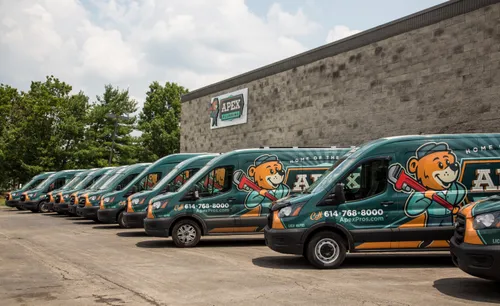
Apex Pros Plumbing, Electrical, Heating and Air
5450 Far Hills Ave Suite 209, Dayton, OH 45429
Apex Pros Plumbing, Electrical, Heating and Air provides a range of home services in Dayton, OH, including septic tank pumping, inspection, and septic system repair. The company also offers heating, cooling, plumbing, and electrical services, with experienced technicians using quality parts and tools. Apex Pros is known for handling various plumbing challenges such as clogged drains and sewer repairs, and they provide advanced drain cleaning techniques. Their team includes NATE-certified technicians skilled in HVAC and plumbing systems. They serve the Dayton area and emphasize thorough, reliable work.
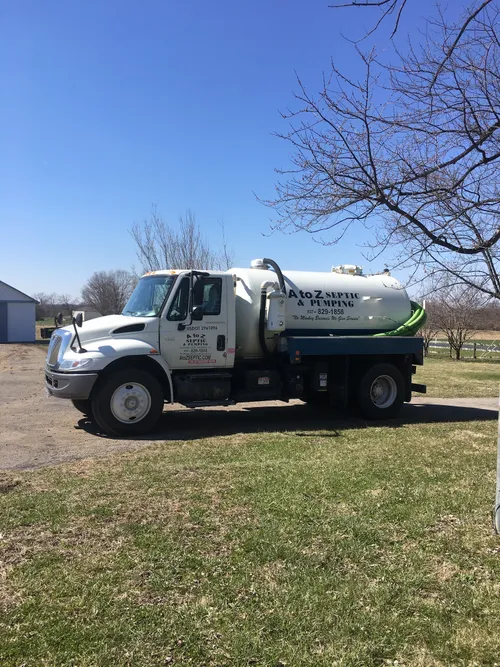
A to Z Septic and Pumping
Dayton, OH
A to Z Septic and Pumping provides a range of septic services in Dayton, OH, including septic tank pumping, inspection, installation, and repair. They also handle drain field repair and grease trap cleaning for both residential and commercial customers. The company offers expertise in maintaining and installing septic systems, ensuring effective wastewater disposal and environmental protection. Their services include emergency septic tank repairs and dumpster rentals for additional waste disposal needs. A to Z Septic and Pumping serves the Dayton area with experienced plumbing professionals who assist customers in managing wastewater safely and efficiently.
Understanding Your Septic System and Common Failures
Your home's sewage treatment system is a complex network of components working together. The septic tank receives all wastewater from your home, allowing solids to settle as sludge and scum to float. The clarified liquid (effluent) then flows out to the drain field (or leach field), where it percolates into the soil for final treatment. A failure can occur at any point in this process.
Common signs you may need septic repairs include:
- Sewage Backups: Wastewater backing up into household drains.
- Wet Spots & Odors: Soggy, bright green grass, standing water, or foul smells in your yard, especially near the tank or drain field.
- Slow Drains: Gurgling pipes or drains that empty slowly throughout the house.
- Alarm Activation: For systems with pumps or aerators, an audible or visual alarm indicates a malfunction.
In Kettering and Montgomery County, surfacing sewage is legally considered a health nuisance, which triggers a mandatory order for repair or replacement from Public Health - Dayton & Montgomery County (PHDMC).
Local Regulations: Permits and Requirements
Before any work begins, it's crucial to understand local rules. In Ohio, septic systems (officially called Household Sewage Treatment Systems or HSTS) are regulated by the Ohio Department of Health (ODH) and your local health district 1.
Permit Requirements: A permit from PHDMC is required for any system alteration, replacement, or new installation. This includes major repairs like replacing a drain field or installing a new tank. However, routine maintenance like tank pumping or minor component replacements (e.g., a baffle or riser lid) typically does not require a permit. Always check with PHDMC to confirm whether your planned repair needs a permit.
Operation Permits: Property owners are required to obtain and renew operational permits for their systems. These permits often mandate regular maintenance checks to ensure the system is functioning correctly 2 3. Keeping up with this requirement can help you catch small issues before they become major, costly repairs.
Types of Septic System Repairs
The scope and cost of septic work can vary dramatically based on the problem. Here are the most common types of repairs performed in the Kettering area.
Minor Component Repairs and Replacements
These are the most frequent and least invasive fixes.
- Risers and Lids: Concrete lids can crack, and risers (the pipes that bring the tank lid to the surface) can deteriorate. Replacing them improves access and safety.
- Baffles and Tees: These inlet and outlet devices inside the tank prevent scum and sludge from escaping into the drain field. They can break or corrode over time.
- Effluent Filters: Installed on the tank outlet, these filters provide an extra layer of protection for the drain field and require periodic cleaning or replacement.
- Mechanical Parts: For aerobic treatment units (ATUs) or systems with pumps, repairs may involve fixing aerators, pumps, float switches, or alarm panels.
Drain Field Rehabilitation and Replacement
This is often the most complex and expensive type of repair.
- Symptoms: When the soil absorption area becomes clogged (a condition called "biomat" buildup), effluent can't percolate, causing surfacing.
- Solutions: Sometimes, a process called "jetting" or "terra-lifting" can break up the clog and restore function. In severe cases, the entire drain field may need to be replaced in a new location, which requires extensive excavation and new permits.
Complete System Replacement
If the tank has collapsed, the drain field has completely failed, or the system is an old, non-compliant design, a full replacement may be the only option. This involves designing a new system that meets current Ohio code, obtaining permits, and complete installation. In some Kettering neighborhoods, if municipal sanitary sewer lines become available, you may be required to connect to them instead of repairing your septic system.
The Critical Role of Professional Inspection
You cannot properly repair what you haven't thoroughly diagnosed. A professional septic inspection is the essential first step. The average cost for a detailed inspection in the region is around $550, with a typical range of $200 to $900 4 5.
A comprehensive inspection should include 6 7 8:
- Visual Site Assessment: Checking the yard for wet spots, odors, or surfacing effluent.
- Tank Access and Pumping: Locating and opening the tank to measure sludge and scum levels. Most inspectors recommend pumping during the inspection for a clear view.
- Hydraulic Load Test: Running water to check for backups and assess drain field absorption.
- Component Inspection: Evaluating the condition of baffles, tees, lids, risers, and the integrity of the tank itself.
- Mechanical System Check: For advanced systems, testing pumps, aerators, alarms, and electrical components.
This inspection will provide a clear report outlining the system's condition and any necessary repairs, forming the basis for an accurate estimate.
Find the perfect septic system repair companies for your needs
Get personalized recommendations and expert advice
Understanding Repair and Replacement Costs
Costs for septic work depend entirely on the repair type. Minor fixes like replacing a riser or baffle may cost a few hundred dollars. Repairing a pump or aerator can run several hundred to over a thousand dollars with parts and labor. Drain field rejuvenation techniques can cost a few thousand dollars.
A complete system replacement is a significant investment, often ranging from $5,000 to $20,000 or more, depending on soil conditions, system size, and technology required 9 10.
Financial Assistance: The Ohio Environmental Protection Agency (EPA) administers the Water Pollution Control Loan Fund (WPCLF), which may offer low-interest loans or grants for the repair or replacement of failing systems to protect water quality. These funds are typically administered through local health departments like PHDMC, so inquire with them about potential assistance programs.
Choosing a Qualified Repair Contractor in Kettering
Selecting the right professional is paramount. In Ohio, contractors who install, alter, or repair septic systems must be licensed by the Ohio Department of Health 11. Always verify this license. Look for contractors with extensive local experience who are familiar with PHDMC's specific permit processes and soil conditions in Montgomery County. Get multiple detailed written estimates that break down labor, materials, and permit fees. A reputable contractor will always pull the necessary permits before starting work.
Proactive Maintenance to Avoid Major Repairs
The best repair is the one you never need. Adhering to a strict maintenance schedule can prevent most catastrophic failures.
- Pump Regularly: Have your tank pumped by a professional every 3 to 5 years, or as recommended based on inspection.
- Conserve Water: Spread out laundry loads and fix leaky fixtures to avoid overwhelming the system.
- Mind What You Flush: Only human waste and toilet paper should go down the drain. Avoid chemicals, grease, wipes, and feminine products.
- Protect the Drain Field: Never park vehicles, build structures (like sheds or patios), or place heavy fill soil over your leach field. Divect roof drains and surface water away from the area 12 13.
Frequently asked questions
Sources
Footnotes
-
Sewage Treatment Systems - Public Health - Dayton & Montgomery County ↩
-
Operation & Maintenance Program for Household Sewage ... - Lake County General Health District ↩
-
How Much Does a Septic Inspection Cost? [2026 Data] - Angie's List ↩
-
STS Components, Systems and Maintenance - Ohio Department of Health ↩
-
Free Septic Tank Inspection Templates | PDF | SafetyCulture ↩
-
Septic System Inspections: A Step-by-Step How-To Guide - West Coast Sanitation ↩
-
What Really Happens During a Septic Inspection? A Step-by-Step Look - A1 Septic ↩
-
A GUIDE FOR ON-SITE SEWAGE DISPOSAL SYSTEMS (SEPTIC ... - Ohio EPA ↩
-
Understanding Ohio's Septic System Regulations - CheckMate Septic ↩