Find the Best Septic System Repair Companies for Your Business
No obligation • Fast responses • Nationwide coverage

Why you can trust Septic Spot
Septic Spot is a leading United States resource for understanding and comparing septic services. Our editors review providers using consistent criteria and verify key business details. Listings and scores are independent, and companies cannot pay to influence our content.
Search providers near you
Top Septic System Repair Companies in Parma, Ohio Ranked
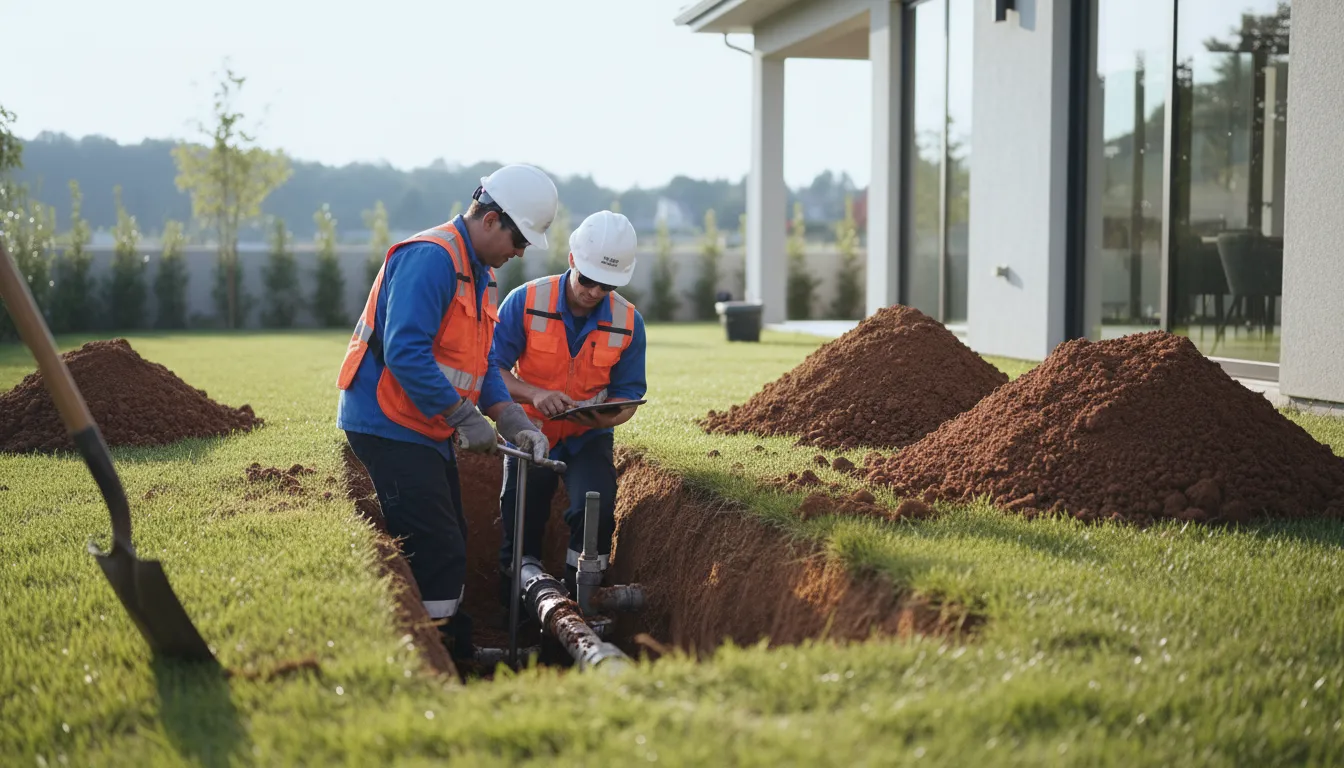
Maintaining a functional septic system is crucial for the health of your home and the local environment in Parma. When components fail, timely septic system repair is essential to prevent backups, property damage, and environmental contamination. This guide explains the common types of repairs, the local regulatory process, and how you can find qualified professionals to service your on-site wastewater treatment system.
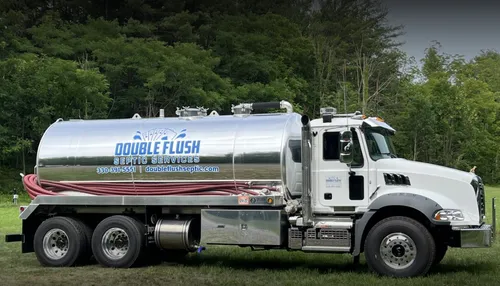
Double Flush Septic Services
2481 Remsen Rd, Medina, OH 44256
Double Flush Septic Services is a family-owned company based in Medina, OH, providing septic system installation, pumping, inspection, and repair services throughout Akron and the surrounding Northeast Ohio counties. They serve a broad area including Medina, Summit, Stark, Wayne, and Cuyahoga counties, offering expertise in maintaining and repairing septic tanks, drain fields, and aeration systems such as Norweco, Hydro-Action, and Marlow-Hunter. The company also provides emergency septic services and commercial grease trap cleaning, with capabilities like hydro jetting and drain snaking to address severe blockages. Double Flush Septic Services emphasizes local knowledge of Ohio's climate and soil conditions to support system longevity and functionality.
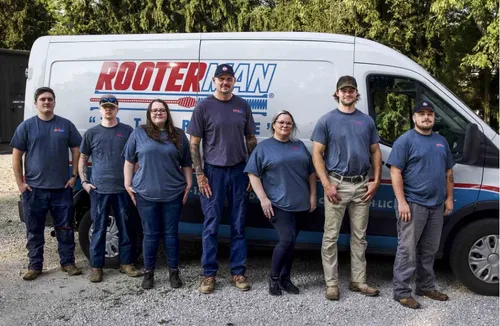
Rooter Man
195 Potomac Ave Unit B, Tallmadge, OH 44278
Rooter Man is a family-owned plumbing company serving Akron, OH, and surrounding areas including Summit, Stark, and Portage counties. They offer a wide range of services including septic tank pumping, inspection, repair, and installation, along with drain cleaning, sewer line repair, and water heater services. With over 50 years of experience, Rooter Man uses advanced tools such as hydro jetting and video pipe inspections to address plumbing and septic system issues efficiently. The company provides emergency service seven days a week to handle urgent plumbing needs.
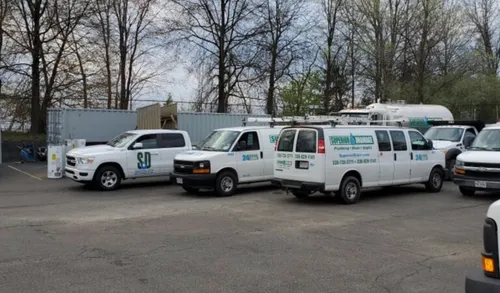
Superior Drainage
900 Killian Rd, Akron, OH 44312
Superior Drainage is a full-service plumbing company based in Akron, OH, offering residential, commercial, municipal, and septic system services. They provide septic tank pumping, repairs, and installation, along with hydro jetting and trench sewer line repair to maintain efficient wastewater management. Serving Northeast Ohio, including Summit, Portage, Stark, and Medina counties, Superior Drainage has been operating since 1996. Their team is experienced in handling a wide range of plumbing needs, from water heater installations to sewer line maintenance, with a focus on regulatory compliance and environmental safety.
A & P Septic LLC
Cleveland, OH
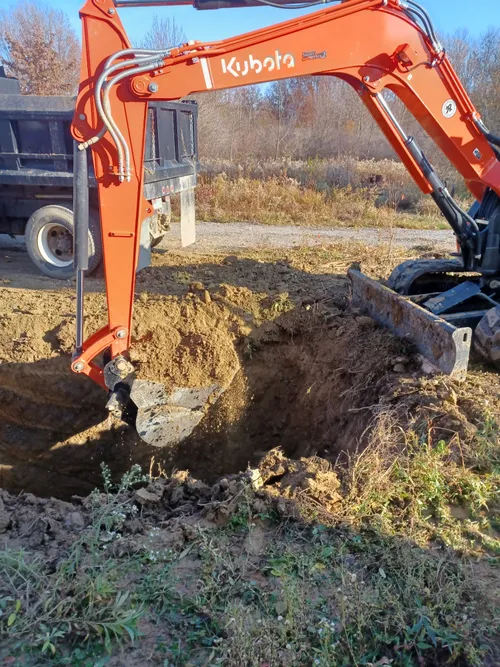
A & P Septic LLC provides septic system installation, cleaning, repair, and inspection services in Cleveland, OH. They serve Northeast Ohio with a focus on preventative maintenance to help avoid costly repairs and maintain system health. Their capabilities include septic tank pumping, sewer line services, and designed mound installations. The company emphasizes regular septic system inspections and pumping every few years to ensure trouble-free performance.
S.T.A.Y. Septic
Akron, OH
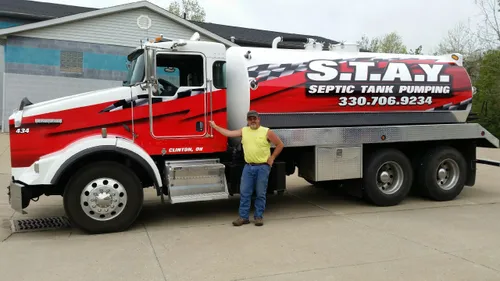
S.T.A.Y. Septic is a licensed, insured, and bonded company providing commercial and residential septic services in Akron, OH, and surrounding counties. With over 40 years of experience, they offer septic pumping, tank repair, sump pump replacement, and aeration pumping. The company operates year-round to address issues caused by seasonal weather changes and complies with Ohio state regulations for septic maintenance.
Understanding Your Septic System and Common Failures
A septic system is a self-contained wastewater treatment structure, typically consisting of a tank and a drainage field (leach field). Over time, components can wear out or fail. In Parma, common issues that necessitate septic tank repair or system servicing include hydraulic failures, where the drain field becomes saturated and can't absorb liquid, and mechanical failures of components like pumps or aerators. Recognizing early warning signs-such as slow drains, soggy ground or unpleasant odors near the tank or drain field, and sewage backups-can help you address problems before they escalate into a full system failure requiring a costly replacement.
Local Regulations: The Cuyahoga County Board of Health
All septic system maintenance and repair in Parma falls under the jurisdiction of the Cuyahoga County Board of Health (CCBH). Homeowners are required to obtain and renew an Operation Permit for their system. More importantly, many types of repairs require formal approval. If a repair alters the system's design or treatment type-such as replacing a conventional system component with an advanced treatment unit-you must obtain a permit from the health district before work begins. However, minor, like-for-like part replacements (e.g., swapping a broken pump for an identical model) may not require a permit, though it's always best to check with the CCBH to ensure compliance.
The CCBH also enforces mandatory maintenance schedules, including routine pumping every 3 to 5 years. You must submit proof of this required maintenance to the county. The board conducts inspections to identify failing systems and protect groundwater quality, so keeping your system in good repair is both a personal and a community responsibility.
Types of Septic Repairs and Services
Professional septic service companies in Parma offer a range of repairs to address different issues. Understanding these can help you discuss your situation knowledgeably with a contractor.
Mechanical Repairs: For systems with pumps, aerators, or compressors (common in mound systems or advanced treatment units), these components can fail. Repairing or replacing a septic pump, float switch, or aerator motor is a frequent type of mechanical fix.
Component Replacement: This involves repairing or replacing specific parts of the tank itself. Common jobs include fixing or replacing deteriorated baffles (which prevent scum from leaving the tank), installing new risers and lids for safer access, or repairing a broken distribution box that channels liquid to the drain field.
Drain Field Rehabilitation: When a drain field fails, it's often the most serious and expensive problem. While sometimes a simple cleaning of the pipes can help, severe cases may require more invasive solutions like installing a completely new leach field or adding an advanced treatment unit to improve effluent quality before it reaches the soil.
System Upgrades and Replacement: If a repair is not feasible or cost-effective, a complete system replacement may be necessary. In some areas of Parma, if a sanitary sewer line becomes available, the county may require you to abandon your septic system and connect to the municipal sewer, which is a major project.
Find the perfect septic system repair companies for your needs
Get personalized recommendations and expert advice
The Inspection and Diagnosis Process
Before any repair can be planned, a thorough inspection is needed to diagnose the problem. Here's what you can expect during a professional septic system inspection in Parma:
Scheduling and Access: You can hire a licensed service provider directly, or they may contact you as part of a county-mandated inspection cycle. The inspector will need clear access to the tank lid (often via risers) and the drain field area.
Tank Assessment: The inspector will pump out the tank to examine its interior for cracks, leaks, or structural damage. They will also measure the levels of sludge and scum; a rule of thumb is that the combined sludge and scum should not fill more than one-third of the tank's liquid depth. This determines if routine pumping is the solution or if other issues are present.
Component Check: All mechanical components, like pumps and alarms, are tested for proper operation. Baffles and tees are checked for integrity 1.
Drain Field Evaluation: The inspector will examine the soil absorption area for signs of failure, such as soggy ground, surfacing sewage, or overly lush grass. They may also perform a percolation test or use a dye test to see if untreated wastewater is surfacing 2 3.
Cost Considerations and Financial Assistance
The cost of septic system repair in Parma varies widely based on the problem. Routine pumping and cleaning typically cost between $100 and $200 4 5. A standard inspection ranges from $100 to $200, though more comprehensive evaluations can reach up to $900 6. Mechanical pump repairs or component replacements can cost several hundred to a few thousand dollars.
For major repairs or full system replacements, costs can be significant. Fortunately, financial help may be available. The Ohio EPA administers funding assistance programs for homeowners with low to moderate incomes who need to repair or replace failing household sewage treatment systems. These funds are often distributed through local health departments like the CCBH. It's worth contacting the CCBH to inquire about potential eligibility for these state programs if you are facing a major, costly repair 7.
Maintaining Your System Post-Repair
After a repair is completed, proper maintenance is key to preventing future issues. Adhere to the CCBH's required pumping schedule of every 3 to 5 years 8. Be mindful of what goes down your drains-avoid flushing chemicals, grease, wipes, and other non-biodegradable items. Conserve water to avoid overloading the system. Keep detailed records of all inspections, pumping, and repairs, as you will need to provide this documentation to the county 9. A well-maintained system is less likely to need major emergency repairs and will protect your investment and property value.
Frequently asked questions
Sources
Footnotes
-
Information for Contractors - Ohio Department of Health - https://odh.ohio.gov/know-our-programs/sewage-treatment-systems/INFORMATION-FOR-CONTRACTORS ↩
-
How to Get Septic to Pass Inspection - https://www.guardianangelinspections.com/how-to-get-septic-to-pass-inspection ↩
-
Septic Inspection Explained: What Homeowners Can Expect - https://www.townesseptic.com/blog/what-happens-during-a-septic-inspection ↩
-
STS Components, Systems and Maintenance - https://odh.ohio.gov/know-our-programs/sewage-treatment-systems/information-for-homeowners/sts-components-systems-and-maintenance ↩
-
Home Sewage Treatment Systems (HSTS) - Ohio EPA - https://epa.ohio.gov/wps/portal/gov/epa/divisions-and-offices/environmental-financial-assistance/financial-assistance/home-sewage-treatment-systems-hsts ↩
-
How Much Does a Septic Inspection Cost? [2026 Data] - Angie's List - https://www.angi.com/articles/septic-inspection-cost.htm ↩
-
Sewage - Holmes County General Health District - https://www.holmeshealth.org/sewage/ ↩
-
Information for Homeowners - https://odh.ohio.gov/know-our-programs/sewage-treatment-systems/INFORMATION-FOR-HOMEOWNERS ↩
-
Household Sewage Operation & Management Program | CCBH - https://ccbh.net/household-sewage-management/ ↩