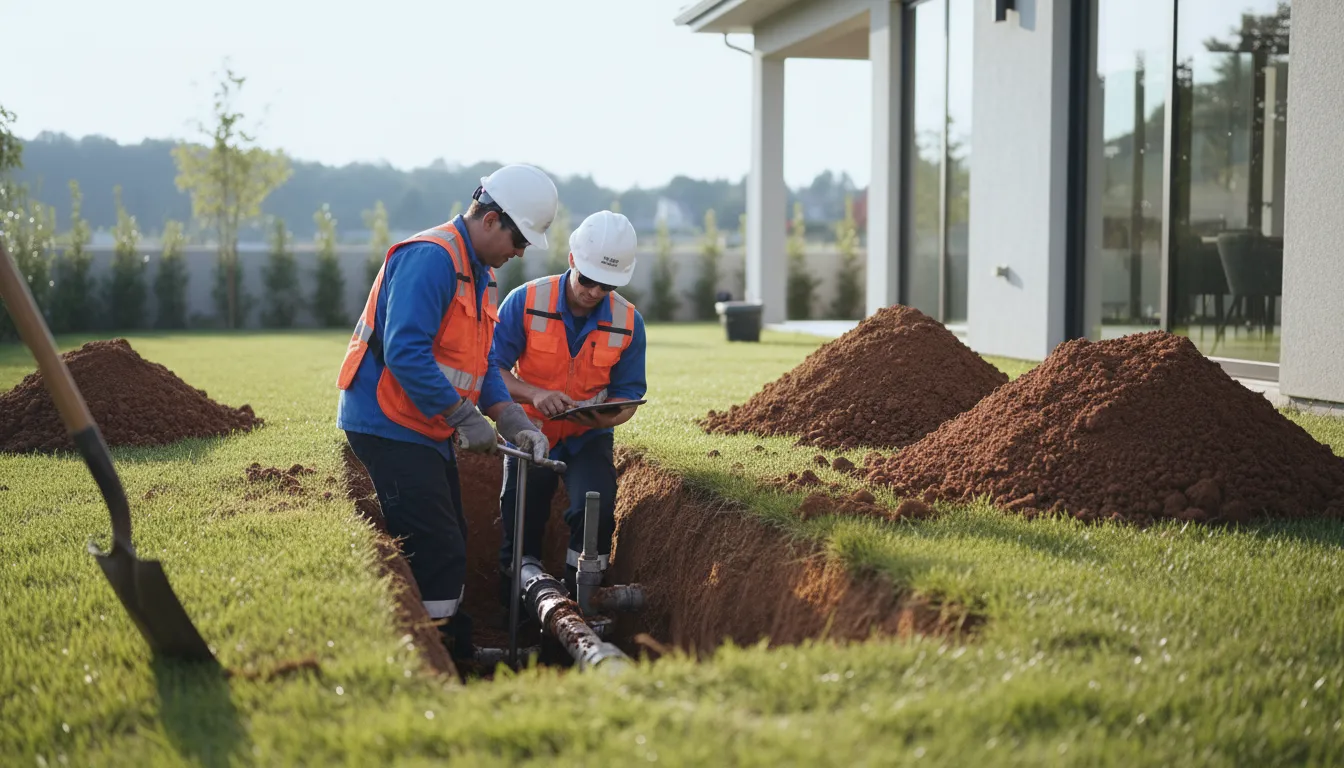
Find the Best Septic System Repair Companies for Your Business
No obligation • Fast responses • Nationwide coverage

Why you can trust Septic Spot
Septic Spot is a leading United States resource for understanding and comparing septic services. Our editors review providers using consistent criteria and verify key business details. Listings and scores are independent, and companies cannot pay to influence our content.
Search providers near you
Top Septic System Repair Companies in Youngstown, Ohio Ranked
Maintaining a functional septic system is a critical responsibility for homeowners not connected to municipal sewer lines. When problems arise, from slow drains to soggy yard patches, timely and professional septic system repair is essential to protect your property, your health, and the local environment. In Youngstown and Mahoning County, all repair work is regulated by local and state health authorities, requiring licensed contractors for any significant work. This guide will help you understand the common types of septic repairs, the local regulatory process, and how to find qualified professionals to service your onsite wastewater treatment system.
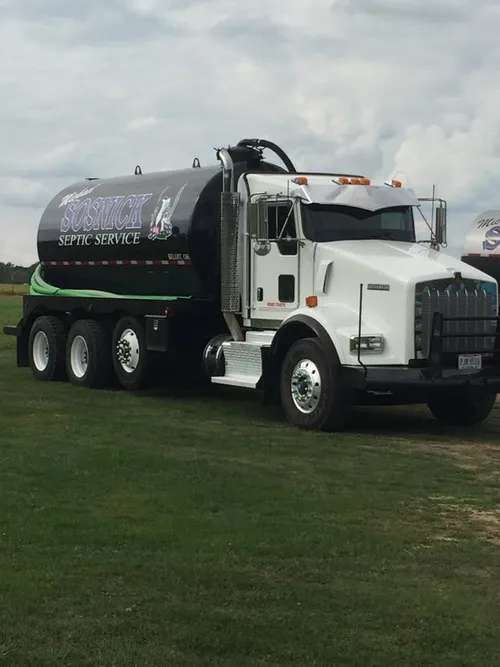
Understanding Your Septic System and Common Failures
A standard septic system is composed of two main parts: a watertight tank and a soil absorption area, often called a drain field or leach field. The tank separates solids from liquids, allowing clarified effluent to flow out to the drain field, where it percolates into the soil for final treatment. Repairs can target either component.
Common signs that your system needs attention include:
- Slow-draining sinks, tubs, and toilets.
- Gurgling sounds in plumbing fixtures.
- Sewage odors around the yard or home.
- Unusually lush, green grass or soggy, wet spots over the drain field.
- Sewage backing up into the home.
Ignoring these signs can lead to a complete system failure, environmental contamination, and costly property damage. In Mahoning County, all systems must have an active Operation Permit, which requires renewal and regular inspections 1.
Local Regulations: Permits and Licensed Contractors in Mahoning County
All septic system work in Youngstown falls under the jurisdiction of the Mahoning County Board of Health, which enforces rules set by the Ohio Department of Health and the Ohio Environmental Protection Agency (EPA). Understanding these rules is the first step in any repair project.
Key Regulations:
- Licensed Contractors: Only state-registered sewage treatment system contractors can legally perform repairs, maintenance, or pumping. Always verify a contractor's registration.
- Permit Requirements: Any major alteration, component replacement, or new installation requires an installation permit from the Mahoning County Health Department before work begins 2.
- Mandatory Inspections: To obtain a permit, an inspection of the existing system is typically required. Furthermore, Ohio law mandates regular inspections: standard systems every 3 years, and systems with pumps or aerators annually 3.
- Operation & Maintenance (O&M) Program: Homeowners are required to maintain an active Operation Permit for their system, which involves adhering to inspection schedules and proper maintenance.
Types of Septic Repairs: From Minor Fixes to Major Overhauls
Septic system repairs are categorized by their complexity and whether they require a county permit.
Minor Repairs (Often No Permit Required)
These are fixes that do not alter the system's design or capacity. A licensed contractor can typically perform them without a permit.
- Replacing Baffles or Tee Assemblies: These components inside the tank prevent solids from escaping into the drain field. They can degrade over time.
- Installing Access Risers and Lids: Adding or replacing risers brings the tank access to the surface, making future pumping and inspection much easier and cheaper.
- Cleaning Effluent Filters: Modern tanks have filters on the outlet; cleaning this is routine maintenance.
Major Repairs (Permit Required)
These repairs involve excavating and replacing key system components and always require a county permit.
- Replacing Broken Distribution Pipes: The network of perforated pipes in the drain field can crack or clog.
- Repairing or Replacing the Distribution Box (D-Box): This box evenly distributes effluent from the tank to the drain field lines.
- Septic Tank Replacement: If a tank is cracked, collapsed, or leaking, it must be dug up and replaced with a new one 4 5 6.
Complete System Replacement
When the soil absorption area is permanently clogged (a condition called "failure"), repair is not possible. A new leach field must be installed, often in a new location on the property. This is a major construction project requiring soil testing, design, and multiple permits. In some cases, a more sophisticated alternative treatment system may be necessary.
Find the perfect septic system repair companies for your needs
Get personalized recommendations and expert advice
The Diagnostic Process: What to Expect During an Inspection
Before any repair is planned, a thorough inspection is necessary to diagnose the problem. A standard inspection by a licensed professional includes several key steps 7 8:
- Locate & Uncover: The technician will locate the tank and drain field, then excavate to open the access risers or manhole.
- Pump the Tank: The tank is pumped out to allow for a clear inspection of its interior structure, including walls, baffles, and the outlet.
- Component Assessment: The inspector checks all tank components for integrity and examines the drain field for signs of surface failure.
- Flow Test: They will check that wastewater is flowing properly from the house to the tank and that the tank is not backing up or leaking.
This inspection provides the blueprint for determining whether a simple fix or a major repair is needed.
Cost Considerations for Septic Repair in Youngstown
Costs for septic services in Youngstown vary widely based on the job's scope. Here is a general overview based on regional data:
- Routine Inspection: Typically costs between $200 and $900, with an average around $550 9.
- Routine Pumping: Essential maintenance, averaging between $50 and $100 per year of tank capacity (e.g., a 1,000-gallon tank pumped every 3 years) 10.
- Minor Repairs: Such as replacing a baffle, generally range from $100 to $300 11.
- System Replacement: This is a significant investment. Replacing a drain field or installing a new engineered system can cost from several thousand dollars to over $10,000 for complex situations 12.
Financial Assistance: Homeowners facing the high cost of replacing a failing system should contact the Mahoning County Board of Health. They may provide information on potential funding opportunities through state programs like the Ohio EPA's Water Pollution Control Loan Fund (WPCLF).
Maintaining Your System to Avoid Costly Repairs
The best repair is the one you never need. Proactive maintenance can extend your system's life for decades.
- Pump Regularly: Have your tank pumped every 3-5 years by a licensed hauler.
- Conserve Water: Spread out laundry loads and fix leaky fixtures to avoid overloading the drain field.
- Mind What You Flush: Only human waste and toilet paper should go down the drain. Avoid chemicals, grease, wipes, and feminine products.
- Protect the Drain Field: Never drive or park vehicles over it, and keep rainwater drainage systems away from the area.
Finding a Qualified Septic Repair Professional
When you need service, choosing the right contractor is crucial. Look for a provider who is:
- Licensed & Registered: Confirm their active registration with the state of Ohio.
- Insured: Carry adequate liability and workers' compensation insurance.
- Local & Experienced: Familiar with Mahoning County's specific soil conditions and health department protocols.
- Transparent: Willing to provide a detailed, written estimate and explain the necessary permits.
A reputable professional will handle the permit application process with the health department on your behalf, ensuring the repair is done legally and to code.
Frequently asked questions
Sources
Footnotes
-
Mahoning County Septic Inspection Regulations - https://www.aeration-septic.com/mahoning-county-septic-inspection-regulations/ ↩
-
Sewage Program Information & Fees - https://sciotocountyhealth.com/environmental/sewage_program_information___fees/index.php ↩
-
Operation & Maintenance Program for Household Sewage ... - https://www.lcghd.org/om-program-septic/ ↩
-
Information for Homeowners - https://odh.ohio.gov/know-our-programs/sewage-treatment-systems/INFORMATION-FOR-HOMEOWNERS ↩
-
Understanding Ohio's Septic System Regulations - https://checkmateohio.com/understanding-ohios-septic-system-regulations/ ↩
-
Household Sewage Treatment Systems (HSTS)- NPDES - Ohio EPA - https://epa.ohio.gov/divisions-and-offices/surface-water/permitting/discharging-household-sewage-treatment-systems-general-permits ↩
-
Septic System Inspections: A Step-by-Step How-To Guide - https://westcoastsanitationinc.com/septic-inspection-service/ ↩
-
Septic System Inspection: What to Expect During an OSS Inspection - https://liljohnsanitary.net/what-is-a-septic-system-inspection-what-to-expect-during-an-oss-inspection-in-lummi-island/ ↩
-
How Much Does a Septic Inspection Cost? [2026 Data] - Angie's List - https://www.angi.com/articles/septic-inspection-cost.htm ↩
-
STS Components, Systems and Maintenance - https://odh.ohio.gov/know-our-programs/sewage-treatment-systems/information-for-homeowners/sts-components-systems-and-maintenance ↩
-
Information for Contractors - Ohio Department of Health - https://odh.ohio.gov/know-our-programs/sewage-treatment-systems/INFORMATION-FOR-CONTRACTORS ↩
-
Home Sewage Treatment Systems (HSTS) - Ohio EPA - https://epa.ohio.gov/wps/portal/gov/epa/divisions-and-offices/environmental-financial-assistance/financial-assistance/home-sewage-treatment-systems-hsts ↩