
Find the Best Septic System Repair Companies for Your Business
No obligation • Fast responses • Nationwide coverage

Why you can trust Septic Spot
Septic Spot is a leading United States resource for understanding and comparing septic services. Our editors review providers using consistent criteria and verify key business details. Listings and scores are independent, and companies cannot pay to influence our content.
Search providers near you
Top Septic System Repair Companies in Brentwood, Tennessee Ranked
A failing septic system is a serious issue that can threaten your property value, your family's health, and the local environment. Septic system repair in Tennessee involves a regulated process to ensure repairs are done correctly and safely. This guide explains the key steps, regulations, and costs you need to know to navigate a septic repair project in Tennessee, helping you understand what to expect and how to find qualified local professionals to get the job done right.
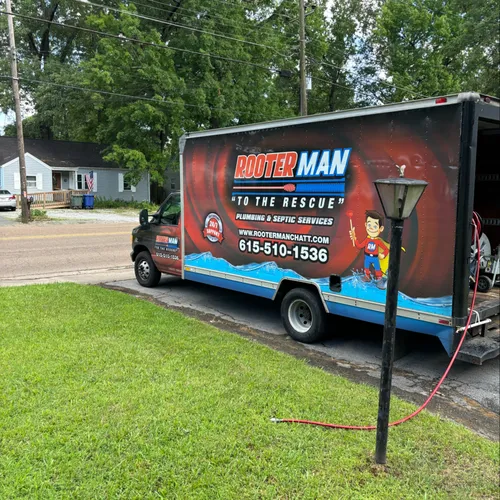
Rooter-Man
303 E Old Hickory Blvd, Madison, TN 37115
Rooter-Man is a plumbing and septic service provider based in Nashville, TN. They offer a wide range of services including septic tank pumping, inspection, repair, and installation, as well as general plumbing repairs and maintenance. The company uses advanced technologies such as leak detection and sewer camera inspection to ensure effective solutions. Rooter-Man provides 24-hour emergency plumbing services, responding promptly to urgent issues. Their team is experienced in handling both routine and complex plumbing problems, including septic system care and pipe repairs.
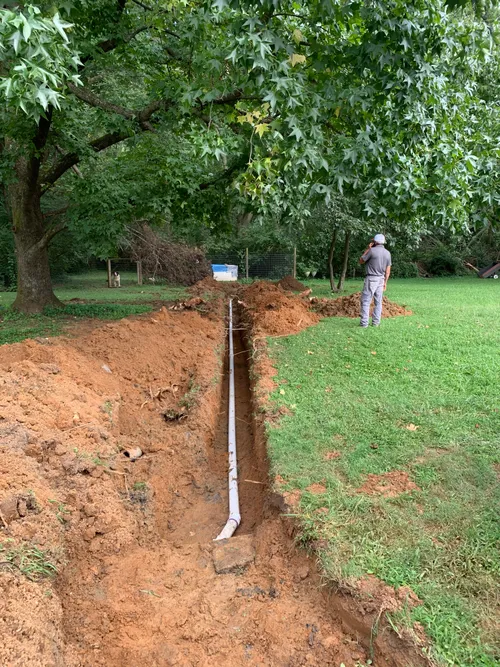
Mid- Tenn Septic & Plumbing
Nashville, TN
Mid-Tenn Septic & Plumbing is a septic tank pumping, inspection, repair, and installation company serving Nashville, TN. They offer comprehensive plumbing and septic solutions, including drain cleaning, pipe replacements, and septic system maintenance. The team uses modern diagnostic tools to identify and resolve issues effectively, focusing on long-term results rather than temporary fixes. With decades of experience, they understand local conditions affecting septic systems and plumbing, helping to prevent costly problems through proactive care and regular maintenance.
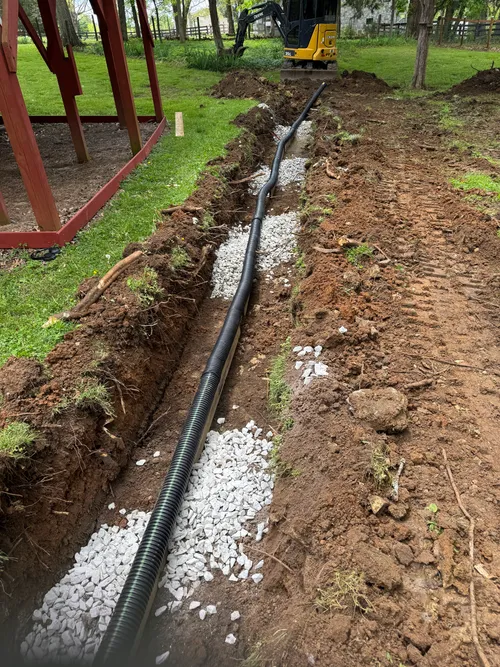
Septic Masters LLC
166 Acton St B, Franklin, TN 37064
Septic Masters LLC is a family-owned business providing septic system services in Nashville, TN, including the nearby Brentwood and Franklin areas. They specialize in residential septic tank pumping, inspection, and repair, handling both conventional and low-pressurized pipe systems. Their team focuses on environmentally responsible solutions and offers thorough septic inspections and timely repairs to maintain system efficiency.
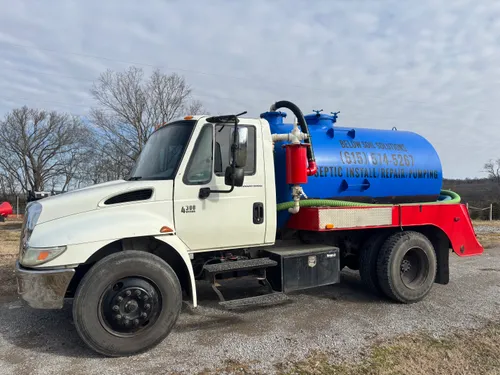
Below Soil Solutions
4558 Murfreesboro Rd, Lebanon, TN 37090
Below Soil Solutions is a septic system repair and installation company based near Nashville, TN, serving Middle Tennessee. They specialize in septic systems, utility lines, drainage, and related excavation services. The company offers capabilities including new septic installations, repairs, and electric and water line work. With a family trade background and extensive experience in excavation, they focus on meeting inspection standards and maintaining property aesthetics. Below Soil Solutions also provides emergency services for urgent needs.
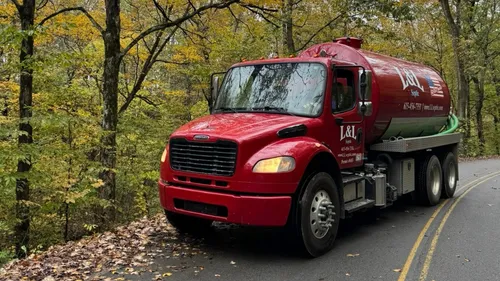
L&L Septic
2051 Carters Creek Pike, Franklin, TN 37064
L&L Septic is a family-owned septic service provider based in Nashville, TN, serving Franklin and the surrounding Williamson County area for over a decade. They offer a range of residential and commercial septic services including tank pumping, inspections, repairs, installations, and drain field replacements. The company is licensed and certified in Tennessee and Williamson County, ensuring professional and secure handling of septic systems. L&L Septic is known for upfront pricing and a commitment to customer satisfaction, with after-hours service available for emergencies.
Understanding Tennessee's Septic Repair Regulations
Before any work begins on a failing septic system, you must understand the state's regulatory framework. The Tennessee Department of Environment and Conservation (TDEC) Division of Water Resources, along with local county health departments, oversees all onsite wastewater systems. A permit is legally required for any significant repair work 1 2 3. Starting a project without the proper permits can result in fines and orders to cease work, ultimately costing you more time and money.
The primary goal of these regulations is to protect groundwater, which is a critical drinking water source for many Tennesseans. Rules mandate specific setbacks from water bodies and require a minimum vertical separation-typically 2 feet-between the system's drainage components and the seasonal high groundwater table 4 5. These protections ensure that wastewater is properly treated by the soil before it re-enters the environment.
The Permit Process for Septic Repairs
Navigating the permit process is your first official step. Here's a breakdown of what it entails:
- Permit Necessity: A formal septic repair permit is required before any repair work starts on a failing system. This applies to both minor fixes that alter the system and major components like drainfield replacements.
- Application Process: Applications are typically submitted to your local TDEC Environmental Field Office or county health department. Many counties and the state provide application forms online via TN.gov. The application will require details about your property and the proposed repair.
- Repair Fees: There is usually a fee associated with the permit application and the subsequent inspection. For a standard repair inspection, this fee is commonly around $100 6. However, permits for a full system replacement or a new alternative system installation can cost significantly more, sometimes around $500.
- Approval Timeline: Once submitted, permit reviews generally take about 10 business days, but complex situations can extend the review period up to 45 days. It's crucial to factor this into your planning, especially for urgent repairs.
- Permit Validity: If your repair involves new construction or a major modification, the issued construction permit is typically valid for three years, giving you a window to complete the work 7.
Site Evaluation and Key Repair Considerations
A successful repair isn't just about fixing a broken pipe; it's about ensuring the entire site can support a functional system long-term. State regulations often require a detailed site evaluation, especially for drainfield issues.
- Soil Analysis: A high-intensity soil map, often prepared by a licensed soil scientist or consultant, may be required. This analysis determines the soil's percolation rate-how quickly water drains-which dictates the size and type of system your property can support. This professional service can cost between $600 and $800.
- Drainfield Diagnosis: Common reasons for drainfield failure include soil compaction, biomat clogging, excessive surface water, or a high water table. Simply replacing the drainfield in the same location may not work if the underlying soil conditions are unsuitable. In such cases, an alternative system like a Low-Pressure Pipe (LPP) system or a raised mound system may be necessary 8.
- Site Improvements: Often, part of the repair solution involves managing water flow around the system. This includes ensuring roof gutters, yard drains, and surface runoff are diverted away from the drainfield area. Proper grading is essential to prevent surface water from saturating the soil 9.
Find the perfect septic system repair companies for your needs
Get personalized recommendations and expert advice
Common Types of Repairs and Associated Costs
The cost of septic system repair in Tennessee varies dramatically based on the nature and severity of the problem. Understanding the scope of work will help you budget appropriately.
- Minor Repairs: These are the least expensive fixes and might include replacing a clogged effluent filter, repairing a damaged baffle inside the tank, or clearing a blocked pipe between the tank and drainfield. These repairs may only cost a few hundred dollars, though the permit and inspection fees still apply.
- Drainfield Repair or Replacement: This is the most common and costly type of major repair. If a portion of the drainfield has failed, a technician may be able to repair or expand it. A complete drainfield replacement, however, is a significant excavation project. Costs for drainfield work typically range from $3,000 to over $10,000, heavily dependent on soil conditions, system size, and whether an alternative technology is needed 10 11.
- Tank Repairs: While less common than drainfield issues, septic tanks can crack, especially older concrete models. Repairing a significant crack or replacing a failing tank is a major excavation project and often falls on the higher end of the cost spectrum, similar to a drainfield replacement.
- Alternative Systems: If a conventional gravel trench system is not viable due to poor soil or a high water table, you may need to install an approved alternative system. Options like mound systems, aerobic treatment units (ATUs), or sand filters are engineered solutions that treat wastewater to a higher standard. These systems are generally more expensive to install and maintain than conventional systems.
Choosing a Qualified Repair Professional in Tennessee
Given the technical and regulatory complexity, selecting the right contractor is critical. Look for a licensed septic system installer or repair professional with extensive experience in Tennessee. They should be fully familiar with TDEC and local county regulations. A reputable professional will handle the permit application process on your behalf, conduct or arrange for any necessary soil evaluations, and provide a detailed written estimate that clearly separates labor, materials, and permit fees. Always check references and verify their license status with the state before signing a contract.
Maintaining Your System Post-Repair
Once your system is repaired and permitted, proper maintenance is key to preventing future failures. This includes regular pumping of the septic tank (typically every 3-5 years), conserving water to avoid overloading the system, and avoiding flushing harmful chemicals or non-biodegradable materials. Protect your new drainfield by never driving or parking heavy vehicles over it and keeping deep-rooted plants and trees away from the area.
Frequently asked questions
Sources
Footnotes
-
Online Application for Septic Related Services - TN.gov - https://www.tn.gov/environment/permit-permits/water-permits1/septic-systems-permits/ssp/wr-sds-online-application-for-ground-water-protection-services.html ↩
-
Septic System Construction Permit - TN.gov - https://www.tn.gov/environment/permit-permits/water-permits1/septic-systems-permits/ssp/permit-water-septic-system-construction-permit.html ↩
-
Septic System Related Permits - TN.gov - https://www.tn.gov/environment/permit-permits/water-permits1/septic-systems-permits/ssp/permit-water-septic-system-related-permits.html ↩
-
Groundwater Services - Health Department - Knox County - https://www.knoxcounty.org/health/groundwater_protection/groundwater_services.php ↩
-
Septic Tank Regulations (PDF) - https://www.shelbytnhealth.com/DocumentCenter/View/174/Septic-Tank-Regulations-PDF ↩
-
Madison County Health - https://www.madisoncountytn.gov/DocumentCenter/View/17018/Septic-System-Application ↩
-
Tenn. Comp. R. & Regs. 0400-48-01-.06 - CONSTRUCTION PERMIT - https://www.law.cornell.edu/regulations/tennessee/Tenn-Comp-R-Regs-0400-48-01-.06 ↩
-
Septic Systems - https://tva.com/environment/shoreline-construction-permits/section-26a-guidance/septic-systems ↩
-
Septic System Information - JonesboroughTN.org - https://www.jonesboroughtn.org/wp-content/uploads/Septic_System_Information.pdf ↩
-
What is the purpose of a soil map in the septic permit process ... - https://www.facebook.com/groups/barndominiums/posts/1207569767338532/ ↩
-
How Much Does It Cost to Replace a Septic System? - https://alphaenvironmental.net/blog/how-much-cost-replace-septic-system/ ↩