
Find the Best Septic System Repair Companies for Your Business
No obligation • Fast responses • Nationwide coverage

Why you can trust Septic Spot
Septic Spot is a leading United States resource for understanding and comparing septic services. Our editors review providers using consistent criteria and verify key business details. Listings and scores are independent, and companies cannot pay to influence our content.
Search providers near you
Top Septic System Repair Companies in Clarksville, Tennessee Ranked
When your septic system shows signs of trouble-like slow drains, soggy ground, or unpleasant odors-it's a clear signal that professional septic system repair is needed. In Clarksville, addressing these issues promptly is crucial for protecting your property, your health, and the local groundwater. This guide explains the local repair process, common fixes, and how to connect with qualified, licensed professionals who can diagnose and resolve your onsite wastewater system problems.
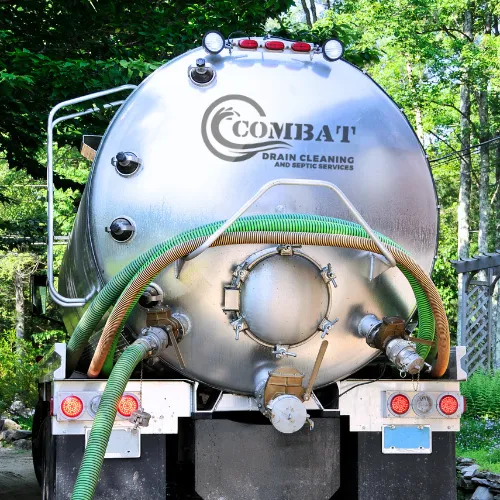
Combat Drain Cleaning and Septic Services
Clarksville, TN
Combat Drain Cleaning and Septic Services is a licensed septic system installer serving Clarksville, TN, and surrounding areas. They specialize in septic tank pumping, septic system inspection, drain cleaning, sump pump repair, leach field repair, and septic tank installation. With over 20 years of industry experience, they focus on maintaining and repairing residential septic and drainage systems. The company offers 24/7 availability, including after-hours service, to address urgent drain and septic issues promptly.
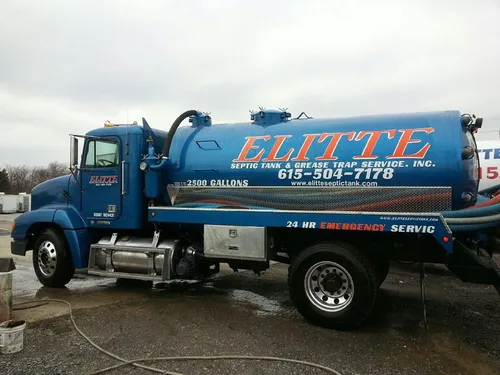
Elitte Septic Tank & Grease Trap Service, Inc.
1035 Bradley Dr, Springfield, TN 37172
Elitte Septic Tank & Grease Trap Service, Inc. provides septic tank pumping, inspection, repair, and installation services in Nashville, TN. The company handles locating septic tanks and field lines, pumping out tanks, repairing lines, and installing new septic systems with care and professionalism. They have experience working on challenging projects such as accessing tanks under concrete and rerouting plumbing to unused tanks. Their team is known for thorough excavation and cleanup after work is completed.
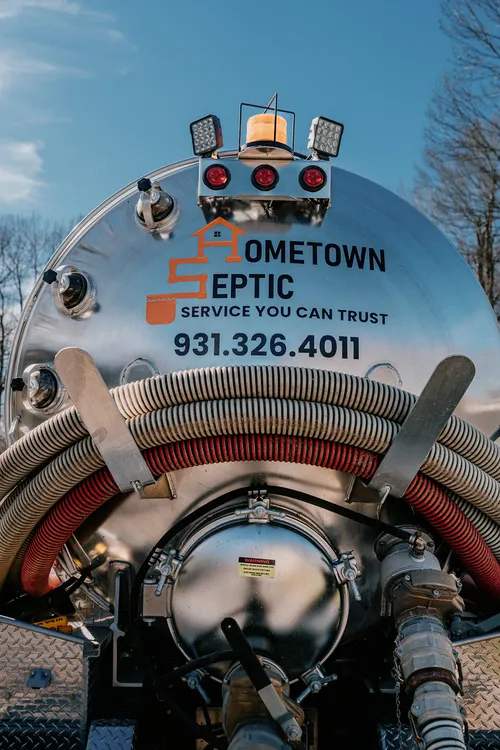
Hometown Septic
4576 Old Clarksville Pike, Clarksville, TN 37043
Hometown Septic is a family-owned business serving Nashville, TN, and nearby areas including Clarksville and Stewart County. With over 30 years of experience, they provide septic tank pumping, installation, maintenance, and repair services. They also offer roll-off dumpsters and portable restroom rentals, supporting both residential and commercial needs. The company is a registered SAM.gov vendor, supplying sanitation solutions for military and government projects such as Ft. Campbell, KY. Their team is equipped to handle a wide range of septic and sanitation tasks with professional expertise.

Elitte Septic Tank Services
Clarksville, TN 37040
Elitte Septic Tank Services is a septic tank pumping, inspection, repair, and installation company serving Nashville, TN. They handle locating septic tanks and field lines, pumping tanks, repairing broken lids and lines, and installing new septic systems. The team is known for careful excavation and site cleanup. Customers have noted their ability to work efficiently in challenging conditions and their attention to detail in preserving property features during repairs.
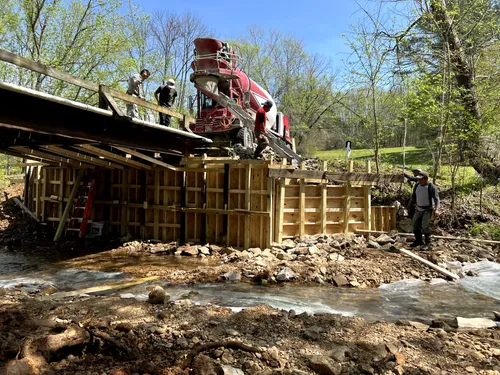
Workman General Contractors, LLC
4792 Chapel Hill Rd, Southside, TN 37171
Workman General Contractors, LLC is a septic system repair and installation company based in Nashville, TN. With over 30 years of experience in industrial construction and residential services, they offer a wide range of services including earthwork, grading, new construction, septic system installation and repair, renovations, and underground utility installations. They serve Clarksville, TN, and surrounding areas, bringing expertise and attention to detail to each project.
Understanding Septic System Regulations in Montgomery County
Repairing a residential septic system in Clarksville is not a simple DIY project. All work is strictly regulated by the Tennessee Department of Environment and Conservation (TDEC) and local Montgomery County health officials to prevent contamination of groundwater sources. The cornerstone of this regulation is the Septic System Repair Permit. Before any corrective work begins on a failing system, property owners must obtain this permit. The requirement applies to any repair, whether it's fixing internal tank components or extending drain field lines 1.
The permit process is designed to ensure repairs are performed correctly and safely. Applications are submitted online via TDEC's eServices portal or directly through the local health department. If a system failure is suspected, the first official step is often a verification inspection by a county official. Following this, the property owner must hire a licensed contractor to expose the system for a more detailed inspection, which informs the repair plan submitted for the permit. These permits are typically valid for 12 months, with provisions for extensions if needed 2.
The Professional Inspection: Diagnosing the Problem
Before any septic tank repair can be planned, a thorough professional inspection is essential to pinpoint the exact cause of failure. This diagnostic process typically involves several key steps 3 4:
- Locating the System: Using historical records or electronic locating equipment, the technician finds the tank, distribution box, and drain field.
- Exposing Access Ports: The tank lids and inspection ports are uncovered to allow internal access.
- Measuring Sludge and Scum: A "sludge judge" is used to measure the accumulation levels, determining if routine pumping is the primary need or if a deeper problem exists.
- Checking Components: The inlet and outlet baffles (or tees), the distribution box (D-box), and pipes are inspected for cracks, blockages, or root intrusion.
- Hydraulic Load Test: Running water into the system helps assess the drain field's absorption capacity and check for backups or surface breakout.
- Written Report: A detailed report outlines the system's condition, identifies failures, and recommends necessary repairs.
This inspection, which can cost between $500 and $1,000 or more, is a critical investment 5. It provides the blueprint for effective, code-compliant corrective action and is usually required for the permit application.
Common Septic Repair Solutions in Clarksville
The appropriate fix depends entirely on the inspection findings. Here are the most common types of septic system repairs performed in the Clarksville area:
1. Routine Pumping and Cleaning: Often, the first step in addressing slow drains or odors is simply removing the accumulated sludge and scum from the tank. This routine maintenance, costing between $250 and $500 on average, can sometimes resolve minor issues and is a crucial part of diagnosing more serious problems 6 7 8.
2. Component Repairs: Failures often occur at specific points. Common fixes include:
- Replacing Baffles or Tees: The inlet or outlet pipes inside the tank can crack or break, allowing solids to escape into the drain field. Replacing these is a relatively minor repair 9.
- Distribution Box Repair/Replacement: The D-box ensures effluent is evenly distributed to all drain field lines. If it becomes clogged, tilted, or cracked, it can be leveled, cleaned, or replaced 10.
3. Drain Field Rehabilitation: When the soil absorption area fails, solutions vary in complexity:
- Exploratory Dig and Line Cleaning: Technicians locate and expose clogged lateral lines to jet them clear or use other methods to restore flow, potentially revitalizing the field without full replacement 11.
- Partial or Full Leach Field Replacement: If the soil is permanently clogged (a condition called "biomat" failure), installing new trenches or an entirely new drain field area may be necessary. This is a major repair that requires a new permit and represents a significant investment, often costing thousands to tens of thousands of dollars 12.
4. Alternative System Installation: In areas of Clarksville with poor soil percolation, a conventional repair may not be feasible. In such cases, the approved repair may involve installing an alternative system, such as a Low-Pressure Pipe (LPP) or Mound system, which are engineered to treat wastewater in challenging conditions 13.
Find the perfect septic system repair companies for your needs
Get personalized recommendations and expert advice
Working with Licensed Septic Contractors
While Montgomery County does not license contractors directly, it requires that any professional performing septic system repair hold a valid Tennessee Installer Permit issued by TDEC 14. It is imperative to verify a contractor's license status before hiring them. This can be done through the TDEC DataViewer tool online 14. Hiring an unlicensed individual can result in improper repairs, voided permits, and further environmental damage.
When seeking estimates, it is highly recommended to get multiple quotes from established, licensed Clarksville-area contractors 15. Be sure each quote details the scope of work, aligns with the permitted repair plan, and includes all potential costs. Remember that permit fees, which are non-refundable and paid upon application, are typically separate from contractor costs 16.
Costs and Considerations for Septic Repairs
The financial impact of a septic repair can vary dramatically based on the diagnosis:
- Minor Repairs: Fixing a broken baffle or cleaning a distribution box may cost a few hundred dollars.
- Major Repairs: A partial or complete leach field replacement is a substantial project, with costs easily reaching into the thousands or even over ten thousand dollars.
- Permit Fees: These are in addition to labor and materials and are required to make the repair legal and recorded.
Investing in a proper, permitted repair protects your property value and prevents more costly emergencies down the line. A failing septic system is a public health concern, and addressing it correctly is a responsibility of every homeowner.
Maintaining Your System Post-Repair
Once your septic system has been repaired, proper maintenance is key to preventing a recurrence. This includes regular pumping every 3-5 years (or as recommended based on usage), conserving water to avoid overloading the system, and avoiding flushing harmful chemicals or non-biodegradable materials. A well-maintained system can last for decades, making routine care a cost-effective strategy.
Frequently asked questions
Sources
Footnotes
-
Septic System Repair Guidelines - Montgomery County - https://www.montgomerycountymd.gov/DPS/Resources/Files/Land_Development/Guideline_Septic%20System%20Repair.pdf ↩
-
Online Application for Septic Related Services - TN.gov - https://www.tn.gov/environment/permit-permits/water-permits1/septic-systems-permits/ssp/wr-sds-online-application-for-ground-water-protection-services.html ↩
-
Homeowner's Guide to Septic Systems - Lebanon, TN - https://www.lebanontn.org/DocumentCenter/View/273/Detailed-Septic-Information-PDF ↩
-
Septic Inspection Explained: What Homeowners Can Expect - https://www.townesseptic.com/blog/what-happens-during-a-septic-inspection ↩
-
New Homebuyer's Guide to Septic Systems - EPA - https://www.epa.gov/sites/default/files/2017-08/documents/170803-homebuyerssepticguide_508c.pdf ↩
-
Leach Fields Clarksville, TN | 24/7 Emergency Services - https://combatdraincleaning.com/leach-fields ↩
-
Understanding and Inspecting Septic Systems - Flush Fellas - https://www.theflushfellas.com/understanding-and-inspecting-septic-systems ↩
-
Septic Tanks - Clarksville Plumbing and HVAC Pros - https://www.cobblerhomeservices.com/plumbing-services/septic-tanks/ ↩
-
Preparing for Septic Tank Inspection: 7 Key Steps - https://septic911.com/preparing-for-septic-tank-inspection/ ↩
-
Clarksville TN Septic System Service - https://jlgsepticllc.com/service-areas/tennessee/clarksville/ ↩
-
Septic Cleaning & Installation in Clarksville, TN - https://freedomplumbingclarksville.com/septic-cleaning/ ↩
-
Onsite Wastewater Treatment Systems "Septic Systems" - https://www.tn.gov/health/cedep/environmental/healthy-homes/hh/onsite-wastewater-treatment-systems.html ↩
-
Online Application for Septic Related Services - TN.gov - https://www.tn.gov/environment/permit-permits/water-permits1/septic-systems-permits/ssp/wr-sds-online-application-for-ground-water-protection-services.html ↩
-
Licensed Septic System Installers & Septic Tank Pumpers - TN.gov - https://www.tn.gov/environment/permit-permits/water-permits1/septic-systems-permits/ssp/wr-sds-active-installers-pumpers.html ↩ ↩2
-
TOP 10 BEST Septic Tank Services in Clarksville, TN - Yelp - https://m.yelp.com/search?find_desc=Septic+Tank+Services&find_loc=Clarksville%2C+TN ↩
-
DPS - Septic System Repair Permit Process - Montgomery County - https://www.montgomerycountymd.gov/DPS/Process/ld/septic-repair-permit.html ↩