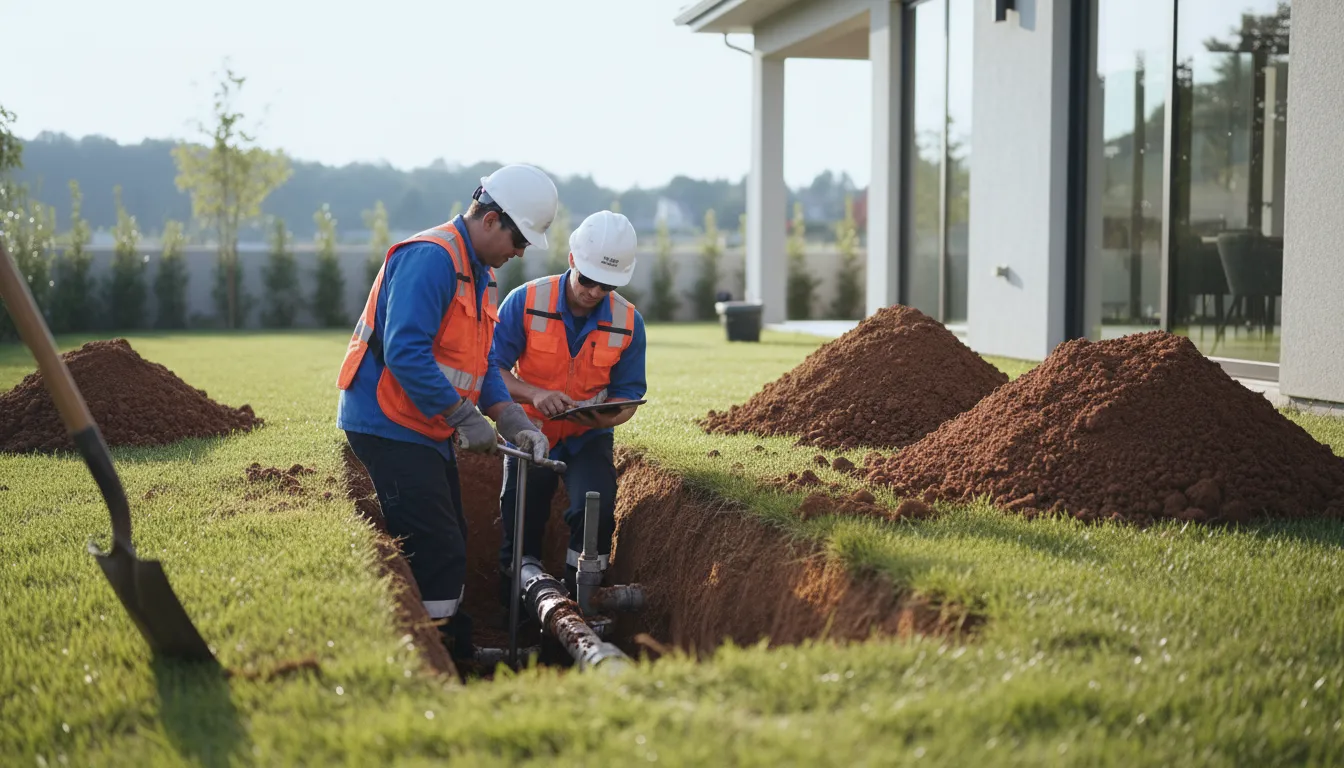
Find the Best Septic System Repair Companies for Your Business
No obligation • Fast responses • Nationwide coverage

Why you can trust Septic Spot
Septic Spot is a leading United States resource for understanding and comparing septic services. Our editors review providers using consistent criteria and verify key business details. Listings and scores are independent, and companies cannot pay to influence our content.
Search providers near you
Top Septic System Repair Companies in Chattanooga, Tennessee Ranked
A failing septic system is more than an inconvenience; it's a serious health and environmental hazard that requires immediate attention. Septic system repair in Chattanooga involves diagnosing and fixing issues with your private wastewater treatment system, from minor component replacements to major drain field restoration. Understanding local regulations and finding qualified professionals is crucial, as all repair work in Hamilton County must be permitted and performed by licensed installers. This guide will help you navigate the process, recognize signs of trouble, and connect with local experts to restore your system's function and protect your property.
Poop Dudes
2715 Forest Rd, Chattanooga, TN 37406
Poop Dudes is a family-owned septic service company based in Chattanooga, TN, serving the greater Chattanooga area and north Georgia. With over 20 years of experience, they provide a full range of septic services including tank pumping, inspections, repairs, and installations. Their licensed technicians handle various septic systems such as standard, low pressure pipe, mound, and drip systems. Poop Dudes also offers 24-hour emergency septic services to address urgent needs promptly.
Flush Fellas Septic and Excavating - Chattanooga
Chattanooga, TN
Flush Fellas Septic and Excavating - Chattanooga is a veteran-owned septic service company based in Chattanooga, TN. They provide residential and commercial septic tank pumping, installation, inspection, and repair services, including drain field repair and septic pump replacement. The company uses video scoping technology to diagnose septic issues and offers detailed post-service reports with maintenance recommendations. Licensed in Tennessee and Georgia, Flush Fellas serves the Chattanooga area and North Georgia metro region. They also provide 24/7 emergency septic services for urgent repairs and pump issues.

Hiller Plumbing, Heating, Cooling & Electrical
7339 Lee Hwy, Chattanooga, TN 37421
Hiller Plumbing, Heating, Cooling & Electrical is a service provider based in Chattanooga, TN, offering septic system repair and septic tank installation among other services. They handle installation, maintenance, and repair of septic systems with thorough testing and checks to ensure functionality. The company also provides plumbing, HVAC, and electrical services, addressing issues such as clogged pipes, heating and cooling system repairs, and electrical safety concerns.
Rapid Rooter Septic Services
Chattanooga, TN
Rapid Rooter Septic Services is a family-owned company serving Chattanooga, TN, and north Georgia with over 20 years of experience in septic system services. They offer a wide range of services including septic tank pumping, inspections, repairs, installations, and drain field repairs. The company is licensed to work on all types of septic systems in Tennessee and provides 24-hour emergency service for urgent septic needs. Their team is skilled in handling everything from routine maintenance to complex repairs and new system installations.
Roto Rooter Plumbing Drain and Septic Services
Chattanooga, TN
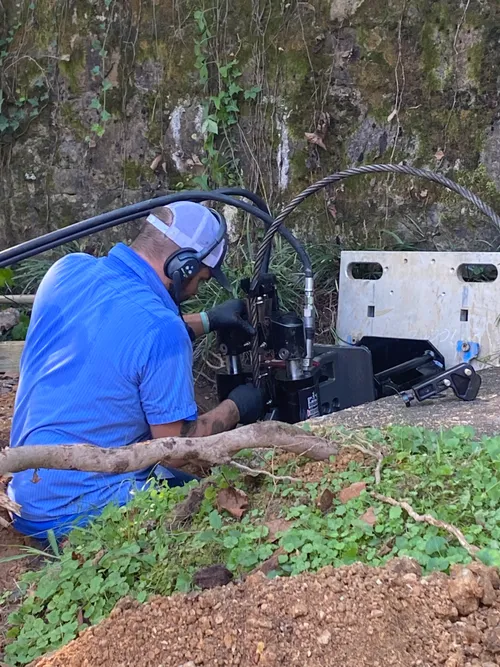
Roto Rooter Plumbing Drain and Septic Services provides septic tank pumping, inspection, and repair services in Chattanooga, TN. Serving the entire Chattanooga metro area, they offer full-service plumbing and drain cleaning with a focus on emergency and same-day service. Established in 1935, the company uses state-of-the-art equipment and is licensed and insured. They operate 24/7 without extra charges for nights, weekends, or holidays.
Understanding Septic System Failures
A septic system is a complex, underground wastewater treatment structure. When functioning properly, it safely processes household waste. Failure occurs when the system can no longer effectively treat or dispose of effluent. In Chattanooga's varied terrain, common causes of failure include aging infrastructure, lack of routine maintenance, soil compaction, and root intrusion into drain lines. A key indicator of trouble is sewage backing up into household drains. Other warning signs include foul odors around the tank or drain field, persistently soggy ground or standing water over the leach field, and unusually lush, green grass growing over the absorption area. Ignoring these signs can lead to groundwater contamination, property damage, and violations of local health codes.
Hamilton County Regulations and Permit Requirements
All septic system repair work in Chattanooga and Hamilton County is strictly regulated. The Hamilton County Public Health department enforces the Tennessee Private Sewage Disposal Code, which mandates that any repair to a failing system requires a permit. Homeowners must obtain a Septic System Repair Permit before any work begins. This process ensures repairs meet state and local standards for environmental protection.
The permit application is submitted to the Tennessee Department of Environment and Conservation (TDEC), often through their online portal 1. A non-refundable permit fee of $200.00 is standard. Critically, the law requires that only state-licensed septic system installers or pumpers perform the repair work 2. Furthermore, homeowners must notify the assigned Hamilton County Environmental Health Worker (EHW) at least 48 hours before starting the repair. Once work is complete, but before the system is covered, a final inspection by the health department is required to approve the repair.
Common Types of Septic Repairs
The scope of septic system servicing in Chattanooga can range from simple fixes to complex excavations. The specific repair needed depends on the diagnosis from a thorough inspection.
Component Repairs: These are often the most straightforward and least expensive fixes. They include replacing deteriorated inlet or outlet baffles (which prevent scum and solids from leaving the tank), repairing or replacing a damaged distribution box, or installing new tank covers and access risers. Risers are particularly valuable upgrades, providing easy access for future pumping and inspections without the need for digging.
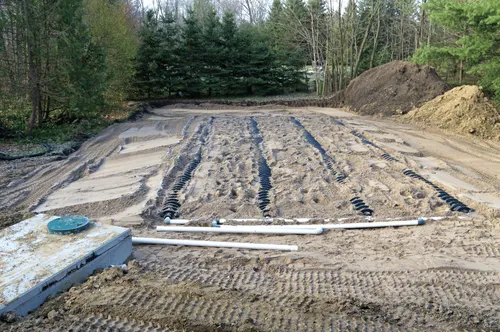
Drain Field (Leach Field) Repairs: This is where issues become more serious and costly. The drain field is the area where treated effluent is absorbed into the soil. Problems here can involve clogged or crushed perforated pipes, biomat buildup, or soil saturation. Repairs may involve high-pressure jetting to clean lines, "spot" replacement of failed sections of the field, or even the installation of a completely new drain field in a different location on the property 3 4.
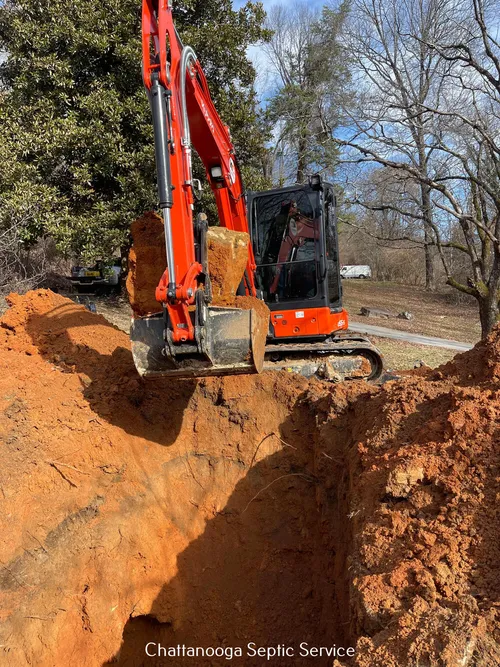
Structural Tank Repairs: Cracks or leaks in the concrete, fiberglass, or plastic septic tank itself require immediate attention. For minor cracks, professional-grade epoxy injections can sometimes seal the leak. More significant structural damage may necessitate a partial or complete tank replacement, which is a major excavation project 5.
Root Intrusion Remediation: Tree and shrub roots seek out moisture and nutrients, making septic lines a prime target. Repair involves using mechanical augers or hydro-jetting to cut through root masses clogging the pipes. Following removal, a root inhibitor may be applied to the line to slow regrowth.
The Professional Inspection & Diagnosis Process
Before any repair can be planned, a proper diagnosis is essential. A professional septic inspection in Chattanooga is a multi-step investigative process.
First, the technician will locate all system components, which may involve consulting property records or using specialized probes. The tank access lids are then uncovered. A critical next step is pumping the tank to allow for a full interior visual inspection. This lets the professional check for structural cracks, inspect baffle conditions, and measure sludge and scum layers 6 7.
The inspection then moves to the drain field. The technician will look for visual signs of failure and may perform a hydraulic load test or a dye test. In a dye test, a non-staining fluorescent dye is flushed into the system, and the drain field area is monitored to see if the dye surfaces, indicating a leak or absorption failure 8 9. More advanced diagnostics include using sewer cameras to inspect the integrity of the pipes leading from the house to the tank and from the tank to the drain field 10.
Find the perfect septic system repair companies for your needs
Get personalized recommendations and expert advice
Cost Considerations for Septic Repairs in Chattanooga
The cost of septic system fixes in Chattanooga varies dramatically based on the repair's complexity, soil conditions, and ease of access. It's important to view some costs as investments in preventative maintenance.
- Permits and Inspections: The county repair permit fee is $200.00 11. A standard diagnostic inspection typically ranges from $300 to $500, though more comprehensive inspections using cameras or requiring full excavation of components will cost more.
- Pumping and Minor Repairs: Routine septic tank pumping for maintenance averages $350 to $600+. Installing access risers or replacing a pump or baffle can range from a few hundred to over $1,000 12.
- Major Drain Field Repairs: Addressing problems in the leach field is significantly more expensive due to the excavation and materials required. Costs often start around $3,000 and can go much higher depending on the size and repair method 13.
- Complete System Replacement: When a system is beyond repair, a full replacement is necessary. This is a major project, with costs in the Chattanooga area typically ranging from $10,000 to $60,000. The final price is heavily influenced by soil type (percolation test results), terrain, local regulations, and the chosen system technology 14.
Maintaining Your System Post-Repair
After investing in a repair, proper maintenance is key to extending your system's lifespan. This includes pumping the tank every 3-5 years (or as recommended based on usage), conserving water to avoid overloading the system, and being mindful of what goes down the drains. Avoid flushing anything besides human waste and toilet paper, and never pour grease, chemicals, or medications down the drain. Regularly inspect the drain field area for early warning signs and keep heavy vehicles and structures off the entire septic system area to prevent soil compaction and pipe damage.
Frequently asked questions
Sources
Footnotes
-
Online Application for Septic Related Services - TN.gov - https://www.tn.gov/environment/permit-permits/water-permits1/septic-systems-permits/ssp/wr-sds-online-application-for-ground-water-protection-services.html ↩
-
Licensed Septic System Installers & Septic Tank Pumpers - TN.gov - https://www.tn.gov/environment/permit-permits/water-permits1/septic-systems-permits/ssp/wr-sds-active-installers-pumpers.html ↩
-
Septic System Repairs and Modifications in Chattanooga, TN - https://sewerman.com/chattanooga/services/pipe-repairs/ ↩
-
Septic Tank & Field Line Services in Chattanooga, TN - https://www.chattanoogaseptic.systems/about-chattanooga-septic-systems ↩
-
Chattanooga Septic Tank Repair - Rooter-Man - https://www.rootermanchatt.com/septic-services/septic-system-tank-repair/ ↩
-
Septic System Inspections in Chattanooga, TN | SewerMan - https://sewerman.com/chattanooga/services/oil-to-gas-conversions/ ↩
-
Preparing for Septic Tank Inspection: 7 Key Steps - https://septic911.com/preparing-for-septic-tank-inspection/ ↩
-
Septic System Inspections: A Step-by-Step How-To Guide - https://westcoastsanitationinc.com/septic-inspection-service/ ↩
-
Essential Septic Inspections: What Every Homebuyer and Seller Should Know - Septic-Masters - https://septic-masters.com/essential-septic-inspections-what-every-homebuyer-and-seller-should-know/ ↩
-
Septic Inspection Process: What Homeowners Should Know ... - https://www.lunspro.com/vlog/the-septic-system-inspection-process-what-homeowners-should-know ↩
-
Septic System Policy - Hamilton County Public Health - https://www.hamiltoncountypublichealth.com/wp-content/uploads/2020/02/Septic-Systems-Policy-Revised-2-2020.pdf ↩
-
Septic System Inspection and Maintenance - https://www.youtube.com/watch?v=uzksFrBBlzM&t=36 ↩
-
Understanding and Inspecting Septic Systems - Flush Fellas - https://www.theflushfellas.com/understanding-and-inspecting-septic-systems ↩
-
How Much Does It Cost to Replace a Septic System? - https://alphaenvironmental.net/blog/how-much-cost-replace-septic-system/ ↩