
Find the Best Septic System Repair Companies for Your Business
No obligation • Fast responses • Nationwide coverage

Why you can trust Septic Spot
Septic Spot is a leading United States resource for understanding and comparing septic services. Our editors review providers using consistent criteria and verify key business details. Listings and scores are independent, and companies cannot pay to influence our content.
Search providers near you
Top Septic System Repair Companies in Collierville, Tennessee Ranked
A failing septic system is more than an inconvenience; it's a public health concern and a significant property issue. Septic system repair involves diagnosing and fixing problems with your home's private wastewater treatment system, from the tank to the drain field. In Collierville, these repairs are strictly regulated to protect local groundwater. This guide explains the local process, common fixes, and how to connect with licensed professionals who can safely restore your system to proper function.
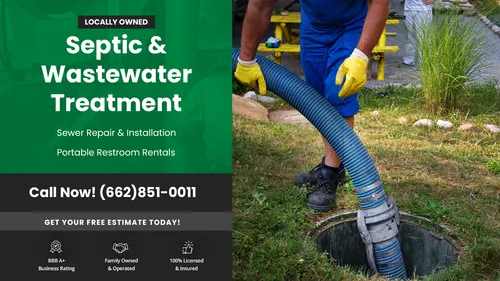
ABC Plumbing & Septic Service
741 Lee Creek Rd, Byhalia, MS 38611
ABC Plumbing & Septic Service is a septic tank pumping, inspection, repair, and installation company serving Memphis, TN. With over 70 years of experience, they provide residential, commercial, and industrial septic services including hydrojetting, video inspection, and drain field repair. The company offers 24/7 emergency service and uses advanced equipment to ensure effective septic system maintenance and repairs.
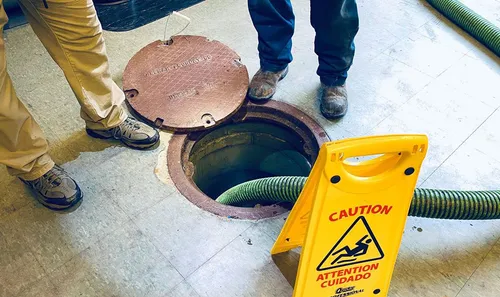
Mid South Septic, A Wind River Company
11284 Gulf Stream Rd, Arlington, TN 38002
Mid South Septic, A Wind River Company, provides septic tank pumping, inspection, and repair services in Memphis, TN. They serve residential, commercial, municipal, and industrial clients throughout the Mid-South region. The company offers comprehensive septic system care, including routine maintenance, in-depth inspections, and timely repairs to help extend system life and prevent costly issues. Established in the early 1999s, Mid South Septic combines local expertise with the resources of a national network. They also provide 24/7 service availability for urgent septic needs.
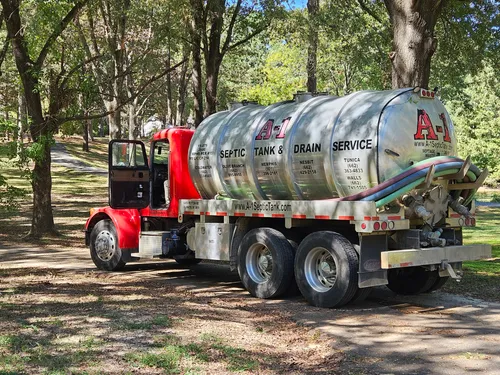
A-1 Septic Tank & Drain Service
6809 Peyton Rd, Coldwater, MS 38618
A-1 Septic Tank & Drain Service is a family-owned company serving Memphis, TN, and the surrounding Mid-South area. They provide septic tank cleaning, inspections, repairs, and maintenance for residential and commercial customers. The company uses certified professionals and modern techniques to diagnose and fix septic system issues, including pump repair and replacement. Established in 1983, A-1 Septic Tank & Drain Service offers 24-hour emergency services for commercial clients to address urgent septic problems promptly.
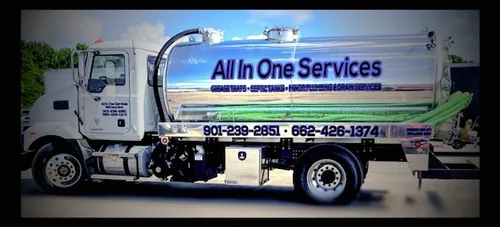
All In One Services
1651 Dancy Blvd #4b, Horn Lake, MS 38637
All In One Services is a family-owned business serving Memphis, TN, with over 20 years of experience in septic system care. They provide a range of services including septic tank pumping, inspections, repairs, and drain field replacement. The company uses hydro-jetting equipment to clear clogged sewer lines and offers expert advice based on thorough inspections to help maintain and extend the life of septic systems.

Midsouth Septic Service
75 Culver Way, Somerville, TN 38068
Midsouth Septic Service provides septic tank pumping, inspection, and repair services in Memphis, TN. Serving residential, commercial, municipal, and industrial clients, they offer comprehensive septic and wastewater management solutions. Their capabilities include routine maintenance, in-depth inspections, and timely repairs to help extend system life and prevent costly issues. Operating since the early 1999s, Midsouth Septic Service combines local expertise with the resources of Wind River Environmental. They provide 24/7 availability to address septic needs at any time.
Understanding Septic System Regulations in Shelby County
All subsurface sewage disposal system (SSDS) work in Collierville falls under the jurisdiction of the Shelby County Health Department's Water Quality Branch 1. This means you cannot simply hire any contractor to dig up and fix your system. The department enforces state and local codes to ensure repairs are done correctly, safeguarding both your property and the community's water supply.
The cornerstone of this regulation is the repair permit. Before any corrective work begins-whether it's a small component replacement or a major drain field issue-you or your licensed contractor must obtain a Septic System Repair Permit from the Health Department 2. Starting work without this permit can lead to fines and complications. The permit process ensures that a qualified inspector reviews the proposed repair plan for compliance with safety and environmental standards.
The Step-by-Step Repair Process
Navigating a septic repair in Collierville follows a defined path. Understanding these steps can help you manage the project smoothly and avoid costly missteps.
- Problem Identification & Professional Assessment: The first sign is often a symptom: slow drains, sewage backups, or soggy ground over the drain field. A licensed septic system installer will perform a thorough inspection to diagnose the exact issue, which dictates the repair strategy.
- Permit Application: Once the problem is known, your licensed professional will typically handle the permit application with the Shelby County Health Department. This involves submitting a repair plan for review3 4. A non-refundable processing fee of approximately $175 is required at this stage.
- Site Evaluation & Pre-Repair Inspection: A groundwater protection representative from the Health Department will often visit your property to verify the repair plan against the actual site conditions. This step confirms that the proposed fix is suitable and meets all regulations.
- Executing the Repair: Only after the permit is issued can the licensed installer begin the physical repair work. They are trained to handle everything from tank integrity to soil absorption issues.
- Final Inspection and Approval: This is a critical milestone. Before the repaired components are covered with dirt, you must call the Health Department for a final inspection. The inspector will verify the work matches the permitted plan. Upon passing, you'll receive a certificate of completion, which is essential for your property records.
Common Types of Septic Repairs in Collierville
Repairs can range from simple, affordable fixes to complex, expensive projects. Here are the most common issues that licensed professionals address in our area.
Septic Tank Corrections
The tank itself can develop problems over time. Common tank-related repairs include:
- Replacing a Damaged Tank: Tanks can crack, collapse, or leak due to age, ground pressure, or corrosion. Replacement is a major repair but is necessary to prevent groundwater contamination.
- Baffle Repair or Replacement: The inlet and outlet baffles inside the tank are crucial for preventing scum and sludge from escaping into the drain field. If damaged, they must be fixed promptly5.
- Installing Access Risers: Adding risers from the tank lids to the surface is a popular upgrade. It's not always a "repair" for a failure, but it makes future inspection, pumping, and minor repairs much easier and less expensive by eliminating the need to dig every time.
Drain Field (Leach Field) Rehabilitation
The drain field is where treated effluent is absorbed into the soil. Problems here are often serious.
- Clearing or Replacing Drain Lines: Lines can become clogged with solids or biomat. Sometimes they can be jetted or cleaned; other times, sections need to be excavated and replaced.
- Repairing the Distribution Box: The D-box evenly distributes effluent to all drain lines. If it becomes clogged, cracked, or tilted, it can cause uneven distribution and field failure.
- System Add-ons: Installing an effluent filter on the tank's outlet is a proactive repair measure. It catches solids that escaped the tank, protecting the drain field from premature clogging and extending its lifespan significantly.
Complete System Replacement
When a system is too old, undersized, or has a drain field that has completely failed, repair may not be feasible. In these cases, the existing system is abandoned, and a new SSDS must be designed and installed according to current codes. This is the most extensive and costly project, requiring new permits, soil evaluations, and installation.
Find the perfect septic system repair companies for your needs
Get personalized recommendations and expert advice
What to Expect During a Repair Inspection
Whether it's the initial site evaluation or the final sign-off, an inspector from the Health Department will visit your property. To prepare:
- Locate System Components: Have the "as-built" diagram of your system available. If you don't have it, the Health Department may have a record6.
- Ensure Clear Access: The repair crew should have already exposed the septic tank lid, inspection ports, and the specific area being repaired so the inspector can easily view the work7.
- Be Prepared for the Outcome: The inspector will verify that the repair complies with the approved permit. Passing the final inspection is required to legally close the work order and consider the system functional.
Cost Considerations for Septic Repairs
Costs in Collierville vary widely based on the repair's complexity. It's important to get detailed estimates from licensed contractors.
- Permit and Fees: Budget for the Health Department's permit processing fee (approx. $175)8. Some contractors include this in their quote.
- Minor Repairs: Fixing a baffle or installing a riser might cost a few hundred dollars.
- Major Repairs: Replacing a distribution box or a section of drain line can cost several thousand dollars, depending on excavation depth and materials.
- System Replacement: This is a major construction project. Costs for a new conventional system in our region can range from $5,000 to $20,000 or more, influenced by soil type, system size, and design.
- Pumping: Often, the tank must be pumped as part of the repair process. This typically adds $250 to $500 to the project cost9.
Always choose a contractor who provides a clear, written estimate that breaks down labor, materials, permit fees, and any potential contingencies.
Finding and Working with a Licensed Professional
This is the most important decision you'll make. In Tennessee, only state-licensed septic system installers and pumpers are legally authorized to perform repair work10 11. You can verify a contractor's license status through the Tennessee Department of Environment and Conservation. When interviewing potential contractors, ask:
- "Can you provide proof of your state installer/pumper license?"
- "Will you handle the permit application with the Shelby County Health Department?"
- "Can you provide references for similar repair jobs in Collierville?"
- "What is included in your written estimate, and what could cause the price to change?"
For urgent issues or to verify procedures, you can contact the Shelby County Health Department Water Quality Branch directly at 901-222-900012.
Frequently asked questions
Sources
Footnotes
-
Water Quality & Septic Tank Program - https://www.shelbytnhealth.com/179/Water-Quality-Septic-Tank-Program ↩
-
Online Application for Septic Related Services - TN.gov - https://www.tn.gov/environment/permit-permits/water-permits1/septic-systems-permits/ssp/wr-sds-online-application-for-ground-water-protection-services.html ↩
-
Online Application for Septic Related Services - TN.gov - https://www.tn.gov/environment/permit-permits/water-permits1/septic-systems-permits/ssp/wr-sds-online-application-for-ground-water-protection-services.html ↩
-
Subsurface Sewage Disposal System (SSDS) Permits - TN.gov - https://www.tn.gov/environment/permit-permits/water-permits1/septic-systems-permits.html ↩
-
How to Inspect a Private Septic System - https://www.youtube.com/watch?v=URhIPaX-csA&t=20 ↩
-
Preparing for Septic Tank Inspection: 7 Key Steps - https://septic911.com/preparing-for-septic-tank-inspection/ ↩
-
Homes on Septic Systems - Know the laws in Tennessee! - https://www.gregorygoff.com/homes-on-septic-systems-know-the-laws ↩
-
Frequently Asked Questions - CivicPlus.CMS.FAQ - https://www.shelbycountytn.gov/faq.aspx?qid=323 ↩
-
New Homebuyer's Guide to Septic Systems - EPA - https://www.epa.gov/sites/default/files/2017-08/documents/170803-homebuyerssepticguide_508c.pdf ↩
-
Licensed Septic System Installers & Septic Tank Pumpers - TN.gov - https://www.tn.gov/environment/permit-permits/water-permits1/septic-systems-permits/ssp/wr-sds-active-installers-pumpers.html ↩
-
Licensed Septic System Installers & Septic Tank Pumpers - TN.gov - https://www.tn.gov/environment/permit-permits/water-permits1/septic-systems-permits/ssp/wr-sds-active-installers-pumpers.html ↩
-
How Does a Septic System Work? | SewerMan of Collierville, TN - https://sewerman.com/collierville-tn/services/water-heaters/ ↩