
Find the Best Septic System Repair Companies for Your Business
No obligation • Fast responses • Nationwide coverage

Why you can trust Septic Spot
Septic Spot is a leading United States resource for understanding and comparing septic services. Our editors review providers using consistent criteria and verify key business details. Listings and scores are independent, and companies cannot pay to influence our content.
Search providers near you
Top Septic System Repair Companies in Spring Hill, Tennessee Ranked
When your septic system shows signs of trouble-like slow drains, soggy patches in the yard, or unpleasant odors-prompt repair is essential to protect your property, your health, and the local environment. In Spring Hill, all septic system fixes are regulated by the Tennessee Department of Environment and Conservation (TDEC) and require specific permits and licensed professionals. This guide explains the local repair process, common issues, and how to connect with qualified specialists to restore your system's function efficiently and in compliance with state and county rules.
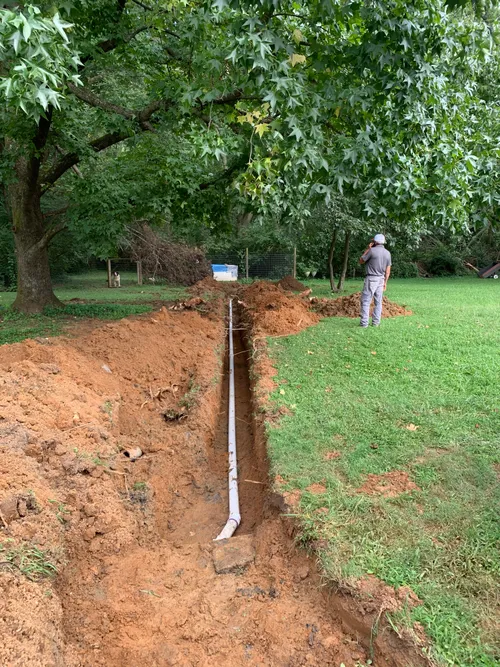
Mid- Tenn Septic & Plumbing
Nashville, TN
Mid-Tenn Septic & Plumbing is a septic tank pumping, inspection, repair, and installation company serving Nashville, TN. They offer comprehensive plumbing and septic solutions, including drain cleaning, pipe replacements, and septic system maintenance. The team uses modern diagnostic tools to identify and resolve issues effectively, focusing on long-term results rather than temporary fixes. With decades of experience, they understand local conditions affecting septic systems and plumbing, helping to prevent costly problems through proactive care and regular maintenance.
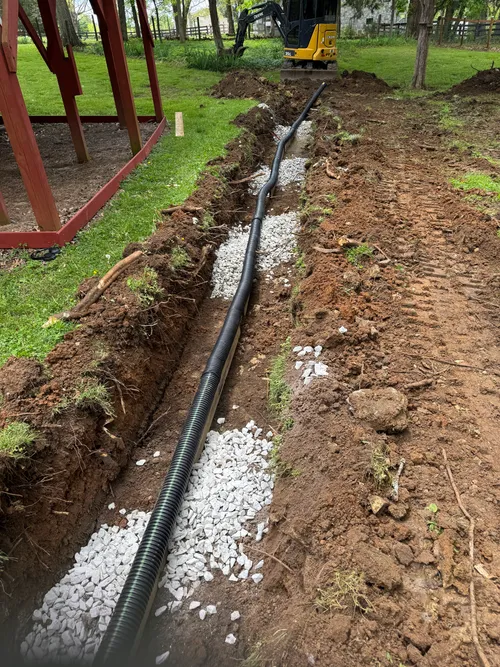
Septic Masters LLC
166 Acton St B, Franklin, TN 37064
Septic Masters LLC is a family-owned business providing septic system services in Nashville, TN, including the nearby Brentwood and Franklin areas. They specialize in residential septic tank pumping, inspection, and repair, handling both conventional and low-pressurized pipe systems. Their team focuses on environmentally responsible solutions and offers thorough septic inspections and timely repairs to maintain system efficiency.
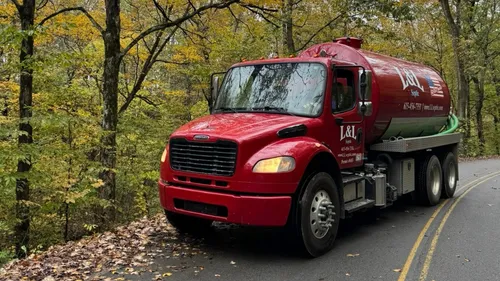
L&L Septic
2051 Carters Creek Pike, Franklin, TN 37064
L&L Septic is a family-owned septic service provider based in Nashville, TN, serving Franklin and the surrounding Williamson County area for over a decade. They offer a range of residential and commercial septic services including tank pumping, inspections, repairs, installations, and drain field replacements. The company is licensed and certified in Tennessee and Williamson County, ensuring professional and secure handling of septic systems. L&L Septic is known for upfront pricing and a commitment to customer satisfaction, with after-hours service available for emergencies.
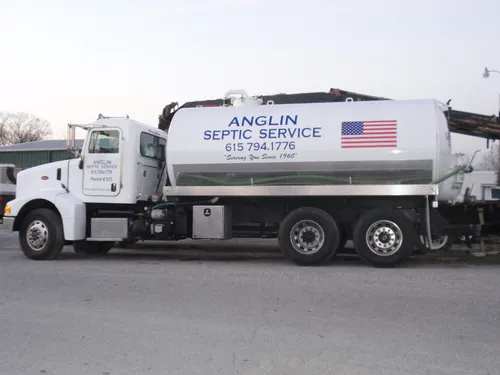
Anglin Septic Service
Nashville, TN
Anglin Septic Service is a locally owned and operated company providing residential and commercial septic system services in Nashville, TN, and surrounding counties. Established in 1960, they offer a full range of septic solutions including pumping, inspections, repairs, installations, and grease trap cleaning and certifications for commercial clients. Their experienced team handles everything from minor repairs to complete system installations, aiming to prevent further damage and maintain system efficiency.
Understanding Septic System Regulations in Tennessee
Before any repair work begins in Spring Hill, homeowners must navigate the regulatory framework. The Tennessee Department of Environment and Conservation (TDEC) oversees all septic system work through its Division of Water Resources 1. Depending on your property's location, you may interact directly with the Williamson County or Maury County Environmental Health office, as Spring Hill spans both counties 1.
The cornerstone of any repair is the Septic System Repair Permit. State law mandates that any alteration or fix to a failing system requires this specific permit before excavation or work commences 2. The application process involves a detailed review of the proposed repair, which can take up to 45 days, though repairs are often prioritized and may be approved more quickly 3. Notably, while the repair permit itself often has no fee, the required final inspection by a TDEC representative typically costs around $100.
Crucially, only state-licensed installers and pumpers are legally allowed to perform repairs or alterations on septic systems 4. Hiring a licensed professional ensures the work meets state code, which includes critical site constraints like maintaining setbacks of 50-100 feet from wells, streams, and property lines.
The Diagnostic Process: From Problem to Plan
A proper septic system fix starts with a thorough diagnosis. Licensed professionals follow a systematic approach to identify the root cause of the failure.
- Locating the System: The first step is often to find the exact location of the tank and drain field, using property records, probes, or electronic locating equipment.
- Exposing Access Points: The technician will carefully excavate to expose the tank's access covers and possibly sections of the drain field for visual inspection.
- Inspecting Tank Condition: This involves checking the tank's structure for cracks, measuring sludge and scum levels, and ensuring inlet and outlet baffles are intact. A compromised baffle can allow solids to escape into the drain field, causing clogs.
- Performance Testing: To diagnose drain field issues, a professional may conduct a dye test or hydraulic load test. This involves running a significant amount of water through the system to see if it drains properly or surfaces, indicating a clog or failure in the absorption area.
Once the problem is pinpointed, the professional will develop a repair plan and assist with the permit application to TDEC.
Common Septic Repairs in the Spring Hill Area
The rocky soil and varied topography of Middle Tennessee can influence the type of septic problems homeowners face. Here are the most frequent repairs undertaken:
- Drain Field Repair or Replacement: This is often the most extensive and costly repair. If the soil absorption area has become clogged (a condition called "biomat" buildup), options include cleaning the existing trenches, expanding the field, or constructing a completely new drain field in a different location on the property 5.
- Baffle Replacement: The concrete or plastic baffles in your tank are crucial for separating solids from liquids. If they are broken or missing, they must be replaced to prevent system failure 6.
- Installing Septic Tank Risers: Adding risers-concrete or plastic tubes that extend from the tank lids to the ground surface-is a common upgrade. They provide easy future access for pumping and inspection, saving time and money on locating and digging 7.
- Pump and Electrical Repairs: For homes with alternative systems like mound systems or those with a pump to move effluent, electrical components like pumps, floats, and alarm systems can fail and require repair or replacement 8.
- Tank Structural Repairs: While less common, cracks or holes in a concrete tank can sometimes be patched and sealed. Severe structural damage typically necessitates tank replacement.
Find the perfect septic system repair companies for your needs
Get personalized recommendations and expert advice
Understanding Repair Costs and Timelines
Costs for septic system remediation in Spring Hill vary widely based on the repair's complexity, soil conditions, and accessibility. Here's a general breakdown based on industry and state data:
- Inspection & Diagnostic Pumping: $250 - $500. Often needed to fully assess the system's condition.
- Minor Repairs: Fixing baffles, installing risers, or repairing a pump typically ranges from $500 to $1,500.
- Major Drain Field Repairs: Partial or complete drain field rehabilitation is a significant undertaking, with costs commonly ranging from $3,000 to $10,000 or more 9 10.
- Permit Inspection Fee: As noted, the state inspection for the repair permit is approximately $100 11 12.
Disclaimer: These are estimated ranges. The final cost for your septic repair project depends entirely on your specific site conditions and the extent of the damage. A licensed professional can provide a detailed quote after an on-site evaluation.
The timeline from problem discovery to completed repair involves diagnosis, permit application (which can take several weeks), scheduling the repair work, and the final TDEC inspection before the system is covered. Planning for a multi-week process is prudent.
Final Inspection and Closing the Permit
No septic system repair in Tennessee is complete without the final approval from the state. Before any repaired components-like a new drain field or tank-are backfilled, the licensed installer must notify TDEC or the local county health department.
A groundwater protection representative will visit the site to inspect the work, ensuring it matches the permitted plans and complies with all regulations. Only after this final inspection is passed can the system be covered and put back into service 13. This step is non-negotiable and is designed to protect public health and groundwater quality.
Maintaining Your Repaired System
After investing in a repair, protecting that investment through proper maintenance is key. This includes:
- Regular pumping every 3-5 years, depending on household size and usage.
- Conserving water to avoid hydraulically overloading the system.
- Avoiding flushing anything besides human waste and toilet paper.
- Keeping vehicles and heavy equipment off the drain field area.
- Directing roof drains and surface water away from the septic system.
Frequently asked questions
Sources
Footnotes
-
Health Department Notice Regarding Properties With Septic Systems - https://www.nashville.gov/departments/health/environmental-health/warranty-deed ↩ ↩2
-
Septic System Construction Permit - TN.gov - https://www.tn.gov/environment/permit-permits/water-permits1/septic-systems-permits/ssp/permit-water-septic-system-construction-permit.html ↩
-
Online Application for Septic Related Services - TN.gov - https://www.tn.gov/environment/permit-permits/water-permits1/septic-systems-permits/ssp/wr-sds-online-application-for-ground-water-protection-services.html ↩
-
Licensed Septic System Installers & Septic Tank Pumpers - TN.gov - https://www.tn.gov/environment/permit-permits/water-permits1/septic-systems-permits/ssp/wr-sds-active-installers-pumpers.html ↩
-
Deep Dive into Septic Inspections in East Tennessee - Melody ... - https://www.youtube.com/watch?v=PXAtFWvuGhY ↩
-
Septic Tank Repair | Christiana, Tennessee - https://www.scottseptictank.com/septic-tank-repair ↩
-
Septic Tank Repair Services - Advanced Heat, AC, & Plumbing - https://www.advancedheatac.com/plumbing-services/septic-tank-repair ↩
-
Septic Pump Repair | Nashville, TN - Holt Plumbing Company - https://www.holtplumbing.com/septic-pump-repair ↩
-
How Much Does It Cost to Replace a Septic System? - https://alphaenvironmental.net/blog/how-much-cost-replace-septic-system/ ↩
-
New Homebuyer's Guide to Septic Systems - EPA - https://www.epa.gov/sites/default/files/2017-08/documents/170803-homebuyerssepticguide_508c.pdf ↩
-
Septic System Construction Permit - TN.gov - https://www.tn.gov/environment/permit-permits/water-permits1/septic-systems-permits/ssp/permit-water-septic-system-construction-permit.html ↩
-
Bobby Swift - TDEC Dataviewers - TN.gov - https://dataviewers.tdec.tn.gov/dataviewers/BGWPC.GET_WPC_DOCUMENTS?p_file=487390950504365259 ↩
-
Septic Inspection Process: What Homeowners Should Know ... - https://www.lunspro.com/vlog/the-septic-system-inspection-process-what-homeowners-should-know ↩