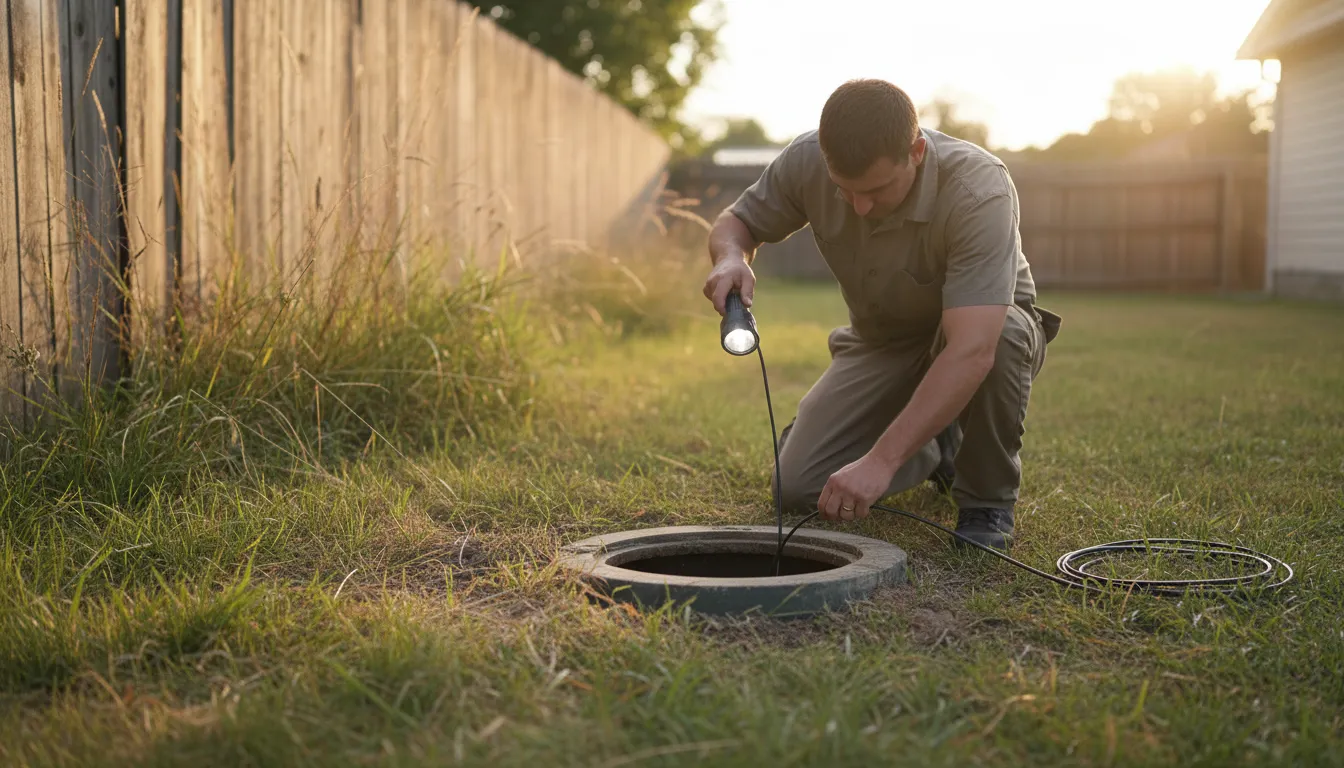
Find the Best Septic Tank Inspection Companies for Your Business
No obligation • Fast responses • Nationwide coverage

Why you can trust Septic Spot
Septic Spot is a leading United States resource for understanding and comparing septic services. Our editors review providers using consistent criteria and verify key business details. Listings and scores are independent, and companies cannot pay to influence our content.
Search providers near you
Top Septic Tank Inspection Companies in Coconut Creek, Florida Ranked
Maintaining a healthy septic system is a crucial responsibility for homeowners in Coconut Creek. A professional septic tank inspection is a comprehensive evaluation that assesses the condition, functionality, and compliance of your entire onsite wastewater treatment system. Regular evaluations are essential for protecting your property value, preventing environmental contamination, and avoiding costly emergency repairs. This guide will help you understand the local requirements, what happens during an inspection, and how to find qualified professionals in the Coconut Creek area.

Champion Septic Tank - Grease Trap, Drain Field, Lift Station, Storm Drain
405 E 41st St Unit 1D, Hialeah, FL 33013
Champion Septic Tank - Grease Trap, Drain Field, Lift Station, Storm Drain provides septic system services in Miami, FL. They offer septic tank pumping, inspection, cleaning, and drain field repair, using advanced technology and professional tools. Their licensed team handles locating tanks, hydro jet cleaning, and riser installation to maintain system performance. Serving Miami-Dade and Broward counties, the company emphasizes thorough maintenance to prevent backups and extend system life. Champion Septic Tank is family-owned and offers 24/7 emergency septic services.

Champion Septic Tank - Grease Trap, Drain Field, Storm Drain, Lift Station
4000 Hollywood Blvd suite 555-s, Hollywood, FL 33021
Champion Septic Tank - Grease Trap, Drain Field, Storm Drain, Lift Station provides septic system services in Miami, FL. The company offers septic tank pumping, inspection, cleaning, and drain field repair using advanced technology and professional tools. Their licensed team handles locating, accessing, and maintaining septic systems to ensure proper flow and function. Champion Septic Tank serves Miami-Dade and Broward counties, including North Miami, Hollywood, and surrounding areas. They provide hydro jet cleaning and riser installation as part of their capabilities. The company emphasizes thorough maintenance to extend system life and prevent backups. Champion Septic Tank offers 24/7 emergency septic services for urgent needs.
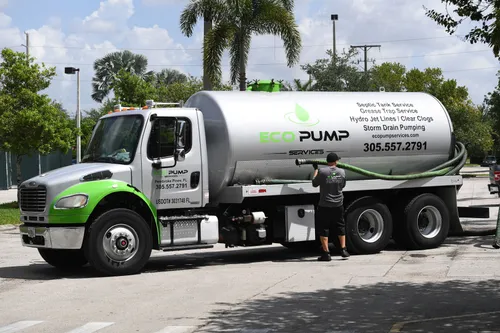
Eco Pump Services
15757 Pines Blvd Suite 315, Pembroke Pines, FL 33027
Eco Pump Services provides septic tank pumping, grease trap cleaning, and inspection services in Miami, FL, and the surrounding areas including Broward and West Palm Beach. They serve both residential and commercial clients, offering specialized capabilities such as hydro jetting for sewer drain lines and storm drain cleaning. With over 25 years of experience, Eco Pump Services is licensed and insured to handle grease trap maintenance and septic system care, ensuring compliance with local regulations.
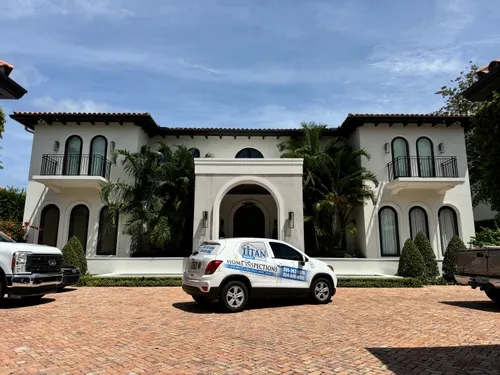
Titan Property Inspections - Home Inspector Broward
3350 SW 148th Ave Suite# 130, Miramar, FL 33027
Titan Property Inspections - Home Inspector Broward is a certified home and septic tank inspection company serving Miami, FL, and the broader South Florida area including Miami-Dade, Broward, and Palm Beach counties. They offer a range of inspection services such as septic tank and drain field inspections, mold testing, wind mitigation, 4-point inspections, and full home evaluations. The company uses advanced technology including thermal imaging and drones to provide detailed, insurance-ready reports. With over 15 years of experience and more than 55,000 inspections completed, Titan Property Inspections emphasizes thoroughness and clarity in their reports. They also provide 24/7 office support to assist clients promptly.

Champion Septic Tank - Grease Trap, Lift Station, Storm Drain
5151 Collins Ave, Miami, FL 33140
Champion Septic Tank - Grease Trap, Lift Station, Storm Drain provides septic system services in Miami, FL. They offer septic tank pumping, inspection, cleaning, and drain field repair, using advanced technology and professional tools. The company serves Miami-Dade and Broward counties, including North Miami, Hollywood, and Miami Shores. Champion Septic Tank is equipped for hydro jetting and full septic system maintenance to ensure proper flow and function. They provide 24/7 emergency septic services to address urgent issues promptly.
Why Septic System Inspections Are Critical in Coconut Creek
Coconut Creek's proximity to sensitive waterways and its sandy soil make proper wastewater management a community priority. A failing septic system can leach untreated effluent into the groundwater, posing health risks and environmental harm. In Florida, septic systems are regulated under guidelines from the Florida Department of Health (FDOH), which typically recommend inspection and pumping every 3-5 years to prevent such issues 1. Beyond environmental stewardship, a routine system check is a smart financial move. Identifying minor problems early, like a small leak or a failing baffle, can prevent a total system failure that costs tens of thousands of dollars to replace.
Local Regulations and Required Inspections
Understanding local rules is the first step for any Coconut Creek homeowner. While the Florida Department of Environmental Protection (DEP) sets statewide policy, the local Broward County Health Department handles permitting and inspections for systems in our area 2.
Mandatory Inspection Scenarios:
- Sale of Property: A licensed septic inspection is often required before closing a real estate transaction to confirm the system is functional and compliant.
- New Installation or Major Repair: Permits from the health department are required for installing a new system or substantially repairing an old one, and an inspection is part of that process.
- Specific System Types: Aerobic Treatment Units (ATUs) and other "managed" systems frequently have mandatory annual or biennial inspection requirements to maintain their operating permit.
It's important to stay informed, as regulations can change. For instance, the Florida Legislature has historically proposed measures like mandatory 5-year inspections 3. Always verify the latest requirements with the Broward County Health Department before proceeding with any system work.
What a Professional Septic Inspection Involves
A thorough septic system evaluation is more than just looking at the tank. Licensed contractors follow a detailed process to give you a complete picture of your system's health.
1. Pre-Inspection & Locating: The inspector will often start by reviewing any available property records and then physically locate all system components-the septic tank, distribution box, and drain field. Accurate location is critical for the inspection and any future maintenance.
2. Tank Access and Visual Assessment: The inspector will excavate and open the tank's access ports. The initial visual check looks for signs of failure on the surface, such as unusually lush grass over the drain field, standing wastewater, or foul odors 4.
3. Internal Tank Inspection: This is the core of the examination. The professional will:
- Measure Sludge and Scum Levels: Using specialized tools, they determine the depth of sludge at the bottom and scum at the top. These measurements dictate if and when pumping is needed.
- Check Structural Integrity: The inspector examines the tank's concrete or fiberglass walls, floor, and baffles (inlet and outlet tees) for cracks, deterioration, or damage.
- Inspect the Lid: They ensure the access lid is secure, intact, and safe, as a damaged or missing lid is a serious safety hazard.
4. Component and Drain Field Evaluation: The inspector checks the condition of the distribution box (if present) and assesses the drain field for signs of saturation or failure, which indicate the soil is no longer properly absorbing treated effluent 5.
5. Documentation and Reporting: After the inspection, a reputable contractor will provide a detailed report of their findings. If the tank is pumped, they should supply a pump-out certification form, which may need to be filed with the health department for record-keeping 6.
Find the perfect septic tank inspection companies for your needs
Get personalized recommendations and expert advice
Understanding Inspection Costs in Coconut Creek
The cost of a septic inspection in Coconut Creek can vary based on the scope of service, tank size, and system complexity. It's common for companies to offer inspection services bundled with pumping.
- Septic Tank Inspection: Typically ranges from $150 to $500. A standalone inspection might be on the lower end, while a more comprehensive evaluation that includes a full written report and camera scoping will be higher 7 8.
- Septic Tank Pumping: If pumping is recommended or required, you can expect to pay an additional $300 to $600, depending on the tank's size (e.g., 1,000-gallon vs. 1,500-gallon) and how accessible it is 9 10.
Always get a detailed quote upfront that clearly states what is included, such as locating the system, excavating to the lids, the inspection itself, and the final report.
Choosing a Qualified Inspection Service
Not all septic service providers are equal. For something as important as your home's wastewater system, choosing a licensed and reputable professional is non-negotiable.
- Verify State Licensing: Florida law mandates that septic tank pumping and repairs be performed by a state-licensed contractor. Always ask for and verify their license number 11.
- Look for Local Experience: A company familiar with Coconut Creek and Broward County will understand local soil conditions, common system types, and specific health department protocols.
- Ask About Insurance: Ensure the company carries liability insurance to protect your property in case of accidental damage during the inspection or pumping process.
- Request References and Sample Reports: A trustworthy inspector should be able to provide references from local customers and show you an example of the detailed report you will receive.
Maintaining Your System Between Inspections
A professional inspection every few years is key, but day-to-day homeowner habits greatly impact your system's longevity.
- Conserve Water: Fix leaking toilets and faucets promptly. Spread out laundry loads instead of doing many in one day.
- Mind What You Flush: Only human waste and toilet paper should go down the drain. Avoid flushing wipes (even "flushable" ones), feminine hygiene products, cooking grease, and chemicals.
- Protect the Drain Field: Never park vehicles or place heavy structures (like sheds) over the drain field. Keep roof drains and sump pump discharges away from the area.
- Keep Records: Maintain a file with your inspection reports, pumping certificates, and any repair records. This is invaluable for future maintenance and if you sell your home.
By scheduling regular professional evaluations and practicing good maintenance, you ensure your septic system operates safely and efficiently for years to come, safeguarding your home, your wallet, and Coconut Creek's beautiful environment.
Frequently asked questions
Sources
Footnotes
-
Florida Septic Tank Requirements | Onsite Sewage Treatment ... - https://www.ntotank.com/blog/florida-septic-tank-requirements ↩
-
Onsite Sewage Program | Florida Department of Environmental Protection - https://floridadep.gov/water/onsite-sewage ↩
-
Inspection rule targets Florida septic tank owners - https://www.jacksonville.com/story/news/2010/05/06/inspection-rule-targets-florida-septic-tank-owners/15946985007/ ↩
-
Septic Inspection Explained: What Homeowners Can Expect - https://www.townesseptic.com/blog/what-happens-during-a-septic-inspection ↩
-
Septic Tank Inspections | Broward & Miami, FL - Alligator Septic - https://www.alligatorseptic.com/septic-tank-inspections ↩
-
Managed Septic System Information - https://charlotte.floridahealth.gov/wp-content/uploads/sites/11/2025/06/Managed_System_Combined_Documents-1_Revised_20221.pdf ↩
-
Stay Compliant with Septic Tank Requirements in Florida - https://mathisandsonsseptic.com/mathis-sons-septic-blog-orlando-fl/florida-septic-tank-regulations-and-incentives-what-homeowners-need-to-know/ ↩
-
Septic System Inspections: A Step-by-Step How-To Guide - https://westcoastsanitationinc.com/septic-inspection-service/ ↩
-
Local Septic Regulations Florida Homeowners Should Know - https://www.yoursepticmasters.com/local-septic-regulations-florida-homeowners-should-know ↩
-
Stay Compliant: Avoid Fines with Septic System Regulations - https://smartsepticpros.com/blog/septic-system-regulations/ ↩
-
Septic Systems - Florida Department of Health - https://www.floridahealth.gov/community-environmental-public-health/environmental-public-health/water-quality/septic-systems/ ↩