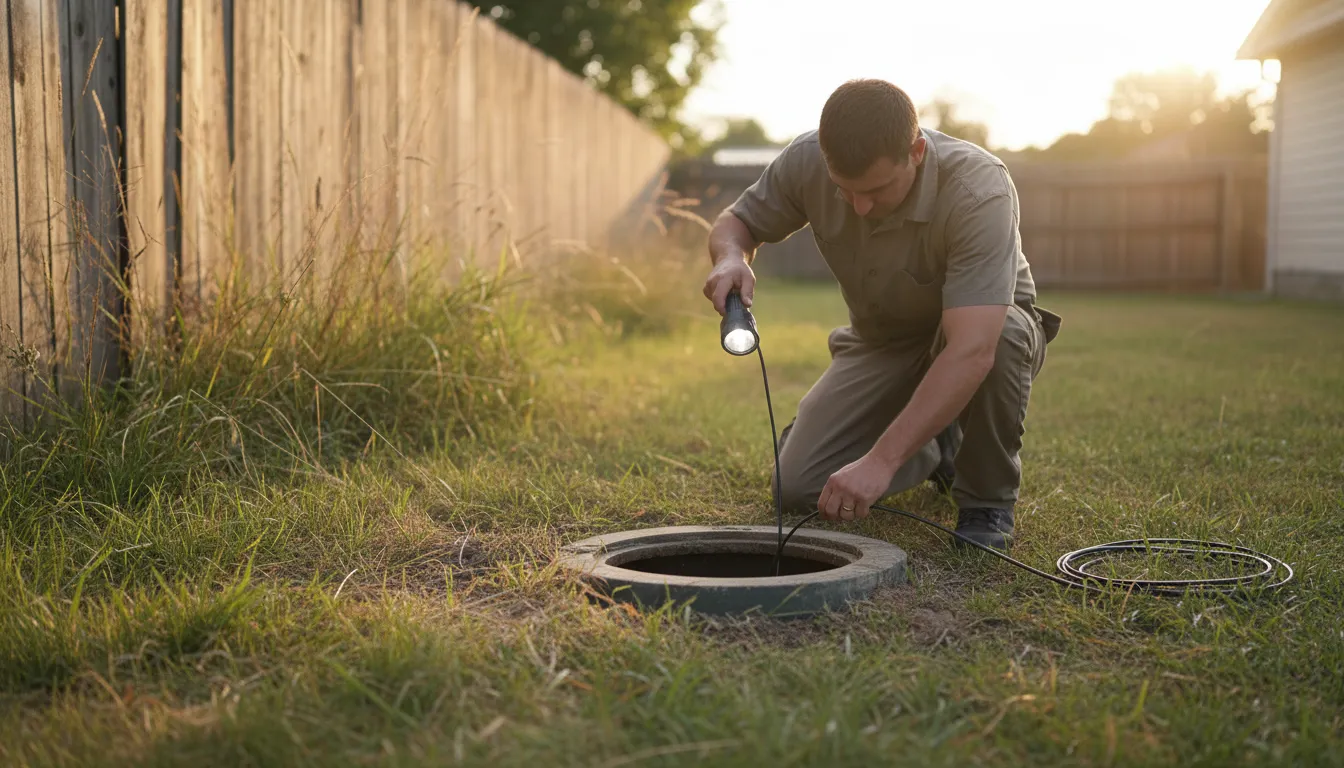
Find the Best Septic Tank Inspection Companies for Your Business
No obligation • Fast responses • Nationwide coverage

Why you can trust Septic Spot
Septic Spot is a leading United States resource for understanding and comparing septic services. Our editors review providers using consistent criteria and verify key business details. Listings and scores are independent, and companies cannot pay to influence our content.
Search providers near you
Top Septic Tank Inspection Companies in Port St Lucie, Florida Ranked
A septic tank inspection is a professional assessment of your onsite wastewater treatment system's condition and functionality. In Port St Lucie, these evaluations are crucial for protecting your property value, ensuring public health, and safeguarding the local environment, including nearby waterways. This guide helps you understand the local requirements, process, and costs for septic system inspections, empowering you to find qualified professionals to maintain your system effectively.
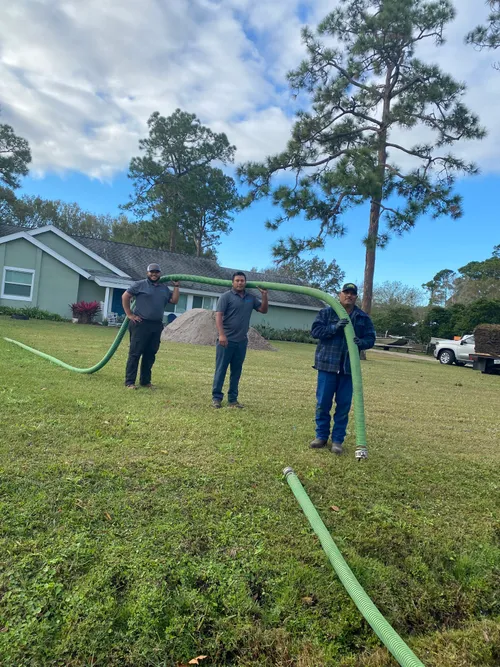
All Coast Septic Services
3106 Mura Dr, Fort Pierce, FL 34982
All Coast Septic Services is a septic system company based in Port St Lucie, FL, offering a full range of septic services including installation, maintenance, inspection, repair, and drainfield replacement. With over 20 years of experience, their licensed technicians handle issues from septic tank pumping to drainfield repairs. They provide 24/7 emergency services for urgent septic system problems and specialize in maintaining and repairing various septic components to extend system life and prevent backups.
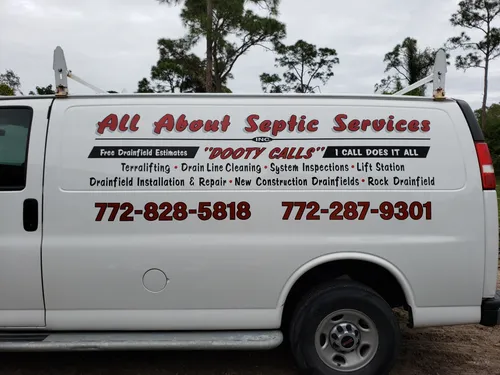
All About Septic Services inc.
991 Edwards Rd, Fort Pierce, FL 34982
All About Septic Services inc. provides comprehensive septic system services in Port St Lucie, FL. Their offerings include septic tank pumping, inspections, repairs, installations, and drain field repairs or replacements. The company emphasizes environmentally responsible practices and uses modern technology to maintain and extend the life of septic systems. They also provide 24/7 emergency septic services to address urgent needs promptly.
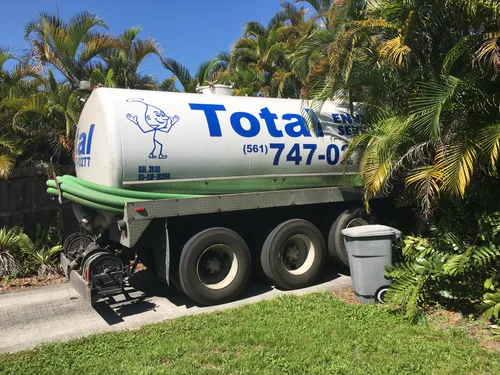
Total Septic Services
300 Center St, Jupiter, FL 33458
Total Septic Services is a septic tank and plumbing contractor based in Jupiter, Florida, serving West Palm Beach and the surrounding areas. They offer septic tank pumping, grease trap cleaning, drain field repair and rejuvenation, and high velocity line jetting. The company is part of a third-generation business with a central office in Orlando, providing a broad range of services including camera inspections and storm drain cleaning. Total Septic Services is available 24 hours a day to handle septic, sewer, or drain emergencies promptly.
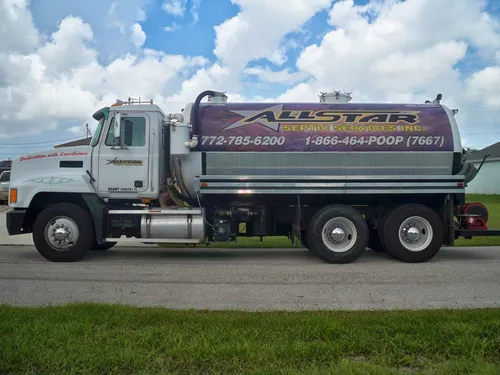
All Star Septic Services, Inc.
Port St Lucie, FL
All Star Septic Services, Inc. is a family-owned and operated company based in Port St Lucie, FL, providing a range of septic system services for both residential and commercial clients. With over 15 years of experience, they offer septic tank pumping, inspections, system installations, repairs, and pump chamber maintenance including control panel and alarm repairs. Their expertise includes line jetting and rejuvenation to maintain system efficiency.
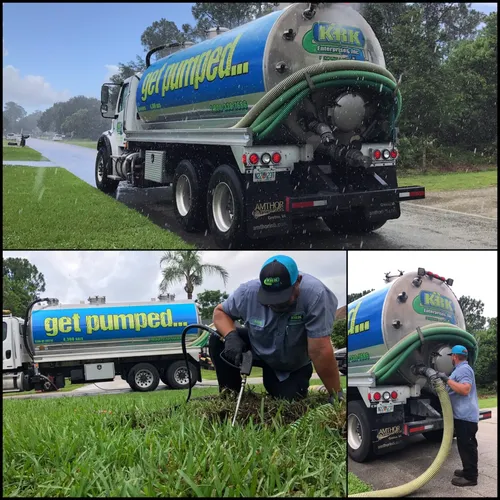
KRK Pumping and Plumbing
3102 Enterprise Rd, Fort Pierce, FL 34982
KRK Pumping and Plumbing provides septic tank inspection, repair, and drain field services in Port St Lucie, FL. They offer a wide range of plumbing solutions including grease trap repair, clogged drain cleaning, backflow certification, and hydro-jetting. Using advanced technology such as video camera inspections and vacuum trucks, they diagnose and address plumbing issues efficiently. Established in 1985, KRK has over 20 years of experience serving Florida and offers 24/7 emergency services for urgent plumbing needs.
Why Septic Inspections Matter in Port St. Lucie
Living in Florida means being a steward of a delicate ecosystem. Your septic system is a key part of that. A failing system can lead to sewage backups in your home, contamination of groundwater, and nutrient pollution that contributes to algae blooms in the Indian River Lagoon and other local water bodies. Regular septic system evaluations are not just about home maintenance; they are an environmental responsibility. Florida law is increasingly focused on this issue, with new mandates aiming to reduce nutrient runoff from septic systems statewide.
Beyond environmental concerns, a thorough septic assessment is often a non-negotiable part of real estate transactions in Port St. Lucie. Lenders and buyers typically require a clean inspection report before a sale can proceed. Proactive inspections can also save you thousands of dollars by identifying minor issues before they become major, costly repairs or a complete system failure.
Local Regulations and Inspection Requirements
Septic system oversight in Florida has transitioned from the Department of Health to the Department of Environmental Protection (DEP), reflecting the heightened focus on environmental protection 1. Understanding the rules that apply to your Port St. Lucie home is essential.
Mandatory Inspection Triggers: Inspections are formally required by the state in several key situations:
- Property Transfer: When selling your home.
- New System Installation: After any new septic tank and drainfield installation.
- System Repair or Alteration: Following any significant repair or modification to the existing system.
The 5-Year Inspection Mandate: Florida has moved towards a model of mandatory, periodic inspections, often on a five-year cycle, to proactively monitor system health and nutrient output. While implementation can vary, this trend underscores the importance of regular check-ups.
Operating Permits for Advanced Systems: If your home uses an Aerobic Treatment Unit (ATU) or a Performance-Based Treatment System (PBTS), you are required to hold an operating permit. These permits necessitate regular maintenance inspections and servicing by licensed professionals to ensure they are functioning as designed 2.
Hiring a Private Provider: A significant update as of July 1, 2022, allows Florida homeowners to hire qualified private septic service providers to conduct inspections that satisfy state requirements, offering more flexibility and choice 3.
What a Comprehensive Septic Inspection Involves
A proper septic tank inspection in Port St. Lucie is a multi-step process that goes beyond just looking into the tank. Professionals follow a systematic approach to evaluate every component.
1. Locating and Exposing the System The inspector will first locate all components of your system-the tank, distribution box, and drainfield. They will then excavate and open the tank's access lids. This step is fundamental, as buried or inaccessible lids can add to the inspection time and cost.
2. Checking Interior Tank Structure Once the tank is open and pumped (a necessary step for a proper inspection), the inspector examines the interior. They look for structural cracks, check the condition of the baffle walls (which prevent scum and sludge from exiting into the drainfield), and inspect the outlet filter if one is present. Guardian Angel Inspections notes that inspecting the tank after it has been emptied is critical for a clear view of its condition 4 5.
3. Performing a Water Flow Test To check for plumbing leaks and ensure wastewater is flowing correctly into the tank, the inspector will run water from all household fixtures-sinks, toilets, showers, and appliances. They monitor the inflow into the tank to verify proper volume and check for any unexpected drainage issues 6.
4. Assessing the Drainfield The drainfield, or leach field, is where treated effluent is dispersed into the soil. The inspector will examine this area for telltale signs of failure: soggy or overly green grass, standing water, or foul odors. These symptoms indicate that the field is saturated and cannot properly absorb liquid, which is a serious problem 7.
5. Inspecting and Replacing Filters Many modern systems have an effluent filter installed between the tank and the drainfield. This filter catches solids and prevents them from clogging the drainfield pipes. The inspector will clean or recommend replacement of this filter, a task that typically costs between $200 and $300.
Find the perfect septic tank inspection companies for your needs
Get personalized recommendations and expert advice
Understanding Inspection and Maintenance Costs
The cost of a septic inspection in Port St. Lucie can vary based on the depth of the evaluation, tank size, and property access. Here's a breakdown of what you can expect:
- Comprehensive Inspection: A full septic system inspection typically ranges from $100 to $560 8. This price usually includes the visual assessment, water flow test, and a basic report. If the inspection is part of a real estate transaction, it may be more detailed and fall on the higher end of this range.
- Septic Tank Pumping: A thorough inspection requires the tank to be pumped so the interior can be seen. Pumping is a separate service, with costs typically between $300 and $1,200, averaging around $423 for a standard residential tank 9. The final price depends heavily on tank capacity (common sizes are 1,000 or 1,500 gallons) and how easily the pumper truck can access the tank lid.
- Filter Replacement: As mentioned, cleaning or replacing the effluent filter is a common add-on service costing $200-$300 10.
Recommended Maintenance Schedule
Regular pumping is the cornerstone of septic system care. It prevents sludge and scum from building up and flowing into the drainfield, which is the primary cause of system failure.
- For a 1,000-gallon tank: The recommended pumping frequency is approximately every 2.5 years for a typical household.
- For a 1,500-gallon tank: Pumping is generally needed every 4 years 11.
These are general guidelines. Your actual schedule depends on your household size and water usage. An inspector can give you a personalized recommendation after assessing your tank's sludge levels.
The Future of Septic Systems in Florida
Port St. Lucie homeowners should be aware of coming regulatory changes. To combat water quality issues, Florida law mandates that by 2030, septic systems identified as significant sources of nutrient pollution must be upgraded to advanced, nutrient-reducing systems 12. This long-term rule means that an inspection today might not only assess current functionality but also inform you about your system's future compliance needs. Proactive maintenance and understanding your system's type are more important than ever.
Finding a Qualified Inspector in Port St. Lucie
When searching for a septic inspection service, ensure they are licensed by the state of Florida. Look for providers with experience in the local soil conditions and regulations. A reputable inspector will be able to explain each step of the process, provide a clear written report with photos, and offer honest recommendations for any needed repairs or maintenance. They should also be knowledgeable about the specific requirements for different system types, from conventional systems to ATUs.
Frequently asked questions
Sources
Footnotes
-
Septic Systems - Florida Department of Health - https://www.floridahealth.gov/community-environmental-public-health/environmental-public-health/water-quality/septic-systems/ ↩
-
Onsite Sewage & Septic - Florida Department of Health - https://www.floridahealth.gov/licensing-regulations/regulated-facilities/onsite-sewage-septic/ ↩
-
Inspection rule targets Florida septic tank owners - https://www.jacksonville.com/story/news/2010/05/06/inspection-rule-targets-florida-septic-tank-owners/15946985007/ ↩
-
Septic Inspections St. Lucie County - Septic Tank Inspector Port St. Lucie - https://www.guardianangelinspections.com/septic-inspection-port-st-lucie-county ↩
-
What to Expect During a Septic Tank Inspection? - GAI - https://www.guardianangelinspections.com/what-to-expect-from-a-septic-inspection ↩
-
Septic Inspection Process Septic 911: A Comprehensive Guide | Septic System Professionals - https://septic911.com/septic-inspection-process-septic-911/ ↩
-
Septic Inspections Made Easy: What Every Contractor Needs ... - https://flengineeringllc.com/septic-inspections-guide-contractors-2025/ ↩
-
How Much Does a Septic Inspection Cost? [2026 Data] - Angie's List - https://www.angi.com/articles/septic-inspection-cost.htm ↩
-
Septic Tank Pumping Cost: Guide & Pricing in 2025 - Splash Plumbing - https://www.splashplumbing.com/how-much-does-it-cost-to-pump-septic-tank-understanding-pricing-and-factors-involved/ ↩
-
Septic Tank Pumping Cost: What to Expect and Budget For - https://atlantaseptictankpros.com/septic-tank-pumping-cost-what-to-expect-and-budget-for/ ↩
-
How Often Should You Pump Your Septic Tank: 3 Factors Solved - https://www.frasiers.com/blog/sewage-tank-pump-frequency/ ↩
-
Under Florida law, by 2030, septic tanks have to be upgraded to a ... - https://www.facebook.com/news6/posts/under-florida-law-by-2030-septic-tanks-have-to-be-upgraded-to-a-system-that-rele/1294638666031524/ ↩