Find the Best Septic Tank Inspection Companies for Your Business
No obligation • Fast responses • Nationwide coverage

Why you can trust Septic Spot
Septic Spot is a leading United States resource for understanding and comparing septic services. Our editors review providers using consistent criteria and verify key business details. Listings and scores are independent, and companies cannot pay to influence our content.
Search providers near you
Top Septic Tank Inspection Companies in Miami, Florida Ranked
A professional septic tank inspection is a critical evaluation of your onsite sewage treatment and disposal system (OSTDS) to ensure it is functioning safely and legally. In Miami-Dade County, these evaluations are not just a good idea-they are often mandated by local and state regulations, especially during property transfers. This guide explains the local requirements, what the inspection process entails, and how you can find qualified professionals to assess your system, helping protect your property, your health, and the unique South Florida environment.

Titan Property Inspections - Mold Specialists
6303 Waterford District Dr #400, Miami, FL 33126
Titan Property Inspections - Mold Specialists is a certified home and commercial inspection company based in Miami, FL. They provide a wide range of services including septic tank and drain field inspections, mold inspection and testing, 4-point home inspections, wind mitigation, roof certifications, and full property evaluations. Serving Miami-Dade, Broward, and Palm Beach counties, the company uses advanced technology such as thermal imaging and drones to deliver detailed, insurance-ready reports. With over 15 years of experience and more than 55,000 inspections completed, Titan Property Inspections offers same-day or next-day report delivery and maintains 24/7 office support to assist clients.

Champion Septic Tank - Grease Trap, Drain Field, Lift Station, Storm Drain
405 E 41st St Unit 1D, Hialeah, FL 33013
Champion Septic Tank - Grease Trap, Drain Field, Lift Station, Storm Drain provides septic system services in Miami, FL. They offer septic tank pumping, inspection, cleaning, and drain field repair, using advanced technology and professional tools. Their licensed team handles locating tanks, hydro jet cleaning, and riser installation to maintain system performance. Serving Miami-Dade and Broward counties, the company emphasizes thorough maintenance to prevent backups and extend system life. Champion Septic Tank is family-owned and offers 24/7 emergency septic services.

Champion Septic Tank - Grease Trap, Drain Field, Storm Drain, Lift Station
4000 Hollywood Blvd suite 555-s, Hollywood, FL 33021
Champion Septic Tank - Grease Trap, Drain Field, Storm Drain, Lift Station provides septic system services in Miami, FL. The company offers septic tank pumping, inspection, cleaning, and drain field repair using advanced technology and professional tools. Their licensed team handles locating, accessing, and maintaining septic systems to ensure proper flow and function. Champion Septic Tank serves Miami-Dade and Broward counties, including North Miami, Hollywood, and surrounding areas. They provide hydro jet cleaning and riser installation as part of their capabilities. The company emphasizes thorough maintenance to extend system life and prevent backups. Champion Septic Tank offers 24/7 emergency septic services for urgent needs.
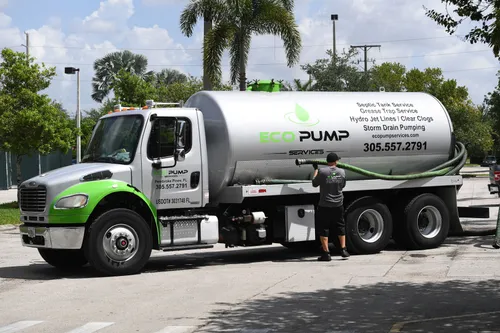
Eco Pump Services
15757 Pines Blvd Suite 315, Pembroke Pines, FL 33027
Eco Pump Services provides septic tank pumping, grease trap cleaning, and inspection services in Miami, FL, and the surrounding areas including Broward and West Palm Beach. They serve both residential and commercial clients, offering specialized capabilities such as hydro jetting for sewer drain lines and storm drain cleaning. With over 25 years of experience, Eco Pump Services is licensed and insured to handle grease trap maintenance and septic system care, ensuring compliance with local regulations.
Septic Masters
3250 Mary St #307, Miami, FL 33133
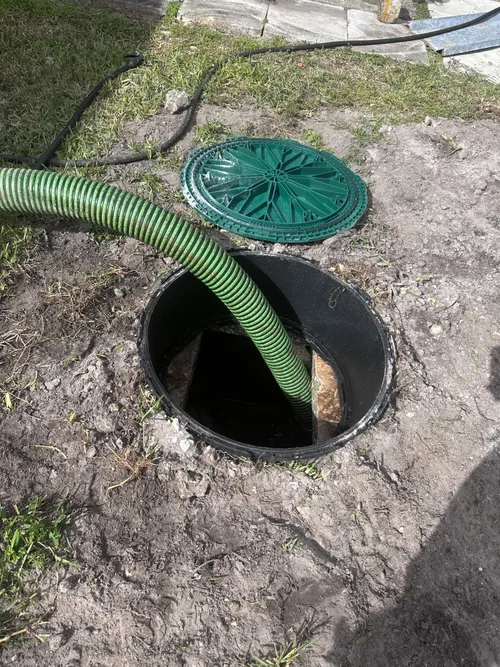
Septic Masters provides septic tank pumping, inspection, repair, and installation services in Miami, FL. They also offer storm drain cleaning to help prevent flooding and water damage. Their team uses advanced equipment to thoroughly inspect and clean septic systems, including removing solid waste and sludge to maintain proper function. Septic Masters serves both traditional and modern septic systems and also specializes in grease trap cleaning to enhance waste management efficiency. Their services are designed to meet the needs of residential and commercial properties in the Miami area.
Why Septic System Inspections Are Crucial in Miami
Miami's high water table, porous limestone bedrock, and proximity to sensitive ecosystems like Biscayne Bay make properly functioning septic systems essential. A failing system can contaminate groundwater, create public health hazards, and lead to costly environmental damage. For this reason, Miami-Dade County has specific, stringent rules governing all onsite sewage systems 1 2. Regular septic tank evaluations are your first line of defense, identifying minor issues like a clogged filter or damaged baffle before they escalate into a full system failure requiring a costly drainfield replacement or new system installation.
Miami-Dade County Regulations and Requirements
Understanding local mandates is the first step for any homeowner with a septic system.
- Mandatory Registration: All properties with septic systems must be registered with the Miami-Dade County Division of Environmental Resource Management (DERM). This requirement is enforced under County Ordinance 22-83.
- Inspection Triggers: A professional inspection is legally required for all real estate transactions involving a property with a septic system 3. This ensures full disclosure of the system's condition before a sale is finalized.
- Routine Inspection Frequency: While state law may allow for longer intervals, Miami-Dade County recommends a system inspection every 1 to 3 years due to local environmental conditions. A five-year inspection cycle is common for routine maintenance checks.
- Licensed Professionals Only: Inspections must be conducted by a state-licensed septic tank contractor or a professional engineer. Their findings carry legal weight and must be reported to the county.
The Professional Inspection Process: What to Expect
A thorough septic system assessment is a multi-step process that typically takes 1 to 2 hours to complete. Here's what a licensed contractor will do:
- Locate and Access the Tank: The inspector will find the tank using probes, records, or electronic locating equipment and carefully excavate to open the manhole cover.
- Pump the Tank: For a proper evaluation, the tank must be pumped out. This allows the inspector to see the tank's bottom and interior walls clearly to check for cracks, leaks, and structural integrity.
- Inspect Critical Components: The inlet and outlet baffles (or tees) are checked for damage or blockage. The effluent filter, if present, is removed, cleaned, and inspected.
- Assess the Drainfield: The inspector will evaluate the soil absorption field (drainfield) for signs of failure. This includes looking for soggy, saturated soil, unpleasant odors, or sewage effluent surfacing above the ground 4.
- Document and Report: Following the inspection, the licensed contractor will complete a formal report detailing the system's condition. For inspections tied to real estate or required maintenance, this signed report must be submitted to Miami-Dade County within 30 days.
Find the perfect septic tank inspection companies for your needs
Get personalized recommendations and expert advice
Understanding Inspection Costs in Miami
The cost of a septic tank inspection in Miami varies based on the scope of work, tank size, and accessibility. Here is a general breakdown:
- Basic Visual Inspection (without pumping): Approximately $200-$400. This is less common, as a proper assessment usually requires pumping.
- Standard Inspection with Pumping: The most common service, ranging from approximately $400 to $800 or more. This fee covers locating the tank, pumping it out, and performing the visual and functional checks listed above.
- Comprehensive System Inspection: For a more in-depth analysis, including camera scoping of lines or a detailed hydraulic load test on the drainfield, costs can range from $600 to over $1,000 5.
- Additional Fees: Be aware that any required permits for repairs or a new system application will incur separate municipal fees, which can start at $390 or more 6.
Note: Prices are highly dependent on your tank's size (e.g., 1,000-gallon vs. 1,500-gallon), its depth, and how easy it is to locate and access the lid.
Types of Septic Systems in Miami-Dade
Not all septic systems are the same, and the type you have influences inspection and maintenance needs. Importantly, Miami-Dade County no longer permits the installation of new conventional septic systems (Type 1). Any new system or total replacement must be a high-performance or advanced treatment system designed to provide a higher level of wastewater treatment. Knowing your system type is crucial for proper care.
Consequences of a Failed Inspection
If an inspection reveals your system is failing-indicated by things like hydraulic failure in the drainfield, structural damage to the tank, or contamination-you are legally obligated to repair or replace it. The inspection report will be filed with the county, and you must work with a licensed contractor to bring the system into compliance. Ignoring a failure can result in county enforcement actions, fines, and serious environmental harm.
Maintaining Your System Between Inspections
Professional inspections are vital, but day-to-day care extends their lifespan. Avoid pouring grease, chemicals, or non-biodegradable items down the drain. Conserve water to prevent overloading the system. Know where your tank and drainfield are located and avoid parking or building over them. Watch for warning signs between inspections, such as slow drains, gurgling pipes, sewage odors, or unusually lush grass over the drainfield 7.
Key Local Resources
- Miami-Dade County DERM (Septic System Care): The primary local authority for registration, regulations, and reporting.
- Florida Department of Health in Miami-Dade County: Oversees state-level regulations and licensing for onsite sewage systems 8 9.
Frequently asked questions
Sources
Footnotes
-
Septic Tank Inspection in Miami - Costs, Requirements & R... - https://miamisepticpros.com/services/septic-tank-inspection/ ↩
-
Septic System Care - Miami-Dade County - https://www.miamidade.gov/global/environment/ecosystems/septic-system-care.page ↩
-
Septic Tank and Drain Field Inspection When Buying a Home in Miami - https://aboveallsepticanddrain.com/septic-tank-inspection-when-buying-home-in-miami/ ↩
-
septic system inspections central & south florida - https://www.guardianangelinspections.com/septic-system-inspection-south-florida ↩
-
Chapter 381 Section 00651 - 2019 Florida Statutes - https://www.flsenate.gov/laws/statutes/2019/381.00651 ↩
-
New Septic System Application Requirements - Florida Department ... - https://lee.floridahealth.gov/programs-and-services/environmental-health/onsite-sewage-disposal/permits/ostds-new-permit/ ↩
-
How to Check if Your Septic Tank is Full: Signs, Solutions, and Preventive Measures - https://wini.com/articles/how-to-check-if-your-septic-tank-is-full-signs-solutions-and-preventive-measures/ ↩
-
Onsite Sewage & Septic - Florida Department of Health - https://www.floridahealth.gov/licensing-regulations/regulated-facilities/onsite-sewage-septic/ ↩
-
Onsite Sewage Treatment and Disposal Systems (OSTDS) - https://www.miamidade.gov/global/economy/building/ostds.page ↩