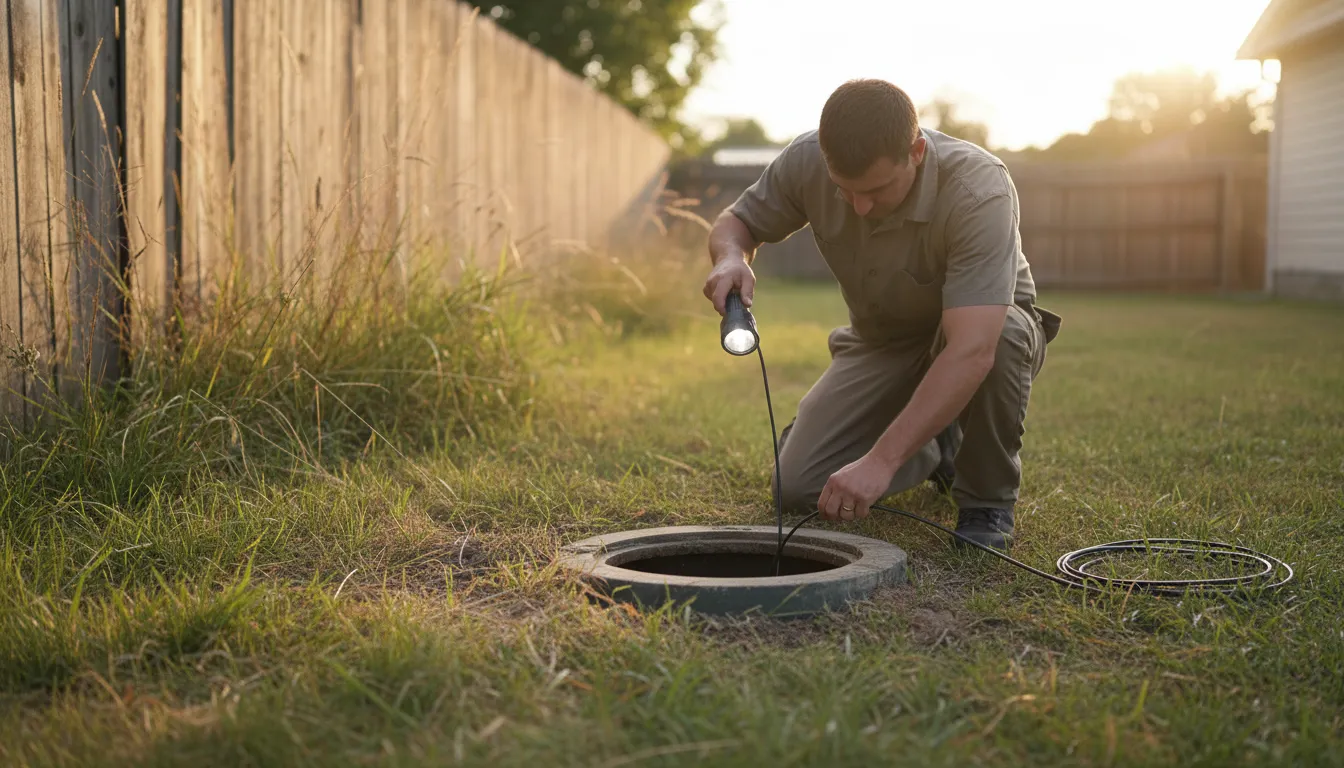
Find the Best Septic Tank Inspection Companies for Your Business
No obligation • Fast responses • Nationwide coverage

Why you can trust Septic Spot
Septic Spot is a leading United States resource for understanding and comparing septic services. Our editors review providers using consistent criteria and verify key business details. Listings and scores are independent, and companies cannot pay to influence our content.
Search providers near you
Top Septic Tank Inspection Companies in Tallahassee, Florida Ranked
For homeowners in Tallahassee, a septic system inspection is a critical evaluation of your property's private wastewater treatment system. This essential service ensures your system is functioning safely, protects your family's health, and safeguards the local environment, including the sensitive aquifer systems in Leon County. Understanding the process, local regulations, and how to find qualified professionals can help you maintain your system effectively and avoid costly failures.
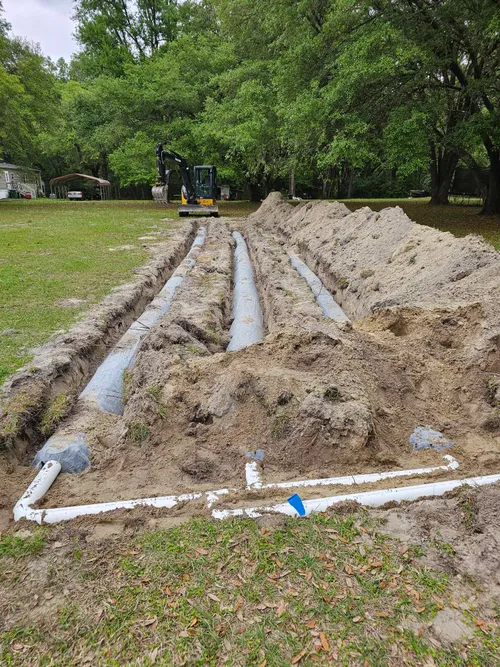
All Septic Solutions LLC
3708 Danesborough Dr, Tallahassee, FL 32303
All Septic Solutions LLC is a septic tank inspection company based in Tallahassee, FL. They provide septic alarm inspection and servicing with a focus on precision and accurate design. The company operates Monday through Friday and emphasizes clear communication and reliable service.
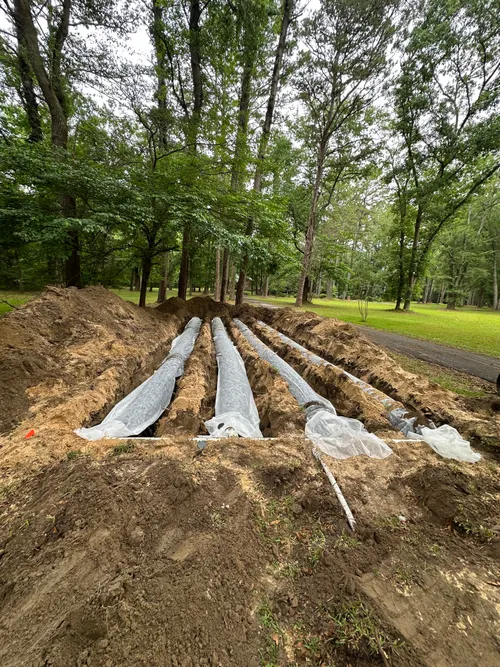
Brian's Septic Service
4973 Capital Cir SE, Tallahassee, FL 32311
Brian's Septic Service is a septic tank pumping, inspection, repair, and installation company serving Tallahassee, FL. They offer a wide range of services including septic tank cleaning, drainfield repair, grease trap cleaning, aerobic system installation, and permit assistance. The company uses state-of-the-art equipment for septic tank installations and provides thorough inspections for both residential and commercial properties. Their capabilities include complete repair services such as septic pump repair and replacement, as well as soil testing and site evaluations to ensure proper system function. Brian's Septic Service also assists with FHA septic tank inspections and offers financing options through a local credit union.
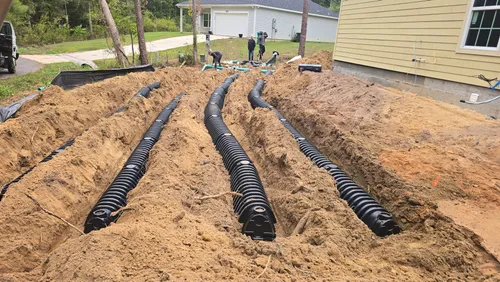
Apalachee Backhoe & Septic Tank, LLC
4104 Apalachee Pkwy, Tallahassee, FL 32311
Apalachee Backhoe & Septic Tank, LLC provides septic system installation, inspection, maintenance, and repair services in Tallahassee, FL. They serve Tallahassee and nearby communities including Crawfordville, Quincy, and Monticello. The company handles complex septic projects and offers specialized services such as grease trap cleaning, septic system design, permitting assistance, and odor control. With over 30 years of experience, they focus on maintaining safe and effective onsite sewage treatment systems to protect local water quality and property values.
Good Soil Septic Service
Tallahassee, FL
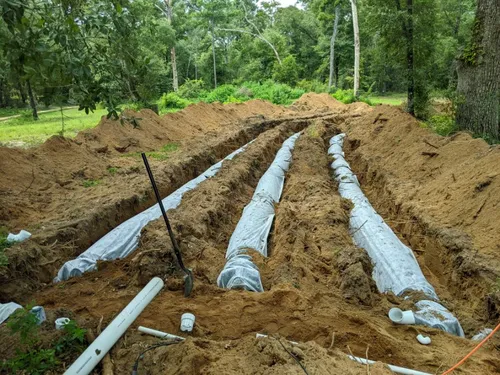
Good Soil Septic Service is a family-owned company based in Tallahassee, FL, specializing in septic system solutions. They focus on drain field repairs, septic tank pumping, inspections, installations, and septic system repairs. Their services include site evaluation, soil testing, permitting, and installation to ensure effective septic system functioning. Good Soil Septic Service emphasizes environmental sustainability and works closely with homeowners and installers to diagnose system failures and find optimal repair solutions.

Miller Septic Services
Tallahassee, FL
Miller Septic Services is a septic tank pumping, inspection, repair, and installation company serving Tallahassee, FL. They offer a range of services including new septic tank installations using modern equipment, septic tank inspections for both residential and commercial properties, grease trap cleaning, and drainfield repair. The company also assists with permit acquisition and real estate inspections required for FHA loans. One notable capability is their alternative drainfield repair method, which can fix failing systems without the need for full drainfield replacement.
Why Septic System Evaluations Are Crucial in Tallahassee
In Tallahassee and across Leon County, septic systems are a common method for treating household wastewater. A thorough septic tank evaluation is not just a good idea-it's often a legal requirement. Florida law mandates that these systems be inspected by a licensed contractor every five years to detect potential failures early. Regular assessments are your first line of defense against system malfunctions that can lead to sewage backups, property damage, and groundwater contamination.
Beyond routine checks, a septic inspection is frequently required during specific events:
- When applying for a permit to repair or replace an existing system.
- Prior to the installation of a new septic system.
- When a property with a septic system is being sold, as many buyers and lenders require it for due diligence.
- If you notice warning signs like slow drains, foul odors in your yard, or unusually lush grass over the drainfield.
Staying proactive with inspections helps you comply with Florida Department of Environmental Protection (DEP) and local health department regulations, ensuring your system operates within state standards 1.
Understanding Florida's Inspection Regulations
Navigating the rules for onsite sewage treatment and disposal systems (OSTDS) in Florida is key for any homeowner. The Florida Department of Health (DOH) and the DEP set the standards that licensed contractors must follow.
Who Can Perform an Inspection? In Florida, a septic system inspection must be conducted by a qualified professional. This includes a registered septic tank contractor, a master septic tank contractor, or a professional engineer licensed in the state. These experts are trained to evaluate all system components according to Chapter 62-6 of the Florida Administrative Code.
The Five-Year Rule A significant regulation for Leon County homeowners is the state's five-year inspection mandate. This periodic review is designed to catch issues before they become environmental hazards. The inspector is required to submit the official results of this evaluation directly to the DEP, creating a record of your system's compliance 2.
Property Sales and Inspections While Florida state law does not universally require a septic evaluation at the point of sale, it is an extremely common contingency in real estate transactions 3. Many local municipalities and nearly all cautious buyers will insist on a professional assessment to understand the system's condition and avoid unexpected repair liabilities after purchase.
What to Expect During a Professional Septic Inspection
A comprehensive septic system assessment is a detailed process that typically takes between one to four hours to complete thoroughly 4. Knowing the steps can help you prepare your property and understand the value of the service.
1. System Location and Preliminary Site Review The inspector will first locate all components of your system, including the septic tank and drainfield. They perform a visual survey of your yard, looking for telltale signs of trouble such as pooling water, overly saturated soil, or areas of unusually vibrant grass, which can indicate effluent surfacing 5.
2. Tank Access and Interior Examination The core of the inspection involves opening the septic tank access ports. The professional will measure the levels of sludge (solid waste at the bottom) and scum (floating fats and oils) to determine if the tank needs to be pumped. They will also check the tank's structural integrity for cracks, leaks, or corrosion, especially if the tank is pumped empty during the visit 6.
3. Component and Drainfield Assessment Key functional parts inside the tank are examined next. This includes inspecting the inlet and outlet baffles (or tees) to ensure they are intact and not blocked, as broken baffles can allow solids to escape into the drainfield. Filters, if present, are checked and cleaned. The inspector then evaluates the drainfield's operation by assessing the distribution of effluent and testing for proper absorption and water flow, ensuring the soil is not saturated or failing 7.
Find the perfect septic tank inspection companies for your needs
Get personalized recommendations and expert advice
The Cost of Septic Inspections in Tallahassee
Investing in a professional evaluation is a wise financial decision to prevent far more expensive repairs. In the Tallahassee area, the average cost for a standard septic tank inspection is around $560 8. However, this is a general figure, and your final price can vary based on several factors:
- System Complexity: A basic gravity-fed system with an easily accessible tank will be on the lower end of the price range (closer to $300). More complex systems, such as those with pumps, aerobic treatment units (ATUs), or mound drainfields, require more time and expertise, pushing costs toward $800 or more 9.
- Tank Size and Accessibility: Larger tanks (common for bigger homes) or tanks buried deep or under obstacles like patios or decks may incur higher fees.
- Additional Services: Most inspections are performed alongside a tank pumping. It's important to note that inspection fees are separate from pumping costs, which typically range from $300 to $600 depending on tank size 10. Many homeowners choose to bundle these services for efficiency.
Always request a detailed quote that breaks down the inspection fee versus any additional pumping or repair estimates.
Maintaining Your System Between Inspections
A septic inspection provides a snapshot of your system's health, but proper ongoing maintenance is what ensures its longevity. Adhering to a regular schedule and being mindful of what goes into your system are the homeowner's responsibilities.
Pumping Schedule The single most important maintenance task is having your septic tank pumped regularly. While the five-year inspection is a state requirement, tanks often need pumping more frequently-typically every 3 to 5 years-depending on household size and usage 11. Your inspector will advise you on the ideal pumping interval based on the sludge and scum levels they measure.
Best Practices for Homeowners
- Conserve Water: Spread out laundry loads and fix leaky faucets to avoid overwhelming the drainfield.
- Mind What You Flush: Only human waste and toilet paper should go down the drain. Avoid flushing wipes (even "flushable" ones), feminine hygiene products, cooking grease, and chemicals.
- Protect the Drainfield: Never park vehicles or build structures over the drainfield. Keep roof drains and sump pumps directed away from it.
- Keep Records: Maintain a file of all inspection reports, pumping receipts, and repair permits. This history is invaluable for troubleshooting and is essential if you sell your home.
Finding a Qualified Inspection Professional
Since July 1, 2022, Florida homeowners have had the flexibility to hire private, licensed providers to perform their mandatory five-year inspections 12. When searching for a septic inspector in Tallahassee, ensure they are:
- Licensed as a septic tank contractor or master contractor by the state of Florida.
- Familiar with Leon County and Florida DEP regulations.
- Willing to provide references and detailed reports.
- Insured and able to pull necessary permits for any recommended repairs.
A reputable professional will guide you through the entire process, from scheduling to explaining the findings and outlining any necessary next steps for repair or maintenance.
Frequently asked questions
Sources
Footnotes
-
Septic Systems - Florida Department of Health - https://www.floridahealth.gov/community-environmental-public-health/environmental-public-health/water-quality/septic-systems/ ↩
-
62-6 Standards for Onsite Sewage Treatment and Disposal ... - https://pasco.floridahealth.gov/wp-content/uploads/sites/53/2025/06/62-6.pdf ↩
-
Chapter 381 Section 00651 - 2019 Florida Statutes - https://www.flsenate.gov/laws/statutes/2019/381.00651 ↩
-
Septic Inspection Duration: Time & Steps Guide - https://crewssepticsolutions.com/how-long-does-a-septic-inspection-take-and-what-steps-are-involved/ ↩
-
Cowlitz County - https://www.co.cowlitz.wa.us/DocumentCenter/View/1088 ↩
-
What is Included in Septic Inspection? - https://texinspec.com/what-is-included-in-septic-inspection/ ↩
-
Septic Inspection Explained: What Homeowners Can Expect - https://www.townesseptic.com/blog/what-happens-during-a-septic-inspection ↩
-
How Much Does a Septic Inspection Cost? [2026 Data] - Angie's List - https://www.angi.com/articles/septic-inspection-cost.htm ↩
-
How to Prepare Your Septic System Before Selling Your Florida Home - https://robsseptictanks.com/how-to-prepare-your-septic-system-before-selling-your-florida-home/ ↩
-
Septic System Inspections: A Step-by-Step How-To Guide - https://westcoastsanitationinc.com/septic-inspection-service/ ↩
-
How Often Should You Pump Your Septic Tank: 3 Factors Solved - https://www.frasiers.com/blog/sewage-tank-pump-frequency/ ↩
-
Frequent Questions on Septic Systems | US EPA - https://www.epa.gov/septic/frequent-questions-septic-systems ↩