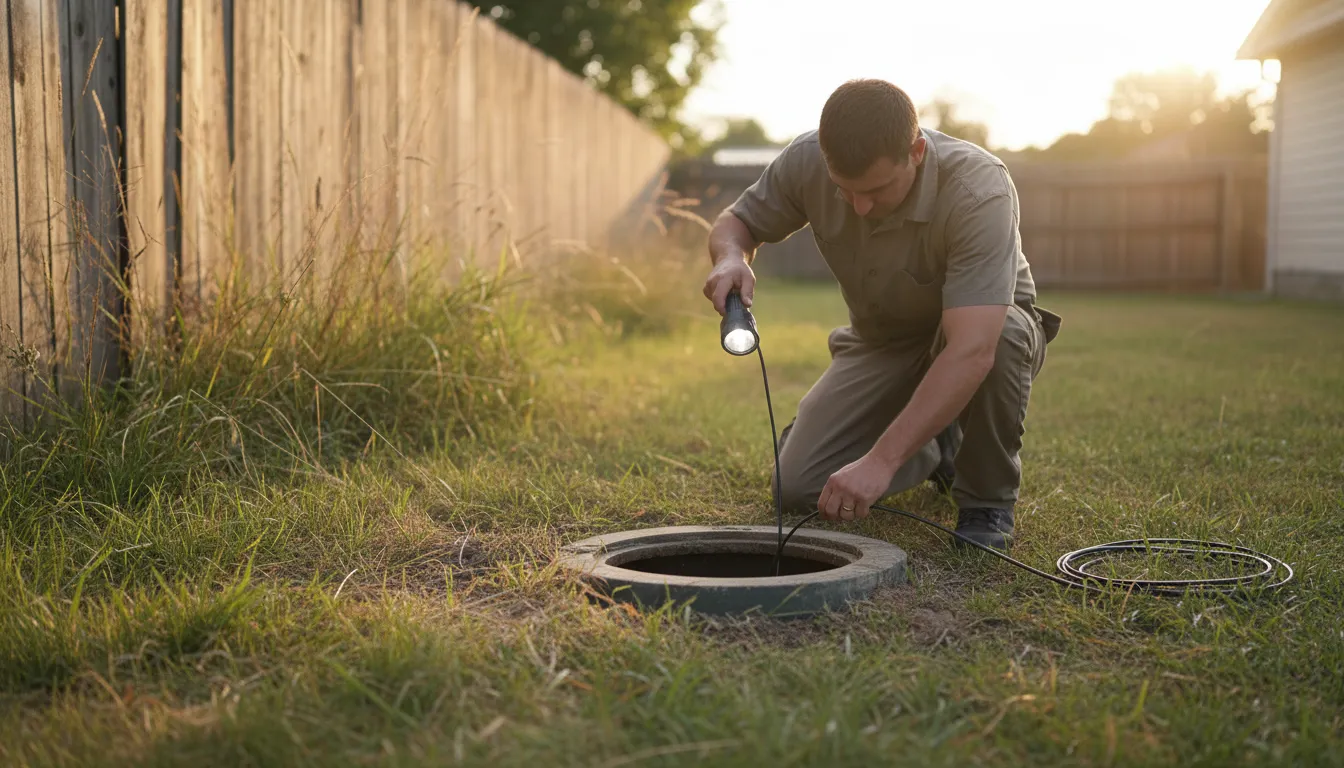
Find the Best Septic Tank Inspection Companies for Your Business
No obligation • Fast responses • Nationwide coverage

Why you can trust Septic Spot
Septic Spot is a leading United States resource for understanding and comparing septic services. Our editors review providers using consistent criteria and verify key business details. Listings and scores are independent, and companies cannot pay to influence our content.
Search providers near you
Top Septic Tank Inspection Companies in Cutler Bay, Florida Ranked
A septic tank inspection is a critical evaluation of your onsite wastewater system to ensure it is functioning safely and efficiently. In Cutler Bay, where many homes rely on these private systems, regular inspections are essential for protecting your property, your health, and the local environment, including nearby Biscayne Bay. This guide will help you understand the process, local requirements, and how to find qualified professionals to conduct a thorough system evaluation.

Titan Property Inspections - Mold Specialists
6303 Waterford District Dr #400, Miami, FL 33126
Titan Property Inspections - Mold Specialists is a certified home and commercial inspection company based in Miami, FL. They provide a wide range of services including septic tank and drain field inspections, mold inspection and testing, 4-point home inspections, wind mitigation, roof certifications, and full property evaluations. Serving Miami-Dade, Broward, and Palm Beach counties, the company uses advanced technology such as thermal imaging and drones to deliver detailed, insurance-ready reports. With over 15 years of experience and more than 55,000 inspections completed, Titan Property Inspections offers same-day or next-day report delivery and maintains 24/7 office support to assist clients.

Champion Septic Tank - Grease Trap, Drain Field, Lift Station, Storm Drain
405 E 41st St Unit 1D, Hialeah, FL 33013
Champion Septic Tank - Grease Trap, Drain Field, Lift Station, Storm Drain provides septic system services in Miami, FL. They offer septic tank pumping, inspection, cleaning, and drain field repair, using advanced technology and professional tools. Their licensed team handles locating tanks, hydro jet cleaning, and riser installation to maintain system performance. Serving Miami-Dade and Broward counties, the company emphasizes thorough maintenance to prevent backups and extend system life. Champion Septic Tank is family-owned and offers 24/7 emergency septic services.
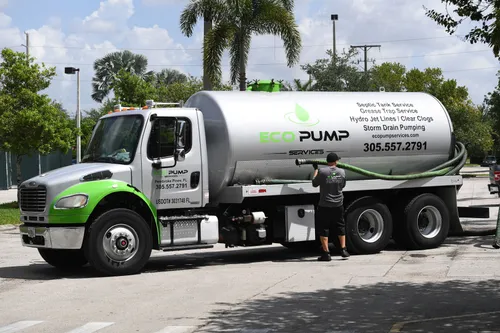
Eco Pump Services
15757 Pines Blvd Suite 315, Pembroke Pines, FL 33027
Eco Pump Services provides septic tank pumping, grease trap cleaning, and inspection services in Miami, FL, and the surrounding areas including Broward and West Palm Beach. They serve both residential and commercial clients, offering specialized capabilities such as hydro jetting for sewer drain lines and storm drain cleaning. With over 25 years of experience, Eco Pump Services is licensed and insured to handle grease trap maintenance and septic system care, ensuring compliance with local regulations.
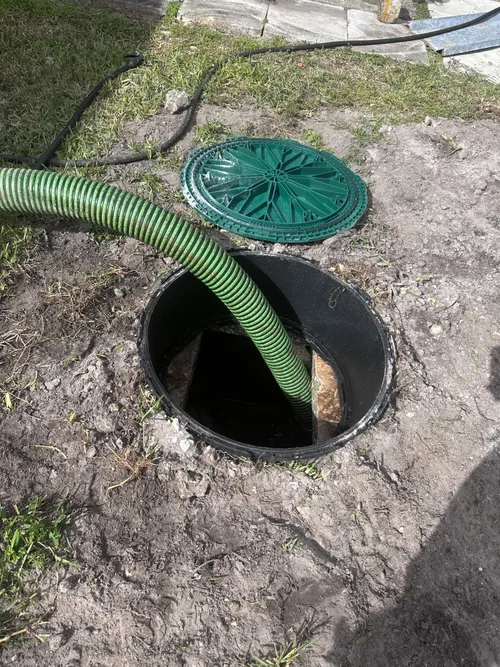
Septic Masters
3250 Mary St #307, Miami, FL 33133
Septic Masters provides septic tank pumping, inspection, repair, and installation services in Miami, FL. They also offer storm drain cleaning to help prevent flooding and water damage. Their team uses advanced equipment to thoroughly inspect and clean septic systems, including removing solid waste and sludge to maintain proper function. Septic Masters serves both traditional and modern septic systems and also specializes in grease trap cleaning to enhance waste management efficiency. Their services are designed to meet the needs of residential and commercial properties in the Miami area.
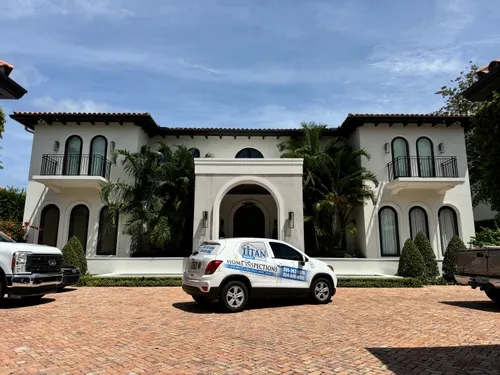
Titan Property Inspections - Home Inspector Broward
3350 SW 148th Ave Suite# 130, Miramar, FL 33027
Titan Property Inspections - Home Inspector Broward is a certified home and septic tank inspection company serving Miami, FL, and the broader South Florida area including Miami-Dade, Broward, and Palm Beach counties. They offer a range of inspection services such as septic tank and drain field inspections, mold testing, wind mitigation, 4-point inspections, and full home evaluations. The company uses advanced technology including thermal imaging and drones to provide detailed, insurance-ready reports. With over 15 years of experience and more than 55,000 inspections completed, Titan Property Inspections emphasizes thoroughness and clarity in their reports. They also provide 24/7 office support to assist clients promptly.
Why Septic System Inspections Are Crucial in Cutler Bay
In a coastal community like Cutler Bay, a failing septic system poses significant risks. Malfunctioning systems can lead to sewage backups into your home, foul odors, and costly property damage. More broadly, they are a leading source of nutrient pollution, which can contaminate groundwater and contribute to harmful algal blooms in local waterways 1. Regular septic system evaluations are not just a good idea-they are a key part of responsible homeownership in South Florida. State and county regulations mandate that these systems be properly maintained, with new, stricter standards for nutrient reduction coming into effect 2.
Understanding Local Regulations and Timelines
Miami-Dade County and the State of Florida have specific rules governing onsite sewage treatment and disposal systems (OSTDS), commonly known as septic systems.
- Inspection Frequency: While not always mandated annually for every system, it is strongly recommended-and often required for real estate transactions-to have your septic tank inspected and pumped every 3 to 5 years. This frequency can vary based on household size and tank usage.
- The 2030 Compliance Deadline: A major new Florida law requires that all septic systems must meet enhanced nutrient reduction standards by June 2030. This means inspections are now increasingly focused on assessing a system's compliance with these future eco-friendly requirements. An inspection can determine if your existing system will need upgrades or replacement to meet the 2030 law.
- Permitting and Professionals: All work on septic systems, including inspections, repairs, and installations, must be performed by state-certified contractors. The Florida Department of Health in Miami-Dade County handles permitting and regulates these professionals to ensure work is done to code 3 4.
What a Professional Septic Inspection Involves
A comprehensive septic tank check is a multi-step process conducted by a certified expert. Here's what you can expect during a standard evaluation:
1. Locating and Accessing the System
The inspector will first locate the septic tank and drainfield, which may involve reviewing property records or using probing tools. They will then excavate to uncover the tank's access lids. In some cases, tanks are buried deep or under hardscapes, which can add to the inspection complexity and cost.
2. Initial Tank Assessment
Once opened, the inspector performs a visual check for any obvious signs of trouble, such as surface effluent (wastewater) or foul odors indicating a potential failure.
3. Checking Liquid and Scum Levels
A key measurement is the liquid level inside the tank. A level that is too high may signal a blockage in the outlet pipe or a failing drainfield. The inspector also measures the scum layer (floating fats and greases) 5.
4. Measuring Sludge Accumulation
This is the most critical step for determining if pumping is needed. Using a long "sludge judge" tool, the inspector measures the depth of the sludge layer (solid waste at the tank bottom). If sludge and scum occupy too much of the tank's volume, a pump-out is immediately required to prevent solids from flowing into and clogging the drainfield 6.
5. Inspecting Tank Structure and Components
The inspector examines the tank's interior and exterior for structural issues like cracks, leaks, or corrosion. They also check the inlet and outlet baffles (or tees) to ensure they are intact and functioning properly to prevent pipe blockages.
6. Evaluating the Drainfield
The inspection extends to the drainfield (or leach field). The inspector looks for signs of failure, such as soggy ground, standing wastewater, or unusually lush grass over the area. They may also perform a simple water flow test to assess absorption rates 7.
7. System Compliance and Functionality Report
Finally, the inspector will provide a detailed report of their findings, noting any needed repairs, the urgency of pumping, and an assessment of the system's overall health and compliance with state standards.
Find the perfect septic tank inspection companies for your needs
Get personalized recommendations and expert advice
Costs Associated with Septic Inspections in Cutler Bay
The price of a septic system assessment can vary based on the tank's size, accessibility, and the scope of the inspection. Based on local data, you can expect the following general price ranges:
- Routine Visual Inspection: A basic inspection typically costs between $100 and $300.
- Septic Tank Pumping: If the inspection reveals the tank needs to be pumped, this service usually costs an additional $250 to $600, depending on tank size (e.g., 1,000-gallon vs. 1,500-gallon) 8.
- Comprehensive Inspection with Pump-Out: A full inspection that includes pumping the tank for a complete internal evaluation can range from $500 to $600 or more, especially if significant excavation is required to access the tank lids 9.
It's important to note that while a basic inspection has a lower upfront cost, a pump-out is often necessary for a truly thorough assessment of sludge levels and tank condition.
Choosing a Qualified Inspection Professional
Your septic system is a significant investment, and its inspection should only be trusted to a licensed professional. Here's how to ensure you hire the right person:
- Verify Certification: Always ask for proof of state certification as a septic tank contractor. In Florida, these professionals are regulated by the Department of Health. You can also verify that they hold a valid Liquid Waste Transporter license from the county if pumping is involved.
- Check for Local Experience: A provider familiar with Cutler Bay and Miami-Dade County's specific soil conditions, water table levels, and local regulations will be more adept at identifying area-specific issues.
- Ask About the 2030 Standards: Choose an inspector who is knowledgeable about Florida's upcoming nutrient reduction requirements and can advise you on your system's compliance pathway.
- Get a Detailed Scope and Quote: A reputable inspector will clearly explain what their inspection includes (e.g., drainfield evaluation, report details) and provide a written estimate before starting work.
- Review Sample Reports: Ask to see a sample inspection report to ensure it is comprehensive, easy to understand, and includes photos and clear recommendations.
The Role of Inspections in Real Estate Transactions
A septic system evaluation is one of the most important contingencies in a home purchase in Cutler Bay. Buyers should always insist on a full inspection by a certified third-party contractor. The resulting report can reveal needed repairs or an imminent requirement for a costly pump-out or system replacement, providing leverage for negotiation. Sellers, meanwhile, can benefit from having a pre-listing inspection done to identify and address any issues beforehand, smoothing the sale process 10 11.
Maintaining Your System Between Inspections
Professional inspections are vital, but day-to-day care extends their lifespan. Avoid flushing anything besides human waste and toilet paper. Never pour grease, chemicals, or medications down the drain. Conserve water to avoid overloading the system, and keep heavy vehicles and structures off the drainfield area. Keeping a record of all inspections, pump-outs, and repairs is also highly recommended.
Frequently asked questions
Sources
Footnotes
-
Septic System Care - Miami-Dade County - https://www.miamidade.gov/global/environment/ecosystems/septic-system-care.page ↩
-
Florida New Septic System Law: What Homeowners Need to Know - https://rooterone.com/florida-homeowners-new-septic-system-law/ ↩
-
Onsite Sewage & Septic - Florida Department of Health - https://www.floridahealth.gov/licensing-regulations/regulated-facilities/onsite-sewage-septic/ ↩
-
Onsite Sewage Tanks and Disposal Systems - Florida Department of ... - https://miamidade.floridahealth.gov/programs-and-services/environmental-public-health/onsite-sewage-tanks-and-disposal-systens/ ↩
-
Septic Inspections Made Easy: What Every Contractor Needs ... - https://flengineeringllc.com/septic-inspections-guide-contractors-2025/ ↩
-
Septic Inspection Explained: What Homeowners Can Expect - https://www.townesseptic.com/blog/what-happens-during-a-septic-inspection ↩
-
What to Expect from a Septic Inspection - Wind River Environmental - https://www.wrenvironmental.com/blog/2023/may/what-to-expect-from-a-septic-inspection/ ↩
-
How Much Does it Cost to Maintain a Septic Tank in Florida? - https://mathisandsonsseptic.com/mathis-sons-septic-blog-orlando-fl/how-much-is-septic-tank-maintenance-in-florida/ ↩
-
what is septic inspection? | ProSpect Inspection Services - https://gopro-spect.com/what-is-a-septic-inspection/ ↩
-
Importance of Septic Inspections Before Purchasing a Home - https://lapinservices.com/service/septic-inspections ↩
-
Septic Inspection Seller's Responsibilities - https://www.hancockhomeinspections.com/article-library/18-article-library/articles/36-septic-inspection-seller-s-responsibilities ↩