Find the Best Septic Tank Inspection Companies for Your Business
No obligation • Fast responses • Nationwide coverage

Why you can trust Septic Spot
Septic Spot is a leading United States resource for understanding and comparing septic services. Our editors review providers using consistent criteria and verify key business details. Listings and scores are independent, and companies cannot pay to influence our content.
Search providers near you
Top Septic Tank Inspection Companies in Deltona, Florida Ranked
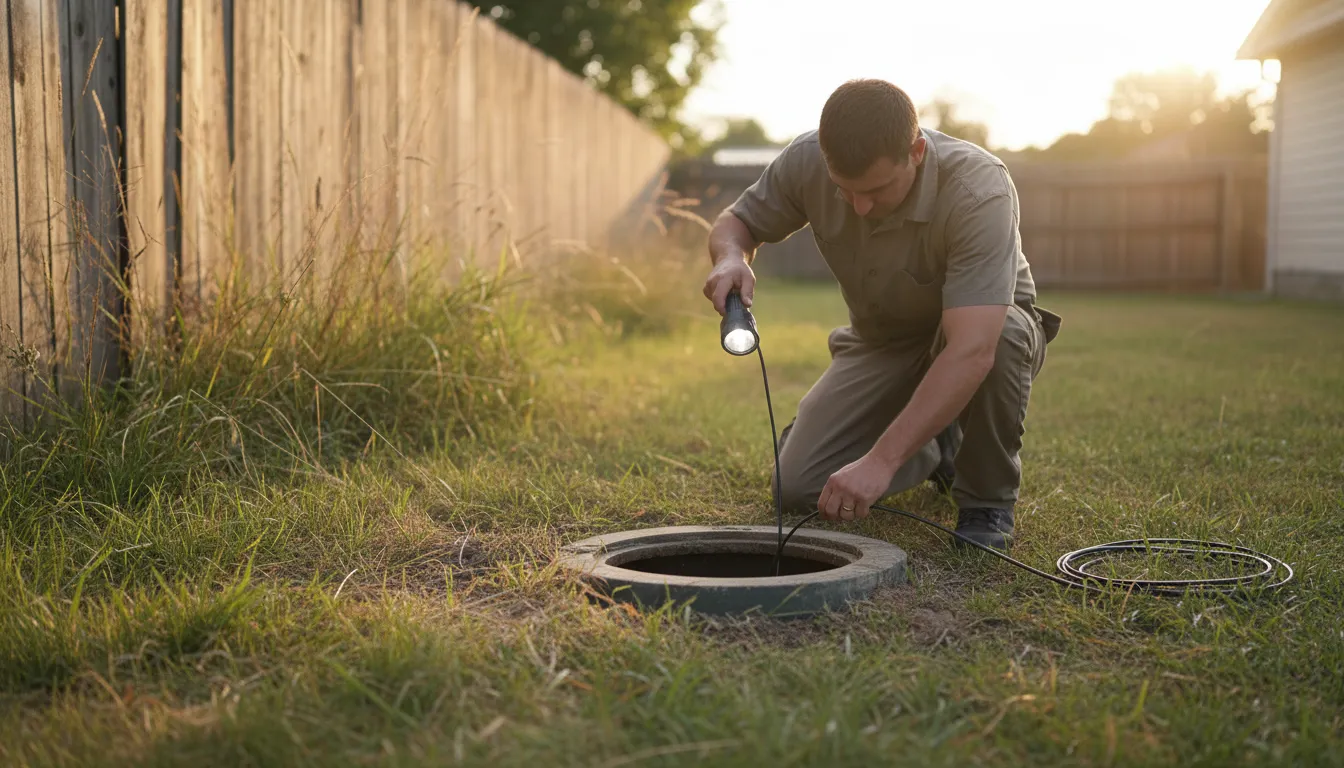
A septic tank inspection is a professional assessment of your onsite wastewater treatment system to ensure it is functioning safely and efficiently. This evaluation is crucial for protecting your property investment, safeguarding your family's health, and preventing environmental contamination in Deltona's sensitive ecosystems. The following guide will help you understand the local requirements, the inspection process, and how to connect with qualified professionals in your area to maintain your system's health.
Always There Septic
Orlando, FL
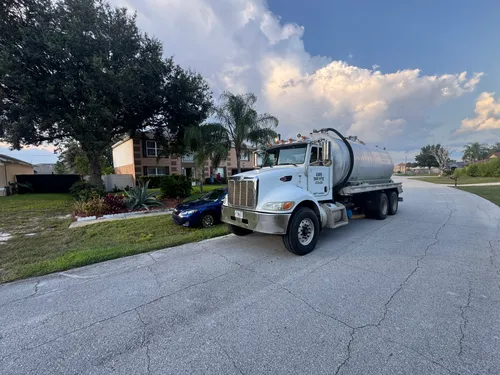
Always There Septic provides a full range of septic system services in Orlando, FL, including septic tank pumping, inspections, repairs, and installation for both residential and commercial properties. They handle drain field repair and replacement, septic pump repair, and commercial grease trap cleaning, ensuring systems meet Florida Code and operate properly. The company offers 24/7 emergency septic services and manages all permitting and inspections for new installations or replacements, aiming for a smooth process from start to finish.
Clear Flow Environmental
15232 E Colonial Dr, Orlando, FL 32826
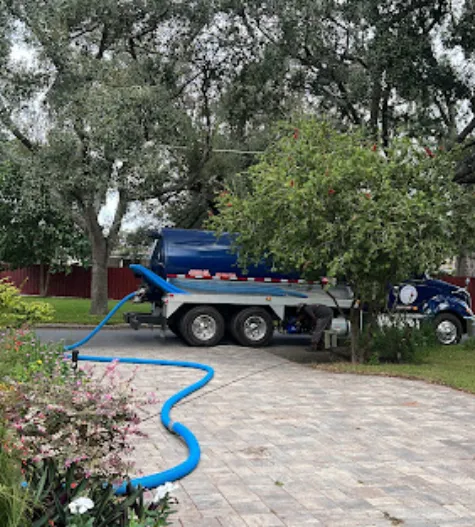
Clear Flow Environmental is a septic system service provider based in Orlando, FL. They offer a range of services including septic tank pumping, inspections, installations, and repairs, as well as drain field troubleshooting and replacement. The company also handles grease trap maintenance and outdoor plumbing issues. Clear Flow Environmental provides city sewer tie-in services to connect properties to municipal sewage systems where available. They utilize bioForce Plus bacterial waste degrader to maintain drainlines and grease traps effectively.
Flush and Go Drain & Septic Cleaning LLC
3940 Moores Station Rd, Sanford, FL 32773
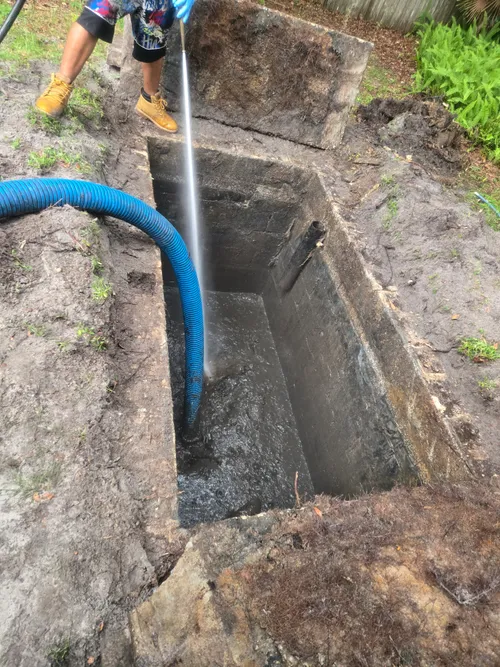
Flush and Go Drain & Septic Cleaning LLC provides septic tank pumping, inspection, and repair services in Orlando, FL. They also offer drain field installation and grease trap cleaning, with a focus on maintaining septic system health and preventing backups. The company uses video line inspections to diagnose issues without extensive digging. With over 20 years of experience, Flush and Go offers emergency and 24/7 services to address urgent septic needs.
Clark Septic
451 Aulin Ave, Oviedo, FL 32765
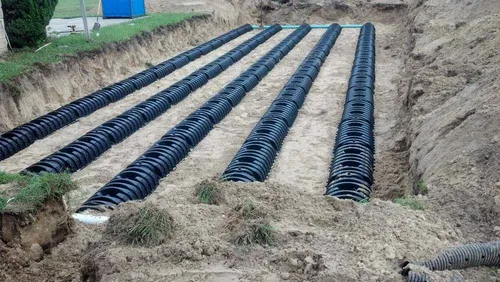
Clark Septic provides a range of septic services in Orlando, FL, including septic tank pumping, inspections, repairs, maintenance, and drain field repair or replacement. Serving Orlando and Central Florida, the company has been installing, maintaining, and repairing septic systems since 2002. Clark Septic offers emergency service for septic issues that arise outside regular business hours. Their expertise includes full diagnostic testing and comprehensive septic system care to help protect water quality and system function.
Glenn Tatum Septic Service
4251 Ondich Rd, Apopka, FL 32712
Glenn Tatum Septic Service is a septic tank pumping, inspection, and repair company based in Orlando, FL. They offer a range of services including septic tank pump out, drain field installation and repair, and advanced pipe cleaning techniques such as hydro jetting and cured-in-place-pipe (CIPP) relining. Their capabilities include video inspection and pipe locating to identify issues like clogs, corrosion, and root intrusion without extensive digging. The company provides solutions designed to extend pipe lifespan, such as brush coating with epoxy for corrosion resistance.
Why Septic System Inspections Matter in Deltona
In Deltona, where many homes rely on onsite sewage treatment and disposal systems (OSTDS), proactive maintenance is not just a recommendation-it's a responsibility. The Florida Department of Health in Volusia County oversees all septic system activity, requiring permits for new installations, repairs, and modifications. While Florida state law does not mandate routine inspections for all existing systems, a regular evaluation schedule is strongly advised, especially in environmentally sensitive areas where the recommended interval can be as frequent as every five years 1. A failing system can lead to raw sewage backing up into your home or surfacing in your yard, creating health hazards and potentially contaminating groundwater, which is a critical concern for local water quality.
Beyond environmental health, a septic assessment is often a practical necessity. It is frequently required during real estate transactions to satisfy lenders and buyers. Furthermore, if you are applying for a permit to repair or modify your system, the county will likely require a current inspection report 2. Staying ahead of problems with a periodic septic check can save you thousands of dollars compared to the cost of a full system replacement.
Understanding Local Regulations and Recommendations
Navigating the rules for septic systems in Volusia County is the first step for any homeowner. The primary regulatory body is the Florida Department of Health in Volusia County. Their guidelines form the basis for all legal and recommended practices.
- Permits Are Mandatory: Any significant work on your system-including new installation, repair, alteration, or expansion-requires a permit from the county health department. You cannot legally hire a contractor to begin this work without the proper authorization.
- Inspection Triggers: While not state-mandated for all homes, inspections are commonly triggered by specific events:
- Property Sale: Most real estate transactions involving a septic system will require a passing inspection report.
- System Repair: Before a repair permit is issued, an inspection is often needed to diagnose the problem.
- Home Expansion: Adding bedrooms or bathrooms increases wastewater flow and requires a system evaluation and likely a permit.
- Proactive Maintenance Schedule: Experts universally recommend a proactive approach. A comprehensive septic system evaluation every 1 to 3 years, coupled with pumping the tank every 3 to 5 years, is considered best practice to prevent catastrophic failure 3. This is particularly important in Deltona's soil conditions.
The Step-by-Step Septic Inspection Process
A professional septic tank inspection is a thorough procedure that goes beyond just looking at the tank. Here's what you can expect when a certified technician evaluates your system.
- Locating the System: The inspector will first locate all components, including the septic tank and the drainfield (or leach field). This may involve consulting property records or using probing tools.
- Exposing Access Ports: The concrete or fiberglass lids covering the tank's inspection ports and pump chamber (if present) must be uncovered. This often requires some digging with a shovel.
- Measuring Sludge and Scum: Using specialized tools, the inspector will measure the depth of the sludge layer at the bottom of the tank and the scum layer floating at the top. This determines if the tank needs to be pumped immediately 4.
- Checking Effluent Level: The liquid level in the tank (effluent) is checked to ensure it is at the proper height. A level that is too high can indicate a blockage in the outlet or a failing drainfield.
- Inspecting Tank Components: The technician will inspect the inlet and outlet pipes, baffles, and tees for cracks, blockages, or deterioration. The structural integrity of the tank itself is also checked for cracks or signs of collapse.
- Drainfield Evaluation: This critical step involves checking the soil over the drainfield for any signs of failure, such as soggy, spongy ground, foul odors, or surfacing sewage 5.
- Pumping (If Required): If the sludge and scum levels are too high (typically if sludge is within about 12 inches of the outlet baffle), the inspector will likely recommend or perform a pump-out. Pumping allows for a better view of the tank's interior condition and is a core part of maintenance 6.
Find the perfect septic tank inspection companies for your needs
Get personalized recommendations and expert advice
What Influences the Cost of a Septic Inspection in Deltona?
The price of a septic system evaluation can vary based on several factors specific to your property. Understanding these can help you interpret estimates from local providers.
- Basic Inspection: A standard visual and operational inspection in Deltona typically ranges from $200 to $500. The final cost depends heavily on how easily the tank's access lids can be located and uncovered.
- Inspection with Pumping: Most inspections that reveal a full tank will lead to a pumping recommendation. A combined service of inspection and pumping usually costs between $400 and $800. The total depends on tank size (measured in gallons) and the accessibility for the pump truck.
- Additional Diagnostics: If problems are suspected, inspectors may use cameras to scope drainfield lines or perform soil tests, which will add to the overall cost.
- Repair Costs: The inspection may uncover needed repairs. These can range from minor fixes like replacing a baffle ($200-$500) to major undertakings like a partial or full drainfield replacement, which can cost $5,000 or more7.
Disclaimer: All cost figures are estimates based on regional data. Actual quotes from Deltona service providers may vary based on the specific contractor, tank size, soil conditions, and exact location within the city 8.
Choosing a Qualified Septic Inspection Professional
Not all septic service companies are equal. For an inspection that will be accepted by county officials or a prospective home buyer, you need a qualified professional.
- Check for Licensing: Ensure the company or individual is licensed by the state of Florida to perform septic system inspections and repairs.
- Verify Insurance: Confirm they carry general liability insurance to protect your property during the inspection.
- Ask About Reporting: A reputable inspector will provide a detailed, written report documenting the condition of every system component, complete with photos and recommendations.
- Look for Local Experience: Companies familiar with Deltona and Volusia County's specific regulations, soil types, and common system issues can provide more relevant and efficient service.
Maintaining Your System Between Inspections
A septic inspection gives you a snapshot of your system's health, but daily habits determine its long-term viability. To keep your system functioning well between professional check-ups:
- Conserve Water: Spread out laundry loads and fix leaky faucets to avoid overwhelming the drainfield.
- Mind What You Flush: Only human waste and toilet paper should go down the drain. Avoid chemicals, grease, diapers, wipes (even "flushable" ones), and coffee grounds.
- Protect the Drainfield: Never park vehicles or build structures over the drainfield. Keep roof drains and sump pumps directed away from it.
- Keep Records: Maintain a file of all inspection reports, pumping receipts, and repair permits. This is invaluable for future service and if you sell your home.
Frequently asked questions
Sources
Footnotes
-
Florida New Septic System Law: What Homeowners Need to ... - https://rooterone.com/florida-homeowners-new-septic-system-law/ ↩
-
OSTDS Septic and Sewer Systems - Florida Department of Health in ... - https://volusia.floridahealth.gov/programs-services/environmental-public-health/ostds-septic-and-sewer-systems/ ↩
-
Frequent Questions on Septic Systems | US EPA - https://www.epa.gov/septic/frequent-questions-septic-systems ↩
-
What to Expect from a Septic Inspection - https://www.wrenvironmental.com/blog/2023/may/what-to-expect-from-a-septic-inspection/ ↩
-
Septic Inspection Report Template: Free PDF Download - ServiceTitan - https://www.servicetitan.com/templates/septic/inspection-report ↩
-
Deltona Septic Tank Inspection - Does Pumping Before Matter? - https://www.aesseptic.com/blog/2024/july/deltona-septic-tank-inspection-does-pumping-befo/ ↩
-
Septic Inspection Process: What Homeowners Should Know | LunsPro - https://www.lunspro.com/vlog/the-septic-system-inspection-process-what-homeowners-should-know ↩
-
Local Septic Regulations Florida Homeowners Should Know - https://www.yoursepticmasters.com/local-septic-regulations-florida-homeowners-should-know ↩