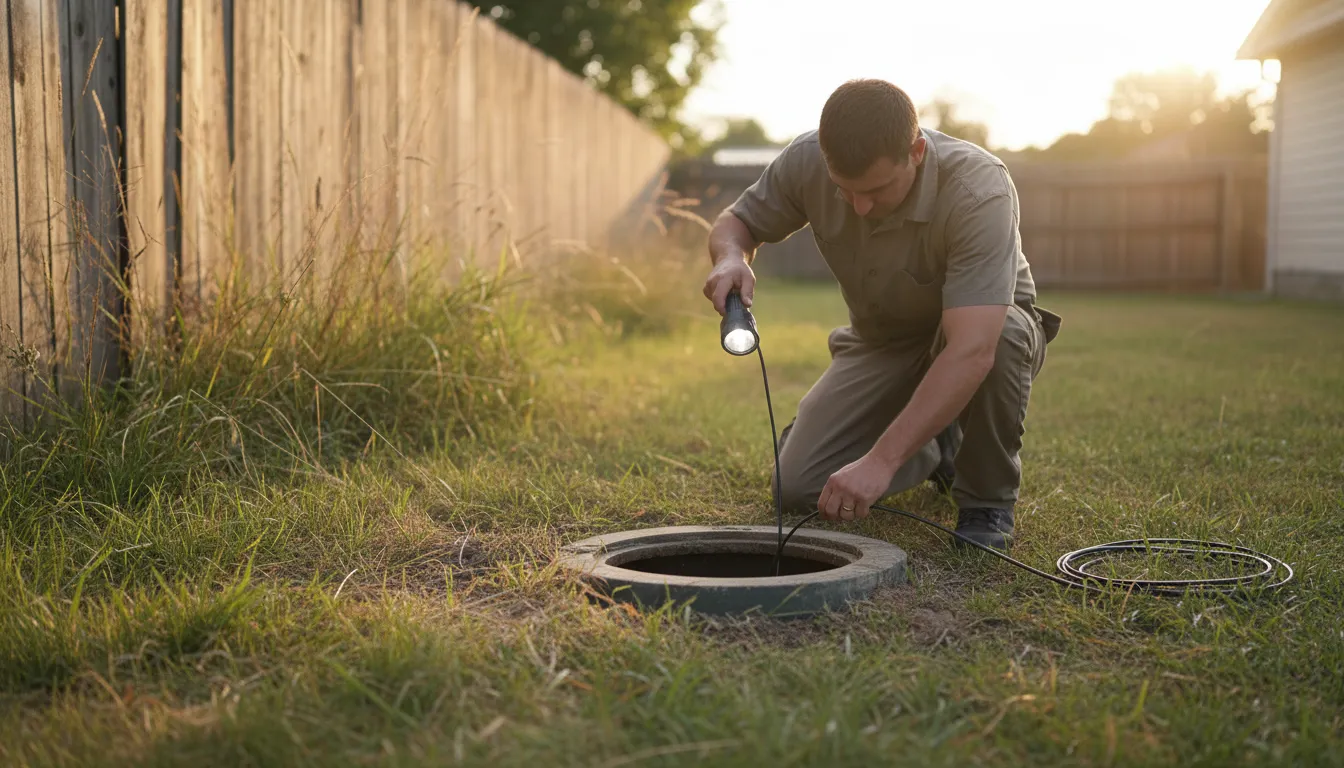
Find the Best Septic Tank Inspection Companies for Your Business
No obligation • Fast responses • Nationwide coverage

Why you can trust Septic Spot
Septic Spot is a leading United States resource for understanding and comparing septic services. Our editors review providers using consistent criteria and verify key business details. Listings and scores are independent, and companies cannot pay to influence our content.
Search providers near you
Top Septic Tank Inspection Companies in Miami Gardens, Florida Ranked
A septic tank inspection is a critical evaluation of your onsite wastewater system's health and functionality. In Miami Gardens, with its unique environmental conditions, these assessments are vital for protecting your property, your family's health, and the local groundwater. This guide explains the local requirements, process, and benefits of a professional septic system evaluation, helping you connect with qualified local experts to maintain your home's essential infrastructure.

Titan Property Inspections - Mold Specialists
6303 Waterford District Dr #400, Miami, FL 33126
Titan Property Inspections - Mold Specialists is a certified home and commercial inspection company based in Miami, FL. They provide a wide range of services including septic tank and drain field inspections, mold inspection and testing, 4-point home inspections, wind mitigation, roof certifications, and full property evaluations. Serving Miami-Dade, Broward, and Palm Beach counties, the company uses advanced technology such as thermal imaging and drones to deliver detailed, insurance-ready reports. With over 15 years of experience and more than 55,000 inspections completed, Titan Property Inspections offers same-day or next-day report delivery and maintains 24/7 office support to assist clients.

Champion Septic Tank - Grease Trap, Drain Field, Lift Station, Storm Drain
405 E 41st St Unit 1D, Hialeah, FL 33013
Champion Septic Tank - Grease Trap, Drain Field, Lift Station, Storm Drain provides septic system services in Miami, FL. They offer septic tank pumping, inspection, cleaning, and drain field repair, using advanced technology and professional tools. Their licensed team handles locating tanks, hydro jet cleaning, and riser installation to maintain system performance. Serving Miami-Dade and Broward counties, the company emphasizes thorough maintenance to prevent backups and extend system life. Champion Septic Tank is family-owned and offers 24/7 emergency septic services.

Champion Septic Tank - Grease Trap, Drain Field, Storm Drain, Lift Station
4000 Hollywood Blvd suite 555-s, Hollywood, FL 33021
Champion Septic Tank - Grease Trap, Drain Field, Storm Drain, Lift Station provides septic system services in Miami, FL. The company offers septic tank pumping, inspection, cleaning, and drain field repair using advanced technology and professional tools. Their licensed team handles locating, accessing, and maintaining septic systems to ensure proper flow and function. Champion Septic Tank serves Miami-Dade and Broward counties, including North Miami, Hollywood, and surrounding areas. They provide hydro jet cleaning and riser installation as part of their capabilities. The company emphasizes thorough maintenance to extend system life and prevent backups. Champion Septic Tank offers 24/7 emergency septic services for urgent needs.
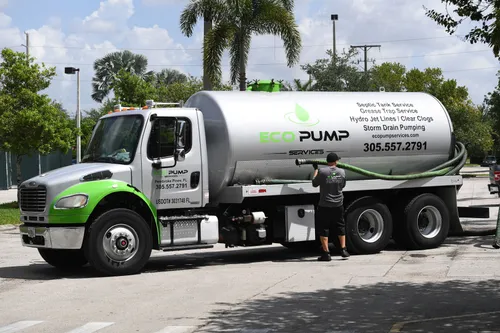
Eco Pump Services
15757 Pines Blvd Suite 315, Pembroke Pines, FL 33027
Eco Pump Services provides septic tank pumping, grease trap cleaning, and inspection services in Miami, FL, and the surrounding areas including Broward and West Palm Beach. They serve both residential and commercial clients, offering specialized capabilities such as hydro jetting for sewer drain lines and storm drain cleaning. With over 25 years of experience, Eco Pump Services is licensed and insured to handle grease trap maintenance and septic system care, ensuring compliance with local regulations.
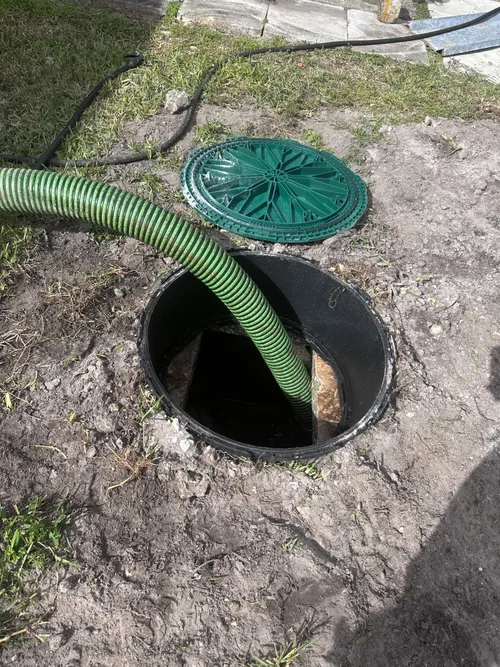
Septic Masters
3250 Mary St #307, Miami, FL 33133
Septic Masters provides septic tank pumping, inspection, repair, and installation services in Miami, FL. They also offer storm drain cleaning to help prevent flooding and water damage. Their team uses advanced equipment to thoroughly inspect and clean septic systems, including removing solid waste and sludge to maintain proper function. Septic Masters serves both traditional and modern septic systems and also specializes in grease trap cleaning to enhance waste management efficiency. Their services are designed to meet the needs of residential and commercial properties in the Miami area.
Why Regular Septic Inspections Are Crucial in Miami Gardens
The high water table and sandy soil common in South Florida, including Miami Gardens, create specific challenges for septic systems. A properly functioning drainfield relies on unsaturated soil to treat wastewater. When the water table is high, this process is less efficient, increasing the risk of system failure 1. Regular septic system inspections are your first line of defense. They help identify minor issues-like a damaged baffle or excessive sludge buildup-before they escalate into costly repairs or complete system failure, which can lead to sewage backups or environmental contamination.
Beyond maintenance, inspections are often a key part of real estate transactions. Miami-Dade County has ordinances that require disclosure of a property's septic system condition during a sale, and a professional inspection is strongly recommended to fulfill this requirement and provide peace of mind to both buyer and seller.
Local Requirements and Recommended Schedule
While Florida state law does not mandate annual inspections for all residential systems, authoritative guidelines strongly recommend a proactive schedule. For most households in Miami Gardens, a full septic tank inspection should be performed every 3 to 5 years.
However, certain conditions necessitate more frequent checks. You should consider an inspection every 1 to 3 years if your system is older, if your household size has increased significantly, or if you use a garbage disposal regularly, as these factors accelerate sludge accumulation. Furthermore, any permitting for system repairs or a new installation in Miami-Dade County must go through the Florida Department of Health, which underscores the importance of using licensed professionals for any evaluation or work 2.
What a Professional Inspection Involves
A comprehensive septic system evaluation by a licensed professional is a multi-step process designed to assess every component. It's far more than just checking if the tank is full.
1. Locating and Uncovering the System The inspector will first locate your septic tank and drainfield, then safely excavate and remove the manhole cover or access lid to begin the visual assessment.
2. Tank Interior and Component Check This core part of the inspection involves checking the liquid level to see if it's abnormally high, which can indicate drainfield problems. The inspector will examine the inlet and outlet baffles (or tees) for cracks or corrosion, as damaged baffles can allow solids to escape into the drainfield 3. The overall structural integrity of the tank is also assessed for cracks or signs of collapse.
3. Sludge and Scum Measurement Using specialized tools, the inspector measures the depth of the sludge layer at the bottom of the tank and the scum layer floating on top. This determines the tank's capacity and whether septic tank pumping is immediately required 4.
4. Drainfield Assessment The inspector evaluates the soil absorption area (drainfield) for signs of failure. This includes looking for soggy ground, standing water, or unusually lush vegetation over the field, which are telltale signs of hydraulic failure and effluent surfacing 5.
5. Reporting and Recommendations Finally, you will receive a detailed report documenting the system's condition, any issues found, and recommended actions, such as pumping or repairs. For real estate transactions, this report is a crucial document 6.
Find the perfect septic tank inspection companies for your needs
Get personalized recommendations and expert advice
Understanding Inspection Costs in Miami-Dade County
The cost of a septic inspection in Miami Gardens is influenced by the scope of the service and the size of your system. It's important to get clear quotes on what is included.
- Standard Inspection: A routine inspection typically ranges from $250 to $500 in Miami-Dade County 7.
- Combined Inspection and Pumping: If the inspection reveals the tank needs to be pumped, combining these services can cost between $300 and $600 or more, depending on tank size 8 9.
- Real Estate Inspection: A detailed inspection with a comprehensive report for a property transfer may be at the higher end of the scale due to the added liability and documentation required by the inspector.
Always confirm that the quote includes the full drainfield assessment and a written report.
Choosing a Qualified Septic Inspector
Your septic system's performance and your compliance with local regulations depend on the professional you hire. In Florida, ensure your provider is a state-licensed Liquid Waste Transporter or holds the appropriate specialty license for septic system work. Don't hesitate to ask for proof of licensing and insurance. A reputable inspector will be able to clearly explain their process, what their report includes, and provide references. Choosing a local expert familiar with Miami-Dade County's specific soil conditions and permitting office will streamline the entire process.
The Consequences of Neglecting Your Septic System
Skipping regular inspections is a risky gamble. Undetected problems can lead to:
- Drainfield Failure: The most expensive septic repair, often requiring a completely new drainfield and extensive landscaping.
- Property Damage: Sewage backups into your home or pooling wastewater in your yard create health hazards and damage property.
- Environmental Harm: Untreated wastewater can contaminate groundwater, which is a critical concern in Florida 10.
- Legal and Financial Liability: During a home sale, an undisclosed or failing system can lead to lawsuits, failed inspections, and lost deals.
An inspection is a small investment that protects a much larger one-your home.
Frequently asked questions
Sources
Footnotes
-
Septic System Care - Miami-Dade County - https://www.miamidade.gov/global/environment/ecosystems/septic-system-care.page ↩
-
Onsite Sewage Tanks and Disposal Systems - Florida ... - https://miamidade.floridahealth.gov/programs-and-services/environmental-public-health/onsite-sewage-tanks-and-disposal-systens/ ↩
-
Chapter 381 Section 00651 - 2019 Florida Statutes - https://www.flsenate.gov/laws/statutes/2019/381.00651 ↩
-
Septic Inspection Process Septic 911: A Comprehensive Guide | Septic System Professionals - https://septic911.com/septic-inspection-process-septic-911/ ↩
-
septic system inspections central & south florida - https://www.guardianangelinspections.com/septic-system-inspection-south-florida ↩
-
Essential Septic Inspections: What Every Homebuyer and Seller Should Know - Septic-Masters - https://septic-masters.com/essential-septic-inspections-what-every-homebuyer-and-seller-should-know/ ↩
-
Septic Tank and Drain Field Inspection When Buying a Home in Miami - https://aboveallsepticanddrain.com/septic-tank-inspection-when-buying-home-in-miami/ ↩
-
Septic Tank Inspection in Miami - Costs, Requirements & R... - https://miamisepticpros.com/services/septic-tank-inspection/ ↩
-
Septic System Inspections: A Step-by-Step How-To Guide - https://westcoastsanitationinc.com/septic-inspection-service/ ↩
-
Frequent Questions on Septic Systems | US EPA - https://www.epa.gov/septic/frequent-questions-septic-systems ↩