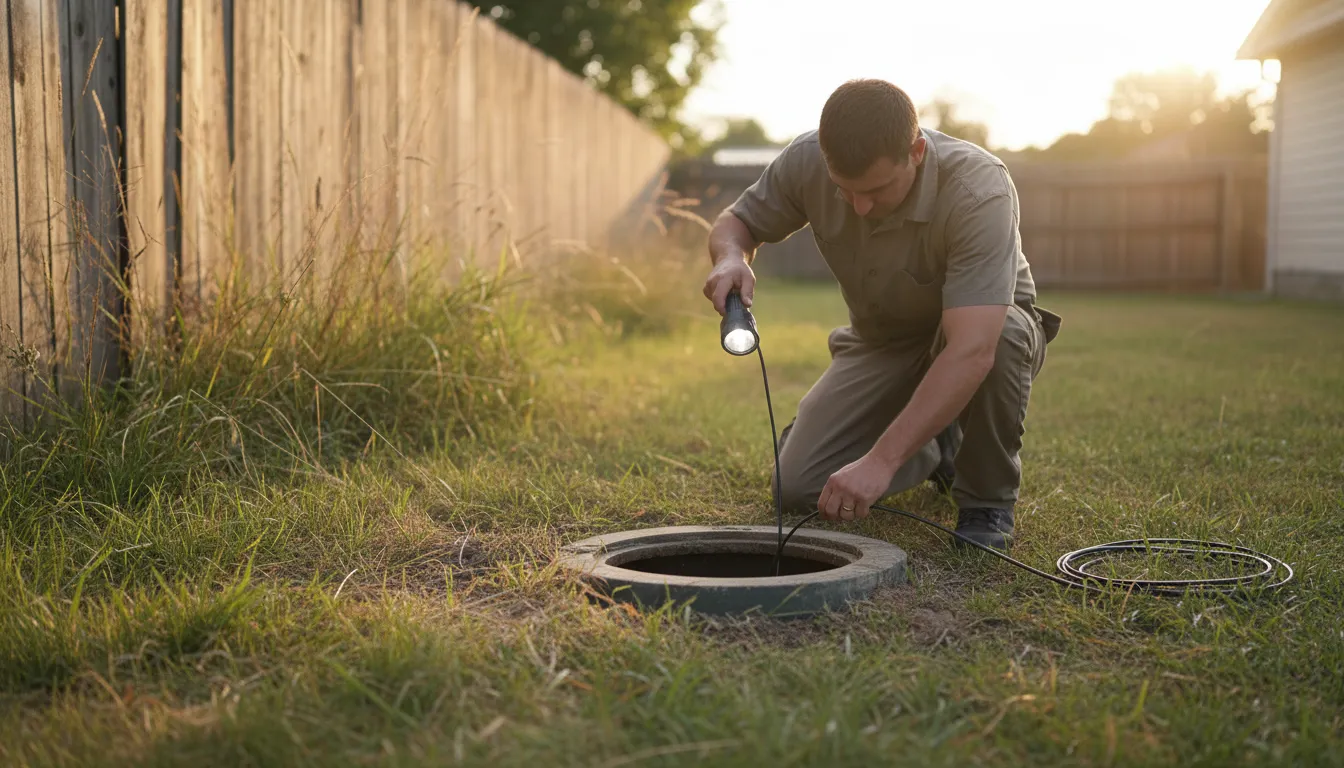
Find the Best Septic Tank Inspection Companies for Your Business
No obligation • Fast responses • Nationwide coverage

Why you can trust Septic Spot
Septic Spot is a leading United States resource for understanding and comparing septic services. Our editors review providers using consistent criteria and verify key business details. Listings and scores are independent, and companies cannot pay to influence our content.
Search providers near you
Top Septic Tank Inspection Companies in North Miami Beach, Florida Ranked
A professional septic tank inspection is a critical evaluation of your onsite sewage treatment and disposal system (OSTDS) to ensure it is functioning safely and efficiently. In a coastal city like North Miami Beach, where high water tables and environmental sensitivity are concerns, regular system checks are vital for protecting your property, public health, and local waterways. This guide will help you understand the process, local requirements, and what to look for when seeking a qualified professional to assess your septic system.

Titan Property Inspections - Mold Specialists
6303 Waterford District Dr #400, Miami, FL 33126
Titan Property Inspections - Mold Specialists is a certified home and commercial inspection company based in Miami, FL. They provide a wide range of services including septic tank and drain field inspections, mold inspection and testing, 4-point home inspections, wind mitigation, roof certifications, and full property evaluations. Serving Miami-Dade, Broward, and Palm Beach counties, the company uses advanced technology such as thermal imaging and drones to deliver detailed, insurance-ready reports. With over 15 years of experience and more than 55,000 inspections completed, Titan Property Inspections offers same-day or next-day report delivery and maintains 24/7 office support to assist clients.

Champion Septic Tank - Grease Trap, Drain Field, Lift Station, Storm Drain
405 E 41st St Unit 1D, Hialeah, FL 33013
Champion Septic Tank - Grease Trap, Drain Field, Lift Station, Storm Drain provides septic system services in Miami, FL. They offer septic tank pumping, inspection, cleaning, and drain field repair, using advanced technology and professional tools. Their licensed team handles locating tanks, hydro jet cleaning, and riser installation to maintain system performance. Serving Miami-Dade and Broward counties, the company emphasizes thorough maintenance to prevent backups and extend system life. Champion Septic Tank is family-owned and offers 24/7 emergency septic services.

Champion Septic Tank - Grease Trap, Drain Field, Storm Drain, Lift Station
4000 Hollywood Blvd suite 555-s, Hollywood, FL 33021
Champion Septic Tank - Grease Trap, Drain Field, Storm Drain, Lift Station provides septic system services in Miami, FL. The company offers septic tank pumping, inspection, cleaning, and drain field repair using advanced technology and professional tools. Their licensed team handles locating, accessing, and maintaining septic systems to ensure proper flow and function. Champion Septic Tank serves Miami-Dade and Broward counties, including North Miami, Hollywood, and surrounding areas. They provide hydro jet cleaning and riser installation as part of their capabilities. The company emphasizes thorough maintenance to extend system life and prevent backups. Champion Septic Tank offers 24/7 emergency septic services for urgent needs.
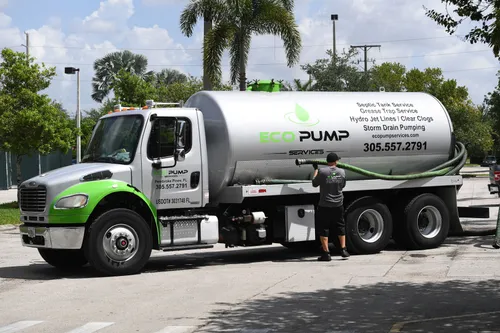
Eco Pump Services
15757 Pines Blvd Suite 315, Pembroke Pines, FL 33027
Eco Pump Services provides septic tank pumping, grease trap cleaning, and inspection services in Miami, FL, and the surrounding areas including Broward and West Palm Beach. They serve both residential and commercial clients, offering specialized capabilities such as hydro jetting for sewer drain lines and storm drain cleaning. With over 25 years of experience, Eco Pump Services is licensed and insured to handle grease trap maintenance and septic system care, ensuring compliance with local regulations.
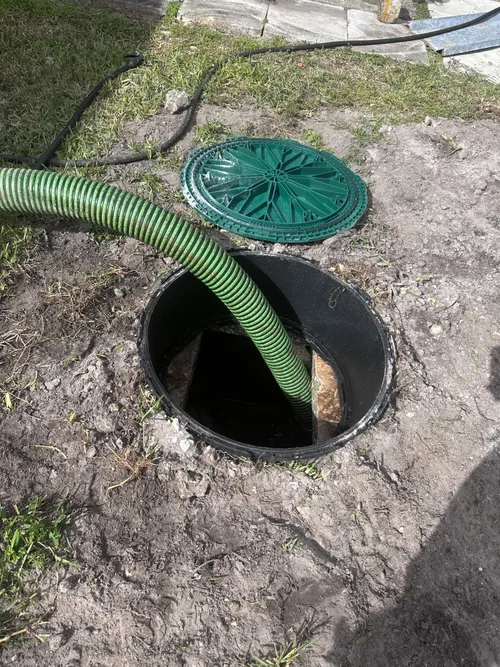
Septic Masters
3250 Mary St #307, Miami, FL 33133
Septic Masters provides septic tank pumping, inspection, repair, and installation services in Miami, FL. They also offer storm drain cleaning to help prevent flooding and water damage. Their team uses advanced equipment to thoroughly inspect and clean septic systems, including removing solid waste and sludge to maintain proper function. Septic Masters serves both traditional and modern septic systems and also specializes in grease trap cleaning to enhance waste management efficiency. Their services are designed to meet the needs of residential and commercial properties in the Miami area.
Why Regular Septic System Inspections Are Essential in North Miami Beach
Your septic system is an out-of-sight but essential part of your home's infrastructure. In Florida's unique environment, neglecting it can lead to costly repairs, property damage, and environmental contamination. Routine septic system evaluations are not just a good idea-they are a key part of responsible homeownership. The Florida Department of Environmental Protection and local health departments govern these systems, emphasizing their importance to public and environmental health 1. For homes in North Miami Beach, the combination of sandy soil and a high water table means systems can be more susceptible to failure, making proactive inspections even more crucial.
Local Regulations and Inspection Requirements
Miami-Dade County has specific rules for onsite sewage systems. All septic systems must be registered with the county, and the Division of Environmental Resources Management (DERM) oversees permitting for new installations, major repairs, and replacements. It's important to note that conventional septic systems are increasingly restricted in certain areas, so checking with DERM for the latest compliance standards is always recommended 2.
Key local requirements include:
- Routine Maintenance: It is generally advised that septic tanks be inspected and pumped every 3-5 years, depending on usage and household size.
- Real Estate Transactions: A professional septic inspection is highly recommended when buying or selling a home. A failing system can lead to significant environmental issues and expensive repairs, which a thorough inspection can help uncover.
- Permitting: Any significant repair or new installation requires a permit from Miami-Dade County, ensuring the work meets current health and environmental standards.
What Does a Professional Septic Inspection Involve?
A comprehensive septic system assessment goes beyond just looking at the tank. A licensed contractor will perform a series of checks to evaluate the entire system's health.
1. Locating System Components The inspector will first locate the septic tank and drainfield, which may involve consulting property records or using specialized probes.
2. Checking Tank Sludge and Scum Levels This is the core of the inspection. The inspector will open the tank access ports and measure the levels of sludge (solid waste at the bottom) and scum (floating fats and greases). These measurements determine if the tank needs to be pumped. Properly maintained sludge and scum layers are critical for effective treatment 3.
3. Inspecting Tank Components The inspector will check the inlet and outlet baffles or tees to ensure they are intact and functioning. These components prevent solids from flowing out into the drainfield. Filters, if present, will also be cleaned and inspected 4.
4. Assessing the Drainfield The drainfield, or leach field, is where final treatment and dispersal of liquid effluent occurs. The inspector will evaluate the area for signs of failure, such as soggy ground, foul odors, or surfacing sewage. In North Miami Beach, drainfield saturation is a common issue due to the high water table.
5. Providing a Detailed Report After the evaluation, you should receive a clear, written report detailing the system's condition, any issues found, and recommended actions, such as pumping or repairs 5.
Find the perfect septic tank inspection companies for your needs
Get personalized recommendations and expert advice
Understanding Inspection and Service Costs
The cost for a standard septic tank inspection in the North Miami Beach area typically ranges from $250 to $5006 7. This fee generally covers the visual and mechanical assessment of the tank and a basic evaluation of the drainfield area. If the inspection reveals that pumping is needed, that service is usually quoted separately. Pumping costs can range from a few hundred dollars to over $500, depending on the tank's size, accessibility, and the extent of the service required 6 8. Many homeowners find it economical to bundle inspection and pumping services, as a tank often needs to be pumped to be properly inspected.
Choosing a Qualified Inspection Professional
Selecting the right contractor is essential for a reliable assessment. Always choose a licensed septic service provider familiar with Miami-Dade County's specific regulations. They should be able to discuss local codes, permit requirements, and the unique challenges posed by South Florida's geology. A reputable professional will be transparent about their inspection process, provide a clear scope of work, and answer all your questions before beginning.
Maintaining Your System Between Inspections
Professional inspections are periodic, but daily maintenance is ongoing. You can extend the life of your septic system by:
- Conserving water to avoid overloading the system.
- Avoiding flushing anything besides human waste and toilet paper.
- Never pouring grease, chemicals, or paints down the drain.
- Keeping vehicles and heavy objects off the drainfield area.
- Directing rainwater drainage away from the septic system.
For the most current regulatory information, always consult the Miami-Dade County Division of Environmental Resources Management (DERM) 9.
Frequently asked questions
Sources
Footnotes
-
Onsite Sewage Disposal (Septic Systems) - Florida Department of ... - https://lee.floridahealth.gov/programs-and-services/environmental-health/onsite-sewage-disposal/ ↩
-
Septic System Care - Miami-Dade County - https://www.miamidade.gov/global/environment/ecosystems/septic-system-care.page ↩
-
Frequent Questions on Septic Systems | US EPA - https://www.epa.gov/septic/frequent-questions-septic-systems ↩
-
for Your Septic System - City of North Miami Beach - https://www.citynmb.com/DocumentCenter/View/1041/Guide-to-Septic-System-PDF ↩
-
septic system inspections central & south florida - https://www.guardianangelinspections.com/septic-system-inspection-south-florida ↩
-
Septic Tank Inspection in Miami - Costs, Requirements & R... - https://miamisepticpros.com/services/septic-tank-inspection/ ↩ ↩2
-
Septic Tank and Drain Field Inspection When Buying a Home in Miami - https://aboveallsepticanddrain.com/septic-tank-inspection-when-buying-home-in-miami/ ↩
-
Local Septic Regulations Florida Homeowners Should Know - https://www.yoursepticmasters.com/local-septic-regulations-florida-homeowners-should-know ↩
-
Onsite Sewage Treatment and Disposal Systems (OSTDS) - https://www.miamidade.gov/global/economy/building/ostds.page ↩