Find the Best Septic Tank Inspection Companies for Your Business
No obligation • Fast responses • Nationwide coverage

Why you can trust Septic Spot
Septic Spot is a leading United States resource for understanding and comparing septic services. Our editors review providers using consistent criteria and verify key business details. Listings and scores are independent, and companies cannot pay to influence our content.
Search providers near you
Top Septic Tank Inspection Companies in Ocala, Florida Ranked
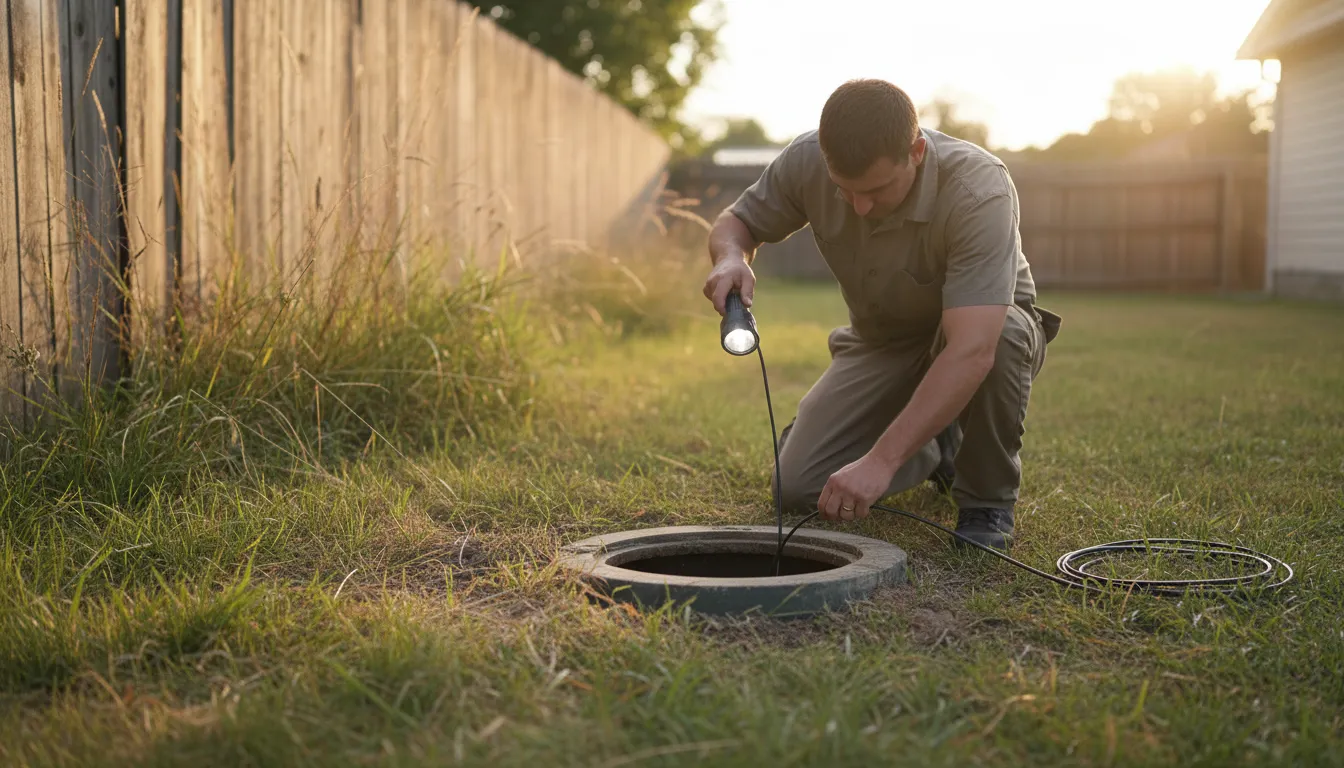
A septic system inspection is a critical evaluation of your onsite wastewater treatment system's health and functionality. For Ocala homeowners, these assessments are essential for protecting property value, ensuring environmental safety, and complying with local Marion County regulations. This guide helps you understand the process, requirements, and how to connect with qualified local professionals who can perform this vital service.
Understanding Septic System Evaluations in Marion County
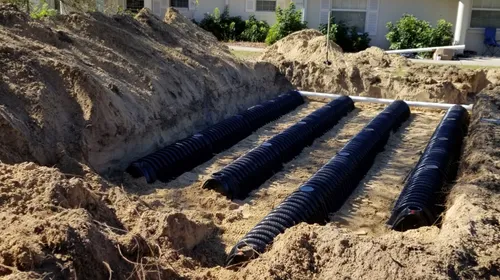
In Ocala and the surrounding Marion County area, septic system oversight is a shared responsibility between state and local authorities. The Florida Department of Environmental Protection (DEP) manages the statewide onsite sewage program, while the Florida Department of Health in Marion County handles local permitting, inspections for new installations or repairs, and issues operating permits for certain advanced systems 1. As of July 2022, property owners have the option to hire private, licensed contractors to perform required inspections, providing more flexibility.
A professional septic tank evaluation goes far beyond a simple look at the tank. It is a comprehensive review of the entire system-from the inlet baffle to the far end of the drainfield. These inspections are mandated for specific situations: when installing a new system, repairing an existing one, or when a property's usage changes (e.g., a residential home converting to a business) 2. Even outside of these requirements, routine inspections every 3-5 years are strongly recommended as a cornerstone of responsible home maintenance.
When Is a Septic Inspection Required or Recommended?
Knowing when to schedule a system check can save you from costly emergencies and legal headaches.
Mandatory Inspections:
- Property Transactions: While not always state-mandated for every sale, a septic inspection is highly advised and often required by lenders or buyers. It provides a clear picture of the system's condition, which is crucial for real estate disclosures and negotiations.
- System Repairs or Alterations: Any time you apply for a permit to repair or upgrade your system, the local health department will require an inspection.
- Change of Property Use: Converting a single-family home into a multi-family dwelling or a business can significantly increase wastewater flow, necessitating a system evaluation to ensure it can handle the new load.
- Operating Permits: Advanced systems like Aerobic Treatment Units (ATUs) and Performance Based Treatment Systems (PBTS) require an annual operating permit from the health department, which typically involves an inspection to ensure they are functioning correctly.
Recommended Preventive Inspections:
- Routine Maintenance: Industry experts and health officials recommend a full system inspection every 3 to 5 years, often coordinated with a routine pumping service.
- Warning Signs: If you notice slow drains, sewage odors, unusually lush grass over the drainfield, or standing water in your yard, an immediate inspection is warranted to diagnose potential failure.
The Step-by-Step Septic Inspection Process
A thorough septic system assessment follows a detailed procedure to evaluate every component.
- Locate and Uncover: The inspector will first locate your tank and drainfield using plans, probes, or electronic locating equipment. They must then excavate to uncover the tank's access lids, which is necessary for a proper internal examination.
- Pump-Out for Visual Inspection: A core part of the inspection involves pumping the tank. This allows the inspector to see the empty tank's interior walls, floor, and baffles clearly to check for cracks, leaks, or structural defects that would be hidden by wastewater and sludge.
- Component Check: With the tank empty, the inspector examines the inlet and outlet baffles (or tees) to ensure they are intact and secure. They will also check and clean the outlet filter, if your system has one, as a clogged filter is a common cause of backups.
- Sludge and Scum Measurement: Before pumping, the inspector measures the levels of sludge (at the bottom) and scum (at the top). These measurements indicate how full the tank is and how urgently it needs pumping, providing insight into your system's maintenance history and functionality.
- Drainfield Assessment: The evaluation extends to the drainfield (or leach field). The inspector looks for any signs of failure, such as surfacing sewage, overly saturated soil, or odors. They may also perform a simple water load test to see how well the field absorbs liquid 3 4.
- Documentation and Reporting: Finally, a professional inspector will provide a detailed written report. This document should certify that the tank was pumped, cleaned, and found to be structurally sound, or it will clearly outline any defects or necessary repairs found during the evaluation 5.
Find the perfect septic tank inspection companies for your needs
Get personalized recommendations and expert advice
Costs Associated with Septic Inspections and Repairs in Florida
Understanding potential costs helps homeowners budget for this important service. In Florida, the typical cost for a combined septic tank pumping and inspection generally ranges between $300 and $600+, though the final price depends heavily on your tank's size (e.g., 1,000-gallon vs. 1,500-gallon) and its accessibility 6 7 8. A tank with buried or hard-to-reach lids will cost more to inspect due to the extra labor required for excavation.
It's important to view an inspection as a diagnostic investment. If the inspection uncovers problems, repair costs can escalate quickly. Replacing a damaged baffle or repairing a small crack may cost a few hundred dollars, but significant issues like a failing drainfield can lead to replacement costs that exceed several thousand dollars 9. The inspection fee is a small price to pay for identifying minor issues before they become catastrophic failures.
Special Considerations for Ocala Homeowners
Marion County has specific regulations that Ocala residents should be aware of:
- All Permits: Any installation, repair, or modification of a septic system requires a permit from the Florida Department of Health in Marion County.
- Managed Systems: If your home uses an Aerobic Treatment Unit (ATU) or another "managed" system, you are responsible for maintaining an annual operating permit with the county. This usually involves a maintenance contract with a licensed professional and an annual inspection to renew the permit 10 11.
- Professional Choice: You have the right to choose a private contractor for inspections. Ensure they are licensed by the state of Florida to perform septic system work. A reputable professional will know local codes, pull necessary permits for any repair work, and provide thorough documentation.
Maintaining Your System After the Inspection
Once your system has been given a clean bill of health, keep it that way with good practices. Spread out laundry loads, avoid pouring grease or harsh chemicals down the drain, and be mindful of water usage. Most importantly, adhere to a regular pumping schedule based on your household size and tank capacity, and consider having a follow-up inspection every few years to catch issues early. Proper maintenance protects your investment, your property, and Florida's delicate groundwater resources.
Frequently asked questions
Sources
Footnotes
-
Onsite Sewage Program - https://floridadep.gov/water/onsite-sewage ↩
-
Septic Systems - Florida Department of Health - https://www.floridahealth.gov/community-environmental-public-health/environmental-public-health/water-quality/septic-systems/ ↩
-
How to Prepare Your Septic System Before Selling Your Florida Home - https://robsseptictanks.com/how-to-prepare-your-septic-system-before-selling-your-florida-home/ ↩
-
Septic Inspection Duration: Time & Steps Guide - https://crewssepticsolutions.com/how-long-does-a-septic-inspection-take-and-what-steps-are-involved/ ↩
-
Local Septic Regulations Florida Homeowners Should Know - https://www.yoursepticmasters.com/local-septic-regulations-florida-homeowners-should-know ↩
-
Chapter 381 Section 00651 - 2019 Florida Statutes - https://www.flsenate.gov/laws/statutes/2019/381.00651 ↩
-
Your Complete Guide to Septic System Inspections in Florida - https://southernsepticanddesign.com/septic-services-blog/your-complete-guide-to-septic-system-inspections-in-florida-what-contractors-and-property-owners-need-to-know/ ↩
-
Septic System Inspections: A Step-by-Step How-To Guide - https://westcoastsanitationinc.com/septic-inspection-service/ ↩
-
Inspection rule targets Florida septic tank owners - https://www.jacksonville.com/story/news/2010/05/06/inspection-rule-targets-florida-septic-tank-owners/15946985007/ ↩
-
Septic Systems - Florida Department of Health in Marion County - https://marion.floridahealth.gov/programs-and-services/environmental-public-health/septic-systems/ ↩
-
Managed Septic System Information - https://charlotte.floridahealth.gov/wp-content/uploads/sites/11/2025/06/Managed_System_Combined_Documents-1_Revised_20221.pdf ↩