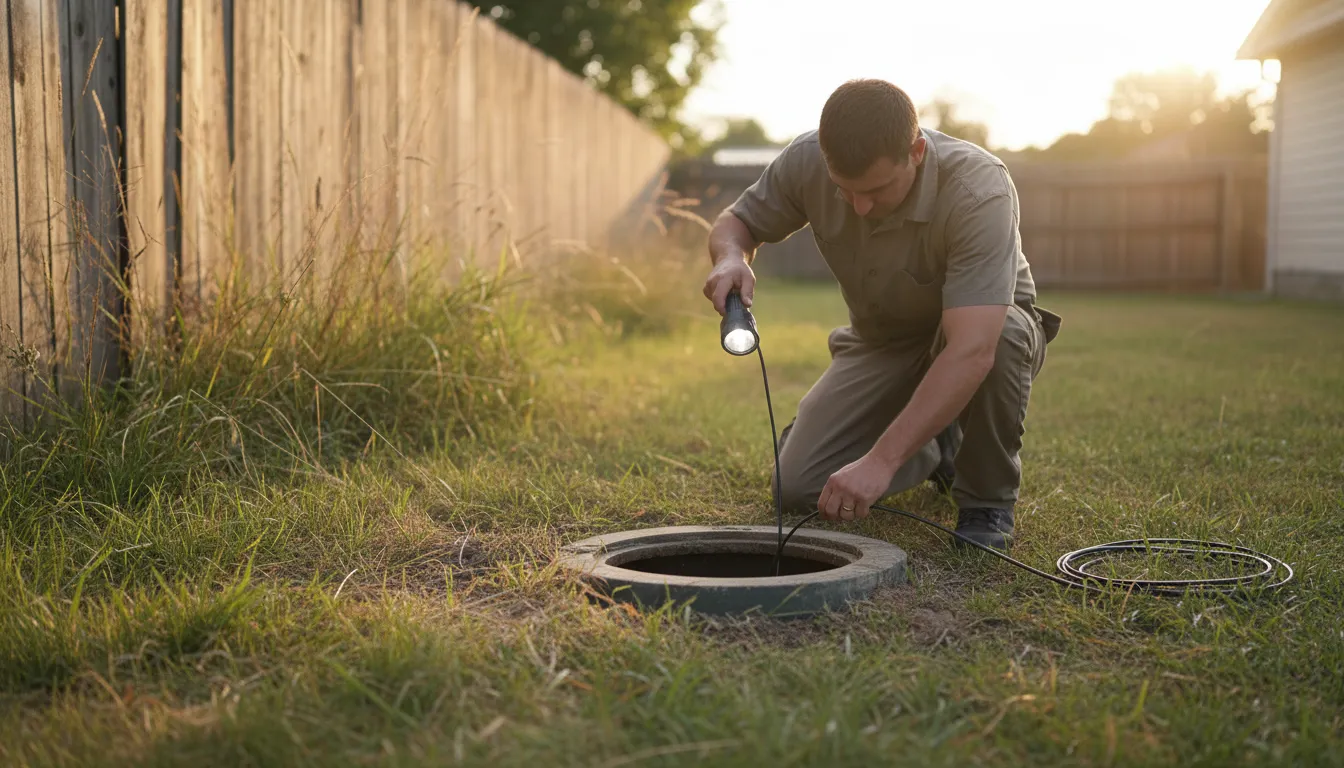
Find the Best Septic Tank Inspection Companies for Your Business
No obligation • Fast responses • Nationwide coverage

Why you can trust Septic Spot
Septic Spot is a leading United States resource for understanding and comparing septic services. Our editors review providers using consistent criteria and verify key business details. Listings and scores are independent, and companies cannot pay to influence our content.
Search providers near you
Top Septic Tank Inspection Companies in Pensacola, Florida Ranked
Maintaining a healthy septic system is a critical responsibility for Pensacola homeowners. A professional septic tank inspection is the best way to assess the condition of your system, ensure it's functioning properly, and avoid costly environmental hazards or property damage. This guide explains what a septic system evaluation entails in Escambia County, outlines local regulations, and helps you understand how to find qualified local professionals to perform this essential service.
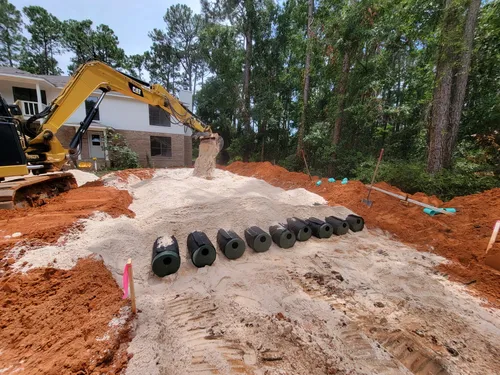
Understanding Septic System Regulations in Pensacola
In Pensacola and throughout Escambia County, septic systems are regulated by the Florida Department of Environmental Protection (DEP) in conjunction with the local county health department. These agencies set the standards for installation, maintenance, and inspection to protect public health and Florida's groundwater.
Mandatory inspections are typically required for specific situations, including new system installations, major repairs, and often during property transfers or sales 1. Furthermore, Florida has enacted updated system standards that all septic systems must meet by June 2030, which may prompt inspections and upgrades for older systems 2. For specialized systems like Aerobic Treatment Units (ATUs) or commercial systems, an operating permit from the health department is required, which involves regular inspections 3.
Why Regular Septic Inspections Are Essential
Scheduling a routine septic system check-up every 1-3 years is a proactive measure that can save you thousands of dollars. Unlike a municipal sewer line, you are solely responsible for the maintenance and repair of your onsite wastewater system. An inspection can:
- Prevent System Failure: Identify issues like excessive sludge buildup, failing drain fields, or component damage before they lead to a complete backup or surface breakout.
- Protect Property Value: A clean inspection report is a valuable asset during a real estate transaction. Many buyers and lenders require a recent septic evaluation.
- Safeguard Health and Environment: A malfunctioning system can contaminate local groundwater, nearby wells, and surface water with harmful bacteria and nutrients, posing a public health risk.
- Ensure Compliance: Keeps your system in line with evolving Florida state and local Escambia County regulations.
What Happens During a Professional Septic Inspection?
A comprehensive septic tank assessment, like those performed by local providers, follows a detailed process to evaluate every component 4. Here's what you can typically expect:
1. Locating and Accessing the System The inspector will first locate your septic tank and drain field using available records or probing tools. They will then excavate to uncover and open the tank's access ports (manholes). Ensuring these ports are accessible before the inspector arrives can streamline the process.
2. Tank Pumping (Often Recommended) While not always mandatory for a basic inspection, pumping the tank is highly recommended for a thorough evaluation. Removing the contents allows the inspector to clearly examine the tank's interior walls, inlet and outlet baffles, and the tank bottom for cracks, leaks, or signs of corrosion 5. Pumping is generally advised every 3-5 years to maintain proper capacity.
3. Internal Component Inspection With the tank empty, the inspector checks the structural integrity. They examine the baffles (or tees) to ensure they are intact and not blocked, as these are crucial for preventing solids from flowing into the drain field. Any cracks in the concrete or fiberglass will be noted.
4. Sludge and Scum Measurement A key part of the inspection is measuring the levels of sludge (solid waste at the bottom) and scum (floating fats and greases). These measurements determine how full the tank is and whether it's due for pumping. Excessive layers indicate the need for more frequent maintenance.
5. Drain Field Evaluation The inspector will evaluate the drain field (or leach field) area for signs of failure. This includes looking for overly lush grass, soggy or wet spots, standing water, or unpleasant odors-all indicators that the effluent is not properly percolating into the soil 6 7.
6. Flow and Function Test Finally, the inspector may run water through the household plumbing to verify that wastewater is flowing correctly from the house to the tank and that there are no blockages in the inlet pipe. They will also check for any backups or slow drainage issues 8.
Find the perfect septic tank inspection companies for your needs
Get personalized recommendations and expert advice
Costs Associated with Septic Inspections and Pumping in Pensacola
Understanding the potential costs helps in budgeting for this necessary maintenance. Prices can vary based on tank size, accessibility, and the scope of services.
- Routine Inspection Cost: A standard septic system inspection in the Pensacola area typically ranges from $150 to $4009. The price often depends on whether the inspection is a visual-only check or includes a full pumping service.
- Pumping Cost: The cost to pump out a septic tank generally falls between $250 and $600, influenced primarily by the tank's capacity (e.g., 500-gallon vs. 1,500-gallon) and how easy it is to access the tank 10 11. Many companies offer combined inspection and pumping packages, which can provide better overall value and a more definitive assessment of your system's health.
Choosing a Qualified Septic Inspector in Escambia County
Selecting a reputable professional is crucial. Look for inspectors or companies that:
- Are licensed by the state of Florida to perform septic system work (often holding a Certified Contractor license).
- Have extensive local experience with the soil types and regulations specific to Northwest Florida.
- Provide clear, detailed reports with photographs of their findings.
- Are familiar with the permitting process through the Florida Department of Health in Escambia County 12 13. You can verify a contractor's license through the Florida Department of Business and Professional Regulation (DBPR) and check for any necessary local county licensing.
Preparing for Your Septic Inspection
A little preparation can make the inspection go smoothly and efficiently:
- Know Your System's Location: If you have a diagram or "as-built" sketch of your system's layout, provide it to the inspector.
- Clear Access: Ensure the area above the septic tank and its access lids is clear of vehicles, landscaping, decks, or other obstructions.
- Provide Access to Water: The inspector may need to run water from inside your home, so ensure interior access is available.
- Have Records Ready: If you have past maintenance, pumping, or repair records, these can give the inspector valuable historical context.
The Consequences of Neglecting Septic System Maintenance
Failing to inspect and maintain your septic system can lead to severe problems. A failing system can cause sewage to back up into your home, resulting in unsanitary conditions and expensive cleanups. Environmentally, it can contaminate nearby wells, Pensacola Bay, and other local waterways, contributing to nutrient pollution and algal blooms 14. From a regulatory standpoint, you could be fined and forced to undertake emergency repairs or a complete system replacement, which is far more costly than routine care.
Frequently asked questions
Sources
Footnotes
-
Inspection rule targets Florida septic tank owners - https://www.jacksonville.com/story/news/2010/05/06/inspection-rule-targets-florida-septic-tank-owners/15946985007/ ↩
-
Florida New Septic System Law: What Homeowners Need to Know - https://rooterone.com/florida-homeowners-new-septic-system-law/ ↩
-
Onsite Sewage Tanks and Disposal Systems - Florida Department of ... - https://miamidade.floridahealth.gov/programs-and-services/environmental-public-health/onsite-sewage-tanks-and-disposal-systens/ ↩
-
Septic Tank Inspection | Pensacola, FL - https://www.ensleyseptic.com/septic-tank-inspection ↩
-
what is septic inspection? | ProSpect Inspection Services - https://gopro-spect.com/what-is-a-septic-inspection/ ↩
-
Preparing for Septic Tank Inspection: 7 Key Steps - https://septic911.com/preparing-for-septic-tank-inspection/ ↩
-
Your Complete Guide to Septic System Inspections in Florida - https://southernsepticanddesign.com/septic-services-blog/your-complete-guide-to-septic-system-inspections-in-florida-what-contractors-and-property-owners-need-to-know/ ↩
-
What to Expect During a Septic Tank Inspection? - GAI - https://www.guardianangelinspections.com/what-to-expect-from-a-septic-inspection ↩
-
A Complete Guide to Septic System Inspections | GAI Inc - https://www.guardianangelinspections.com/complete-guide-septic-system-inspection ↩
-
septic systems | Panhandle Outdoors - nwdistrict.ifas.ufl.edu | - https://nwdistrict.ifas.ufl.edu/nat/tag/septic-systems/ ↩
-
How Much Does it Cost to Maintain a Septic Tank in Florida? - https://mathisandsonsseptic.com/mathis-sons-septic-blog-orlando-fl/how-much-is-septic-tank-maintenance-in-florida/ ↩
-
Onsite Sewage Disposal - Florida Department of Health in Escambia County - https://escambia.floridahealth.gov/programs-and-services/environmental-health/onsite-sewage-disposal/ ↩
-
Septic Systems - Florida Department of Health - https://www.floridahealth.gov/community-environmental-public-health/environmental-public-health/water-quality/septic-systems/ ↩
-
Frequent Questions on Septic Systems | US EPA - https://www.epa.gov/septic/frequent-questions-septic-systems ↩