Find the Best Septic Tank Inspection Companies for Your Business
No obligation • Fast responses • Nationwide coverage

Why you can trust Septic Spot
Septic Spot is a leading United States resource for understanding and comparing septic services. Our editors review providers using consistent criteria and verify key business details. Listings and scores are independent, and companies cannot pay to influence our content.
Search providers near you
Top Septic Tank Inspection Companies in Wellington, Florida Ranked
A professional septic tank inspection is a critical evaluation of your onsite sewage treatment and disposal system (OSTDS). In Wellington, where many homes rely on these private systems, regular assessments are essential for protecting your property value, ensuring public health, and preventing costly environmental damage. This guide explains the inspection process, local regulations, and typical costs, helping you find qualified local professionals to evaluate your system's health.
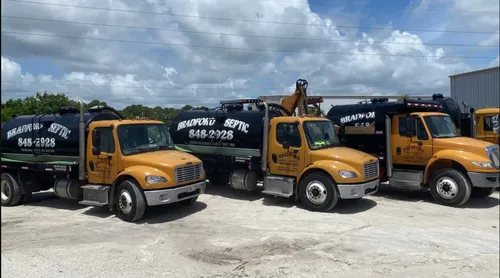
Bradford Septic Tank Co.
525 Gator Dr, Lantana, FL 33462
Bradford Septic Tank Co. is a septic tank inspection and repair company serving West Palm Beach, FL. The company offers septic system inspections and repairs, helping customers identify and address issues with their septic systems. Bradford Septic Tank Co. has over 30 years of experience in the industry, providing professional and caring service throughout the process.
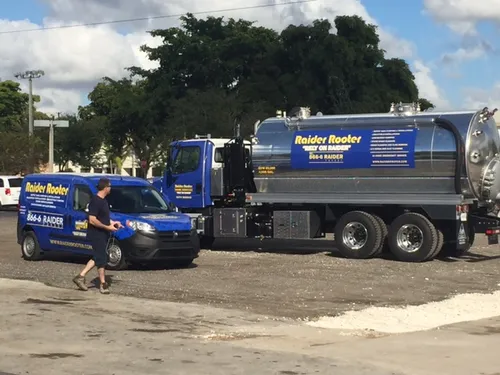
Raider Rooter
804 SE 1st St STE A, Boynton Beach, FL 33435
Raider Rooter is a family-owned plumbing and septic service company based in West Palm Beach, FL. Serving Palm Beach, Dade, and Broward Counties, they provide septic tank pumping, septic inspections, drain cleaning, camera line inspections, and high-pressure water jetting for residential and commercial properties. The company is certified to install and maintain Hoot Aerobic Systems and offers natural bacterial solutions to support septic system longevity and environmental protection. Raider Rooter has been in business since 1978 and offers emergency plumbing and drain services 24/7.
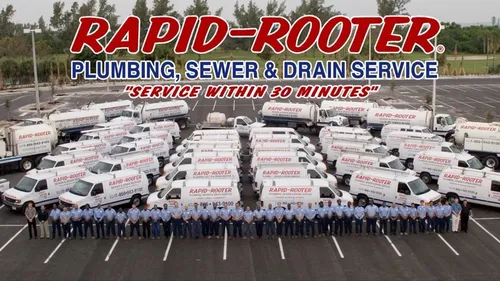
Rapid-Rooter Plumbing & Drain Service
4100 N Powerline Rd Unit I2, Pompano Beach, FL 33073
Rapid-Rooter Plumbing & Drain Service is a plumbing company based near Fort Lauderdale, FL, serving residential and commercial customers throughout South Florida. With over 30 years of experience, they provide a wide range of services including septic tank pumping, septic system inspections, septic repairs, drain cleaning, water heater repair, and general plumbing solutions. The company offers 24/7 emergency plumbing services, ensuring prompt response to urgent issues in the Fort Lauderdale area and beyond.
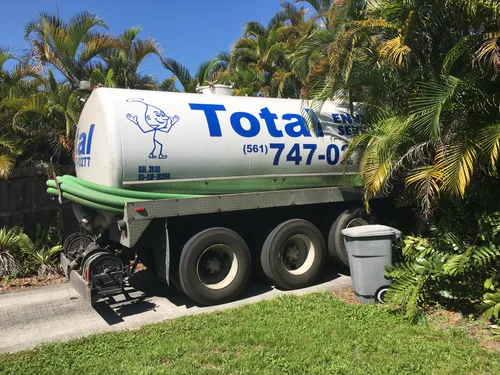
Total Septic Services
300 Center St, Jupiter, FL 33458
Total Septic Services is a septic tank and plumbing contractor based in Jupiter, Florida, serving West Palm Beach and the surrounding areas. They offer septic tank pumping, grease trap cleaning, drain field repair and rejuvenation, and high velocity line jetting. The company is part of a third-generation business with a central office in Orlando, providing a broad range of services including camera inspections and storm drain cleaning. Total Septic Services is available 24 hours a day to handle septic, sewer, or drain emergencies promptly.
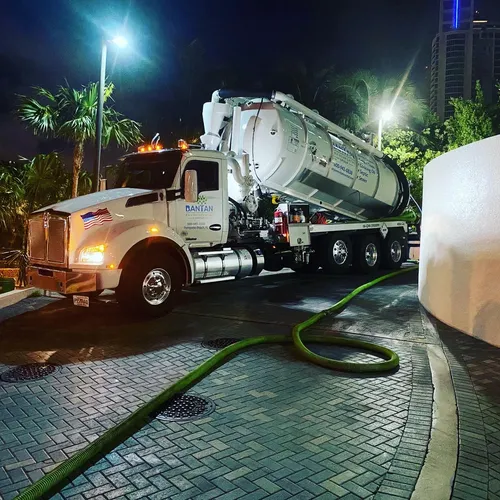
Banyan Environmental Group Inc
1550 NW 24th Ave, Pompano Beach, FL 33069
Banyan Environmental Group Inc is a family-owned and operated company based in Fort Lauderdale, FL, offering a range of environmental services. They provide septic tank pumping and inspection, storm drain maintenance, grease trap services, and high-pressure line jetting. The company operates 24/7 to handle both regular maintenance and emergency needs. Their capabilities include storm drain and grease trap repair and installation, as well as used cooking oil recycling. Banyan Environmental Group serves clients throughout Florida with a comprehensive approach to environmental service needs.
Why Septic System Inspections Matter in Wellington
Living in Wellington often means managing a private septic system. Unlike a municipal sewer connection, the responsibility for maintenance, repairs, and environmental compliance rests entirely with the homeowner. A failing system can lead to sewage backups in your home, foul odors in your yard, and contamination of local groundwater-a serious concern in Florida's high water table environment. Regular septic system evaluations are the most effective way to catch minor issues before they become major, expensive failures. They are a key part of responsible homeownership in Palm Beach County.
Local Regulations: Palm Beach County and Florida DOH Guidelines
Septic systems in Wellington are regulated by the Florida Department of Health in Palm Beach County (DOH). Understanding these rules is the first step in maintaining compliance and system health.
- Routine Inspections: While Florida state law does not mandate statewide, annual inspections for all systems, it is highly recommended that systems be inspected every 3-5 years. For Wellington homeowners, adhering to this schedule is a best practice for preventative maintenance.
- Mandatory Inspections: Inspections are required by law in specific scenarios. You must have your system inspected when applying for a permit to install a new system, alter an existing one, or conduct major repairs.
- Pumping Requirement: Florida law requires that septic tanks be pumped by a licensed septage disposal company. This service is often performed in conjunction with a full inspection 1.
- Private Provider Option: A significant update for homeowners is that as of July 2022, the Florida Department of Health allows the use of qualified private providers to perform official system inspections 2 3. This gives you more flexibility in choosing a professional.
What a Comprehensive Septic Inspection Includes
A thorough septic tank assessment in Florida is much more than a quick look. Here's what you should expect a licensed professional to do during a full evaluation 4:
- Locate the System: The inspector will find and map your tank and drain field, which is especially useful if you don't have existing records.
- Uncover Access Ports: They will dig down to expose the tank's manhole and inspection ports to gain entry.
- Pump the Tank: For a proper structural inspection, the tank must be emptied. This allows the inspector to check for cracks, leaks, and structural integrity of the tank walls and bottom 5 6.
- Inspect Critical Components: Once pumped, the inspector examines:
- Baffles or Tees: These inlet and outlet devices prevent solids from flowing into the drain field. They must be intact and functional.
- Effluent Filter: If present, it will be cleaned and checked for clogs or damage.
- Pipes: The inlet and outlet pipes are inspected for blockages or leaks.
- Evaluate Drain Field Function: The inspector will check the liquid level in the tank after it has had time to refill. A persistently high water level can indicate a failing or clogged drain field-the most common serious issue found in Florida systems.
- Provide a Detailed Report: You will receive a written evaluation of the system's structural condition, watertightness, and overall functionality. This report is crucial for your records and for any permit applications.
Find the perfect septic tank inspection companies for your needs
Get personalized recommendations and expert advice
Understanding Inspection and Pumping Costs in Wellington
The cost of septic services in Wellington depends on the type of inspection, the size of your tank, and its accessibility. Here's a general breakdown based on local data 7 8:
- Basic Visual Inspection: A simple check of liquid levels and visible components typically ranges from $100 to $200.
- Full Inspection with Report: A comprehensive inspection, which includes the steps outlined above and a formal report, generally costs between $300 and $600+.
- Septic Tank Pumping: Pumping the tank (a required part of a full inspection) usually costs $200 to $500, varying with tank size (e.g., 1,000-gallon vs. 1,500-gallon).
- Combined Service (Pump & Inspect): Most homeowners opt for pumping and inspection together. For this complete service check, you can expect to pay roughly $400 to $800 or more.
Investing in this combined service every 3-5 years is far more economical than the cost of a drain field repair or full system replacement, which can run into the tens of thousands of dollars 9 10.
Common Issues Found During Wellington Inspections
The subtropical South Florida environment presents unique challenges for septic systems. Professional inspectors in Wellington frequently encounter a few key problems:
- Drain Field Failure: This is the most prevalent serious issue. High groundwater tables, soil compaction, and lack of regular pumping can cause the drain field to become clogged and fail, leading to sewage surfacing in the yard 11.
- Aging System Components: Older concrete tanks can crack or deteriorate. Baffles can rust or break off. These issues are only visible during an inspection after pumping.
- Improper Maintenance: Systems that have never been pumped accumulate thick layers of sludge and scum, which can flow into and clog the drain field. An inspection will reveal this level of buildup.
- Non-Compliant Repairs or Additions: Any previous work done without a permit may not meet current DOH standards, which an inspection will uncover.
The Inspection Process and Permits for Repairs
If your septic system evaluation reveals a problem, the next steps involve permits and repairs. Any repair to a septic tank or drain field in Palm Beach County requires a permit from the Florida Department of Health 12 13. Your inspection report will be a vital document for the permit application. The DOH will review the proposed repairs to ensure they meet current standards for protecting public health and the environment. Working with a licensed contractor who is familiar with local permit processes is essential for a smooth and compliant repair.
Maintaining Your System Between Inspections
To extend the life of your septic system and get the most value from your professional inspections, follow these maintenance tips:
- Conserve Water: Spread out laundry loads and fix leaky fixtures to avoid overloading the system.
- Mind What You Flush: Only human waste and toilet paper should go down the drain. Avoid chemicals, grease, wipes, and feminine hygiene products.
- Protect the Drain Field: Never park vehicles or build structures over the drain field. Keep roof drains and sump pumps directed away from it.
- Keep Records: Maintain a file of all inspection reports, pumping receipts, and repair permits.
Frequently asked questions
Sources
Footnotes
-
Septic Systems - Florida Department of Health - https://www.floridahealth.gov/community-environmental-public-health/environmental-public-health/water-quality/septic-systems/ ↩
-
Florida Septic Tank Requirements | Onsite Sewage Treatment ... - https://www.ntotank.com/blog/florida-septic-tank-requirements ↩
-
ATU Requirements - https://floridadep.gov/sites/default/files/atu-appr-process-20190308.pdf ↩
-
What to Expect During a Commercial Septic System Inspection - https://mackenservices.com/2024/08/what-to-expect-during-a-commercial-septic-system-inspection/ ↩
-
Chapter 381 Section 00651 - 2019 Florida Statutes - https://www.flsenate.gov/laws/statutes/2019/381.00651 ↩
-
What to Expect During a Septic Tank Inspection? - GAI - https://www.guardianangelinspections.com/what-to-expect-from-a-septic-inspection ↩
-
Residential Septic Tank Pricing | Homeowner's Guide to Costs - https://www.ntotank.com/blog/residential-septic-tank-pricing ↩
-
Septic Tank Inspection Cost: What to Expect & What's Involved - https://atlantaseptictankpros.com/septic-tank-inspection-cost-what-to-expect-whats-involved/ ↩
-
Septic System Cost Estimate: A Complete Breakdown - Land Perc - https://landperc.com/septic-system-cost-estimate/ ↩
-
What Is The Cost Of A Septic System Replacement in Central Florida - Quality Septic Inc. - https://qualitysepticincorporated.com/cost-of-a-septic-system-replacement-florida/ ↩
-
Stay Compliant with Septic Tank Requirements in Florida - https://mathisandsonsseptic.com/mathis-sons-septic-blog-orlando-fl/florida-septic-tank-regulations-and-incentives-what-homeowners-need-to-know/ ↩
-
Inspection rule targets Florida septic tank owners - https://www.jacksonville.com/story/news/2010/05/06/inspection-rule-targets-florida-septic-tank-owners/15946985007/ ↩
-
Local Septic Regulations Florida Homeowners Should Know - https://www.yoursepticmasters.com/local-septic-regulations-florida-homeowners-should-know ↩