Find the Best Septic Tank Inspection Companies for Your Business
No obligation • Fast responses • Nationwide coverage

Why you can trust Septic Spot
Septic Spot is a leading United States resource for understanding and comparing septic services. Our editors review providers using consistent criteria and verify key business details. Listings and scores are independent, and companies cannot pay to influence our content.
Search providers near you
Top Septic Tank Inspection Companies in Weston, Florida Ranked
A septic system inspection is a critical evaluation of your onsite wastewater treatment system, ensuring it functions safely and complies with local health regulations. For Weston homeowners, these evaluations are essential for protecting your property value, preventing environmental contamination, and avoiding costly emergency repairs. This guide provides a detailed look at the inspection process, local requirements, and how to find qualified professionals in the Weston area to assess your septic tank and drain field.

Titan Property Inspections - Mold Specialists
6303 Waterford District Dr #400, Miami, FL 33126
Titan Property Inspections - Mold Specialists is a certified home and commercial inspection company based in Miami, FL. They provide a wide range of services including septic tank and drain field inspections, mold inspection and testing, 4-point home inspections, wind mitigation, roof certifications, and full property evaluations. Serving Miami-Dade, Broward, and Palm Beach counties, the company uses advanced technology such as thermal imaging and drones to deliver detailed, insurance-ready reports. With over 15 years of experience and more than 55,000 inspections completed, Titan Property Inspections offers same-day or next-day report delivery and maintains 24/7 office support to assist clients.

Champion Septic Tank - Grease Trap, Drain Field, Lift Station, Storm Drain
405 E 41st St Unit 1D, Hialeah, FL 33013
Champion Septic Tank - Grease Trap, Drain Field, Lift Station, Storm Drain provides septic system services in Miami, FL. They offer septic tank pumping, inspection, cleaning, and drain field repair, using advanced technology and professional tools. Their licensed team handles locating tanks, hydro jet cleaning, and riser installation to maintain system performance. Serving Miami-Dade and Broward counties, the company emphasizes thorough maintenance to prevent backups and extend system life. Champion Septic Tank is family-owned and offers 24/7 emergency septic services.

Champion Septic Tank - Grease Trap, Drain Field, Storm Drain, Lift Station
4000 Hollywood Blvd suite 555-s, Hollywood, FL 33021
Champion Septic Tank - Grease Trap, Drain Field, Storm Drain, Lift Station provides septic system services in Miami, FL. The company offers septic tank pumping, inspection, cleaning, and drain field repair using advanced technology and professional tools. Their licensed team handles locating, accessing, and maintaining septic systems to ensure proper flow and function. Champion Septic Tank serves Miami-Dade and Broward counties, including North Miami, Hollywood, and surrounding areas. They provide hydro jet cleaning and riser installation as part of their capabilities. The company emphasizes thorough maintenance to extend system life and prevent backups. Champion Septic Tank offers 24/7 emergency septic services for urgent needs.
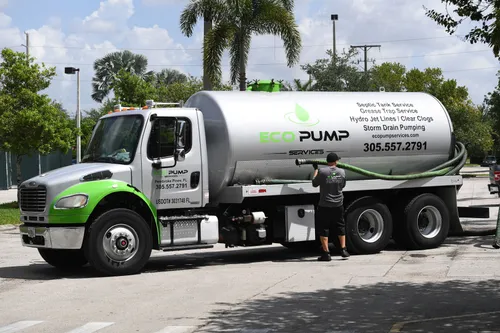
Eco Pump Services
15757 Pines Blvd Suite 315, Pembroke Pines, FL 33027
Eco Pump Services provides septic tank pumping, grease trap cleaning, and inspection services in Miami, FL, and the surrounding areas including Broward and West Palm Beach. They serve both residential and commercial clients, offering specialized capabilities such as hydro jetting for sewer drain lines and storm drain cleaning. With over 25 years of experience, Eco Pump Services is licensed and insured to handle grease trap maintenance and septic system care, ensuring compliance with local regulations.
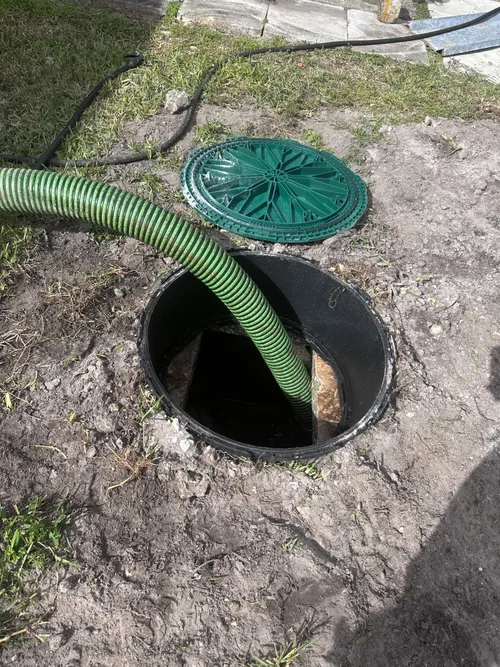
Septic Masters
3250 Mary St #307, Miami, FL 33133
Septic Masters provides septic tank pumping, inspection, repair, and installation services in Miami, FL. They also offer storm drain cleaning to help prevent flooding and water damage. Their team uses advanced equipment to thoroughly inspect and clean septic systems, including removing solid waste and sludge to maintain proper function. Septic Masters serves both traditional and modern septic systems and also specializes in grease trap cleaning to enhance waste management efficiency. Their services are designed to meet the needs of residential and commercial properties in the Miami area.
Understanding Septic System Evaluations in Weston
A septic tank assessment is more than just a quick look; it's a comprehensive check-up for one of your home's most vital systems. In Florida, and specifically in communities like Weston, these systems are governed by state and county health department regulations designed to protect both public health and sensitive local ecosystems, including the nearby Everglades watershed. A proper inspection verifies that your system is not malfunctioning or creating a public nuisance, which is a key concern for local authorities.
Regular septic checks are a cornerstone of responsible homeownership. They help identify minor issues-like a clogged filter or a deteriorating baffle-before they escalate into total system failures that can lead to sewage backups in your home or contamination of groundwater. For those considering buying or selling a property with a septic system, a professional inspection is a non-negotiable step in the real estate transaction process.
Florida and Broward County Regulatory Overview
Septic system operations in Weston fall under the jurisdiction of the Florida Department of Health (DOH) and the Broward County Health Department. Compliance isn't optional; it's a legal requirement to prevent environmental harm.
- Mandatory Inspection Triggers: State and local rules require a system inspection during specific "trigger events." These include the installation of a brand new septic system, any major repair to an existing system, or a change in property use that could increase wastewater flow (like adding a bedroom or converting a space to a rental unit) 1.
- The 2030 Upgrade Deadline: Florida homeowners should be aware of legislative changes. By the year 2030, many existing systems, particularly those near water bodies, may need to be upgraded or replaced to meet newer, more protective standards for nutrient reduction 2. An inspection is the first step in determining if your current system is compliant or what upgrades may be necessary.
- Broward County Specifics: Regulations can vary by county. It is highly recommended to contact the Broward County Health Department directly for the most current and specific rules applicable to your property in Weston.
The Step-by-Step Septic Inspection Process
A thorough septic system evaluation conducted by a certified professional follows a meticulous sequence. Knowing what to expect can help you prepare and understand the inspector's final report.
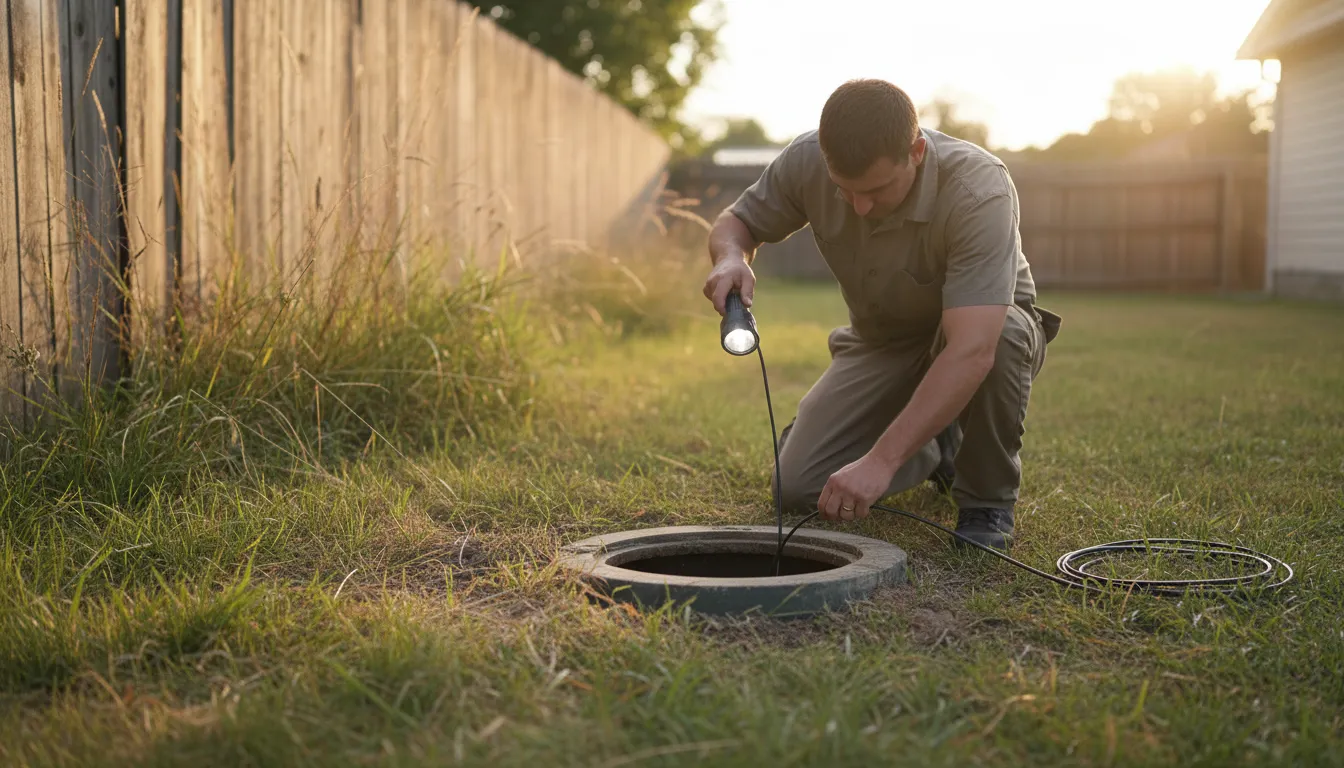
- Locate and Expose: The inspector will first locate your septic tank and drain field using available records or probing tools. They will then excavate and open the manhole and inspection port covers to access the tank's interior.
- Assess Tank Structure: The tank itself is checked for any signs of structural failure, such as cracks, leaks, or corrosion. The integrity of the tank is fundamental; a compromised tank can leak untreated wastewater into the surrounding soil.
- Measure Sludge and Scum: This is a key quantitative step. The inspector will measure the depth of the sludge layer at the bottom of the tank and the scum layer floating at the top. A general rule is that if the sludge occupies more than one-third of the tank's liquid depth, pumping is immediately required. This measurement is often impossible to do accurately if the tank is full, which is why pumping is frequently part of the inspection.
- Evaluate Internal Components: The inspector checks the inlet and outlet baffles (or tees) to ensure they are intact and functioning. These components are crucial for preventing solids from flowing out into the drain field. Filters, if present, are also cleaned and inspected 3.
- Inspect the Drain Field: The inspector will examine the area above and around your drain field (leach field) for classic signs of failure. Warning signs include persistently soggy or sunken soil, foul odors, standing wastewater on the ground surface, or an area of unusually lush, dark green grass 4.
- Conduct a Flow Test: To check the system's absorption capacity, the inspector may run a significant amount of water from inside the home (like flushing toilets and running multiple faucets) and observe how quickly the water level in the tank rises and falls. A slow drain-back indicates a potential problem in the drain field 5.
Find the perfect septic tank inspection companies for your needs
Get personalized recommendations and expert advice
What Inspection Reports Reveal and Next Steps
After the evaluation, you should receive a detailed report outlining the condition of each system component. A passing report will confirm the system is structurally sound, not overloaded with solids, and draining properly. If issues are found, the report will categorize them.
Common recommendations include:
- Pumping the Tank: This is the most frequent recommendation and is often considered a routine maintenance item, not a failure. Pumping allows for a proper internal inspection and restores the tank's treatment capacity 6.
- Baffle or Filter Replacement: Worn or broken baffles need to be replaced to prevent solids from escaping.
- Drain Field Evaluation: Signs of drain field distress may prompt a recommendation for further diagnostic work, such as a camera scope or soil percolation test, to determine the extent of the problem.
- System Upgrade or Repair: For major structural issues or a failed drain field, the report may state the system is non-compliant and requires significant repair or full replacement to meet DOH standards.
Cost Expectations for Septic Services in Weston
Understanding the potential costs helps homeowners budget for this essential maintenance. Prices can vary based on tank size, accessibility, and the scope of service.
- Standalone Inspection Cost: A standard septic system inspection in the Weston area typically ranges from $100 to $250 7. This fee covers the visual assessment and reporting.
- Pumping Cost: The service of pumping out the solid waste from your tank generally costs between $290 and $560 in this region 8 9.
- Combined Service (Inspection & Pumping): Many professionals strongly recommend-and some inspections require-that the tank be pumped to facilitate a complete internal assessment. Combining these services is common and can be more cost-effective than scheduling them separately. The total for a pumped inspection often falls within the combined range of the two individual services 10 11.
Preparing for a Septic System Evaluation
A little preparation can make the inspection go more smoothly and efficiently:
- Locate Your System: If you have a diagram or "as-built" map of your septic system's location, have it ready for the inspector.
- Clear Access: Ensure the area above your septic tank and the path to it are clear of vehicles, outdoor furniture, or landscaping features.
- Provide Information: Be prepared to tell the inspector the age of your home and system, the last known pumping date, and the number of people currently living in the home.
- Be Available: Plan to be home during the inspection to provide access and answer any immediate questions the inspector may have.
Frequently asked questions
Sources
Footnotes
-
Florida Septic Tank Requirements | Onsite Sewage Treatment ... - https://www.ntotank.com/blog/florida-septic-tank-requirements ↩
-
Florida New Septic System Law: What Homeowners Need to Know - https://rooterone.com/florida-homeowners-new-septic-system-law/ ↩
-
How to Get Septic to Pass Inspection - https://www.guardianangelinspections.com/how-to-get-septic-to-pass-inspection ↩
-
Septic Tank Inspections | Broward & Miami, FL - Alligator Septic - https://www.alligatorseptic.com/septic-tank-inspections ↩
-
What Does a Septic Inspection Entail? - HomeLight - https://www.homelight.com/blog/septic-inspection/ ↩
-
How to Prepare Your Septic System Before Selling Your Florida Home - https://robsseptictanks.com/how-to-prepare-your-septic-system-before-selling-your-florida-home/ ↩
-
Exploring the Costs of Septic Tank Inspections: What to Expect - https://www.theflushfellas.com/exploring-the-costs-of-septic-tank-inspections-what-to-expect ↩
-
How Much Does a Septic System Inspection Cost? [2025 Data] - https://www.homeadvisor.com/cost/plumbing/septic-inspection-cost/ ↩
-
Local Septic Regulations Florida Homeowners Should Know - https://www.yoursepticmasters.com/local-septic-regulations-florida-homeowners-should-know ↩
-
Septic Inspection Process: What Homeowners Should Know | LunsPro - https://www.lunspro.com/vlog/the-septic-system-inspection-process-what-homeowners-should-know ↩
-
Who Pays For Septic Inspection When Selling a House? - https://ibuyer.com/blog/who-pays-for-septic-inspection-when-selling-a-house/ ↩