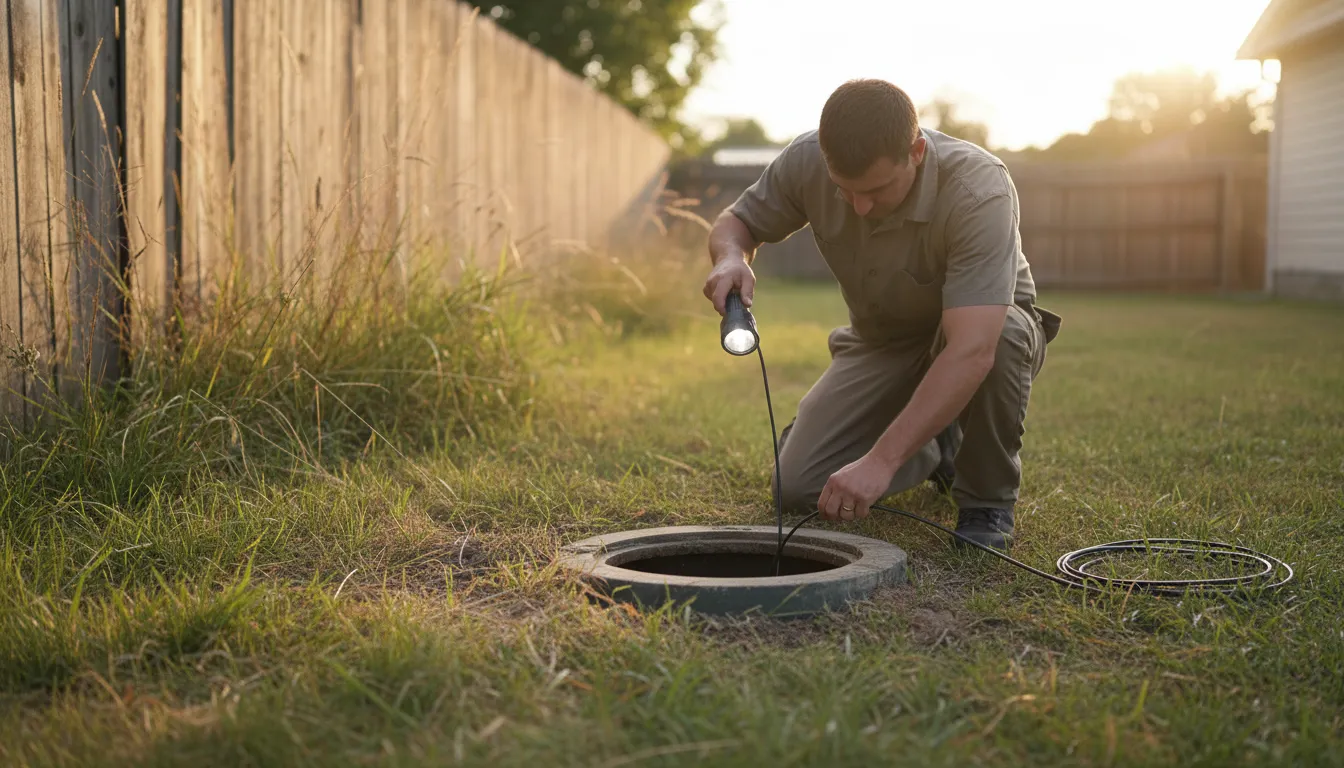
Find the Best Septic Tank Inspection Companies for Your Business
No obligation • Fast responses • Nationwide coverage

Why you can trust Septic Spot
Septic Spot is a leading United States resource for understanding and comparing septic services. Our editors review providers using consistent criteria and verify key business details. Listings and scores are independent, and companies cannot pay to influence our content.
Search providers near you
Top Septic Tank Inspection Companies in Winter Haven, Florida Ranked
A professional septic tank inspection is a critical evaluation of your onsite wastewater treatment system to ensure it is functioning safely and efficiently. For Winter Haven homeowners, these assessments are more than just routine maintenance; they are a key part of protecting your property value, your family's health, and Florida's sensitive water resources. This guide helps you understand the process, regulations, and local considerations for septic system evaluations, connecting you with the information needed to find qualified professionals in the area.
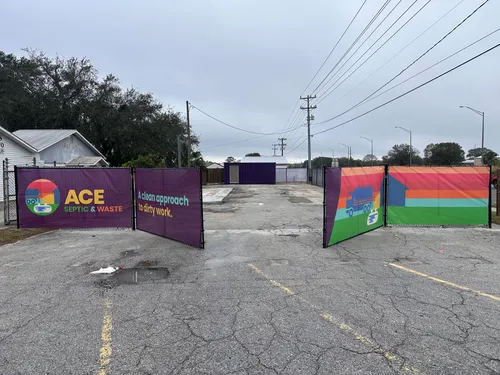
ACE Septic & Waste
3151 Bartow Rd, Lakeland, FL 33803
ACE Septic & Waste is a full-service septic and wastewater company serving Lakeland, FL, and the broader Tampa Bay and Central Florida regions. They provide a wide range of services including septic tank pumping, system installation, drainfield repair, lift station maintenance, and certified septic inspections for residential, commercial, and municipal clients. The company is uniquely licensed in plumbing, electrical, septic, and general contracting, allowing them to manage all aspects of wastewater projects in-house, from permitting to installation and maintenance. ACE Septic & Waste also offers advanced solutions like aerobic treatment units and low-pressure sewer systems, meeting Florida's environmental standards. Their emergency response team is available 24/7 to handle urgent wastewater issues.
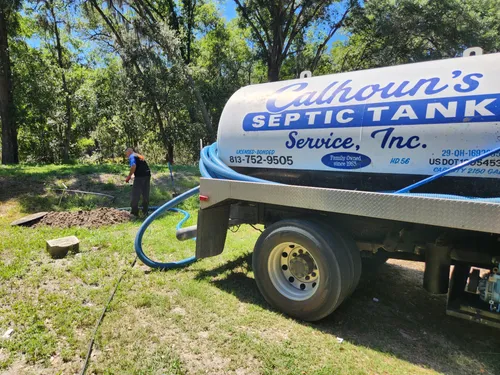
Calhoun Septic Tank Service
4611 Lykes Rd, Plant City, FL 33566
Calhoun Septic Tank Service is a septic tank company based in Tampa, FL, offering a full range of services including septic tank cleaning, repair, installation, real estate inspections, and permit acquisition. With over 60 years of experience, they serve Plant City and surrounding areas, providing tailored wastewater management solutions. Their capabilities include septic tank and drain field installation, ensuring compliance with local regulations.
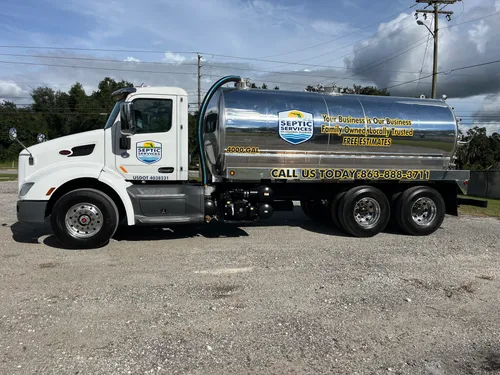
Septic Services of Central Florida
2301 US-17, Bartow, FL 33830
Septic Services of Central Florida is a family-owned company based in Tampa, FL, offering residential and commercial septic system services. They provide a full range of septic care including pumping, inspections, repairs, installations, and drainfield replacements. The company specializes in Advanced Treatment Units for enhanced wastewater management and handles everything from site evaluation to permitting and installation. With over 35 years of combined experience, they offer an industry-leading 8-year warranty and emergency services to address urgent septic issues.

Eco Septic Tank Pumping Lakeland
Tampa, FL
Eco Septic Tank Pumping Lakeland provides comprehensive septic services in Tampa, FL, including septic tank pumping, inspection, repair, and installation. They handle routine cleaning to prevent system blockages and offer emergency septic sewer cleaning when urgent issues arise. Their services also include septic system repairs, drain field replacement, and biological treatments to maintain microbial balance. The company follows a detailed pumping process and ensures proper waste disposal in compliance with environmental regulations. They serve multiple areas around Tampa and offer 24/7 emergency septic services.
Anytime Septic Solutions
2615 D R Bryant Rd, Lakeland, FL 33810
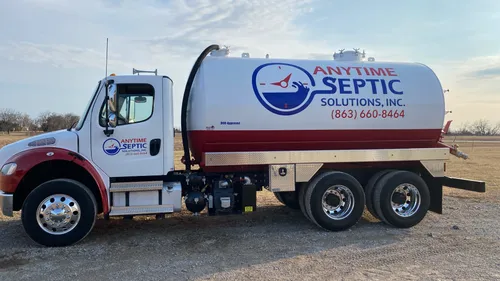
Anytime Septic Solutions is a licensed septic contractor based in Lakeland, Florida, serving Tampa, FL, and surrounding areas including Polk County. The company offers a range of services such as septic tank pumping, system inspections, repairs, new installations, and drain field maintenance. They use modern vacuum trucks and professional-grade equipment to ensure thorough septic tank pumping and handle drain field repair and replacement to maintain system performance. With over 15 years of family-run experience and a nearly 100-year history in the septic and wastewater industry, Anytime Septic Solutions provides knowledgeable service tailored to local soil conditions and system requirements.
Why Septic Inspections Are Essential in Winter Haven
In a region defined by its lakes and high water table, a failing septic system poses a significant environmental and financial risk. Regular system evaluations are the most effective way to catch minor issues before they become major, costly failures. For residents, this proactive approach prevents sewage backups, unpleasant odors, and contamination of groundwater, which is a common source of drinking water in Florida1. Beyond personal property protection, state law now mandates stricter standards for these systems to safeguard public water quality, making an inspection a crucial step in ensuring compliance2.
The consequences of neglect can be severe. A malfunctioning drain field can lead to soggy yards and polluted surface water, while an overfull tank can cause sewage to back up into your home. An inspection provides a clear snapshot of your system's health, offering peace of mind and a documented record that is invaluable if you plan to sell your property, as most real estate transactions will require a recent, professional inspection before closing.
Understanding Florida and Polk County Regulations
Florida has implemented specific laws governing onsite sewage treatment and disposal systems (OSTDS), commonly known as septic systems. While annual inspections are not universally mandated by the state for every homeowner, significant regulations are in place. Florida Law (SB 550) established inspection requirements, and newer regulations are pushing for system upgrades, especially in areas deemed environmentally vulnerable 3.
A key deadline for many homeowners is 2030. By this date, Florida law requires numerous systems to be upgraded or replaced to meet updated standards designed to better protect water quality from nitrogen pollution. An inspection is the first step in determining if your current system is compliant or what upgrades may be necessary.
In Winter Haven and Polk County, the local regulatory body is the Florida Department of Health in Polk County, which operates under the broader oversight of the Florida Department of Environmental Protection (DEP)4. This county health department manages permits for all septic system work, including repairs, new installations, and inspections. Before any major system work, checking with them is essential to ensure all permits are in order4.
The Professional Inspection Process: A Step-by-Step Look
A comprehensive septic system assessment is a detailed procedure conducted by a licensed professional. Understanding what happens during an inspection can help you know what to expect and appreciate the value of the service. Here is a typical step-by-step process:
- Locating the System: The inspector will first locate all components of your system, including the septic tank and the drain field. This may involve consulting property records or using probing tools.
- Uncovering Access Ports: The concrete or fiberglass lids covering the tank's access ports (manholes) are carefully excavated and uncovered. This provides entry for visual inspection and testing.
- Checking Water Level: The inspector measures the liquid level inside the tank. A level that is too high can indicate a blockage in the outlet or a failing drain field, while a level that is too low may suggest a leak5.
- Inspecting Baffles and Tees: The inlet and outlet baffles (or tees) are checked for integrity. These components are crucial for preventing scum and sludge from exiting the tank and clogging the drain field.
- Evaluating Sludge and Scum Levels: Using specialized tools, the inspector measures the depth of the sludge layer at the bottom of the tank and the scum layer floating at the top. This determines if the tank needs to be pumped. If the combined depth of sludge and scum exceeds a certain percentage of the tank's liquid depth, pumping is recommended6.
- Drain Field Assessment: The inspector examines the drain field area for telltale signs of failure. This includes looking for overly lush grass, standing water, soggy soil, or foul odors-all indicators that effluent is not being properly absorbed into the soil7.
Find the perfect septic tank inspection companies for your needs
Get personalized recommendations and expert advice
Inspection Frequency and Associated Costs
How often should you schedule a septic system evaluation? Industry experts and health officials strongly recommend an inspection every 3 to 5 years for routine maintenance. However, certain events should trigger an immediate inspection, such as before purchasing a home, if you notice signs of system failure (like slow drains or soggy yard patches), or if the system has not been serviced in many years.
The cost of an inspection in Winter Haven typically reflects the complexity of the service. It's important to understand what is included in a quoted price:
- Inspection-Only Service: A standard visual and operational inspection generally costs between $300 and $600. This price can vary based on the inspector's qualifications, the size of your system, and the ease of access to the tank 8.
- Pumping/Cleaning Service: If the inspection reveals that pumping is needed, this is a separate service. Pumping a residential septic tank in this area typically costs between $250 and $500 or more, depending on the tank's size (measured in gallons) and how long it has been since the last pumping9 10.
- Combined Maintenance Visit: Many homeowners opt to have the inspection and pumping done during the same visit for convenience. A combined service like this typically ranges from $500 to over $1,000, providing comprehensive maintenance in one appointment11.
Choosing a Qualified Septic Inspector in Winter Haven
Selecting the right professional is crucial for a thorough and accurate assessment. Look for an inspector who is licensed by the state of Florida to perform septic system work. They should carry adequate insurance and have a solid reputation in the Polk County area. Don't hesitate to ask for references and a detailed explanation of what their inspection includes. A reputable professional will be happy to discuss their process, provide a clear written report with findings and recommendations, and explain any necessary next steps, whether it's routine pumping, minor repairs, or a discussion about potential system upgrades for 2030 compliance.
Maintaining Your System Between Inspections
Professional inspections are vital, but homeowner diligence between visits extends the life of your system. Be mindful of what goes down your drains. Avoid flushing anything other than human waste and toilet paper. Never pour grease, chemicals, or medications down the drain, as they can kill the beneficial bacteria in your tank and contaminate groundwater. Conserve water to avoid hydraulically overloading the system, and keep heavy vehicles and structures off your drain field to prevent soil compaction and pipe damage12. Keeping a simple record of all inspections, pumpings, and repairs will also be incredibly helpful for future maintenance and if you decide to sell your home.
Frequently asked questions
Sources
Footnotes
-
Onsite Sewage Program | Florida Department of Environmental ... - https://floridadep.gov/water/onsite-sewage ↩
-
Florida New Septic System Law: What Homeowners Need to Know - https://rooterone.com/florida-homeowners-new-septic-system-law/ ↩
-
Inspection rule targets Florida septic tank owners - https://www.jacksonville.com/story/news/2010/05/06/inspection-rule-targets-florida-septic-tank-owners/15946985007/ ↩
-
Florida Septic Tank Requirements | Onsite Sewage Treatment ... - https://www.ntotank.com/blog/florida-septic-tank-requirements ↩ ↩2
-
DIY Septic Tank Inspections - https://flohawks.com/diy-septic-tank-inspections-a-step-by-step-guide/ ↩
-
Septic Inspection Process: What Homeowners Should Know | LunsPro - https://www.lunspro.com/vlog/the-septic-system-inspection-process-what-homeowners-should-know ↩
-
Septic System Inspections: A Step-by-Step How-To Guide - https://westcoastsanitationinc.com/septic-inspection-service/ ↩
-
Stay Compliant: Avoid Fines with Septic System Regulations - https://smartsepticpros.com/blog/septic-system-regulations/ ↩
-
Stay Compliant with Septic Tank Requirements in Florida - https://mathisandsonsseptic.com/mathis-sons-septic-blog-orlando-fl/florida-septic-tank-regulations-and-incentives-what-homeowners-need-to-know/ ↩
-
Your Complete Guide to Septic System Inspections in Florida - https://southernsepticanddesign.com/septic-services-blog/your-complete-guide-to-septic-system-inspections-in-florida-what-contractors-and-property-owners-need-to-know/ ↩
-
septic system inspections central & south florida - https://www.guardianangelinspections.com/septic-system-inspection-south-florida ↩
-
Local Septic Regulations Florida Homeowners Should Know - https://www.yoursepticmasters.com/local-septic-regulations-florida-homeowners-should-know ↩