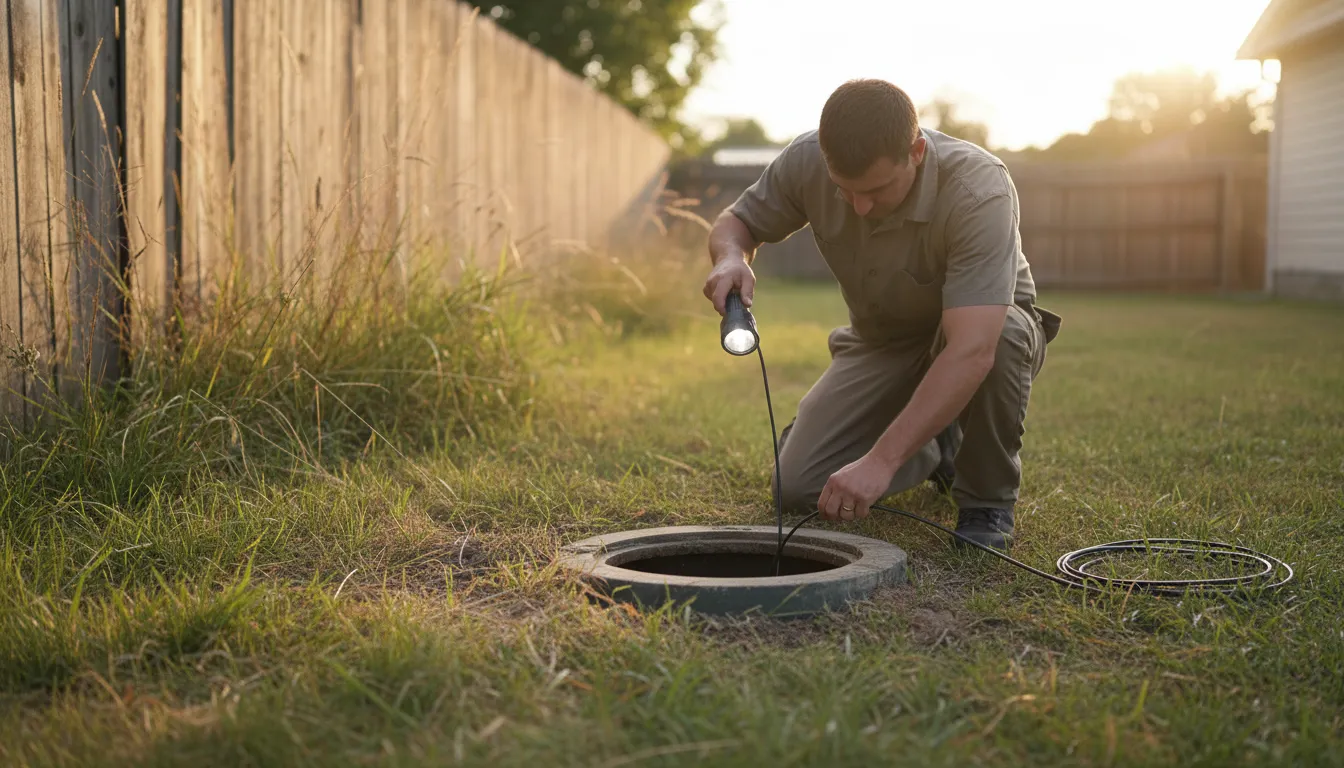
Find the Best Septic Tank Inspection Companies for Your Business
No obligation • Fast responses • Nationwide coverage

Why you can trust Septic Spot
Septic Spot is a leading United States resource for understanding and comparing septic services. Our editors review providers using consistent criteria and verify key business details. Listings and scores are independent, and companies cannot pay to influence our content.
Search providers near you
Top Septic Tank Inspection Companies in Des Moines, Iowa Ranked
A septic tank inspection is a professional assessment of your private sewage disposal system's condition and functionality. In Des Moines, this evaluation is not just a good idea for maintenance-it's a legal requirement during most property sales. Understanding the process and local regulations helps protect your investment, ensure public health, and avoid costly surprises. This guide details what to expect from a septic system evaluation in Des Moines, from the mandated steps to finding a qualified professional.
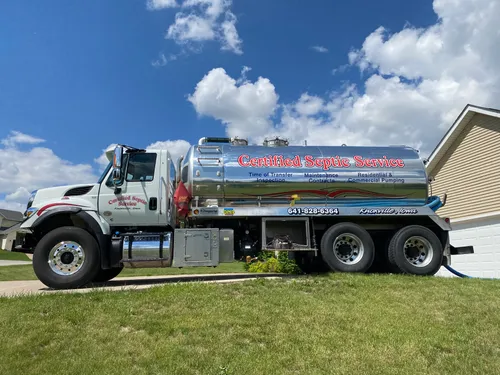
Certified Septic Service
2121 Rodeo Ave, Monroe, IA 50170
Certified Septic Service provides a wide range of septic services for residential and commercial clients in Des Moines, IA. Their offerings include septic tank pumping, septic tank inspections, time of transfer inspections, septic system repairs, and maintenance contracts. The company is certified by the Iowa DNR and has been serving Central Iowa since 2009. They cover multiple counties and cities in the region, including Polk, Jasper, and Monroe counties. While certified for septic installations since 2018, this service is currently not available. Certified Septic Service relocated to Monroe, IA in 2023 and continues to support the local community with their expertise.
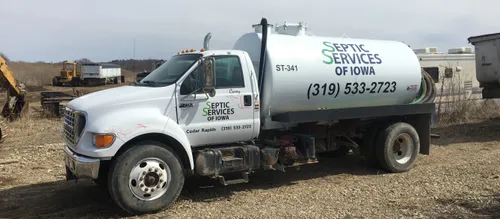
Septic Services Of Iowa
Cedar Rapids, IA
Septic Services Of Iowa is a septic tank pumping, inspection, repair, and installation company based in Cedar Rapids, IA. They provide services including septic system inspections required by Iowa's Time of Transfer program, excavation work such as septic tank replacement and water line repairs, and regular septic tank pumping to maintain system longevity. The company is certified by the Iowa Onsite Waste Water Association and the National Environmental Health Association, ensuring compliance with state standards. Their services help protect public health and the environment by addressing failing or illegal septic systems.
Why Septic Inspections Are Mandatory in Des Moines
Iowa state law, specifically 567 IAC Chapter 69, mandates a Time of Transfer inspection for any property with a private septic system that is being sold or ownership is being transferred. This regulation is enforced locally by the Polk County Environmental Health department. The goal is to ensure that wastewater systems are functioning properly to protect groundwater quality and public health before a property changes hands. A failed system can contaminate local water sources and create significant health hazards.
The inspection must be performed by an Iowa Department of Natural Resources (DNR) certified inspector. You cannot use a general contractor or a septic pumper who is not specifically certified for these official evaluations. The inspector will file a standardized report with the county health department, creating a legal record of the system's status at the time of sale. If the system fails, the local health authority will typically require it to be repaired or replaced within a specified timeframe before the sale can be finalized.
The Step-by-Step Inspection Process
A comprehensive septic system assessment in Des Moines follows a detailed protocol to evaluate every component.
1. Locating and Exposing the System The process begins with locating the septic tank and drain field. The inspector will need to uncover the tank's manhole covers to gain access. If the lids are buried, this will require excavation, which is typically the homeowner's responsibility to arrange.
2. Pumping and Cleaning the Tank For a thorough evaluation, the tank must be pumped out by a licensed septic pumper. This is not just a preparatory step; it's a required part of the official Time of Transfer inspection. Pumping allows the inspector to clearly see the interior walls, bottom, and structural components of the tank without obstruction from solids and scum.
3. Internal Tank Inspection Once empty, the inspector examines the tank's interior for cracks, leaks, or structural deterioration. They also check the inlet and outlet baffles (or tees) to ensure they are intact and properly positioned. These baffles are crucial for preventing solids from flowing out into the drain field, which is a common cause of system failure.
4. Drain Field Assessment The inspector then evaluates the drain field (or leach field). They look for visual signs of failure, such as effluent ponding on the surface, unusually lush or soggy grass over the field, or foul odors 1. This part of the assessment determines if the soil is effectively absorbing and filtering the treated wastewater.
5. Functional Load Testing In many cases, the inspector will perform a "load test." This involves running a substantial amount of water from the house into the system for an extended period to simulate normal household use and verify that the system can handle the daily flow without backing up or surfacing 2 3.
Find the perfect septic tank inspection companies for your needs
Get personalized recommendations and expert advice
Understanding Inspection Costs in Des Moines
The total cost for a mandated septic inspection in Des Moines typically includes two main service fees. It's important to budget for both, as they are usually separate charges from the inspection company.
- Inspection Fee: The fee for the DNR-certified inspector to perform the evaluation and file the official report generally ranges from $300 to $600. The final cost depends on the system's complexity, size, and location on the property.
- Pumping Fee: Since pumping is required, you must also pay for that service. This cost is usually an additional $250 to $500 or more, depending on the tank's size (e.g., 1,000-gallon vs. 1,500-gallon) and whether it is a dual-compartment or dual-tank system.
Therefore, homeowners or sellers in Des Moines should expect a total estimated cost between $550 and $1,100+ for the complete, legally-compliant inspection and pumping service 4 5.
What Happens If Your System Fails?
Receiving a failing report from the inspector is a serious matter that halts the property transfer process. The Polk County Environmental Health department will provide specific instructions for remediation 6. Common reasons for failure include a cracked tank, missing baffles, a clogged or saturated drain field, or improper system design for the home's current size.
Options to resolve a failure include:
- Repair: Minor issues like a damaged baffle or a small tank leak may be repairable.
- Drain Field Restoration: Some technologies can restore a clogged drain field without full replacement.
- System Replacement: A completely failed system often requires a new septic system or a connection to municipal sewer if available. This is the most costly outcome and requires new permits and installation by a licensed contractor.
The local health department will set a compliance deadline. It is crucial to work with qualified professionals to address the failure and obtain a passing re-inspection to complete your property transaction 7 8.
Maintaining Your System Between Inspections
While a formal evaluation is legally required for a sale, proactive maintenance is key to system longevity and avoiding emergency failures. For Des Moines homeowners, this includes:
- Regular Pumping: The Iowa DNR recommends pumping your septic tank every 3-5 years, depending on household size and usage.
- Water Conservation: Reducing excessive water flow helps prevent overloading the drain field.
- Proper Waste Disposal: Avoid flushing anything besides human waste and toilet paper. Never pour grease, chemicals, or non-biodegradable items down the drain.
- Protect the Drain Field: Do not drive or park vehicles over it, and avoid planting trees with deep roots nearby.
Keeping detailed records of all pumping, repairs, and maintenance is highly beneficial and will be valuable during any future property transfer inspection.
Key Local Resources and Authorities
For official information and regulations, always refer to these primary sources:
- Polk County Environmental Health: This is the primary local authority overseeing septic systems in Des Moines. They manage the Time of Transfer program, accept inspection reports, and issue permits for repairs or new installations.
- Iowa DNR Time of Transfer Program: The state DNR provides the official rules, maintains the list of certified inspectors, and offers guidance on private sewage disposal 9.
It is always advisable to confirm current requirements directly with the Polk County Environmental Health department, as regulations and procedures can be updated 10.
Frequently asked questions
Sources
Footnotes
-
Time of Transfer Septic Inspections - Behle Inc - https://www.behleinc.com/services/time-of-transfer-septic-inspections-in-iowa ↩
-
Time of Transfer Frequently Asked Questions - Public Health - https://cghealth.com/wp-content/uploads/2021/11/Time-of-Transfer-Frequently-Asked-Questions.pdf ↩
-
What Really Happens During a Septic Inspection? A Step-by-Step Look - https://www.a1septicorlando.com/what-really-happens-during-a-septic-inspection-a-step-by-step-look ↩
-
Preparing for Septic Tank Inspection: 7 Key Steps - https://septic911.com/preparing-for-septic-tank-inspection/ ↩
-
Septic Tank Cleaning | Department of Natural Resources - https://www.iowadnr.gov/environmental-protection/water-quality/private-sewage-disposal-and-septage/septic-tank-cleaning ↩
-
Septic Systems - Webster County - https://www.webstercountyia.gov/departments/environmental_health/septic_systems.php ↩
-
Wastewater and Disposal Systems Code - https://dmcountyboardofhealth.iowa.gov/files/county_ordinances/37_wastewater_systems_and_disposal_systems_978.pdf ↩
-
Private Wastewater Disposal System (Septic) Review & Permitting - https://www.dsm.city/Private_Wastewater_Disposal_System_%28Septic%29_Review_&_Permitting453.php ↩
-
Private Sewage Disposal and Septage - Iowa DNR - https://www.iowadnr.gov/environmental-protection/water-quality/private-sewage-disposal-and-septage ↩
-
Environmental Health Services - Polk County Iowa - https://www.polkcountyiowa.gov/public-works/planning-development/environmental-health-services/ ↩