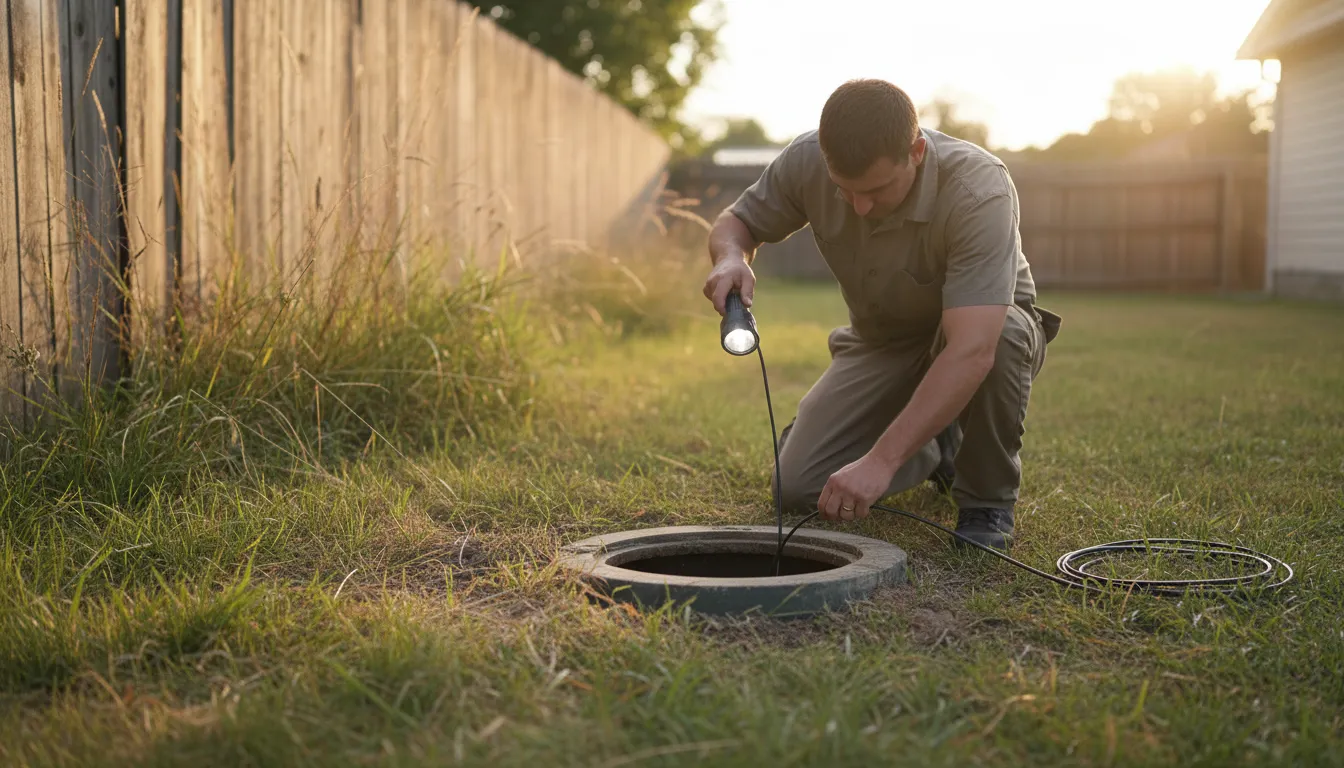
Find the Best Septic Tank Inspection Companies for Your Business
No obligation • Fast responses • Nationwide coverage

Why you can trust Septic Spot
Septic Spot is a leading United States resource for understanding and comparing septic services. Our editors review providers using consistent criteria and verify key business details. Listings and scores are independent, and companies cannot pay to influence our content.
Search providers near you
Top Septic Tank Inspection Companies in Edmond, Oklahoma Ranked
For homeowners in Edmond, a septic tank inspection is a critical part of responsible property ownership. This essential service assesses the health and functionality of your on-site wastewater system, ensuring it safely treats household sewage and protects your family, your property value, and the local environment. Regular evaluations help identify minor issues before they become costly failures. This guide explains the process, regulations, and benefits of professional septic system assessments, helping you connect with qualified local experts to maintain your system effectively.

Kingdom Inspections
225 SW 140th St, Oklahoma City, OK 73170
Kingdom Inspections offers comprehensive septic tank inspections and other property assessment services in Oklahoma City, OK. Their team of certified inspectors evaluates key home systems including septic, sewer, HVAC, and well inspections, helping clients understand the condition of their properties. The company has over 10 years of experience and serves Oklahoma City and surrounding areas such as Edmond, Piedmont, Moore, and Norman.
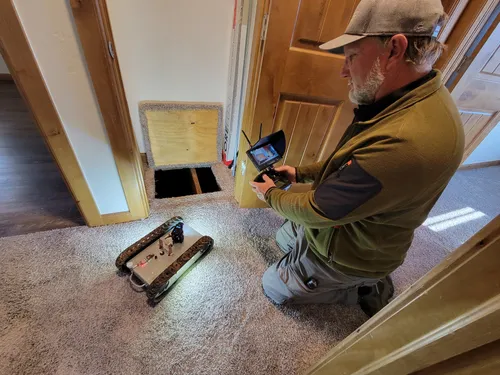
Assurance Inspection Services
1800 Canyon Park Cir STE 401, Edmond, OK 73013
Assurance Inspection Services is a septic tank inspection company based in Oklahoma City, OK. They provide comprehensive inspection solutions including home, commercial, mold and air quality, water well, and septic inspections. With over 10 years of experience and more than 7,000 inspections completed across the OKC metro, they offer expertise in identifying issues related to property safety and environmental hazards. Their services include detailed assessments of septic systems to ensure proper waste management and environmental protection.
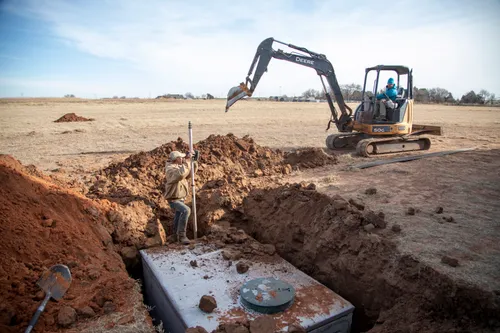
Cyclone Septic & Plumbing
11600 OK-33, Guthrie, OK 73044
Cyclone Septic & Plumbing is a family-owned business serving Oklahoma City, OK, and nearby areas including Guthrie, Edmond, and Piedmont. Since 2016, they have provided septic tank pumping, installation, inspection, and aerobic maintenance services. The company also offers drain cleaning, water heater installation and repair, and expert installation of storm shelters designed for safety during severe weather. Cyclone Septic & Plumbing participates actively in the Oklahoma Onsite Wastewater Association, supporting industry standards and regulations.
Milty's Boys Septic | OKC Septic Pumping
10624 S McKinley Ave, Oklahoma City, OK 73170
Milty's Boys Septic | OKC Septic Pumping provides septic tank pumping, inspection, and repair services in Oklahoma City, OK. They specialize in maintaining both septic and aerobic treatment systems to ensure compliance with local environmental standards. With a combined 30 years of industry experience, the team offers thorough inspections and routine maintenance advice to help prevent costly repairs and extend system life. Milty's Boys Septic emphasizes integrity and careful workmanship in all their services.

MBS Milty's Boys Septic Inc
3909 SE 29th St, Del City, OK 73115
MBS Milty's Boys Septic Inc provides septic tank pumping, inspection, and repair services in Oklahoma City, OK. The company emphasizes proper maintenance and compliance with local environmental regulations to ensure septic and aerobic treatment systems operate effectively. With a combined 30 years of industry experience, they handle a range of septic system needs, including routine pumping and thorough inspections to help prevent costly repairs.
Why Septic Inspections Are Mandatory in Edmond
In Edmond, Oklahoma, maintaining a functional septic system isn't just a recommendation-it's a legal requirement. The Oklahoma Department of Environmental Quality (DEQ) is the primary regulatory authority, and its rules are designed to prevent public health hazards and environmental contamination. Homeowners are solely responsible for ensuring sewage is properly treated and does not discharge to surface waters or leak onto the property 1.
A key local mandate is that septic systems must be inspected at least every three years to maintain property value and prevent legal liability. This regular check-up is crucial because a failing system can lead to sewage backing up into your home or surfacing in your yard, creating serious health risks and potential fines. Proactive inspections are your best defense against these outcomes, providing peace of mind and ensuring compliance with state law.
Understanding Oklahoma's Septic System Regulations
Oklahoma's septic rules are established at the state level under Title 27A of the Oklahoma Statutes, administered by the DEQ, rather than by individual county health departments 2 3. This statewide framework ensures consistency, but it places the onus of understanding and compliance directly on the homeowner.
Several critical regulations directly impact the inspection process:
- Permit Requirements: Any new septic system installation or major modification (due to a malfunction or home renovation) requires a permit from the DEQ before work begins 4.
- Professional Licensing: Anyone engaged in pumping, hauling, or disposing of domestic wastewater from a septic system must be licensed by the DEQ 5. This ensures that the professionals you hire for inspection and pumping are qualified.
- Special Rules for Aerobic Systems: If your home uses an Aerobic Treatment Unit (ATU), the rules are more stringent. These systems require more intensive oversight, including checking chlorine residual monthly and monitoring sludge build-up every six months. Furthermore, new ATU installations must include a two-year service and maintenance agreement from the installer, covering at least four inspection visits.
What a Professional Septic Inspection Involves
A thorough septic system evaluation in Edmond is a detailed process that typically takes 1 to 2 hours. It goes far beyond a simple look at your yard. Here's what you can expect a certified professional to do during a comprehensive assessment:
1. Locating and Accessing System Components The inspector will first locate the septic tank and drain field. For newer systems, access lids should be visible about two inches above ground level. If lids are buried, they will need to be excavated.
2. Initial Visual Assessment Before opening the tank, the inspector performs a "baseline" check of the property. They look for warning signs like soggy or sunken soil over the drain field, unusually lush green grass (indicating a nutrient leak), or any sewage odors around the tank or yard.
3. Tank Interior Examination After ensuring the area is safe from hazardous fumes, the inspector opens the tank lids. The interior inspection checks for structural integrity, looking for cracks, leaks, or root intrusion that could compromise the tank.
4. Baffle and Component Verification A key step is checking the inlet and outlet baffles (or tees). These components are crucial for preventing scum and solids from flowing into the drain field. The inspector ensures they are intact and not clogged with waste 6.
5. Sludge and Scum Measurement Using specialized tools, the inspector measures the depth of the scum layer (floating solids) and the sludge layer (settled solids) at the bottom of the tank. This is a critical measurement. As a general rule, a tank should be pumped if the sludge layer occupies one-third of the liquid depth 7 8.
6. Functional Testing (Dye or Water Load Test) To observe system performance, the inspector may introduce a non-staining dye or run a significant amount of water (like a bathtub for 30 minutes) into the system. They then monitor the drain field for any surfacing water or dye, which would indicate a hydraulic failure 9.
7. Final Report and Recommendations A professional inspection concludes with a written report detailing the condition of all components, the sludge/scum levels, and any recommended repairs or maintenance, such as immediate pumping. This document is vital for your records, for real estate transactions, and for demonstrating compliance.
Find the perfect septic tank inspection companies for your needs
Get personalized recommendations and expert advice
Inspection Frequency and Associated Costs
Adhering to a regular maintenance schedule is the most cost-effective way to manage your septic system. The frequency of professional inspections and pumping depends on your tank size, household size, and overall usage.
- Inspection Frequency: Professional septic system inspections are recommended every 1 to 3 years 10. Edmond's specific guidance aligns with the three-year mark to stay compliant and catch issues early.
- Pumping Frequency: Pumping is typically needed every 3 to 5 years. For example, a 1,000-gallon tank serving a family of four may need pumping every 2.5 years, while a 2,000-gallon tank under similar conditions might last up to 5 years 11 12.
- Pre-Installation Testing: If you're installing a new system, Oklahoma requires a soil profile or percolation test to determine the appropriate drain field design. This test typically costs between $350 and $550.
- Permit Fees: The DEQ permit required for a new septic system installation in Oklahoma is approximately $500 13.
The Homeowner's Role Between Professional Inspections
While professional evaluations are essential, homeowners play a key role in daily system health. You can perform simple monthly checks to spot early warning signs 14:
- Monitor the area around the tank and drain field for wet spots, odors, or surfacing sewage.
- Listen for constantly running pumps in aerobic systems.
- Be mindful of what goes down the drain-avoid flushing chemicals, grease, wipes, or excessive food waste.
- Conserve water to avoid hydraulically overloading the system.
For homes with ATUs, monthly maintenance is more involved and includes checking the chlorine residual and ensuring the aerator is running properly, as mandated by DEQ rules 15 16.
Consequences of Neglecting Your Septic System
Failing to inspect and maintain your septic system can lead to severe and expensive problems:
- System Failure: The most direct result is a backup of sewage into your home or effluent surfacing in your yard.
- Environmental Contamination: A failing system can pollute groundwater, nearby wells, and surface water with harmful bacteria and nitrates.
- Property Value Loss: A malfunctioning or non-compliant septic system can drastically reduce your property's marketability and value.
- Legal and Financial Liability: You could be held financially responsible for cleanup and face fines from the DEQ for contaminating the environment 17 18.
- Costly Emergency Repairs: A total system replacement can cost tens of thousands of dollars, far exceeding the modest, planned expense of regular inspections and pumping.
Frequently asked questions
Sources
Footnotes
-
252:641-10-3. Responsibility for maintenance - Edmond, OK - https://www.edmondok.gov/DocumentCenter/View/4407 ↩
-
Rules & Regulations - DEQ - Oklahoma.gov - https://oklahoma.gov/deq/rules-and-regulations.html ↩
-
Farm &RanchASyst - OSU Extension Print On Demand - https://pods.okstate.edu/fact-sheets/fasfs6.pdf ↩
-
FAQs - Oklahoma.gov - https://oklahoma.gov/deq/about/faqs.html ↩
-
Basic Septic System Rules for Oklahoma - https://extension.okstate.edu/fact-sheets/print-publications/pss/basic-septic-system-rules-for-oklahoma-pss-2918.pdf ↩
-
Inspection of Septic Systems | Oklahoma State University - https://extension.okstate.edu/fact-sheets/inspection-of-septic-systems.html ↩
-
Inspection of Septic Systems | Oklahoma State University - https://extension.okstate.edu/fact-sheets/inspection-of-septic-systems.html ↩
-
Septic System Inspection and Maintenance - https://www.youtube.com/watch?v=uzksFrBBlzM&t=36 ↩
-
Preparing for Septic Tank Inspection: 7 Key Steps - https://septic911.com/preparing-for-septic-tank-inspection/ ↩
-
Septic Maintenance | Edmond, OK - Official Website - https://www.edmondok.gov/1515/Septic-Maintenance ↩
-
How Often Should You Pump Your Septic Tank: 3 Factors Solved - https://www.frasiers.com/blog/sewage-tank-pump-frequency/ ↩
-
Frequent Questions on Septic Systems | US EPA - https://www.epa.gov/septic/frequent-questions-septic-systems ↩
-
How Much Does a Septic System Cost in Oklahoma? - https://www.cycloneseptics.com/how-much-does-a-septic-system-cost-in-oklahoma/ ↩
-
How to Inspect Your Septic System: A Homeowner's Monthly Checklist - https://cwsseptic.com/how-to-inspect-your-septic-system-a-homeowners-monthly-checklist/ ↩
-
Aerobic Treatment Maintenance | Edmond, OK - Official Website - https://www.edmondok.gov/1514/Aerobic-Treatment-Maintenance ↩
-
Aerobic Treatment Maintenance | Edmond, OK - Official Website - https://www.edmondok.gov/1514/Aerobic-Treatment-Maintenance ↩
-
Basic Septic System Rules for Oklahoma - https://extension.okstate.edu/fact-sheets/basic-septic-system-rules-for-oklahoma.html ↩
-
Septic Maintenance | Edmond, OK - Official Website - https://www.edmondok.gov/1515/Septic-Maintenance ↩