Find the Best Septic Tank Inspection Companies for Your Business
No obligation • Fast responses • Nationwide coverage

Why you can trust Septic Spot
Septic Spot is a leading United States resource for understanding and comparing septic services. Our editors review providers using consistent criteria and verify key business details. Listings and scores are independent, and companies cannot pay to influence our content.
Search providers near you
Top Septic Tank Inspection Companies in Midwest City, Oklahoma Ranked
A septic tank inspection is a professional assessment of your onsite wastewater system's condition and functionality. This evaluation is crucial for protecting your property investment, ensuring public health, and safeguarding the local environment. For homeowners in Midwest City, understanding when and how to get a system evaluation can help you maintain compliance with state regulations, avoid costly failures, and make informed decisions during real estate transactions. This guide provides a detailed look at the process, regulations, and local considerations for septic system inspections.

Kingdom Inspections
225 SW 140th St, Oklahoma City, OK 73170
Kingdom Inspections offers comprehensive septic tank inspections and other property assessment services in Oklahoma City, OK. Their team of certified inspectors evaluates key home systems including septic, sewer, HVAC, and well inspections, helping clients understand the condition of their properties. The company has over 10 years of experience and serves Oklahoma City and surrounding areas such as Edmond, Piedmont, Moore, and Norman.
Assurance Inspection Services
1800 Canyon Park Cir STE 401, Edmond, OK 73013
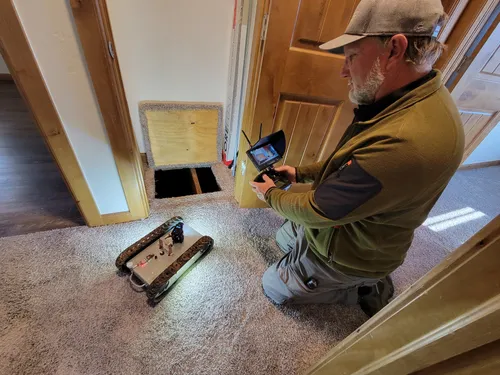
Assurance Inspection Services is a septic tank inspection company based in Oklahoma City, OK. They provide comprehensive inspection solutions including home, commercial, mold and air quality, water well, and septic inspections. With over 10 years of experience and more than 7,000 inspections completed across the OKC metro, they offer expertise in identifying issues related to property safety and environmental hazards. Their services include detailed assessments of septic systems to ensure proper waste management and environmental protection.
Milty's Boys Septic | OKC Septic Pumping
10624 S McKinley Ave, Oklahoma City, OK 73170
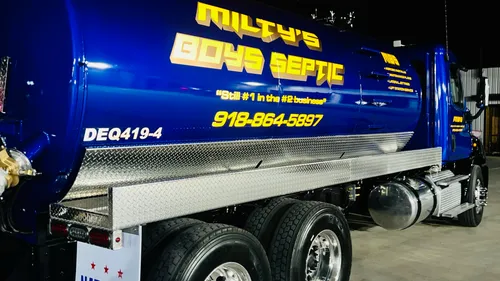
Milty's Boys Septic | OKC Septic Pumping provides septic tank pumping, inspection, and repair services in Oklahoma City, OK. They specialize in maintaining both septic and aerobic treatment systems to ensure compliance with local environmental standards. With a combined 30 years of industry experience, the team offers thorough inspections and routine maintenance advice to help prevent costly repairs and extend system life. Milty's Boys Septic emphasizes integrity and careful workmanship in all their services.
Firestorm Septics & Shelters
6114 US-177, Shawnee, OK 74804
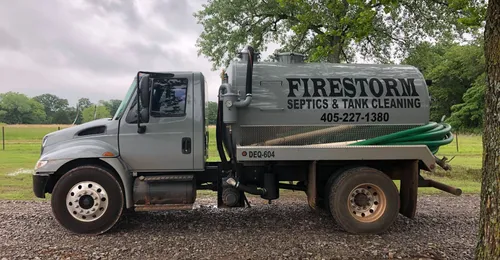
Firestorm Septics & Shelters is a septic system and storm shelter company based in Oklahoma City, OK. They provide septic tank pumping, inspection, repair, installation, and drain field services, along with storm shelter installation. The company is known for handling septic system issues such as lateral line installation and aerobic system repairs. As a locally owned and veteran-owned business, Firestorm Septics & Shelters has built a reputation for thorough work and clear communication. They also offer after-hours service and quick response times, including weekend work when needed.

MBS Milty's Boys Septic Inc
3909 SE 29th St, Del City, OK 73115
MBS Milty's Boys Septic Inc provides septic tank pumping, inspection, and repair services in Oklahoma City, OK. The company emphasizes proper maintenance and compliance with local environmental regulations to ensure septic and aerobic treatment systems operate effectively. With a combined 30 years of industry experience, they handle a range of septic system needs, including routine pumping and thorough inspections to help prevent costly repairs.
Understanding Septic System Regulations in Oklahoma
In Midwest City, all septic system activities are governed by the Oklahoma Department of Environmental Quality (DEQ). The state's rules are designed to ensure that wastewater is treated properly to prevent contamination of groundwater and surface water, which is vital for community health and environmental protection 1.
A key point for homeowners is understanding responsibility. While the DEQ sets the standards, the ongoing maintenance and proper operation of a septic system are the legal responsibility of the property owner. This means regular checks and timely pumping are on you. However, formal inspections are primarily mandatory in specific scenarios: for new system installations, during major repairs, or when required by a property transfer or sale. Even when not legally required, a routine professional assessment every 1-3 years is strongly recommended to catch small issues before they become major problems.
When is a Septic Inspection Required or Recommended?
Knowing when to schedule a system evaluation can save you from emergencies and regulatory headaches.
Mandatory Inspections:
- New Installations & Major Modifications: Any new septic system installation or significant alteration requires an inspection as part of the permitting process. Before work can begin, an Authorization to Construct (ATC) permit must be obtained from the DEQ.
- Property Transfers: Many real estate transactions in Midwest City will require a septic inspection as a condition of sale. This protects the buyer and satisfies lender requirements.
- System Failure: If a system is reported or discovered to be failing (e.g., surfacing sewage, backups), the DEQ will require an inspection to determine the cause and necessary repairs.
Highly Recommended Inspections:
- Routine Maintenance: Experts recommend a professional inspection every 1 to 3 years, coupled with pumping every 3 to 5 years, depending on household size and usage 2.
- Pre-Purchase: Even if not required, getting a septic system assessment before buying a home is a wise investment.
- Notice of Issues: If you notice slow drains, foul odors outdoors, soggy ground over the drainfield, or unusually lush grass in that area, schedule an inspection immediately.
The Septic Inspection Process: What to Expect
A comprehensive septic system evaluation involves several key steps. Here's what a certified professional will typically do during a standard inspection in Midwest City.
1. System Location and Records Review The inspector will start by reviewing any available property records and locating the system components. The septic tank is often buried 10 to 25 feet from the home. If the tank lids (which must be installed at least 2 inches above ground level according to code) are not easily accessible, some digging may be required 3.
2. Initial Site Evaluation Before opening the tank, the inspector evaluates the surface conditions. They check the drainfield and the area around the tank for warning signs like damp soil, standing water, or effluent surfacing. Unusually vibrant and green grass over the drainfield can also indicate a problem 4 5.
3. Tank Access and Interior Inspection The inspector will open the manhole or access risers to examine the tank's interior. This includes checking the structural integrity of the tank, the inlet and outlet baffles (critical walls that control flow), and the condition of the tees. Damaged baffles can allow solids to escape into the drainfield, causing premature failure.
4. Sludge and Scum Level Measurement This is a core part of the inspection. The inspector measures the depth of the sludge layer at the bottom of the tank and the scum layer floating on top. A general rule is that if the sludge fills one-third or more of the tank's liquid depth, the tank needs to be pumped 6 7. This measurement directly informs the pumping schedule.
5. Component Testing (For Aerobic Systems) Many homes in Oklahoma utilize aerobic treatment systems (ATS), which require more frequent checks. For these systems, the inspector will test the aerator pump, alarm systems, and spray heads to ensure they are operating correctly 8. Note that for new aerobic systems, the installer is required by the DEQ to inspect and maintain the system for the first two years after installation 8.
6. Drainfield Assessment While the drainfield itself is buried, its performance is assessed indirectly through the surface evaluation, tank effluent quality, and sometimes with a probe to check for saturation.
Find the perfect septic tank inspection companies for your needs
Get personalized recommendations and expert advice
Costs Associated with Septic Inspections and Services in Midwest City
Understanding the potential costs helps in budgeting for maintenance or a real estate transaction.
- Standard Professional Inspection: A typical septic system inspection in the Oklahoma City metro area, including Midwest City, generally costs between $200 and $5009. The final price depends on factors like system type (conventional vs. aerobic), tank accessibility (whether digging is required), and the inspector's certifications.
- Septic Tank Pumping: If the inspection reveals the tank is full, pumping is needed. Pumping a standard 1,000 to 1,500-gallon tank in this region typically costs between $250 and $500.
- Permit Fees: For new installations or major repairs, the DEQ's Authorization to Construct (ATC) permit generally carries a fee of approximately $50010.
- Professional Licensing: Certified septic pumpers in Oklahoma pay a $150 annual license fee and a $50 fee per service vehicle to the state 11. This ensures they are registered and authorized to perform work.
Choosing a Certified Septic Inspector in Midwest City
Not all plumbers or contractors are qualified to perform official septic inspections. In Oklahoma, inspections must be conducted either by DEQ personnel or by a DEQ-certified installer12 13. In fact, if a certified installer performs work on a system, they are permitted to self-inspect that work 12.
When searching for a provider, always verify their DEQ certification. A certified professional will have a thorough understanding of Oklahoma's specific regulations (OAC Title 252, Chapter 641) and can ensure the inspection meets all necessary standards for real estate or permitting purposes 14. Look for companies with strong local reputations, proper insurance, and clear communication about what their inspection includes.
Maintaining Your System Between Inspections
Professional inspections are essential, but day-to-day care extends the life of your system.
- Mind What You Flush: Only human waste and toilet paper should go down the drain. Avoid flushing non-biodegradable items (wipes, feminine products), chemicals, grease, oils, and paint thinners, as they can kill the beneficial bacteria in your tank or clog the system.
- Protect the Drainfield: Never drive vehicles, park, or place heavy objects like sheds or pools over the septic tank or drainfield. The pressure can compact the soil or damage buried pipes 15.
- Conserve Water: Excessive water flow from leaky fixtures or overuse can flood the septic tank, pushing solids into the drainfield before they have time to settle and break down.
- Respond to Failures Promptly: A malfunctioning system is a public health hazard. If you suspect a failure, you must take prompt action to repair it, prevent further violations, and remediate the site. Significant failures must be reported to the DEQ 16 17.
A well-maintained septic system is an asset to your property. By scheduling regular inspections with a certified professional, adhering to good practices, and understanding local regulations, you can ensure your system functions effectively for years to come, protecting your home, your community, and Oklahoma's environment.
Frequently asked questions
Sources
Footnotes
-
Sewage Treatment - Oklahoma.gov - https://oklahoma.gov/deq/divisions/ecls/on-site-sewage-programs/sewage-treatment.html ↩
-
Frequent Questions on Septic Systems | US EPA - https://www.epa.gov/septic/frequent-questions-septic-systems ↩
-
Inspection of Septic Systems | Oklahoma State University - https://extension.okstate.edu/fact-sheets/inspection-of-septic-systems.html ↩
-
Inspection of Septic Systems - Oklahoma State University Extension - https://extension.okstate.edu/fact-sheets/inspection-of-septic-systems.html ↩
-
Inspection of Septic Systems | Oklahoma State University - https://extension.okstate.edu/fact-sheets/inspection-of-septic-systems.html ↩
-
Inspection of Septic Systems | Oklahoma State University - https://extension.okstate.edu/fact-sheets/inspection-of-septic-systems.html ↩
-
Inspection of Septic Systems - Oklahoma State University - https://pods.okstate.edu/fact-sheets/PSS-2924.pdf ↩
-
Aerobic Treatment System - Oklahoma State University Extension - https://extension.okstate.edu/fact-sheets/aerobic-treatment-system.html ↩ ↩2
-
2025 Septic Inspection Cost | Get Estimates - https://www.thumbtack.com/p/septic-inspection-cost ↩
-
Central Montana Health District - https://www.centralmontanahealthdistrict.org/images/health/Outline%20of%20Septic%20System%20Permit%20Process%202016.pdf ↩
-
Oklahoma Septic License & Certification - ServiceTitan - https://www.servicetitan.com/licensing/septic/oklahoma ↩
-
Basic Septic System Rules for Oklahoma - https://extension.okstate.edu/fact-sheets/print-publications/pss/basic-septic-system-rules-for-oklahoma-pss-2918.pdf ↩ ↩2
-
Basic Septic System Rules for Oklahoma - https://extension.okstate.edu/fact-sheets/basic-septic-system-rules-for-oklahoma.html ↩
-
chapter 641. individual and small public on-site sewage treatment ... - https://oklahoma.gov/content/dam/ok/en/deq/documents/deqmainresources/641.pdf ↩
-
Basic Septic System Rules for Oklahoma - https://extension.okstate.edu/fact-sheets/print-publications/pss/basic-septic-system-rules-for-oklahoma-pss-2918.pdf ↩
-
Keep Your Septic System in Working Order - https://extension.okstate.edu/fact-sheets/print-publications/pss/keep-your-septic-system-in-working-order-pss-2914.pdf ↩
-
Statewide Septic Program info - Oklahoma Conservation Commission - https://conservation.ok.gov/wp-content/uploads/2025/02/Statewide-Septic-Program-info-2.pdf ↩