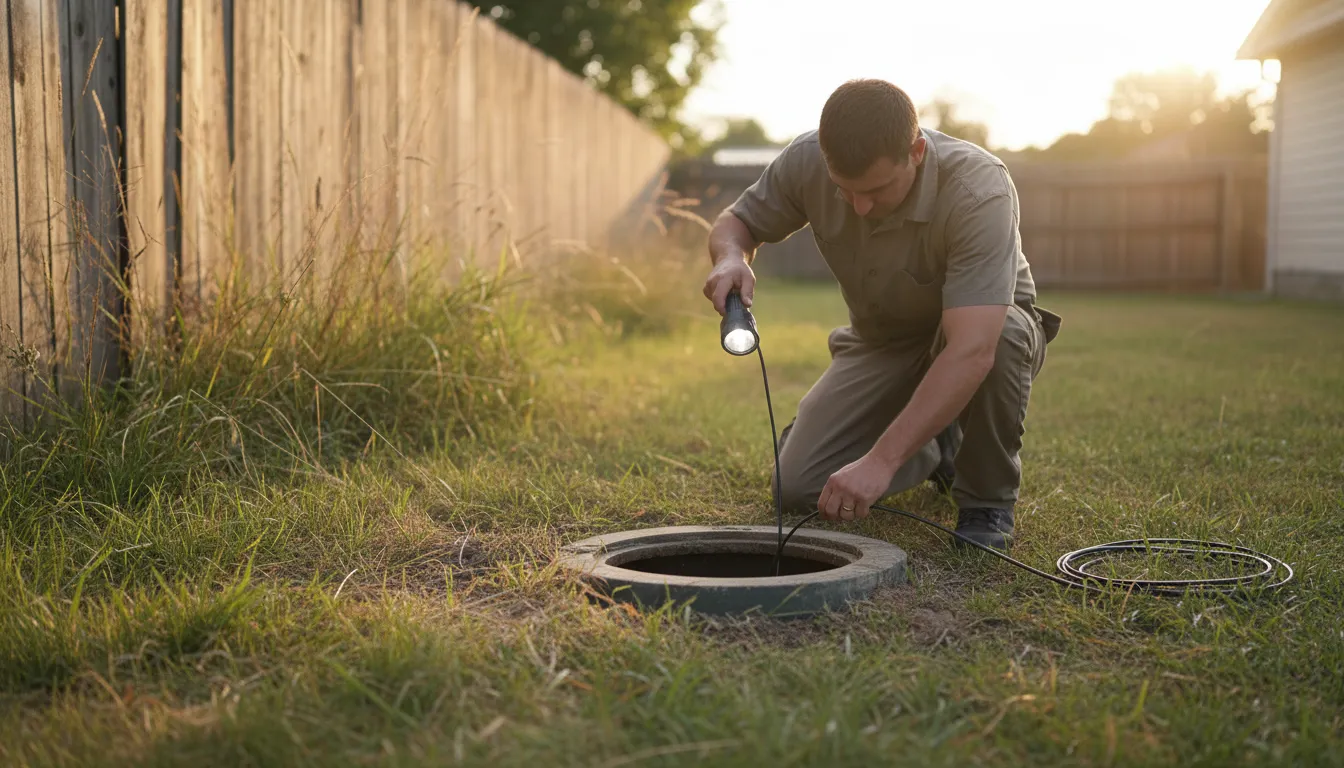
Find the Best Septic Tank Inspection Companies for Your Business
No obligation • Fast responses • Nationwide coverage

Why you can trust Septic Spot
Septic Spot is a leading United States resource for understanding and comparing septic services. Our editors review providers using consistent criteria and verify key business details. Listings and scores are independent, and companies cannot pay to influence our content.
Search providers near you
Top Septic Tank Inspection Companies in Reading, Pennsylvania Ranked
A septic tank inspection is a critical evaluation of your home's private wastewater treatment system, ensuring it is functioning safely and in compliance with local health and environmental regulations. In Reading and across Berks County, these assessments are especially important due to local ordinances and the potential impact on property transactions. This guide explains what a septic system inspection entails, why it's necessary, and how you can find qualified, certified professionals in the Reading area to perform this essential service.
CDA Inspection Services
173 Green St, Emmaus, PA 18049
CDA Inspection Services is a certified home and commercial inspection company serving Allentown, PA, and surrounding areas including Northampton, Macungie, Bethlehem, and Easton. They offer a range of inspection services such as home inspections, commercial property evaluations, septic system inspections, sewer lateral scopes using high-definition cameras, pool inspections, well inspections with yield testing, mold and radon testing, termite inspections, water testing, lead paint testing, and walk-through consultations. Their septic inspections include visual and minimally invasive assessments of septic tanks and absorption systems to help ensure system functionality and safety.
Allied Inspection Services Inc.
142 W Main St Suite 4, Macungie, PA 18062
Allied Inspection Services Inc. is a septic tank inspection company based in Allentown, PA. They offer a range of inspection services including septic inspections, home inspections, radon testing, water testing, mold testing, and commercial inspections. The company serves multiple counties including Berks, Bucks, Lehigh, Northampton, Schuylkill, Carbon, Montgomery, and Monroe. Allied Inspection Services Inc. provides certified inspections to help clients make informed purchasing decisions.
Why Septic System Inspections Are Crucial in Berks County
For homeowners in Reading and the surrounding townships who are not connected to a public sewer line, the septic system is an unseen but vital component of the property. A failing system can lead to costly repairs, environmental contamination, and serious health hazards. In Pennsylvania, the Department of Environmental Protection (DEP) regulates these on-lot systems, and local townships enforce specific rules 1. Many municipalities in Berks County require a certified inspection report during real estate transactions, making a septic evaluation a standard part of buying or selling a home 2. Beyond real estate, regular inspections are the best way to catch minor issues before they become major, expensive failures.
Understanding Local Regulations and Standards
Septic inspections in Reading, PA, are not a generic check-up; they must adhere to specific standards. Inspections typically follow guidelines set by the Pennsylvania Septage Management Association (PSMA), and must be performed by a certified professional to ensure compliance. Berks County requires adherence to PA DEP regulations, but it's crucial to understand that rules can vary by township. Always consult your local Sewage Enforcement Officer (SEO) for the precise requirements in your area. For property transfers, the inspection process is formalized and often requires submitting a detailed report to the township for approval.
Recommended Inspection Frequency
While a full evaluation is often mandated during a sale, proactive maintenance is key to system longevity. Experts recommend a routine septic system inspection every 1 to 3 years. This should be paired with pumping the tank every 3 to 5 years, or more frequently if the tank is more than one-third full of solids. Staying on this schedule can prevent the most common causes of system failure.
What Does a Comprehensive Septic Inspection Include?
A standard functional inspection in Central Pennsylvania is a thorough process that evaluates every component of your wastewater system. Here's what you can expect a certified inspector to do:
- Locate & Access All Components: The inspector will find and uncover the septic tank, any risers, the distribution box, and the drainfield (absorption area).
- Evaluate Sewage Levels: They will check the liquid level in the tank to see if it's above or below normal, which can indicate a blockage or drainfield failure.
- Inspect Tank Structure & Baffles: The integrity of the tank itself is checked for cracks or leaks. The inlet and outlet baffles (or tees) are examined to ensure they are intact, as these are critical for preventing solids from escaping into the drainfield 3.
- Perform a Hydraulic Load Test (HLT): This is a key part of many inspections. Water is introduced into the system to simulate use and verify that the drainfield properly absorbs the liquid without surfacing or backing up 4.
- Assess Mechanical Components: If your system includes pumps, alarms, or electrical controls, these will be tested for proper operation.
- Provide a Detailed Report: A professional inspector will supply a comprehensive report, often including a site sketch. This document details the condition of the system and any recommendations for repair or maintenance, and is frequently required for township submission 5.
Find the perfect septic tank inspection companies for your needs
Get personalized recommendations and expert advice
Recognizing Signs You Need an Inspection or Repair
Don't wait for a routine check or a property transfer if you notice warning signs. Scheduling an immediate septic system assessment can save you from a much larger problem. Contact a local professional if you observe:
- Sewage backups into household drains, toilets, or showers.
- Unpleasant odors around the tank or drainfield area.
- Unusually lush, green grass or soggy, wet spots over the drainfield, especially during dry weather.
- Slow-draining sinks, tubs, or toilets 6.
Cost Guide for Septic Services in the Reading Area
Understanding potential costs helps homeowners budget for necessary maintenance. Pricing can vary based on tank size, system complexity, and accessibility.
- Septic Tank Pumping: The essential maintenance of removing solids typically costs between $250 and $600 in the region 7.
- Standard Inspection: A basic visual and functional inspection generally falls in the low-to-mid hundreds of dollars.
- Comprehensive/Hydraulic Inspection: A full evaluation that includes a Hydraulic Load Test (HLT) can add several hundred dollars to the base inspection cost.
- Administrative Fees: Be aware that some townships or local councils may add their own fees for reviewing and filing inspection reports, such as a ~$55 inspection fee and a ~$25 administrative fee in certain districts 8.
Choosing a Certified Professional in Reading
Given the technical and regulatory complexity, selecting the right inspector is paramount. Always verify that the service provider is certified by the Pennsylvania Septage Management Association (PSMA) or is otherwise recognized as qualified by your local township SEO 9. An experienced local professional will be familiar with Berks County's soil conditions, common system types, and the specific paperwork required by your municipality. They should be willing to explain the process, provide a clear scope of work, and deliver a detailed, usable report upon completion.
Frequently asked questions
Sources
Footnotes
-
Septic Systems | Department of Environmental Protection | Commonwealth of Pennsylvania - https://www.pa.gov/agencies/dep/residents/my-water/septic-systems ↩
-
On-Lot Septic System Inspections During Real Estate Transactions - https://extension.psu.edu/on-lot-septic-system-inspections-during-real-estate-transactions ↩
-
Septic Inspections Reading, PA - https://www.baileyssepticservices.com/services/septic-inspections ↩
-
What's Required for a Central Pa Septic Inspection - https://www.johnklineseptic.com/what-s-required-for-a-central-pa-septic-inspection ↩
-
Inspection Reports - https://www.psma.net/wp-content/uploads/2024/02/202-02-06-Inspection-Reports-Good-Bad-Ugly-Ray-Erb.pdf ↩
-
The Ins and Outs of Septic Systems in Pennsylvania - https://www.eastvincent.org/vertical/sites/%7B5B8F1E55-6CA8-450E-BB40-12A8385B1313%7D/uploads/septicsystems%281%29.pdf ↩
-
Septic Maintenance Berks County: Expert Care & Cost Guide - https://thomasbechtoldteam.com/blog/septic-system-care-for-rural-homes-in-berks-county ↩
-
PUMP It Out! - https://www.crcog.net/vertical/sites/%7B6AD7E2DC-ECE4-41CD-B8E1-BAC6A6336348%7D/uploads/Sewer_Brochure%281%29.pdf ↩
-
Preliminary Septic Inspection Information - https://berksseptic.com/preliminary-inspection-form.php ↩