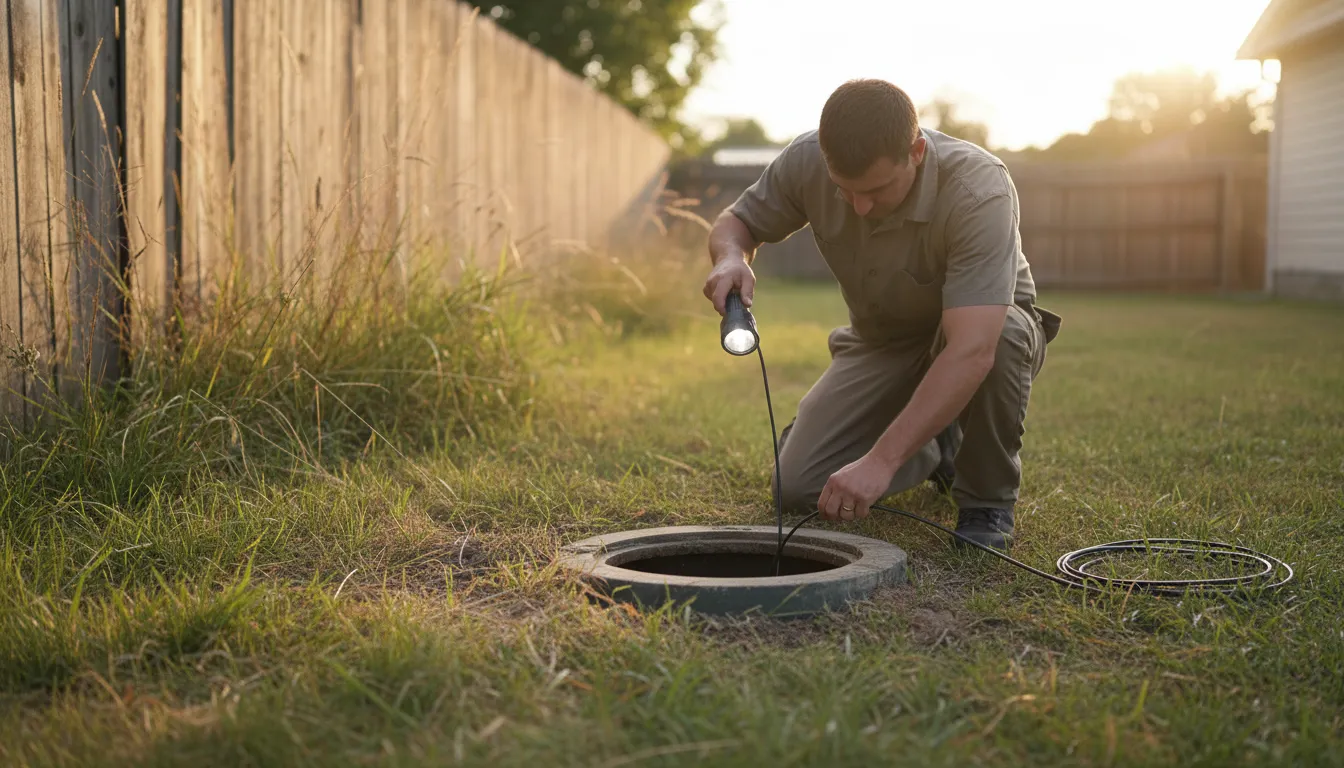
Find the Best Septic Tank Inspection Companies for Your Business
No obligation • Fast responses • Nationwide coverage

Why you can trust Septic Spot
Septic Spot is a leading United States resource for understanding and comparing septic services. Our editors review providers using consistent criteria and verify key business details. Listings and scores are independent, and companies cannot pay to influence our content.
Search providers near you
Best Septic Tank Inspection Companies in Tennessee Ranked
A septic system inspection is a professional assessment of your onsite wastewater treatment system's condition and functionality. In Tennessee, where many homes rely on these private systems, regular inspections are crucial for protecting your property value, ensuring public health, and complying with state guidelines. This resource helps you understand the inspection process, state regulations, and how to connect with qualified, licensed professionals in your area to maintain your system effectively.

Ultra Home Inspections
1025 John Williams Rd, Franklin, TN 37067
Ultra Home Inspections is a home inspection company based near Nashville, TN, offering comprehensive residential inspections and environmental testing. Their services include septic tank inspections, radon gas measurement, termite inspections, thermal imaging scans, indoor air quality testing, and sewer scope inspections. With over 20 years of experience and more than 55,000 inspections completed, they serve a wide area across Middle Tennessee including Franklin, Brentwood, Murfreesboro, and surrounding communities. Ultra Home Inspections emphasizes clear communication, thorough reporting, and a culture of client care.
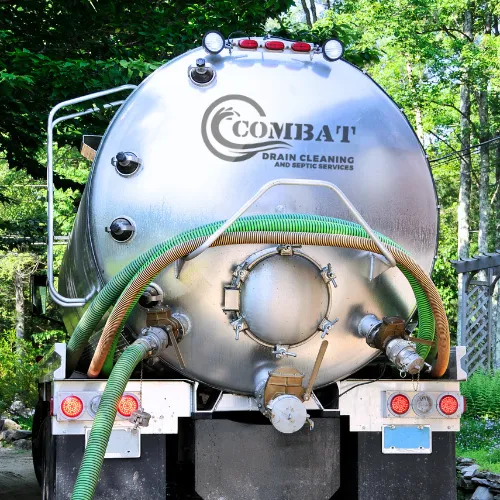
Combat Drain Cleaning and Septic Services
Clarksville, TN
Combat Drain Cleaning and Septic Services is a licensed septic system installer serving Clarksville, TN, and surrounding areas. They specialize in septic tank pumping, septic system inspection, drain cleaning, sump pump repair, leach field repair, and septic tank installation. With over 20 years of industry experience, they focus on maintaining and repairing residential septic and drainage systems. The company offers 24/7 availability, including after-hours service, to address urgent drain and septic issues promptly.
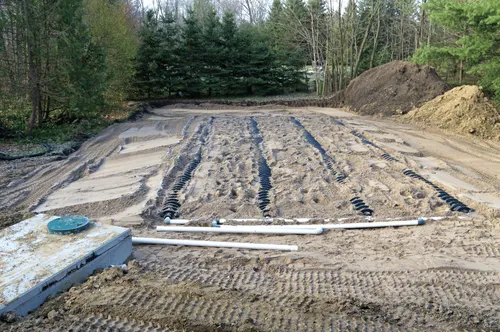
Poop Dudes
2715 Forest Rd, Chattanooga, TN 37406
Poop Dudes is a family-owned septic service company based in Chattanooga, TN, serving the greater Chattanooga area and north Georgia. With over 20 years of experience, they provide a full range of septic services including tank pumping, inspections, repairs, and installations. Their licensed technicians handle various septic systems such as standard, low pressure pipe, mound, and drip systems. Poop Dudes also offers 24-hour emergency septic services to address urgent needs promptly.
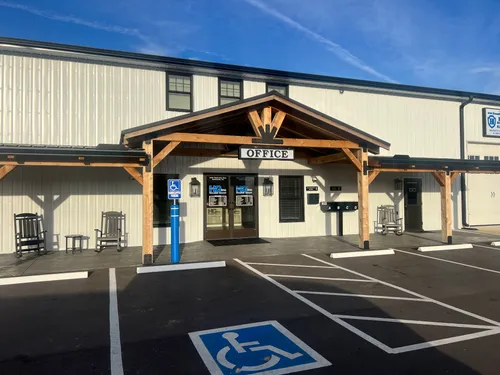
Holmes Services
2500 Nashville Hwy Suite A, Smithville, TN 37166
Holmes Services is an excavation and septic company serving Nashville, TN, and surrounding Middle Tennessee areas including Smithville, Lebanon, Cookeville, and Sparta. With 30 years of combined experience, they provide a wide range of services such as septic tank pumping, inspection, repair, and installation, alongside excavation work and material deliveries like gravel, topsoil, fill dirt, and sand. Holmes Services is licensed, insured, and bonded, offering after-hours service and a 24-hour emergency line to support their customers' needs.
Michael Shaver Plumbing, Septic, and Dirt Works
29 Industrial Park Dr, Hendersonville, TN 37075
Michael Shaver Plumbing, Septic, and Dirt Works provides septic tank pumping and inspection services in Nashville, TN. Serving Northern Middle Tennessee, the company also offers plumbing, irrigation, and land-clearing solutions. Established in 1981, they bring over 40 years of experience to their work. Their services include visual inspections and septic maintenance, with a focus on personalized customer care.
Why Regular Septic Inspections Matter in Tennessee
Septic systems are out of sight, but they should never be out of mind. A malfunctioning system can lead to sewage backups in your home, foul odors, and contamination of groundwater, streams, and lakes-a serious environmental and health hazard. In Tennessee, the Tennessee Department of Environment and Conservation (TDEC) regulates these Subsurface Sewage Disposal Systems (SSDS) to protect water quality 1. Regular inspections are your first line of defense, identifying minor issues like a clogged outlet baffle or early signs of drain field failure before they become costly, emergency repairs. For homeowners, a clean inspection report can also be a valuable asset during a real estate transaction.
Tennessee's Regulatory Framework: TDEC and Permits
All septic system work in Tennessee falls under the authority of TDEC. Before any new system is installed or an existing system is significantly altered, a Construction Permit is required. The state has worked to streamline this process, with approvals typically taking under 13 days 2. The first step is a soil evaluation by a licensed professional to determine the appropriate system type for your property.
For repairs, a specific Repair Permit is needed. For example, Madison County notes a standard repair permit fee of $100 3. More complex alternative systems may have higher permit costs, around $500, plus an additional $200 for the required construction inspection. Crucially, only state-licensed installers and pumpers are legally authorized to perform this work, ensuring they meet Tennessee's standards 4.
Recommended Inspection Frequency
How often should you get your septic tank inspected? General guidance for Tennessee homeowners suggests an inspection every three years. However, this is a baseline. Systems with additional mechanical components-such as pumps, electrical floats, or aerobic treatment units-require more frequent check-ups, potentially every year. These components are more prone to failure and need regular servicing to keep the entire system operating correctly. Adhering to this schedule helps prevent emergencies and extends the life of your drain field, the most expensive part of the system to replace.
What Does a Professional Inspection Include?
A comprehensive septic inspection goes beyond just checking if water drains. A licensed inspector will typically follow a detailed checklist. The process usually involves:
- Locating and Accessing the Tank: The inspector will find and uncover the tank's access lids.
- Checking for Leaks and Damage: They will inspect the tank's integrity, inlet and outlet pipes, and baffles for cracks or leaks.
- Measuring Sludge and Scum Layers: Using specialized tools, they measure the accumulation of solids (sludge) and floating materials (scum). This determines if the tank needs immediate pumping.
- Evaluating the Drain Field: The inspector will look for signs of failure, such as surfacing sewage, overly lush grass, or soggy areas over the field.
- Testing Components: For systems with pumps or alarms, these electrical and mechanical parts are tested for proper operation.
This thorough evaluation provides a clear snapshot of your system's health.
Inspection Costs and Pricing Factors
The cost of a septic inspection in Tennessee varies based on the system's complexity and location. A basic inspection for a conventional gravity-fed system typically ranges from $200 to $500 5. Factors that increase cost include:
- System Type: Alternative systems (mound, aerobic treatment, etc.) require more expertise to inspect.
- Tank Depth and Access: Hard-to-find or deeply buried tanks take more time.
- Component Testing: Systems with pumps incur additional service time.
- Camera Inspections: If a line inspection is needed, it will add to the cost.
Remember, the $200 state fee for an alternative system construction inspection is a separate permit cost, not a standard maintenance inspection charge 6.
Find the perfect septic tank inspection companies for your needs
Get personalized recommendations and expert advice
The Link Between Inspection and Pumping
Inspection and pumping are related but distinct services. An inspection tells you if you need to pump, while pumping is the maintenance action itself. The standard pumping frequency in Tennessee is every 3 to 5 years, but this is highly dependent on household size and usage. The inspection measurement of sludge and scum layers provides the definitive, personalized answer. Never pump a tank blindly on a schedule; always let inspection results guide you. Pumping when it's not needed is a waste of money, but waiting too long can cause solids to wash out and clog the drain field.
Preparing Your Property for an Inspection or Service
To ensure a smooth and efficient inspection or pumping visit, proper preparation is key. Tennessee officials recommend:
- Clear Access: Ensure the septic tank lids and the access port to the tank are clear of obstructions like vehicles, landscaping, or decking.
- Mark Key Areas: Clearly mark the location of the tank, property lines, and the proposed drain field area if known. This helps the professional work accurately and safely.
- Provide Documentation: Have any existing system records, permits, or as-built diagrams available for the inspector.
- Soil and Site Considerations: Be aware that properties with questionable soils may require a high-intensity soil map, which is a separate process from a routine inspection.
Choosing a Licensed Professional in Tennessee
This is the most critical step. Tennessee law requires that all septic system installers and pumpers be licensed by TDEC. Hiring a licensed professional ensures they have the required training, carry the necessary insurance, and will adhere to state codes. You can verify a contractor's license status through the TDEC website. Always get multiple quotes for inspection services, ask exactly what the inspection includes, and request a written report detailing the findings and any recommendations.
Frequently asked questions
Sources
Footnotes
-
SSDS FAQs - TN.gov - https://www.tn.gov/environment/permit-permits/water-permits1/septic-systems-permits/ssp/ssds-faqs.html ↩
-
Tennessee Is in a Building Boom and the State's Permitting Systems Must Keep Pace - https://www.esri.com/about/newsroom/blog/tennessee-updates-permitting-systems ↩
-
Jackson, TN 38305 - Madison County - https://www.madisoncountytn.gov/DocumentCenter/View/15255/Septic-System-Application ↩
-
Licensed Septic System Installers & Septic Tank Pumpers - TN.gov - https://www.tn.gov/environment/permit-permits/water-permits1/septic-systems-permits/ssp/wr-sds-active-installers-pumpers.html ↩
-
How Much Does It Cost to Pump Septic Tank: A Detailed Pricing Guide - https://www.benjaminfranklinplumbing.com/league-city/blog/2025/march/how-much-does-it-cost-to-pump-septic-tank-a-detailed-pricing-guide/ ↩
-
Homeowner's Guide to Septic Systems - Lebanon, TN - https://www.lebanontn.org/DocumentCenter/View/273/Detailed-Septic-Information-PDF ↩