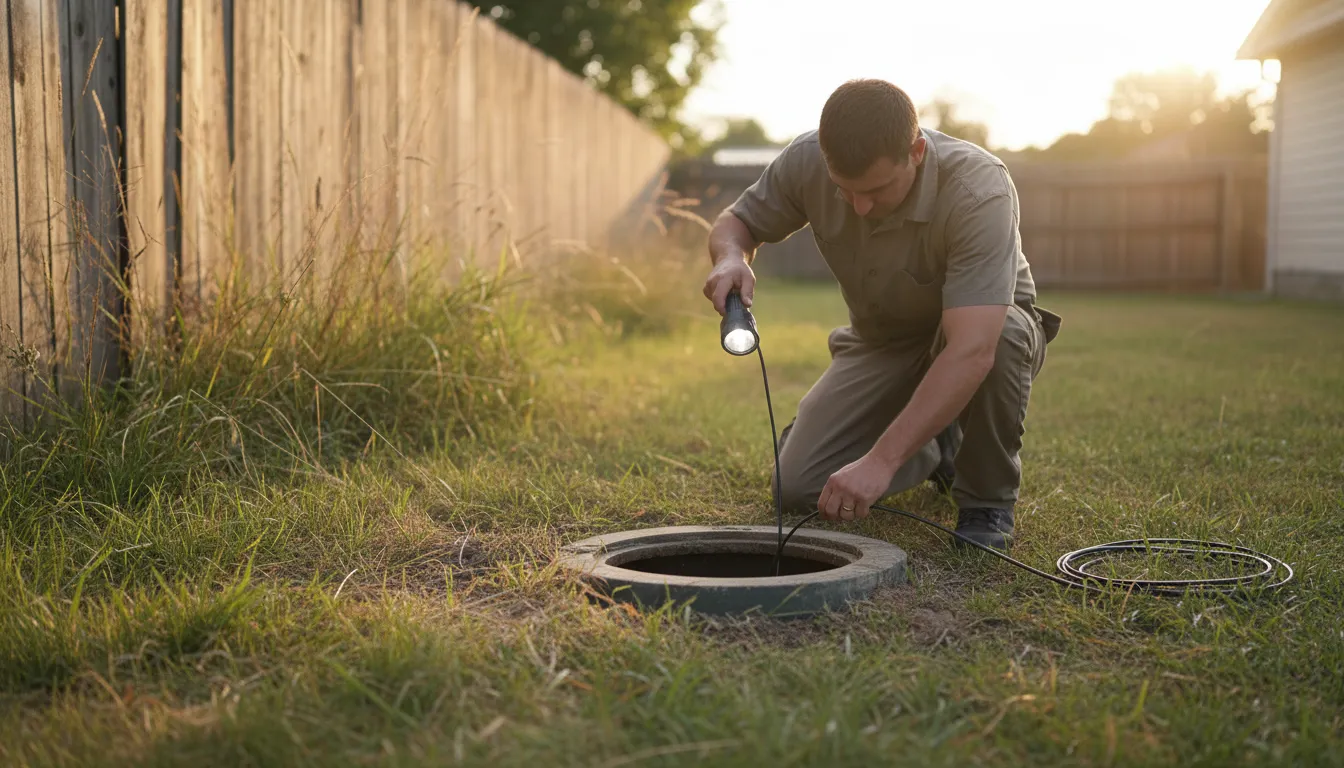
Find the Best Septic Tank Inspection Companies for Your Business
No obligation • Fast responses • Nationwide coverage

Why you can trust Septic Spot
Septic Spot is a leading United States resource for understanding and comparing septic services. Our editors review providers using consistent criteria and verify key business details. Listings and scores are independent, and companies cannot pay to influence our content.
Search providers near you
Top Septic Tank Inspection Companies in Clarksville, Tennessee Ranked
A septic tank inspection is a critical evaluation of your onsite wastewater system's health and functionality. For Clarksville homeowners, these assessments are vital for protecting your property value, ensuring family health, and complying with Tennessee state regulations. This guide explains what a septic system evaluation entails, why it's necessary, and how you can find qualified local professionals to perform this essential service.
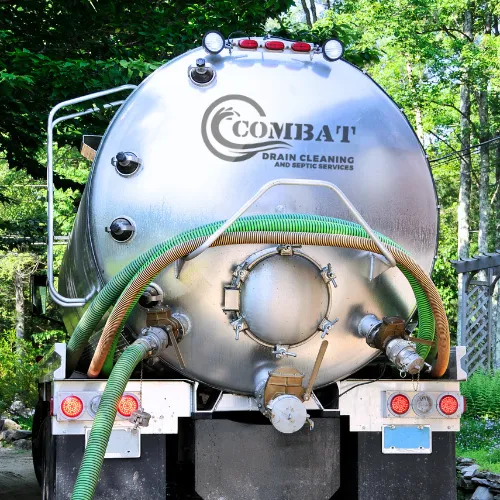
Combat Drain Cleaning and Septic Services
Clarksville, TN
Combat Drain Cleaning and Septic Services is a licensed septic system installer serving Clarksville, TN, and surrounding areas. They specialize in septic tank pumping, septic system inspection, drain cleaning, sump pump repair, leach field repair, and septic tank installation. With over 20 years of industry experience, they focus on maintaining and repairing residential septic and drainage systems. The company offers 24/7 availability, including after-hours service, to address urgent drain and septic issues promptly.
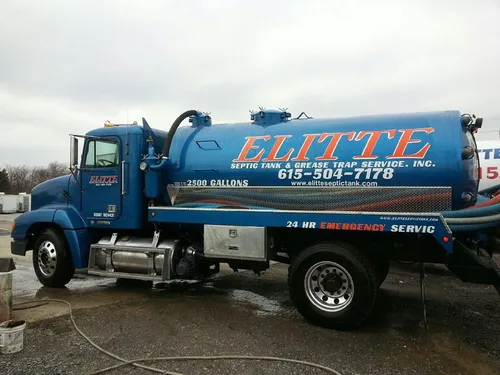
Elitte Septic Tank & Grease Trap Service, Inc.
1035 Bradley Dr, Springfield, TN 37172
Elitte Septic Tank & Grease Trap Service, Inc. provides septic tank pumping, inspection, repair, and installation services in Nashville, TN. The company handles locating septic tanks and field lines, pumping out tanks, repairing lines, and installing new septic systems with care and professionalism. They have experience working on challenging projects such as accessing tanks under concrete and rerouting plumbing to unused tanks. Their team is known for thorough excavation and cleanup after work is completed.

Elitte Septic Tank Services
Clarksville, TN 37040
Elitte Septic Tank Services is a septic tank pumping, inspection, repair, and installation company serving Nashville, TN. They handle locating septic tanks and field lines, pumping tanks, repairing broken lids and lines, and installing new septic systems. The team is known for careful excavation and site cleanup. Customers have noted their ability to work efficiently in challenging conditions and their attention to detail in preserving property features during repairs.
Why Septic System Inspections Are Essential in Clarksville
In Montgomery County, many homes rely on private septic systems rather than municipal sewer lines. These systems are a significant investment and a key component of your property's infrastructure. Regular professional evaluations help prevent catastrophic failures, which can lead to costly repairs, environmental contamination, and health hazards. Furthermore, Tennessee law requires inspections during certain transactions and system modifications. Staying proactive with your septic tank assessment is not just a recommendation-it's a cornerstone of responsible homeownership in our community.
Tennessee and Clarksville Septic System Regulations
Septic systems in Clarksville are regulated by the Tennessee Department of Environment and Conservation (TDEC). Understanding these rules is the first step in managing your system properly.
- Permit Requirements: A state permit is required from TDEC for any new system installation, major repair, or alteration before work begins. This process often starts with an onsite evaluation by a TDEC Environmental Specialist to assess soil conditions for proper system design.
- Mandatory Inspections: Inspections are formally required for new installations, after repairs, and are highly recommended-and often required by lenders-during real estate transactions 1 2. While the state doesn't mandate a universal inspection schedule for all existing systems, local health departments and common best practices strongly advise an evaluation every three years.
- Professional Licensing: Always ensure your inspection or service is performed by a professional holding the appropriate Tennessee septic contractor or pumper license 3. These individuals understand local codes and can properly file any necessary documentation with the state.
What Does a Professional Septic Inspection Include?
A comprehensive septic system evaluation goes far beyond just looking at the tank. Here's what you can expect a qualified Clarksville inspector to do:
- System Location & Layout: The inspector will locate and map all components, including the septic tank, distribution box, and drainfield (also called a leach field). This is crucial information for any future maintenance or property work.
- Tank Access & Interior Inspection: The tank lids are excavated and opened. The professional will check the liquid level, inspect inlet and outlet baffles (or tees) to ensure they are intact and functioning, and look for signs of backflow from the drainfield.
- Sludge and Scum Measurement: Using a specialized tool called a "sludge judge," the inspector measures the depth of the sludge layer (solids at the bottom) and the scum layer (floating fats and greases). A key rule of thumb is that the combined sludge and scum should not exceed one-third of the tank's total liquid depth, indicating a need for pumping 4.
- Drainfield Evaluation: This is a critical phase. The inspector examines the soil over the drainfield for signs of failure, such as soggy ground, surfacing sewage, or unusually lush grass. They check for proper drainage and ensure there is no hydraulic overload.
- Component Check: All mechanical parts, including pumps, alarms, and filters, are tested for proper operation.
- Detailed Report: A thorough inspector will provide a written report detailing their findings, including measurements, conditions of components, any signs of malfunction, and recommendations for maintenance or repair.
Find the perfect septic tank inspection companies for your needs
Get personalized recommendations and expert advice
Understanding Inspection Costs and Related Services
The cost for a standard septic tank inspection in the Clarksville area typically ranges from $300 to $600, though more complex systems may cost more 5. This fee reflects the expertise, time, and potential equipment (like cameras for lateral lines) used.
It's important to distinguish an inspection from pumping, though they are often performed together. Septic tank pumping involves physically removing the accumulated solids and liquids from the tank. This service generally costs between $300 and $600 for an average 1,000-gallon tank 6. Professionals performing this work must hold a TDEC pumper permit, which involves a fee 6.
If an inspection reveals issues, you may need repair or a new installation permit from TDEC, which typically carries a fee of $200 to $400 7 8.
Maintaining Your Clarksville Septic System
An inspection provides a snapshot of your system's health, but daily maintenance determines its longevity. Follow these tips to keep your system functioning properly between professional check-ups:
- Pump Regularly: Even with careful use, solids accumulate. The general guideline is to pump your tank every 3 to 5 years, but this can vary based on tank size and household usage 9 10. Your inspector can give you a personalized schedule.
- Conserve Water: Excessive water flow can overwhelm the drainfield. Spread out laundry loads, fix leaky faucets, and consider installing water-efficient fixtures.
- Mind What You Flush: Only human waste and toilet paper should go down the drain. Avoid flushing wipes (even "flushable" ones), feminine hygiene products, cooking grease, and chemicals.
- Protect the Drainfield: Never drive or park vehicles over the drainfield. Keep roof drains, sump pumps, and other surface water away from the area. Also, avoid planting trees or deep-rooted shrubs nearby.
Interpreting Your Inspection Results
After your evaluation, the inspector's report will fall into one of several categories:
- Satisfactory: All components are functioning as designed, and sludge/scum levels are acceptable. The recommendation will likely be routine maintenance and a follow-up inspection in a few years.
- Needs Maintenance: The most common finding is that the tank needs to be pumped. Baffles may need cleaning or minor repairs. Addressing these items promptly prevents larger issues.
- Needs Repair: This could indicate a cracked tank, broken pipe, failing distribution box, or a malfunctioning pump. These issues require immediate attention from a licensed repair contractor.
- Failing/Drainfield Failure: This is the most serious outcome, often indicated by surfacing wastewater or saturated soil in the drainfield. A failing drainfield may require significant repair or a completely new system, which involves a new permit and design from TDEC 11.
Frequently asked questions
Sources
Footnotes
-
Sewage/Septic Systems - Northeast Health District - https://northeasthealthdistrict.org/services/environmental-health/sewage-septic-systems/ ↩
-
Purchasing a Home With a Septic System - Kim Blanton - https://www.homesbykimblanton.com/blog/a-house-with-a-septic-tank.html ↩
-
Tennessee Septic License & Certification | 2024 Contractor Guide - https://www.servicetitan.com/licensing/septic/tennessee ↩
-
What to Expect from a Septic Inspection - Wind River Environmental - https://www.wrenvironmental.com/blog/2023/may/what-to-expect-from-a-septic-inspection/ ↩
-
Septic System Inspections - InterNACHI - https://www.nachi.org/inspecting-septic-systems.htm ↩
-
Understanding and Inspecting Septic Systems - Flush Fellas - https://www.theflushfellas.com/understanding-and-inspecting-septic-systems ↩ ↩2
-
Homes on Septic Systems - Know the laws in Tennessee! - https://www.gregorygoff.com/homes-on-septic-systems-know-the-laws ↩
-
Septic System Construction Permit - TN.gov - https://www.tn.gov/environment/permit-permits/water-permits1/septic-systems-permits/ssp/permit-water-septic-system-construction-permit.html ↩
-
Onsite Wastewater Treatment Systems "Septic Systems" - TN.gov - https://www.tn.gov/health/cedep/environmental/healthy-homes/hh/onsite-wastewater-treatment-systems.html ↩
-
Septic System Approval, Permit, And Site Evaluations | Clark County Health Department - https://www.clarkhealthdept.org/septic-system-approval-permit-and-site-evaluations/ ↩
-
Interpreting Septic Tank Inspection Results | Septic System Professionals - https://septic911.com/interpreting-septic-tank-inspection-results/ ↩