Find the Best Septic Tank Inspection Companies for Your Business
No obligation • Fast responses • Nationwide coverage

Why you can trust Septic Spot
Septic Spot is a leading United States resource for understanding and comparing septic services. Our editors review providers using consistent criteria and verify key business details. Listings and scores are independent, and companies cannot pay to influence our content.
Search providers near you
Top Septic Tank Inspection Companies in Chattanooga, Tennessee Ranked
A septic tank inspection is a critical evaluation of your onsite wastewater system's health and functionality. For homeowners in Chattanooga and Hamilton County, regular assessments are not just a good idea-they are often required by local and state regulations to protect your property, public health, and the environment. This guide will help you understand what a professional septic system evaluation entails, why it's necessary, and how you can connect with qualified local inspectors to ensure your system operates smoothly for years to come.
Poop Dudes
2715 Forest Rd, Chattanooga, TN 37406
Poop Dudes is a family-owned septic service company based in Chattanooga, TN, serving the greater Chattanooga area and north Georgia. With over 20 years of experience, they provide a full range of septic services including tank pumping, inspections, repairs, and installations. Their licensed technicians handle various septic systems such as standard, low pressure pipe, mound, and drip systems. Poop Dudes also offers 24-hour emergency septic services to address urgent needs promptly.
Flush Fellas Septic and Excavating - Chattanooga
Chattanooga, TN
Flush Fellas Septic and Excavating - Chattanooga is a veteran-owned septic service company based in Chattanooga, TN. They provide residential and commercial septic tank pumping, installation, inspection, and repair services, including drain field repair and septic pump replacement. The company uses video scoping technology to diagnose septic issues and offers detailed post-service reports with maintenance recommendations. Licensed in Tennessee and Georgia, Flush Fellas serves the Chattanooga area and North Georgia metro region. They also provide 24/7 emergency septic services for urgent repairs and pump issues.
My City Chattanooga Home Inspector
5957 Dayton Blvd Suite A, Chattanooga, TN 37415
My City Chattanooga Home Inspector is a home inspection company based in Chattanooga, TN. They offer a wide range of inspection services including septic tank inspections, mold and radon testing, gas leak detection, and water quality testing. The company provides detailed reports within 24 hours and encourages clients to attend the inspection for a thorough understanding of the property's condition. Since 2014, they have served Chattanooga and surrounding areas, focusing on comprehensive evaluations from attics to foundations. Their services cover multiple local communities including Hixson, Apison, and Signal Mountain.
Rapid Rooter Septic Services
Chattanooga, TN
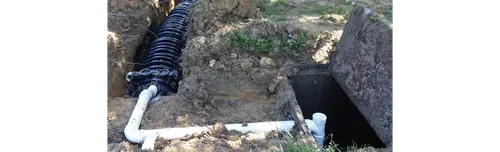
Rapid Rooter Septic Services is a family-owned company serving Chattanooga, TN, and north Georgia with over 20 years of experience in septic system services. They offer a wide range of services including septic tank pumping, inspections, repairs, installations, and drain field repairs. The company is licensed to work on all types of septic systems in Tennessee and provides 24-hour emergency service for urgent septic needs. Their team is skilled in handling everything from routine maintenance to complex repairs and new system installations.
Roto Rooter Plumbing Drain and Septic Services
Chattanooga, TN
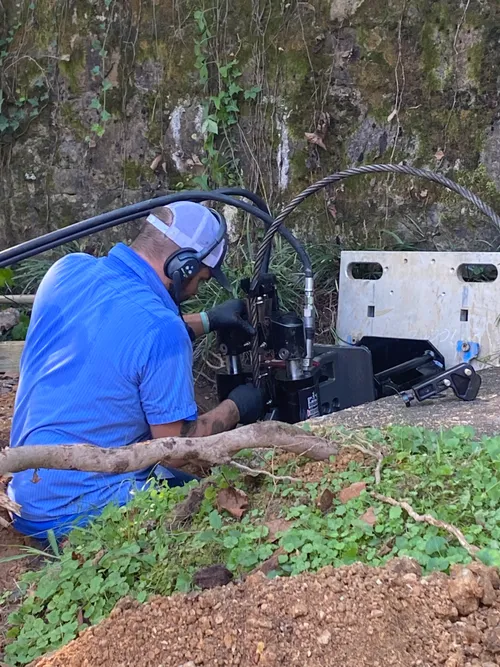
Roto Rooter Plumbing Drain and Septic Services provides septic tank pumping, inspection, and repair services in Chattanooga, TN. Serving the entire Chattanooga metro area, they offer full-service plumbing and drain cleaning with a focus on emergency and same-day service. Established in 1935, the company uses state-of-the-art equipment and is licensed and insured. They operate 24/7 without extra charges for nights, weekends, or holidays.
Why Regular Septic System Evaluations Are Essential in Chattanooga
In a hilly region like Chattanooga, proper wastewater management is crucial. A failing septic system can lead to sewage backups in your home, contamination of groundwater, and costly environmental damage. Tennessee state guidelines, enforced locally by the Hamilton County Environmental Health Office, mandate regular inspections to prevent these issues 1 2. For systems with pumps, an inspection is recommended every two years, while gravity-fed systems should be checked every four years 1 3. Adhering to this schedule helps you catch minor problems-like a cracked baffle or a failing pump-before they escalate into a full system failure requiring a replacement that can cost between $10,000 and $60,000.
What a Professional Chattanooga Septic Inspection Includes
A comprehensive septic system check-up by a licensed professional is far more than a quick look. It's a detailed process designed to assess every component of your onsite wastewater treatment system.
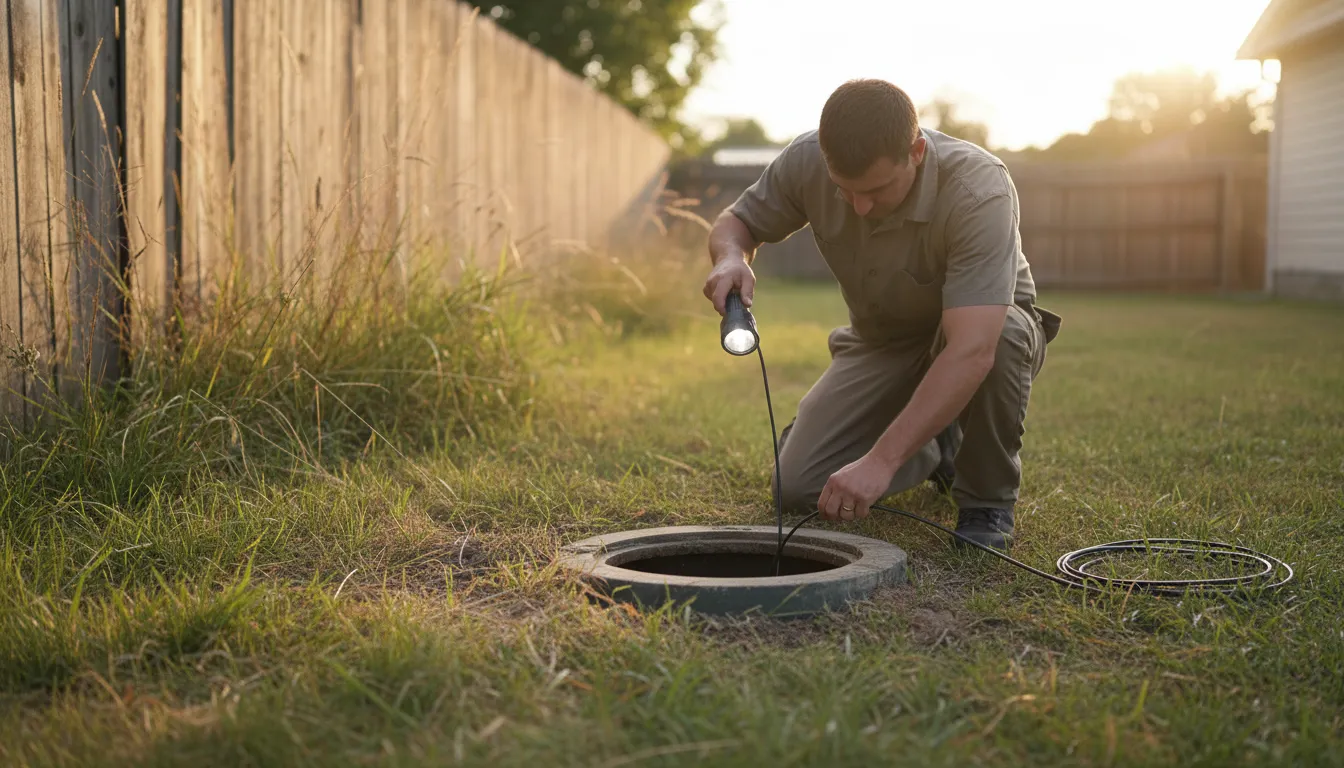
1. Locating and Accessing the System The inspector will first locate your septic tank and drain field, often using property records or specialized probes. They will ensure the tank lids are accessible for opening, which is why homeowners are advised to clear any vegetation or debris from the area beforehand.
2. Evaluating Tank Contents and Structure This is the core of the inspection. The professional will measure the levels of sludge (solid waste at the bottom) and scum (floating fats and greases) to determine if pumping is needed. They will also inspect the tank's structural integrity, checking concrete walls for cracks and ensuring inlet and outlet baffles are intact to prevent solids from entering the drain field 4.
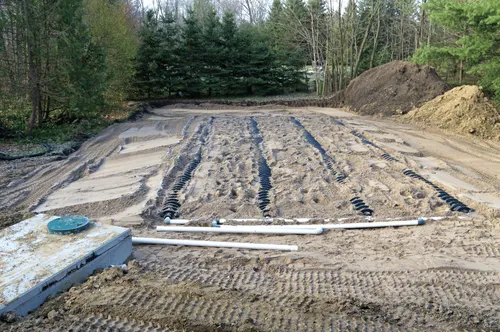
3. Assessing the Drain Field The inspector will examine the soil absorption area (drain field) for signs of failure. This includes looking for surfacing sewage, overly lush grass, or soggy ground, which indicate clogging or hydraulic overload 5 6. Protecting this area is vital; you should never drive or build over the drain field, and must divert roof gutters and surface water away from it 5.
4. Checking Mechanical Components If your system includes a pump, lift station, or alarm, the inspector will test these components to ensure they are operating correctly. A malfunctioning pump is a common cause of system backups.
Understanding Local Regulations and Permits
All work on septic systems in Hamilton County requires involvement with local authorities. The Hamilton County Environmental Health Office manages permits for new installations, repairs, and system replacements. Before buying a home with a septic system or planning major work, you should check for an existing installation certificate or permit on file. Records can often be accessed through the county's septic information portal. Always verify that any contractor you hire is licensed by the state of Tennessee to perform septic inspections, pumping, and repairs.
Find the perfect septic tank inspection companies for your needs
Get personalized recommendations and expert advice
Costs Associated with Septic Services in Chattanooga
Understanding potential costs helps homeowners budget for necessary maintenance. A standard septic tank inspection in the Chattanooga area typically costs a few hundred dollars 7. If the inspection reveals that pumping is needed-which is generally required every 3 to 5 years depending on household size-you can expect to pay an average of $250 to $500 to pump the tank 8. It's important to view inspection and pumping as proactive investments. The cost of pumping is minor compared to the expense of repairing a damaged drain field or replacing an entire failed system 9.
The Home Buying Process and Septic Inspections
If you are purchasing a property in Chattanooga with a septic system, a specialized inspection is non-negotiable. A general home inspection does not cover the septic system in detail. You must hire a qualified septic professional to conduct a full evaluation, which should be a contingency in your purchase offer. This inspection will reveal the system's age, condition, and compliance with local codes, potentially saving you from unforeseen tens of thousands in repair costs after closing.
Maintaining Your System Between Inspections
Professional inspections are periodic, but good daily maintenance is constant. To keep your system healthy:
- Conserve water to avoid overloading the drain field.
- Dispose of waste properly. Never flush anything besides human waste and toilet paper. Avoid pouring grease, chemicals, or medications down the drain.
- Keep detailed records of all inspections, pumpings, and repairs.
- Map your system's location and share it with future homeowners.
By following these practices and scheduling regular professional evaluations, you ensure the longevity and reliability of your septic system, protecting your Chattanooga home's value and the local environment.
Frequently asked questions
Sources
Footnotes
-
Onsite Wastewater Treatment Systems "Septic Systems" - https://www.tn.gov/health/cedep/environmental/healthy-homes/hh/onsite-wastewater-treatment-systems.html ↩ ↩2
-
Septic Information and Forms - Hamilton County Government - https://www.hamiltontn.gov/BuildingInspection_Septic.aspx ↩
-
SSDS FAQs - TN.gov - https://www.tn.gov/environment/permit-permits/water-permits1/septic-systems-permits/ssp/ssds-faqs.html ↩
-
Inspection of Septic Systems - Oklahoma State University Extension - https://extension.okstate.edu/fact-sheets/inspection-of-septic-systems.html ↩
-
Frequent Questions on Septic Systems | US EPA - https://www.epa.gov/septic/frequent-questions-septic-systems ↩ ↩2
-
Septic Tank Inspection Checklist: Free PDF Download - https://www.servicetitan.com/templates/septic/inspection-checklist ↩
-
Septic Inspection | Chattanooga Home Inspection | (423) 284-1510 - https://www.chattanoogahomeinspector.com/septic-inspection/ ↩
-
How Much Does It Cost to Pump Septic Tank: A Detailed Pricing Guide - https://www.benjaminfranklinplumbing.com/league-city/blog/2025/march/how-much-does-it-cost-to-pump-septic-tank-a-detailed-pricing-guide/ ↩
-
Understanding and Inspecting Septic Systems - Flush Fellas - https://www.theflushfellas.com/understanding-and-inspecting-septic-systems ↩