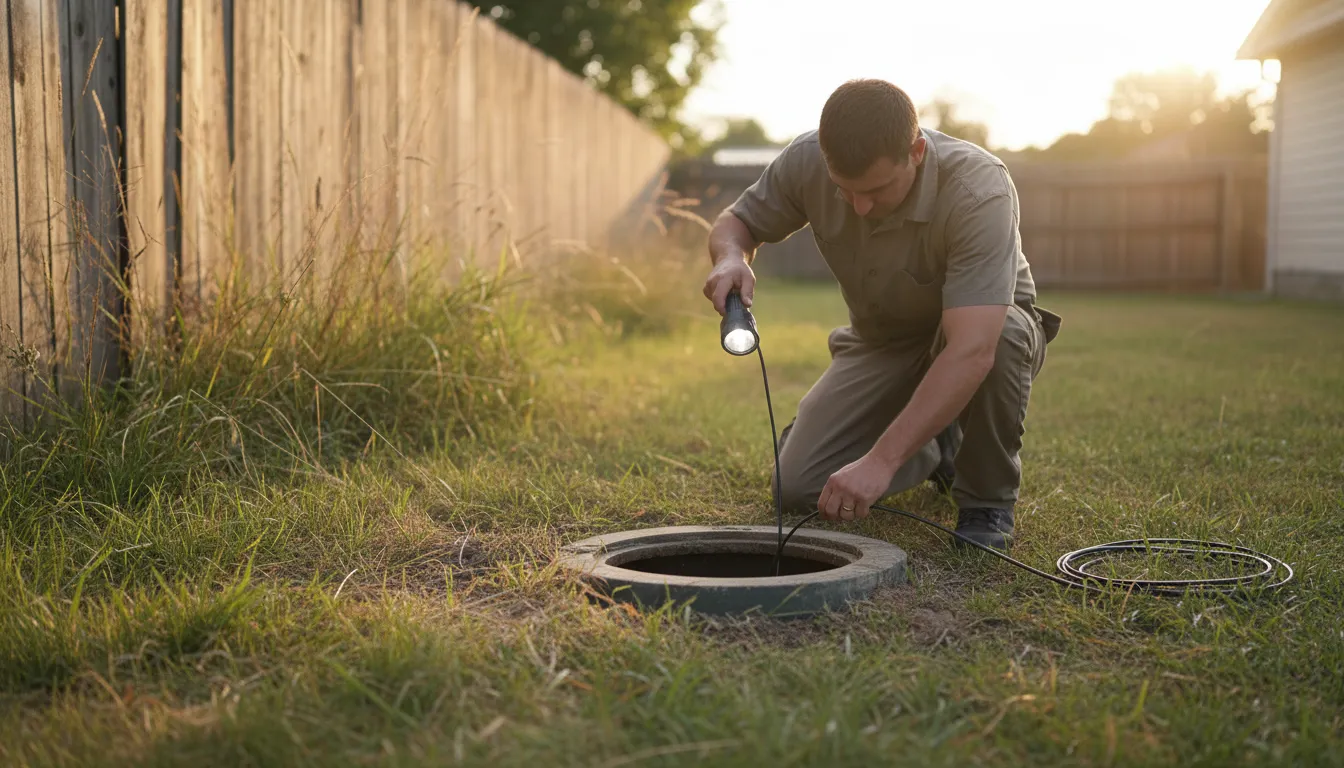
Find the Best Septic Tank Inspection Companies for Your Business
No obligation • Fast responses • Nationwide coverage

Why you can trust Septic Spot
Septic Spot is a leading United States resource for understanding and comparing septic services. Our editors review providers using consistent criteria and verify key business details. Listings and scores are independent, and companies cannot pay to influence our content.
Search providers near you
Top Septic Tank Inspection Companies in Memphis, Tennessee Ranked
A septic system inspection is a critical evaluation of your onsite wastewater treatment system's health and functionality. For Memphis homeowners, regular assessments are not just a good practice-they are often required by local regulations and are essential for protecting your property value and the local environment. This guide explains the inspection process, local Shelby County rules, and how to find qualified professionals to ensure your system operates safely and efficiently.
ABC Plumbing & Septic Service
741 Lee Creek Rd, Byhalia, MS 38611
ABC Plumbing & Septic Service is a septic tank pumping, inspection, repair, and installation company serving Memphis, TN. With over 70 years of experience, they provide residential, commercial, and industrial septic services including hydrojetting, video inspection, and drain field repair. The company offers 24/7 emergency service and uses advanced equipment to ensure effective septic system maintenance and repairs.
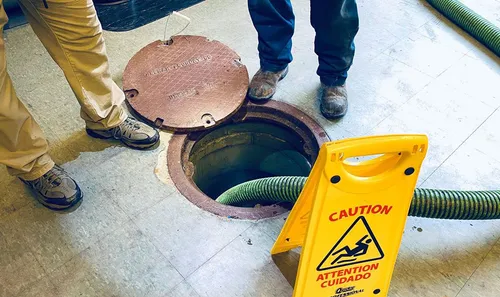
Mid South Septic, A Wind River Company
11284 Gulf Stream Rd, Arlington, TN 38002
Mid South Septic, A Wind River Company, provides septic tank pumping, inspection, and repair services in Memphis, TN. They serve residential, commercial, municipal, and industrial clients throughout the Mid-South region. The company offers comprehensive septic system care, including routine maintenance, in-depth inspections, and timely repairs to help extend system life and prevent costly issues. Established in the early 1999s, Mid South Septic combines local expertise with the resources of a national network. They also provide 24/7 service availability for urgent septic needs.
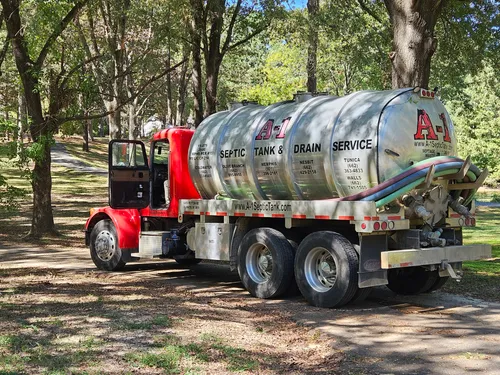
A-1 Septic Tank & Drain Service
6809 Peyton Rd, Coldwater, MS 38618
A-1 Septic Tank & Drain Service is a family-owned company serving Memphis, TN, and the surrounding Mid-South area. They provide septic tank cleaning, inspections, repairs, and maintenance for residential and commercial customers. The company uses certified professionals and modern techniques to diagnose and fix septic system issues, including pump repair and replacement. Established in 1983, A-1 Septic Tank & Drain Service offers 24-hour emergency services for commercial clients to address urgent septic problems promptly.
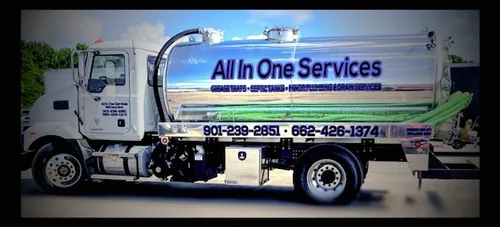
All In One Services
1651 Dancy Blvd #4b, Horn Lake, MS 38637
All In One Services is a family-owned business serving Memphis, TN, with over 20 years of experience in septic system care. They provide a range of services including septic tank pumping, inspections, repairs, and drain field replacement. The company uses hydro-jetting equipment to clear clogged sewer lines and offers expert advice based on thorough inspections to help maintain and extend the life of septic systems.

Midsouth Septic Service
75 Culver Way, Somerville, TN 38068
Midsouth Septic Service provides septic tank pumping, inspection, and repair services in Memphis, TN. Serving residential, commercial, municipal, and industrial clients, they offer comprehensive septic and wastewater management solutions. Their capabilities include routine maintenance, in-depth inspections, and timely repairs to help extend system life and prevent costly issues. Operating since the early 1999s, Midsouth Septic Service combines local expertise with the resources of Wind River Environmental. They provide 24/7 availability to address septic needs at any time.
Why Septic System Inspections Are Essential in Memphis
In Memphis and Shelby County, many homes rely on septic systems rather than municipal sewer lines. A failing system can lead to sewage backups in your home, contamination of groundwater, and costly environmental hazards. Regular septic tank evaluations help catch problems early, such as leaks, blockages, or a failing drain field, before they become emergencies. Local health authorities mandate inspections every 2-4 years to ensure public safety and environmental protection 1.
Beyond compliance, a thorough inspection provides peace of mind. It verifies that the system's components-the tank, baffles, and absorption field-are working in harmony. Whether you're maintaining your home, preparing for a sale, or troubleshooting issues, understanding the condition of your septic system is a key responsibility of homeownership in the area.
Understanding Shelby County Regulations and Permits
The Shelby County Health Department's Environmental Health Division oversees septic system regulations. Knowing the local rules is the first step in any inspection or repair project.
- Inspection Frequency: Systems in Shelby County typically require a professional inspection every 2-4 years.
- Permit Requirements: Any new installation or major repair requires a permit from the county. The base permit fee is $400, plus a $100 inspection fee. A separate application fee of $175 (up to $300 for complex systems) is also required 2.
- Documentation: Applying for a permit involves submitting a plot plan, a soil map, and a detailed property sketch showing the house, well, drain lines, and driveway.
- Real Estate Transactions: While the health department may inspect new installations, inspections for existing homes-especially during property transfers-are typically arranged and paid for by the homeowner using a licensed private contractor.
Always contact the Shelby County Health Department for the most current rules, as regulations are subject to change.
The Professional Inspection Process: What to Expect
A comprehensive septic system inspection by a licensed professional involves several key steps. This process goes far beyond just checking the tank.
- Locate & Uncover: The inspector will find and expose the septic tank lid and inspection pipes. Having these clearly marked beforehand can save time and cost.
- Evaluate Tank Contents: The levels of scum (top layer) and sludge (bottom layer) are measured. Excessive buildup is a primary reason for system failure and indicates the need for pumping.
- Check Baffles & Components: The inlet and outlet baffles inside the tank are checked for integrity. Damaged baffles can allow solids to escape into the drain field, causing clogs and failures.
- Pump & Inspect Tank Structure: Often, the tank is pumped to allow for a clear internal inspection of the walls and bottom for cracks, corrosion, or structural damage.
- Examine the Drain Field: The inspector assesses the soil absorption area for signs of failure, such as soggy ground, unpleasant odors, or surfacing sewage 3 4 5.
Find the perfect septic tank inspection companies for your needs
Get personalized recommendations and expert advice
Costs Associated with Inspections and Maintenance
Understanding the potential costs helps homeowners budget for this necessary maintenance.
- County Permit/Inspection Fees: The administrative and permit inspection fees charged by the Shelby County Health Department range from approximately $175 to $300 6 7.
- Private Inspection Fee: Hiring a licensed professional for a thorough system evaluation typically costs between $300 and $600, depending on the inspector's experience and the system's complexity 8.
- Septic Pumping Cost: If pumping is required as part of the inspection or maintenance, expect to pay between $250 and $600. This price varies significantly based on tank size (e.g., 1,000 vs. 2,000 gallons) 9.
Maintaining Your System Between Inspections
Professional inspections are crucial, but day-to-day care extends the life of your system.
- Pump Regularly: Even with careful use, tanks need to be pumped every 3-5 years to remove accumulated solids, a key factor in preventing system failure.
- Protect the Drain Field: Never drive or park vehicles over the tank or drain field. Avoid planting trees or deep-rooted shrubs nearby, as roots can damage pipes.
- Use Water Wisely: Spread out laundry loads and fix leaky faucets to avoid overloading the system.
- Mind What You Flush: Only human waste and toilet paper should go down the drain. Avoid chemicals, grease, wipes, and other non-biodegradables.
- Be Wary of Additives: Most experts advise against using septic system additives, as they are often unnecessary and can sometimes harm the system's biological balance 10.
- Consider Insurance: A "sewage rider" or backup coverage on your homeowner's insurance policy can provide financial protection against failures and is often available for less than $50 per year 11.
Finding a Qualified Inspection Professional in Memphis
When your system is due for an evaluation, selecting the right contractor is vital. Look for professionals who are licensed by the state of Tennessee and familiar with Shelby County's specific codes and soil conditions. They should provide a detailed report of their findings, including photos and clear recommendations for any needed repairs or maintenance. A reputable inspector will be happy to explain each step of the process and answer all your questions.
Frequently asked questions
Sources
Footnotes
-
Frequent Questions on Septic Systems | US EPA - https://www.epa.gov/septic/frequent-questions-septic-systems ↩
-
Septic System Construction Permit - TN.gov - https://www.tn.gov/environment/permit-permits/water-permits1/septic-systems-permits/ssp/permit-water-septic-system-construction-permit.html ↩
-
Understanding and Inspecting Septic Systems - Flush Fellas - https://www.theflushfellas.com/understanding-and-inspecting-septic-systems ↩
-
Onsite Wastewater Treatment Systems "Septic Systems" - https://www.tn.gov/health/cedep/environmental/healthy-homes/hh/onsite-wastewater-treatment-systems.html ↩
-
Septic System Inspections - InterNACHI - https://www.nachi.org/inspecting-septic-systems.htm ↩
-
memphis and shelby county health department - https://www.shelbycountytn.gov/DocumentView.aspx?DID=771 ↩
-
Septic Application - Shelby County Health Department - https://www.shelbytnhealth.com/DocumentCenter/View/4241/Septic-Application ↩
-
Who Pays For Septic Inspection When Selling a House? - https://ibuyer.com/blog/who-pays-for-septic-inspection-when-selling-a-house/ ↩
-
How Often Should You Pump Your Septic Tank: 3 Factors Solved - https://www.frasiers.com/blog/sewage-tank-pump-frequency/ ↩
-
Homeowner's Guide to Septic Systems - Lebanon, TN - https://www.lebanontn.org/DocumentCenter/View/273/Detailed-Septic-Information-PDF ↩
-
Purchasing a Home With a Septic System - Kim Blanton - https://www.homesbykimblanton.com/blog/a-house-with-a-septic-tank.html ↩