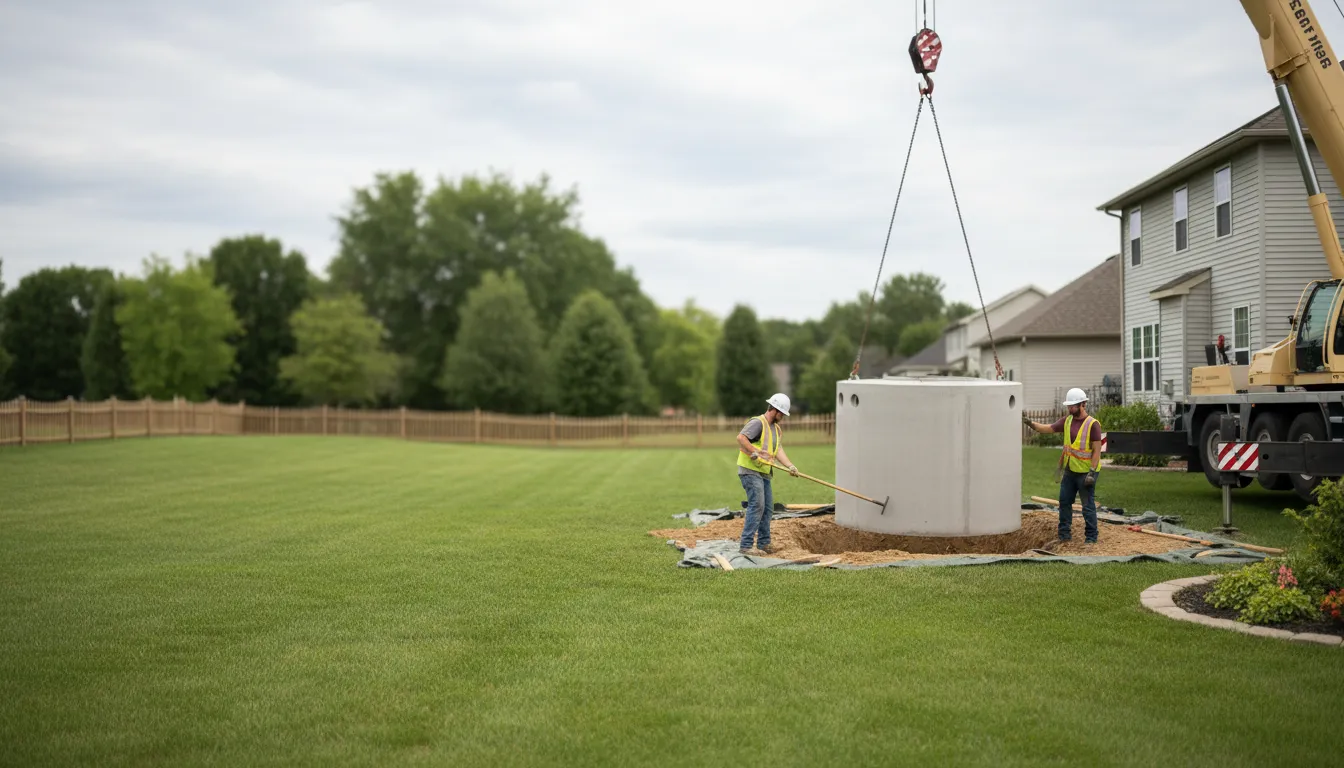
Find the Best Septic Tank Installation & Replacement Contractors for Your Business
No obligation • Fast responses • Nationwide coverage

Why you can trust Septic Spot
Septic Spot is a leading United States resource for understanding and comparing septic services. Our editors review providers using consistent criteria and verify key business details. Listings and scores are independent, and companies cannot pay to influence our content.
Search providers near you
Top Septic Tank Installation & Replacement Contractors in Birmingham, Alabama Ranked
Installing or replacing a septic system is a significant investment in your property's long-term functionality and environmental safety. For Birmingham homeowners, this process involves navigating specific local regulations, soil evaluations, and professional licensing requirements to ensure a compliant and effective wastewater treatment solution. This guide explains the key steps, costs, and regulations for septic system installation and replacement in Jefferson County, helping you understand what to expect and how to find qualified local professionals for your project.
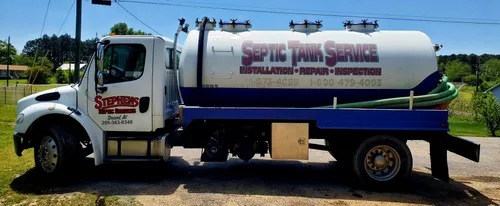
Stephens Septic Services, LLC
Birmingham, AL
Stephens Septic Services, LLC is a family-owned septic service provider based in Birmingham, AL. They offer septic tank pumping, inspection, repair, installation, and residential excavation services. The company serves Boaz and surrounding communities including Albertville, Guntersville, Sardis City, Oneonta, and Arab. Stephens Septic Services is known for diagnosing septic system issues accurately and providing repairs such as clearing jammed impellers and conducting flow tests to ensure proper system function. They emphasize direct communication with owners and stand behind their work. The company also offers 24/7 emergency septic services for urgent needs.
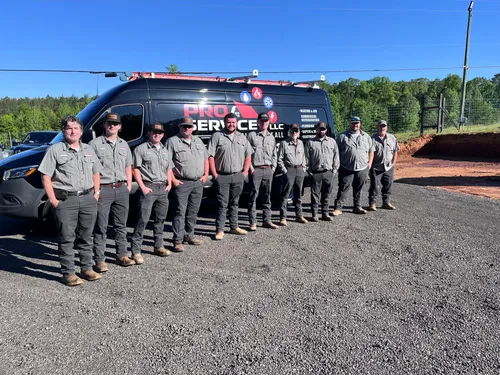
Pro Services LLC
22311 Diesel Dr, McCalla, AL 35111
Pro Services LLC is a multi-trade contractor based in Birmingham, AL, offering septic system repair and septic tank installation among other services. Serving Birmingham and surrounding counties including Tuscaloosa, Hoover, and Bessemer, the company provides comprehensive residential and commercial HVAC, plumbing, electrical, and septic services. They are equipped with fully stocked trucks and have been serving central Alabama since 1987. Their team includes master tradesmen who handle septic system maintenance and installation with expertise.

Elite Drain & Septic Service, LLC
13585 AL-75, Remlap, AL 35133
Elite Drain & Septic Service, LLC is a septic tank inspection, repair, and installation company based in Birmingham, AL. They serve residential customers in Blount, Cullman, Etowah, Jefferson, and St. Clair counties. Their services include septic system maintenance, drain cleaning, and plumbing, with capabilities such as using pipe cameras to inspect clogs and employing snakes and sprays to clear blockages. Elite Drain & Septic focuses on helping property owners maintain efficient sewage systems and address issues like slow drainage, soil erosion, and odors.
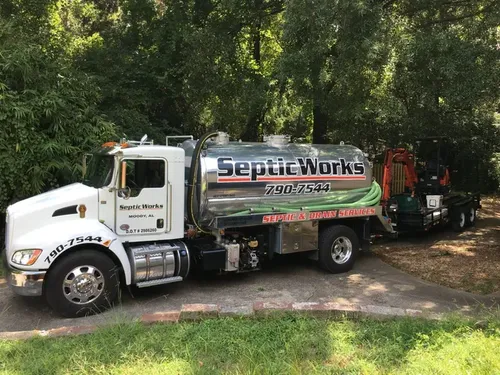
SepticWorks
2377 US-78, Moody, AL 35004
SepticWorks is a septic service provider based in Birmingham, AL, offering a full range of septic system services including pumping, inspections, repairs, and installations. They serve multiple locations across Alabama, including Moody, Vestavia, Hoover, and surrounding areas. SepticWorks specializes in septic tank pumping and system inspections to help maintain and extend the life of septic systems. They also provide complete septic tank installations for residential and commercial properties.
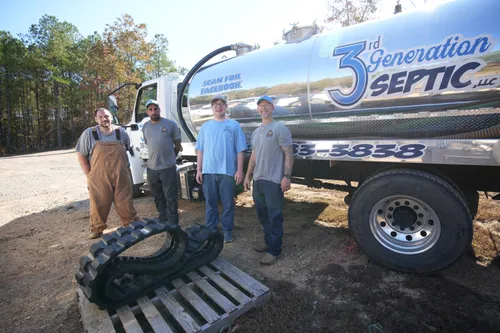
3rd Generation Septic
Birmingham, AL
3rd Generation Septic is a family-owned septic service provider based in Birmingham, AL. They offer a wide range of septic services including tank pumping, inspections, repairs, installations, and drain field maintenance. Serving Birmingham and surrounding areas, the company applies decades of combined expertise to ensure septic systems operate efficiently and comply with local regulations. Their skilled team handles both residential and commercial projects, using advanced equipment and proven methods to deliver reliable solutions. The company emphasizes transparency in communication and provides detailed assessments and itemized quotes. They also offer emergency septic services to address urgent system failures promptly.
Understanding Local Regulations and Permits
In Birmingham and Jefferson County, all new septic system installations and major replacements require a permit from the Jefferson County Health Department (JCDH) before any construction begins. This is a non-negotiable first step. The permit process ensures that your proposed onsite sewage disposal system meets Alabama state codes and local health standards designed to protect groundwater and public health.
Only installers licensed by the Alabama Onsite Wastewater Board (AOWB) are legally permitted to install or repair septic systems in Alabama. Working with a licensed professional is crucial, as they understand the specific requirements for system design, setbacks, and construction practices mandated by the state. The system plan must be approved by JCDH, and a final inspection is required before the tank and drain field can be covered and the home occupied.
The Critical Role of Soil Evaluation (Perc Testing)
A successful septic system installation hinges on the property's soil conditions. A soil percolation (perc) test is mandatory to determine the soil's absorption rate and to identify the depth to bedrock or the seasonal high-water table. This test involves digging holes in the proposed drain field area, saturating them with water, and measuring how quickly the water drains.
The results of this test directly determine the size and type of drain field needed. If the soil drains too slowly (often defined as a percolation rate longer than 60 minutes per inch), a standard conventional system may not be suitable, and a licensed engineer must design an alternative system 1. This evaluation must be performed by a registered professional, such as a professional engineer or land surveyor 1.
Step-by-Step Installation Process
The journey from an empty lot to a fully operational septic system follows a structured sequence. Understanding these steps can help you manage the project timeline and expectations.
- Site Inspection & System Design: A licensed evaluator conducts the perc test and assesses the site. Based on the results, a detailed system plan is created, specifying the tank size, drain field layout, and construction methods.
- Permit Application & Issuance: The completed system design is submitted to the Jefferson County Health Department for review. Once the plan meets all codes, JCDH issues the permit to construct 2.
- Excavation & Installation: Your licensed installer excavates the site, places the septic tank (typically a 1,000-gallon tank for a 1-3 bedroom home), and constructs the distribution box and drain field lines according to the approved plan 3.
- Final Inspection: Before the system is backfilled with soil, a JCDH inspector must visit the site to verify that the installation matches the permitted design in all details 4 5. This is a critical checkpoint.
- Backfilling & Completion: After passing inspection, the installer carefully backfills the tank and drain field, grades the land for proper surface drainage, and installs any necessary access risers.
Find the perfect septic tank installation & replacement contractors for your needs
Get personalized recommendations and expert advice
Factors Influencing Installation Cost
The cost for a new septic system in the Birmingham area can vary widely, with standard conventional systems typically ranging from roughly $3,500 to over $11,400 6 7. Several key factors contribute to this range:
- Tank Size and Material: Larger homes require larger tanks. The material (concrete, plastic, or fiberglass) also affects the price.
- Soil Conditions and System Type: Ideal, well-draining soil supports a standard, less expensive drain field. Poor soil (clay, slow percolation, high water table) often requires a more complex and costly engineered system, such as a mound or aerobic treatment unit (ATU) 8.
- Site Accessibility: Easy access for heavy machinery keeps costs down. Steep slopes, rocky terrain, or limited space can significantly increase labor and equipment time.
- Professional Fees: Don't forget to budget for the soil perc test, engineering design fees (if required), and the Jefferson County permit fees 9.
Maintaining Your New Septic System
Proper maintenance is essential to protect your investment and avoid premature system failure. Key maintenance tasks include:
- Regular Pumping: Have the septic tank pumped by a professional every 3 to 5 years to remove accumulated solids 10 11.
- Annual Inspections: Check the tank, baffles, and drain field annually for signs of issues like slow drains or soggy ground over the field.
- Mindful Use: Avoid flushing non-biodegradable items and overloading the system with excessive water. Use water-efficient fixtures and spread out laundry loads.
- Protect the Drain Field: Never park vehicles or build structures over the drain field. Keep roof drains, sump pumps, and other surface water away from the area.
Planning for System Replacement
Existing septic systems don't last forever. Signs you may need a septic system replacement include persistent sewage backups, foul odors, overly lush grass over the drain field, and standing wastewater. The replacement process is similar to a new installation, requiring a new permit, site evaluation, and installation by a licensed professional. Often, local regulations require upgrading an old system to meet current codes during replacement.
Frequently asked questions
Sources
Footnotes
-
Perc Testing in Alabama - Mid-South Testing Inc. - https://mst-inc.com/perc-test/ ↩ ↩2
-
Onsite Sewage Disposal | Alabama Department of Public Health - https://www.alabamapublichealth.gov/montgomery/sewage.html ↩
-
Septic System Installation: Essential Steps for a Reliable Setup - https://www.bridgewaterenviro.com/septic-system-installation/ ↩
-
Onsite Sewage Disposal - Jefferson County Health Department - https://www.jcdh.org/SitePages/Programs-Services/EnvironmentalHealth/CommunityEnvironmentalProtection/OnsiteSewDisp.aspx ↩
-
Alabama Septic Tank Requirements - https://www.ntotank.com/blog/alabama-septic-tank-requirements ↩
-
Understanding Your Septic System Design and Installation Timeline - https://www.mapengineering.net/understanding-your-septic-system-design-and-installation-timeline/ ↩
-
Birmingham Septic Systems Costs & Prices - ProMatcher Cost Report - https://septic-systems.promatcher.com/cost/birmingham-al-septic-systems-costs-prices.aspx ↩
-
Septic Tank Installation Requirements - Angie's List - https://www.angi.com/articles/complete-septic-installation-checklist.htm ↩
-
Residential Septic Tank Pricing | Homeowner's Guide to Costs - https://www.ntotank.com/blog/residential-septic-tank-pricing ↩
-
Caring for Septic Systems - https://www.aces.edu/blog/topics/fish-water/caring-for-septic-systems/ ↩
-
Septic Tank Maintenance | Alabama Department of Public Health (ADPH) - https://www.alabamapublichealth.gov/onsite/maintenance.html ↩