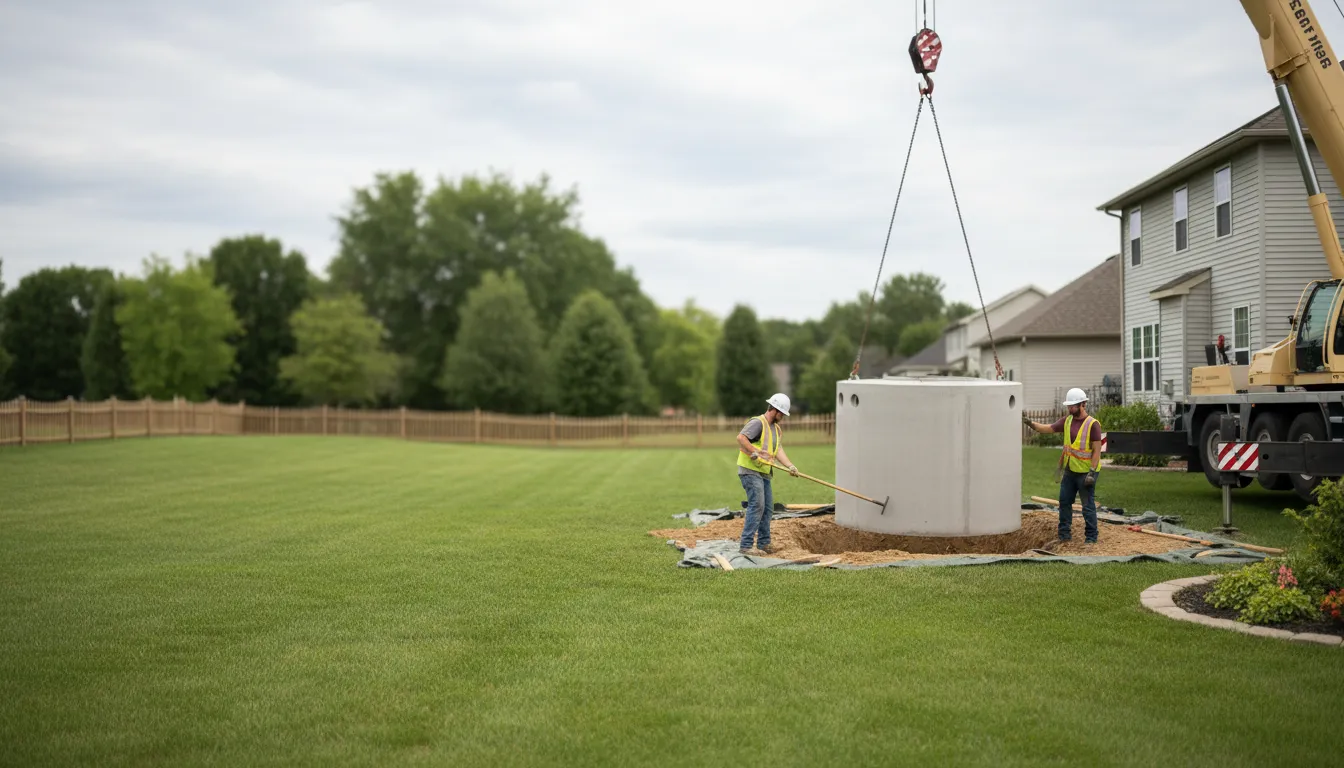
Find the Best Septic Tank Installation & Replacement Contractors for Your Business
No obligation • Fast responses • Nationwide coverage

Why you can trust Septic Spot
Septic Spot is a leading United States resource for understanding and comparing septic services. Our editors review providers using consistent criteria and verify key business details. Listings and scores are independent, and companies cannot pay to influence our content.
Search providers near you
Top Septic Tank Installation & Replacement Contractors in Mobile, Alabama Ranked
Installing or replacing a septic system is a significant home improvement project that ensures safe wastewater treatment for properties not connected to a municipal sewer line. In Mobile, this process is governed by specific state and county health regulations designed to protect both your property and the local environment, including our sensitive coastal waterways. This guide explains the key steps, costs, and local requirements for septic system installation and replacement, helping you understand what to expect and how to connect with qualified local professionals for your project.
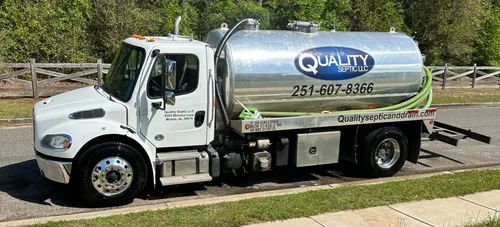
Quality Septic LLC
8503 Mimosa Ln, Mobile, AL 36619
Quality Septic LLC is a septic service provider based in Mobile, AL. Founded in 2017 with a focus on integrity, the company offers septic tank pumping, inspection, installation, and drain field repair services. They also provide septic pump replacement and grease trap pumping. Quality Septic LLC uses sewer jetting technology to clear clogs safely and effectively, ensuring thorough cleaning of pipes. The company serves residential customers in Mobile and surrounding areas.
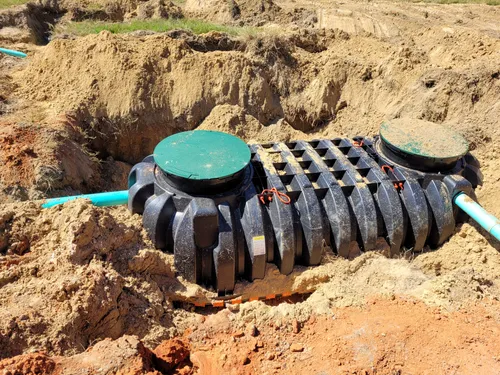
Magnolia Environmental Services LLC
14011 Isle of Pines Dr, Foley, AL 36535
Magnolia Environmental Services LLC is a certified septic tank inspection and installation company based in Mobile, AL. They serve Central and South Alabama, providing septic system installations up to 1800 gallons per day and grinder pump assemblies. The company is certified by the Alabama Wastewater Board for both installation and inspection services, including complete septic inspections for homebuyers.
Alabama Tank Service
7762 McKinley Ave, Mobile, AL 36608
Alabama Tank Service is a septic tank company based in Mobile, AL. They offer a range of services including septic tank installation, repair, pumping, cleaning, inspections, and maintenance. Their services are designed to meet the specific needs of each property to ensure proper system function and longevity. Alabama Tank Service focuses on efficient septic tank pumping and thorough inspections to identify potential issues early and provide appropriate recommendations.
Anthony's Septic Tank Services
31378 US-90, Seminole, AL 36574
Anthony's Septic Tank Services is a family-owned business serving Mobile, AL, with over 45 years of experience in septic system care. They provide a range of services including septic tank installation, pumping, inspection, and repair for residential, commercial, and industrial clients. The company also handles drain field and grease trap pumping and offers septic tank certification and real estate inspections. Anthony's Septic Tank Services is equipped to respond to emergency after-hours and weekend requests, providing 24/7 availability.
Understanding Mobile's Septic System Requirements
In Alabama, all septic system installations and major replacements require oversight from the Alabama Department of Public Health (ADPH). For Mobile County residents, this means working directly with the Mobile County Health Department to obtain the necessary permits. The core of the process is a site evaluation to determine if your property's soil can properly treat and disperse wastewater. This isn't a simple DIY project; it requires certified professionals for design, permitting, and installation to ensure the system functions correctly for decades and safeguards public health.
The type of system you can install is not a matter of preference but of necessity, dictated by your soil conditions, lot size, slope, and the local water table. Given Mobile's coastal location, high groundwater is a common challenge that can significantly influence system design and cost.
The Step-by-Step Installation Process
Navigating a new septic tank installation or a full system replacement involves a series of regulated steps. Following this sequence is crucial for a smooth, legally compliant project.
Step 1: The Site Evaluation and Percolation Test
Before any paperwork is filed, a licensed soil classifier or professional engineer must perform a soil percolation test (commonly called a "perc test") 1. This test measures the rate at which water drains through the soil in specially dug holes. The results, recorded as the minutes it takes for water to drop one inch, determine the soil's absorption capability 2 3.
This test is the most critical factor in your project. It dictates the size and type of drain field required. Poor percolation rates may mean a standard gravity-fed system is not viable, necessitating a more advanced engineered septic system.
Step 2: System Design and Permit Application
With a certified perc test in hand, a licensed installer or engineer will design a system that meets ADPH rules and is tailored to your property's specifics. You will then apply for a "Permit to Install/Repair" from the Mobile County Health Department 4.
Your application packet typically includes:
- The completed permit application.
- A detailed plot plan of your property.
- The official soil percolation test report.
- The engineered system design plans.
- A signed contract with your licensed installer.
Never proceed without this permit. Installation by an unlicensed individual or without a permit is illegal and can result in hefty fines and an unusable system.
Step 3: Choosing a System and Licensed Contractor
You must hire a contractor licensed by the Alabama Onsite Wastewater Board 5. They will help you understand your system options based on the approved design:
- Conventional Gravity System: The most common and affordable option if soil conditions allow. Wastewater flows by gravity from the home to the tank, then to a series of trenches in the drain field.
- Engineered (or Alternative) System: Required when soil, slope, or a high water table prevents a standard system. These systems use pumps, sand filters, or advanced treatment technologies to treat wastewater before dispersal. They are common in the Mobile area.
Tank size is based on your home's bedroom count. A typical 3-4 bedroom home requires a 1,000-1,500 gallon tank, often made of concrete or high-density polyethylene plastic 6.
Step 4: Installation and Critical Inspections
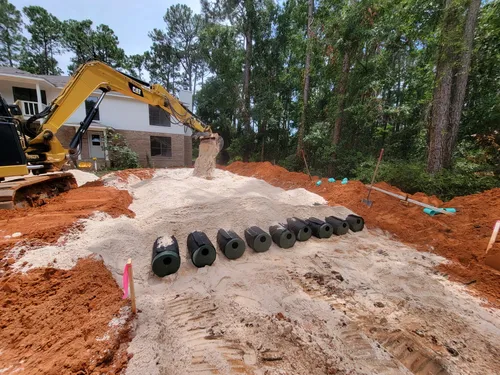
Once the permit is issued, your contractor will begin excavation and installation. However, the work cannot simply be covered up. The health department mandates inspections at key stages:
- Pre-Cover Inspection: After the tank, piping, and drain field are placed but before any backfilling, a county health inspector will visit to verify everything is installed according to the approved plans. They check for proper tank placement, pipe slope, and setback distances from wells, property lines, and water bodies 7.
- Final Approval: Only after the inspector passes the installation can the system be covered. The inspector then provides final approval, authorizing the system for use 8 9.
Find the perfect septic tank installation & replacement contractors for your needs
Get personalized recommendations and expert advice
Cost Factors for Septic Installation in Mobile
The total cost for a septic system installation or replacement in Mobile varies widely. It's not just the tank you're paying for, but the entire site-specific system. Key cost drivers include:
- Soil Conditions: This is the largest variable. A simple perc test leading to a standard system is at the lower end. Poor soil requiring an engineered system is the most significant cost adder.
- System Type: A conventional gravity septic system generally ranges between $3,000 and $7,000 for a full installation 10. An engineered septic system, often needed in coastal Alabama, can easily exceed $10,000 depending on its complexity 11 12.
- Tank Material and Size: Concrete tanks are traditional and heavy, while plastic tanks are lighter and resistant to corrosion. The cost difference is often marginal compared to other factors.
- Labor and Site Work: Extensive clearing, grading, or rock excavation increases costs. The distance from your home to the drain field also impacts piping costs.
Always get detailed, written estimates from multiple licensed contractors that break down design, permitting, materials, labor, and inspection fees.
When is Septic System Replacement Necessary?
Understanding when to replace an existing system can prevent property damage and health hazards. Consider replacement if you experience:
- Frequent backups or slow drains that aren't resolved by pumping.
- Soggy ground or standing water over the drain field, especially with foul odors.
- Sewage surfacing in your yard.
- Failed inspection during a property sale.
- Planning a major home addition that increases the number of bedrooms (and thus the required system capacity).
Replacement follows the same permit and installation process as a new installation. The old tank must be properly emptied and either removed or collapsed in place and backfilled.
Maintaining Your New Septic Investment
A properly installed system is a long-term investment. Protect it with responsible care:
- Pump Regularly: Have the tank pumped every 3-5 years by a licensed professional.
- Conserve Water: Spread out laundry loads and fix leaks to avoid overwhelming the drain field.
- Mind What You Flush: Only human waste and toilet paper. Never flush chemicals, wipes, or grease.
- Protect the Drain Field: Never drive or park over it, and plant only grass over the area.
Proper maintenance is the best way to avoid premature failure and the need for another costly replacement down the line 13.
Frequently asked questions
Sources
Footnotes
-
Gibson Engineering Services, LLC - Perc Test - Mobile, Alabama - https://gibsonengineeringservices.com/ ↩
-
rules of the state board of health - https://www.alabamapublichealth.gov/onsite/assets/onsitesewagedisposalrules.pdf ↩
-
Rule 420-3-1-.45 - Percolation Test Procedure - https://admincode.legislature.state.al.us/administrative-code/420-3-1-.45 ↩
-
MOBILE COUNTY PUBLIC WORKS - https://www.mobilecountyal.gov/uploads/PlumbingPermitApplication.pdf ↩
-
rules of state board of health - https://www.adph.org/onsite/assets/OnsiteSewageDisposalRules.pdf ↩
-
Alabama Septic Tank Requirements - https://www.ntotank.com/blog/alabama-septic-tank-requirements ↩
-
Septic Installation - https://milnerseptic.com/septic-installation ↩
-
Onsite Sewage Disposal | Alabama Department of Public Health - https://www.alabamapublichealth.gov/montgomery/sewage.html ↩
-
Septic System Install Timeline | RCI Septic Service - https://www.rciseptic.com/complete-step-by-step-timeline-septic-system-installation-from-permit-to-finish ↩
-
Our Process - KESS Environmental Services, LLC. - https://kessenvironmental.com/our-process/ ↩
-
Engineered Septic System Design: A Complete Guide - https://landperc.com/engineered-septic-system-design/ ↩
-
Engineered Septic Systems in Michigan: Costs, Maintenance, a 2026 Guide - https://www.michiganseptic.com/post/engineered-septic-systems-in-michigan-costs-maintenance-a-2026-guide ↩
-
Septic Tank Maintenance | Alabama Department of Public Health - https://www.alabamapublichealth.gov/onsite/maintenance.html ↩