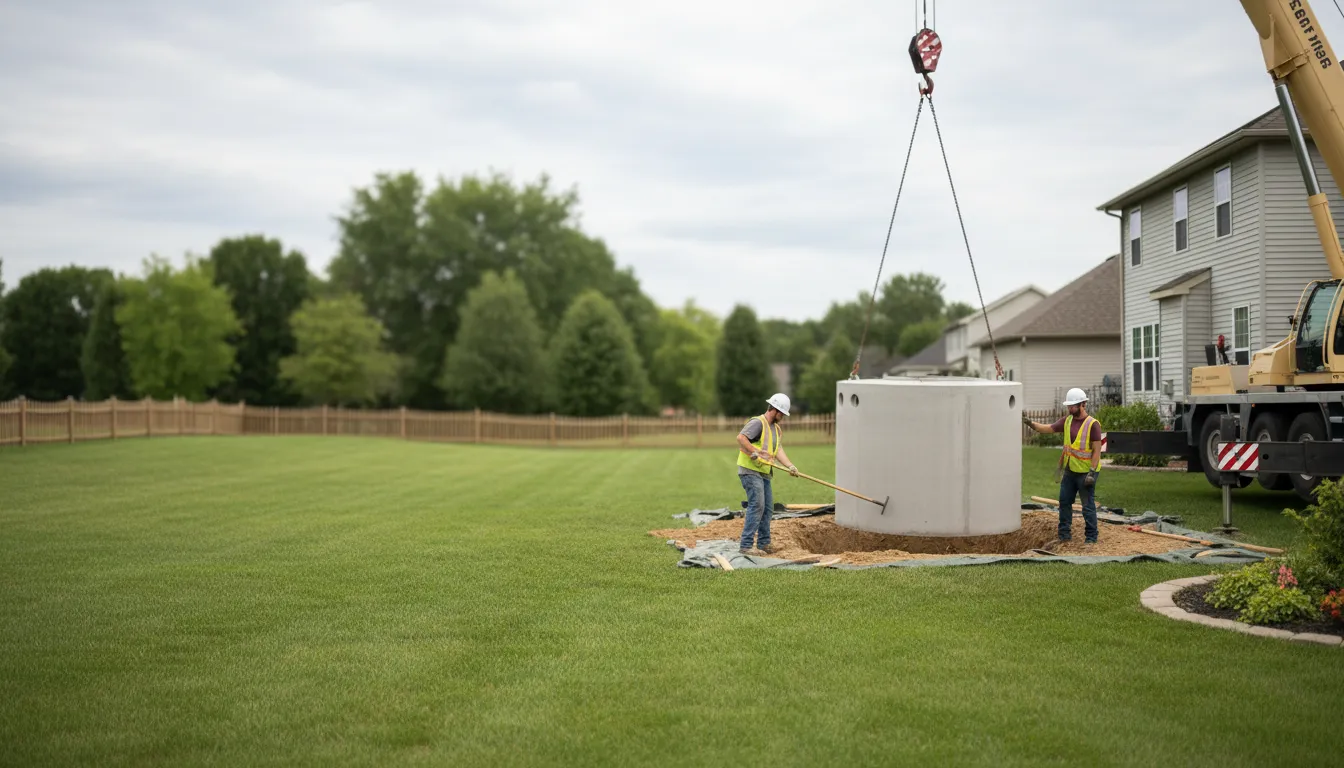
Find the Best Septic Tank Installation & Replacement Contractors for Your Business
No obligation • Fast responses • Nationwide coverage

Why you can trust Septic Spot
Septic Spot is a leading United States resource for understanding and comparing septic services. Our editors review providers using consistent criteria and verify key business details. Listings and scores are independent, and companies cannot pay to influence our content.
Search providers near you
Top Septic Tank Installation & Replacement Contractors in Huntsville, Alabama Ranked
Installing or replacing a septic system is a significant investment in your property's long-term functionality and environmental health. In Huntsville and Walker County, this process is regulated by the Texas Commission on Environmental Quality (TCEQ) and managed locally to protect groundwater and public safety. This guide explains the essential steps, costs, and local requirements for septic system installation and replacement, helping you understand how to connect with qualified, licensed professionals for your project.
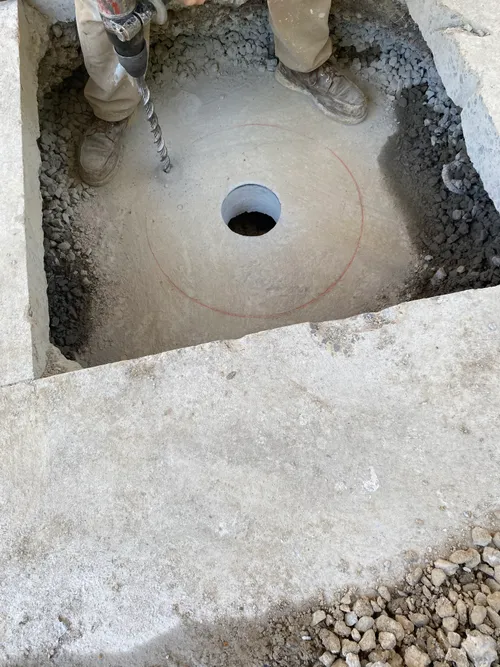
Bama Septic and Grease Trap Service
Huntsville, AL
Bama Septic and Grease Trap Service provides septic system services in Huntsville, AL. They offer septic tank pumping, inspections, installation, maintenance, and repair using modern equipment and technology. The company focuses on maintaining healthy and efficient septic systems for homes and the environment.
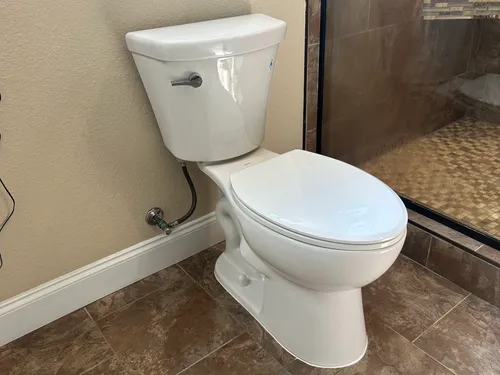
Jackson Plumbing and Septic
4963 E Broomtown Rd, Trion, GA 30753
Jackson Plumbing and Septic is a full-service plumbing and septic company based near Huntsville, AL, specializing in septic inspections, system installations, repairs, and plumbing services. They serve Trion, Georgia, and surrounding areas, offering comprehensive solutions including water heater services, sewage ejector pump maintenance, repiping, and water filtration. With over seven years of experience, Jackson Plumbing and Septic uses modern techniques and quality materials to ensure efficient and safe operation of home systems. They also provide 24/7 emergency plumbing services for urgent needs.

Volunteer Septic LLC
Huntsville, AL
Volunteer Septic LLC is an owner-operated septic service provider serving Marion County, TN, and surrounding areas. They offer a range of services including septic pumping, system installation, repairs, inspections, and backup solutions. With over 10 years of experience, the company is familiar with local regulations and soil conditions, ensuring installations and repairs meet regional requirements. Their team handles everything from routine maintenance to emergency repairs, focusing on quality workmanship and reliable system performance.
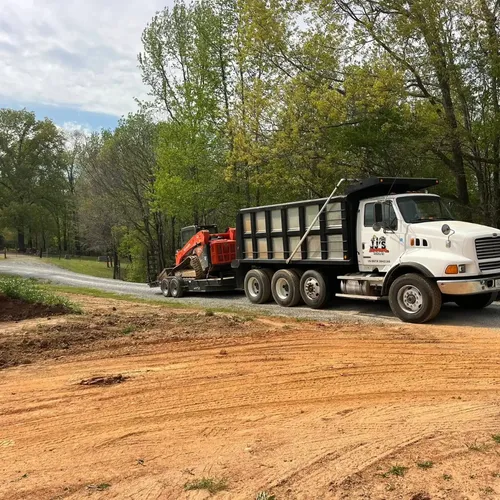
JJ’s Excavating LLC
Huntsville, AL
JJ's Excavating LLC is an excavation contractor based in Huntsville, AL, offering a range of land services including septic tank installation, grading, site preparation, land clearing, concrete surfaces, demolition, drainage solutions, and forestry mulching. The company serves homeowners, farmers, and businesses across Southern Tennessee, covering areas such as Elora, Huntland, Flintville, Kelso, and surrounding communities. With experience handling projects of various sizes, JJ's Excavating LLC provides dependable excavation and land management services.
Sep-Tek
Huntsville, AL
Sep-Tek is a veteran-owned septic service provider based in Huntsville, AL. They offer a full range of septic system services including installation for new and replacement systems, inspections, pumping, and repairs. Their team inspects tanks for leaks and sludge buildup, and they address issues such as clogged filters, damaged field lines, or plumbing leaks. Sep-Tek also provides emergency septic services to respond to urgent sewage problems.
Understanding the Local Regulatory Framework
In Texas, septic systems are formally known as On-Site Sewage Facilities (OSSFs). The TCEQ sets the statewide rules, but the permitting and enforcement are delegated to local "authorized agents." For properties within Huntsville city limits, the City of Huntsville handles permitting. For properties in the surrounding Walker County area, the Walker County Health Department acts as the local agent 1 2. You must obtain a permit from the correct local authority before any construction, modification, or repair begins on your wastewater system 2 3.
A key local restriction to be aware of is that metal septic tanks are prohibited in Texas 4 5. All new installations must use concrete or plastic tanks approved for subsurface sewage treatment.
The Step-by-Step Installation Process
1. Site Evaluation and Soil Testing
The first technical step is a thorough site evaluation conducted by a licensed site evaluator or professional engineer. This is not a simple visual inspection; it involves digging test pits and performing a percolation (perc) test.
- Percolation Test: This test measures the rate at which water drains through your soil. The results determine the soil's absorption capacity, which directly dictates the size and type of drain field your property can support.
- Soil Analysis: The evaluator will assess soil depth, type (e.g., heavy clay, loam, sand), and the seasonal high groundwater table. Properties in and around Huntsville often have clay-rich soils, which have slow permeability and significantly influence system design 6.
2. System Design and Permit Application
Once the site evaluation is complete, a licensed installer or engineer uses the data to design a system that meets TCEQ standards and local requirements. The design must account for the home's size (number of bedrooms), soil conditions, and topography.
You or your installer will then submit a permit application packet to the City of Huntsville or Walker County. This typically includes:
- A completed Development Permit Application.
- The detailed site plan and system design.
- The soil analysis report.
- Any required fees.
The review process usually takes up to 30 days. Never start digging before you have the permit in hand.
3. Choosing the Right Type of Septic System
The soil conditions on your lot will largely determine the appropriate system technology. The two primary types are:
- Conventional (Anaerobic) System: This is a gravity-fed system suitable for properties with good, permeable soil and sufficient space. Wastewater flows from the home to a septic tank, where solids settle. The liquid effluent then discharges into a subsurface drain field for final soil treatment.
- Aerobic Treatment Unit (ATU): Often required in Huntsville-area lots with poor soil (like heavy clay), high groundwater, or limited space. An ATU uses an aerator to pump oxygen into the treatment tank, stimulating bacteria that break down waste much more efficiently. The treated effluent is then dispersed via a spray field 7 8. These systems require annual maintenance contracts.
4. Installation and Critical Inspections
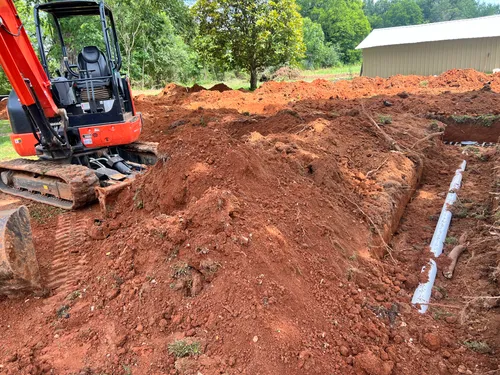
With a permit secured, licensed professionals can begin construction. The installation involves excavating for the tank and drain field, placing the tank, connecting plumbing from the house, and constructing the absorption field with perforated pipes in gravel-filled trenches.
Inspections are mandatory at key stages before components are covered with soil:
- Site/Pre-Construction Inspection: Verifies the system is staked according to the approved plan, with proper setbacks from property lines, wells, and structures (often a minimum of 100 feet from property lines) 9.
- Construction Inspection: Checks the integrity of the tank, proper pipe slopes, watertight seals, and, for aerobic systems, electrical connections.
- Final Inspection: Ensures all components, including pumps, alarms, and aerators, are operational.
After passing the final inspection, the local authority will issue a Certificate of Compliance, which is your official record that the system was installed correctly and legally 10 11.
Find the perfect septic tank installation & replacement contractors for your needs
Get personalized recommendations and expert advice
Cost Considerations for Huntsville Homeowners
The total cost for a new septic system installation varies widely based on system type, soil conditions, and lot characteristics. Here's a general breakdown based on Texas averages:
- Site Evaluation & Soil Test: $350 - $750
- Conventional Septic System Installation: $6,000 - $12,000+
- Aerobic System Installation: $12,000 - $20,000+
Remember that aerobic systems, while more expensive upfront, are frequently necessary for local soil conditions. They also carry an ongoing cost for a required annual maintenance contract, typically ranging from $400 to $800 per year, to ensure the mechanical components function correctly and the system remains in compliance 12.
When is Septic System Replacement Needed?
Replacement follows the same permit and installation process as a new installation. Common signs that your system may be failing and need replacement include:
- Sewage backups in the house or soggy, foul-smelling patches in the yard (especially over the drain field).
- Persistently slow-draining fixtures.
- Bright green, lush grass over the drain field while the rest of the yard is dry.
- The system is old (conventional systems can last 20-40 years, but components fail).
- You're planning a major home addition that increases the number of bedrooms and therefore the system's required capacity.
Replacement often involves a new site evaluation, as regulations and environmental standards have likely changed since your original system was installed.
Working with Licensed Professionals
Given the complexity of regulations and the technical precision required, hiring a licensed installer is non-negotiable. A licensed professional will:
- Understand the specific requirements of the City of Huntsville and Walker County.
- Conduct or subcontract the proper site evaluation.
- Prepare the correct design and permit paperwork.
- Schedule and coordinate the mandatory inspections.
- Install a system that meets all health and environmental codes.
Always verify a contractor's license with the TCEQ and check for local business credentials. A proper installation is your best defense against costly failures, environmental contamination, and legal issues down the road 13 14.
Frequently asked questions
Sources
Footnotes
-
Basics for Septic Systems - https://www.tceq.texas.gov/assistance/water/fyiossfs.html ↩
-
Getting a Permit for an OSSF - Such as a Septic System - Texas Commission on Environmental Quality - https://www.tceq.texas.gov/permitting/ossf/ossfpermits.html ↩ ↩2
-
What laws in Texas apply to septic systems? - Water School - https://brazos.org/about-us/education/water-school/articleid/349/what-laws-in-texas-apply-to-septic-systems ↩
-
Septic Tank Laws in Texas - https://dillonseptic.com/septic-tank-laws-in-texas/ ↩
-
30 Tex. Admin. Code § 285.32 - Criteria for Sewage Treatment ... - https://www.law.cornell.edu/regulations/texas/30-Tex-Admin-Code-SS-285-32 ↩
-
Complete Septic System Installation: Process, Permits, And Pitfalls - https://www.theseptictankman.com/blog/complete-septic-system-installation-process-permits-and-pitfalls ↩
-
Texas Septic Tank Rules - https://dillonseptic.com/texas-septic-tank-rules/ ↩
-
Septic System Installation Checklist - https://www.mecindustries.com/morse-engineering-and-construction-industries/septic-system-installation-checklist ↩
-
The Ultimate Guide to Septic System Installation Process - https://septic911.com/septic-system-installation-process/ ↩
-
Development Guide - Huntsville, TX - https://www.huntsvilletx.gov/630/Development-Guide ↩
-
Installing a Septic System at Your Home: What the Process ... - https://brighteyestexas.com/installing-a-septic-system-at-your-home-what-the-process-looks-like/ ↩
-
Texas Septic Systems & OSSF Requirements | 2026 Guide - https://texaslandbrokerage.com/resources/texas-septic-systems-ossf-requirements-guide/ ↩
-
Texas Septic System Regulations - https://dillonseptic.com/texas-septic-system-regulations/ ↩
-
Advice for an Owner of an On-Site Sewage Facility (Septic System) - https://www.tceq.texas.gov/permitting/ossf/ossfadvice.html ↩