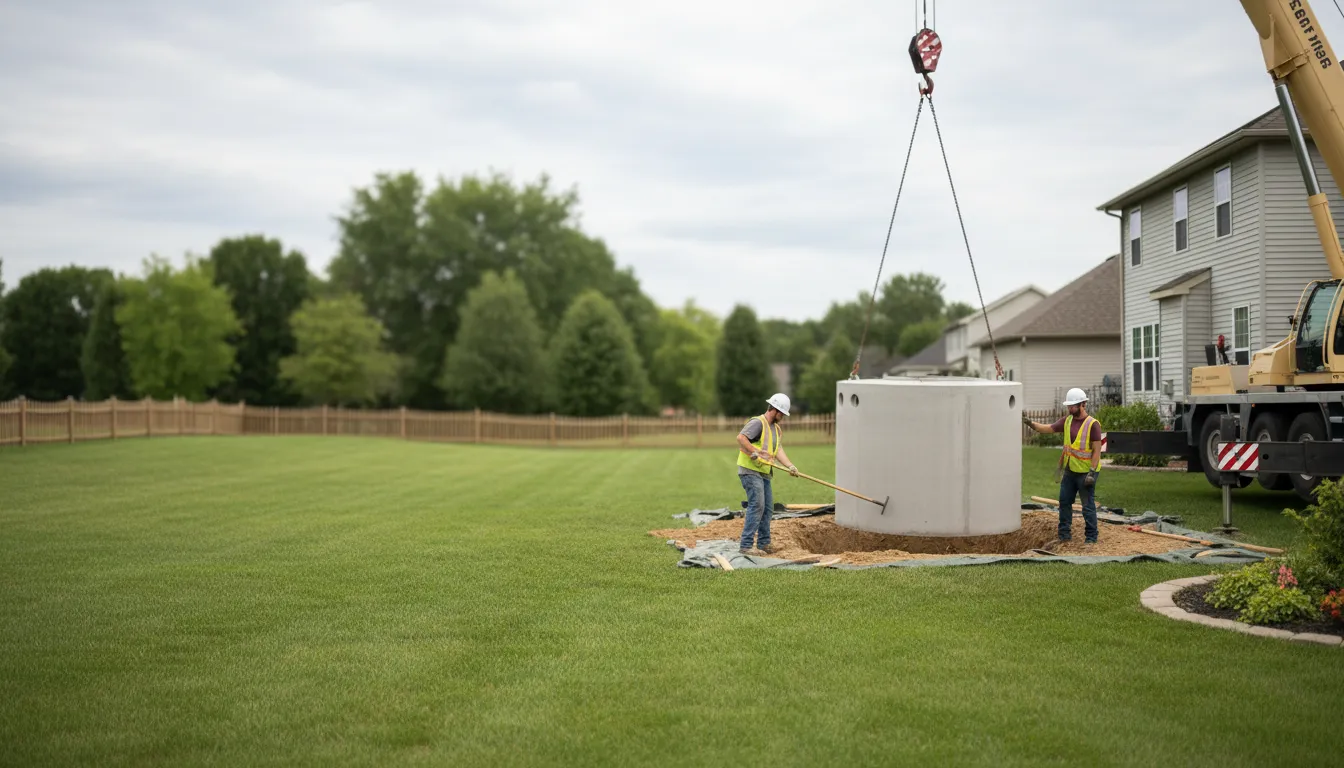
Find the Best Septic Tank Installation & Replacement Contractors for Your Business
No obligation • Fast responses • Nationwide coverage

Why you can trust Septic Spot
Septic Spot is a leading United States resource for understanding and comparing septic services. Our editors review providers using consistent criteria and verify key business details. Listings and scores are independent, and companies cannot pay to influence our content.
Search providers near you
Top Septic Tank Installation & Replacement Contractors in Madison, Alabama Ranked
Installing or replacing a septic system is a significant investment in your Alabama property's long-term functionality and value. This process is highly regulated to protect public health and the environment, requiring permits, licensed professionals, and adherence to strict design and construction standards. Understanding the steps, costs, and regulations involved can help you navigate the project smoothly and find qualified local experts to ensure your system is built to last.
Bama Septic and Grease Trap Service
Huntsville, AL
Bama Septic and Grease Trap Service provides septic system services in Huntsville, AL. They offer septic tank pumping, inspections, installation, maintenance, and repair using modern equipment and technology. The company focuses on maintaining healthy and efficient septic systems for homes and the environment.
JJ’s Excavating LLC
Huntsville, AL
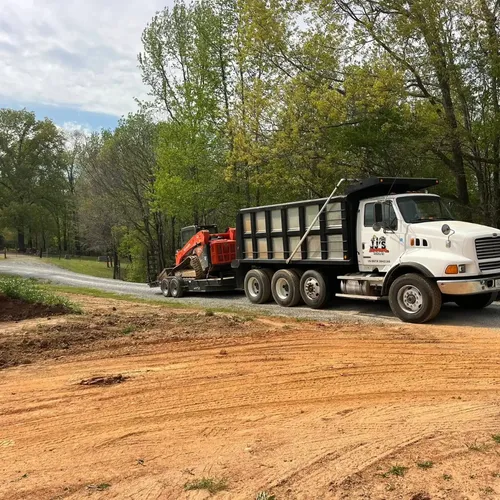
JJ's Excavating LLC is an excavation contractor based in Huntsville, AL, offering a range of land services including septic tank installation, grading, site preparation, land clearing, concrete surfaces, demolition, drainage solutions, and forestry mulching. The company serves homeowners, farmers, and businesses across Southern Tennessee, covering areas such as Elora, Huntland, Flintville, Kelso, and surrounding communities. With experience handling projects of various sizes, JJ's Excavating LLC provides dependable excavation and land management services.
Sep-Tek
Huntsville, AL
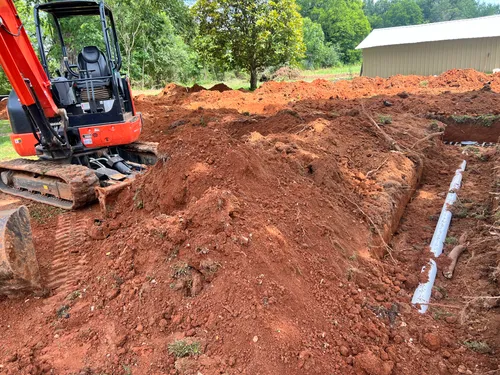
Sep-Tek is a veteran-owned septic service provider based in Huntsville, AL. They offer a full range of septic system services including installation for new and replacement systems, inspections, pumping, and repairs. Their team inspects tanks for leaks and sludge buildup, and they address issues such as clogged filters, damaged field lines, or plumbing leaks. Sep-Tek also provides emergency septic services to respond to urgent sewage problems.
Ames Septic & Excavation LLC
Huntsville, AL
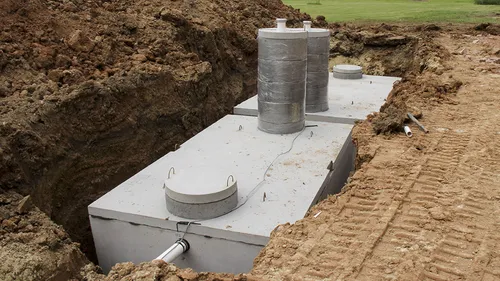
Ames Septic & Excavation LLC provides excavation and septic system services in Huntsville, AL, and surrounding areas including Harvest and Ardmore. With over eight years of experience, this family-owned business offers septic system installation, repair, and maintenance, as well as site preparation and dump truck services. They also specialize in grease trap installation, maintenance, and de-watering for food service businesses. The company is fully licensed and insured, uses quality materials, and offers a one-year labor warranty on septic services.
Superior Septic Solution LLC
20902 Loggins Rd, Athens, AL 35614
Superior Septic Solution LLC is a locally owned septic service company based near Huntsville, AL. They provide septic tank pumping, system repairs, new installations, and grease trap cleanouts for residential and commercial clients. Serving North Alabama and surrounding regions, the company is licensed, insured, and offers 24/7 availability to address septic system needs. With years of experience, they focus on delivering reliable septic solutions and personalized consultations.
Alabama Regulations and Permit Requirements
All septic system installations and replacements in Alabama are governed by the Alabama Department of Public Health (ADPH) and its Onsite Sewage Program. Before any work begins, you must secure a "Permit to Install or Repair" from your Local Health Department (LHD). This is a non-negotiable first step. The permit process ensures your proposed system meets state and local codes based on a proper site evaluation.
Crucially, all installers, pumpers, and soil classifiers must be licensed by the Alabama Onsite Wastewater Board (AOWB)1 2. Hiring an unlicensed individual is illegal and can result in an improper installation that fails inspection, leading to costly repairs and potential environmental hazards. Always verify a contractor's AOWB license status before signing a contract.
The Installation Process: Step-by-Step
A successful septic system project follows a defined sequence of events.
-
Site Evaluation and Soil Testing: This is the foundational step. A licensed soil classifier or professional engineer must evaluate your property. They perform tests, such as a percolation (perc) test, to determine the soil's absorption rate, depth to bedrock, and seasonal high-water table 3. This data directly dictates the type and size of system your land can support.
-
System Design and Permit Application: Using the site evaluation data, a designer (often the installer or an engineer) creates a system plan. This plan specifies the tank size, drain field layout, and materials. The design and permit application are submitted to your LHD for review and approval.
-
Installation by a Licensed Professional: Once the permit is issued, your AOWB-licensed installer can begin work. They will excavate, place the tank on a level, firm, and compacted base, and construct the absorption field according to the approved plans4 5. Key installation standards include using precast concrete tanks with specific lid thickness requirements (3-inch minimum for tanks under 1,200 gallons, 4-inch for larger)4.
-
Inspections and Final Approval: The LHD inspector will visit the site at critical stages, typically before the tank and drain field are covered6. After installation is complete and passes a final inspection, you will receive an "Approval for Use" certificate7. This document is essential for property transactions and confirms your system is legally operational.
Key Design and Siting Factors
Your system's design isn't arbitrary; it's engineered based on specific property and household characteristics.
- Tank Sizing: In Alabama, tank capacity is primarily based on the number of bedrooms in the home, which estimates daily wastewater flow. An undersized tank will require pumping too frequently, while an oversized one may not function properly.
- System Location: State rules mandate strict setback distances. The septic system must be located at least 100 feet from any water well and 50 feet from streams or other water bodies. It should also be situated downhill from the well if possible. The drain field must be in an area free of large trees to prevent root intrusion.
- Soil Type: Alabama's varied soils-from sandy coastal plains to heavy clay-are the most critical factor. Poorly draining soil may require a larger drain field, advanced treatment components, or even a different system type altogether, such as an aerobic treatment unit (ATU)8 9.
Find the perfect septic tank installation & replacement contractors for your needs
Get personalized recommendations and expert advice
Understanding Costs for Installation and Replacement
The cost of a new septic system in Alabama varies widely based on system type, soil conditions, tank size, and labor. For a conventional gravity-fed system, homeowners can generally expect a total cost range between $5,000 and $15,000 or more. This range typically includes:
- Permit Fees: Paid to the local health department, usually between $150 and $50010 11.
- Site Evaluation & Design: Fees for the soil classifier and system design.
- Materials: Cost of the septic tank, piping, gravel, and other components.
- Labor: Excavation, installation, and backfilling by the licensed contractor.
More complex systems for challenging sites, like mound systems or aerobic units, can significantly increase the price. Replacing a failed system often costs as much as or more than a new installation due to the added expense of removing the old system and potentially working in a compromised area.
Maintenance for Longevity
A properly installed system is only the beginning. Protecting your investment requires consistent care.
- Regular Pumping: Have the tank pumped by a licensed pumper every 3 to 5 years, depending on household size and usage.
- Annual Inspections: Check the tank, drains, and distribution box yearly for signs of issues like leaks or backups.
- Protect the Drain Field: Never drive or park vehicles, build structures, or plant trees and shrubs over the absorption field. Compaction and roots are leading causes of system failure12 13.
- Mind What You Flush: Only human waste and toilet paper should go down the drain. Avoid chemicals, grease, wipes, and other non-biodegradables.
Choosing the right professional for your Alabama septic installation is about more than just price. It's about ensuring compliance, proper engineering, and a system that serves your home reliably for decades.
Frequently asked questions
Sources
Footnotes
-
What is the process and cost of installing a septic tank on a lakefront ... ↩
-
Rule 420-3-1-.20 - Tank Installation - Alabama Administrative Code ↩ ↩2
-
Septic System Inspection: What to Expect During an OSS Inspection ↩
-
Septic Tank Systems - Alabama Department of Public Health (ADPH) ↩
-
Alabama Administrative Code, Section 420-3-1-.17 - Septic Tank ... ↩
-
How Much Does It Cost To Install A Septic Tank In Alabama? ↩
-
Septic Tank Maintenance | Alabama Department of Public Health (ADPH) ↩