Find the Best Septic Tank Installation & Replacement Contractors for Your Business
No obligation • Fast responses • Nationwide coverage

Why you can trust Septic Spot
Septic Spot is a leading United States resource for understanding and comparing septic services. Our editors review providers using consistent criteria and verify key business details. Listings and scores are independent, and companies cannot pay to influence our content.
Search providers near you
Top Septic Tank Installation & Replacement Contractors in Avondale, Arizona Ranked
Installing or replacing a septic system is a significant investment in your property's long-term functionality and environmental health. For homes in Avondale not connected to municipal sewer lines, a properly designed and permitted septic system is essential for safely managing household wastewater. This guide explains the local process, regulations, and costs to help you navigate your project and connect with qualified, licensed professionals in the area.
Simply Rooter and Septic Mesa
236 S Alma School Rd, Mesa, AZ 85210
Simply Rooter and Septic Mesa is a family-owned company providing septic system installation, repair, pumping, and inspection services in Phoenix, AZ, and the surrounding areas including Maricopa and Mesa. With over 25 years of experience, they specialize in advanced septic system solutions tailored to local environmental and regulatory conditions. Their services include emergency septic repairs available 24/7, using precise engineering and diagnostic methods to ensure long-term system performance and environmental responsibility.
AZ Septic Works
220 N 4th St Suite 2, Buckeye, AZ 85326
AZ Septic Works is a licensed and ADEQ-certified septic service provider based near Phoenix, AZ. They offer a range of services including septic tank pumping, inspections, repairs, and full system installations for both residential and commercial properties. The company understands local soil conditions and regulations, ensuring compliance and effective system management. AZ Septic Works emphasizes clear communication and tailored maintenance plans to help prevent system failures and maintain long-term functionality. Their expertise covers everything from routine inspections to emergency pumping and new system design and installation.
A-American Septic Service
1737 E Jackson St, Phoenix, AZ 85034
A-American Septic Service provides residential and commercial septic tank services in Phoenix, AZ. Their offerings include septic tank inspections, pumping, cleaning, maintenance, repair, installation, and design. The company also handles grease trap cleaning and preventative maintenance. A-American Septic Service works directly with clients to assess and address their septic system needs.
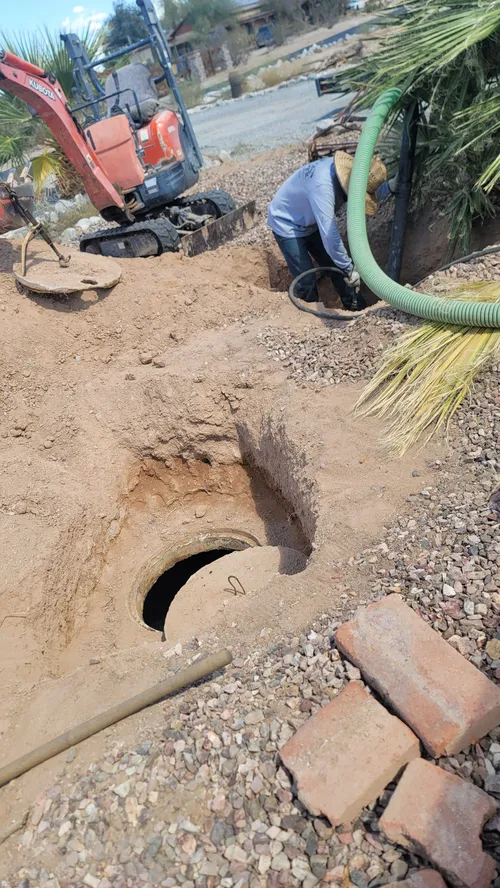
Ducks Septic Pump & Install
826 Monroe Ave #2908, Buckeye, AZ 85326
Ducks Septic Pump & Install is a septic service company based in Phoenix, AZ. They offer a range of services including septic tank pumping, inspection, repair, and installation. Their pumping services cover septic tanks, sand traps, grease traps, sewer plants, cooling towers, ponds, pools, storm drains, and other water collection areas. They also handle septic system design, maintenance, repairs, sewer tie-ins, and excavation services.
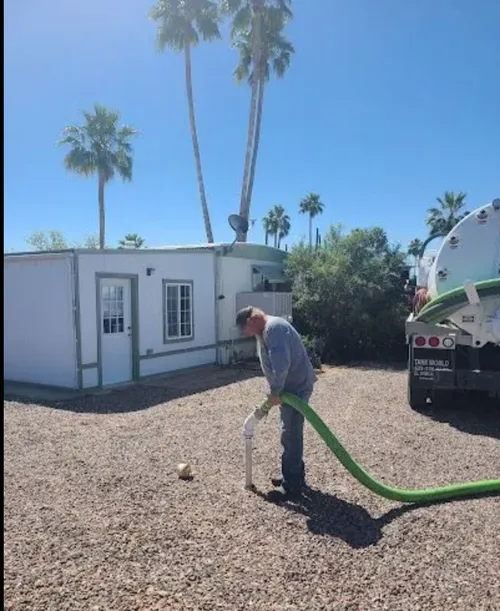
Arizona Pumping
Phoenix, AZ
Arizona Pumping is a septic tank pumping, installation, and repair company serving Phoenix, AZ, and surrounding areas including Apache Junction. Owned and operated by Cade, who has over 30 years of experience, the company offers comprehensive septic services for both residential and commercial clients. Their capabilities include septic system installations, maintenance, repairs, sewer taps, and septic tank excavating. Arizona Pumping focuses on providing personalized, hands-on service with attention to detail, ensuring septic systems operate efficiently and reliably.
Understanding Septic System Basics in Avondale
A septic system is an onsite wastewater treatment system, typically consisting of a tank and a soil absorption field (often called a drainfield or leach field). In Avondale, all such systems are regulated by the Maricopa County Environmental Services Department under guidelines set by the Arizona Department of Environmental Quality (ADEQ). The primary goal is to protect public health and groundwater by ensuring wastewater is adequately treated before re-entering the environment. Whether you're building a new home on a vacant lot or replacing a failing system, understanding this regulated process is the first step toward a successful installation.
The Regulatory Landscape: Permits and Approvals
You cannot legally begin excavation for a new septic tank or system replacement in Avondale without the proper permits. The regulatory process is designed to ensure the system is appropriate for your specific property conditions.
- Governing Bodies: All septic work falls under the jurisdiction of Maricopa County Environmental Services Department. They enforce state standards from the ADEQ 1.
- The Permit Application: The formal process starts with submitting a Notice of Intent to Construct to the county. This application must include engineered plans for the proposed system.
- Licensing Requirement: It is illegal and risky to hire an unlicensed contractor for this work. In Arizona, septic system contractors must hold a specific CR-41 license for onsite wastewater treatment. Always verify this license before signing a contract.
Step-by-Step: The Installation Process
From initial evaluation to final inspection, a full septic system installation follows a defined sequence. Here's what you can expect from start to finish.
1. Site and Soil Evaluation (The "Perc Test")
This is the critical first technical step. A qualified professional, such as a soils engineer or geologist, must conduct a soil percolation test (commonly called a perc test) on your property. This test determines the soil's absorption rate by measuring how quickly water drains through a test hole. The results dictate the type and size of system your property can support and are a mandatory part of the permit application.
2. System Design and Plan Submission
Based on the soil evaluation, an engineer designs the septic system. The design specifies the tank capacity, the layout and size of the drainfield, and whether a conventional or alternative system is needed. These engineered plans are then submitted to Maricopa County as part of the permit application package for review and approval 2.
3. Excavation and Installation
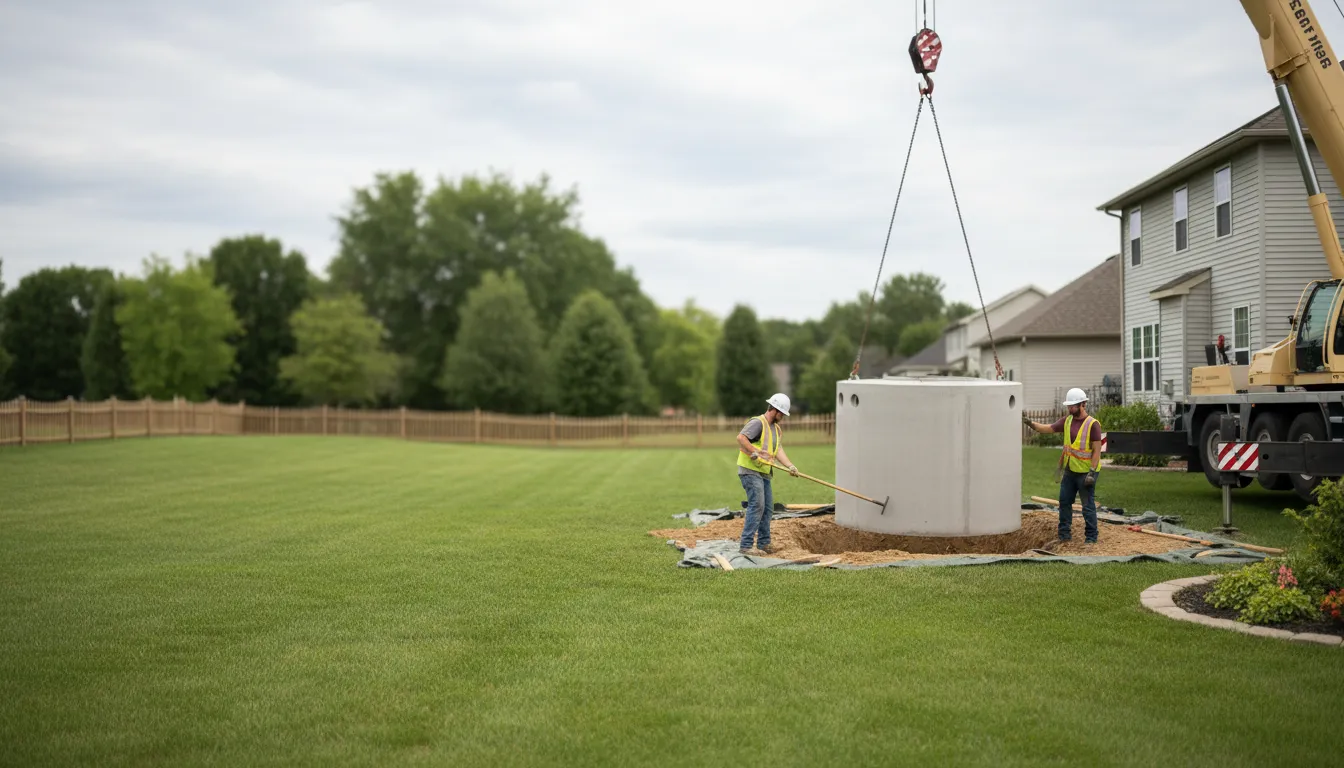
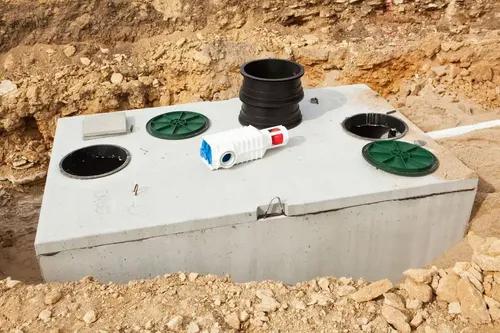
Once permits are in hand, the physical installation begins. The contractor will excavate for the septic tank and the drainfield lines. The tank is set and leveled, and all piping is connected. For replacement projects, this phase also includes the proper abandonment and removal of the old, failing system.
4. Mandatory County Inspection
Before the tank and drainfield trenches are backfilled with soil, a mandatory inspection by a Maricopa County official is required 3 4. The inspector verifies that the installation matches the approved plans, that all components are properly installed, and that the work meets code. Passing this inspection is crucial for final approval.
5. Final Backfill and System Start-Up
After the inspection is passed, the contractor can backfill the excavations. The system is then ready for use. Your installer should provide you with a detailed "as-built" diagram of the system's location and guidance on proper maintenance to ensure its longevity.
Find the perfect septic tank installation & replacement contractors for your needs
Get personalized recommendations and expert advice
Types of Septic Systems Used in Avondale
The type of system installed depends almost entirely on the results of the soil percolation test.
- Conventional Gravity Systems: This is the most common type where suitable soil exists. Wastewater flows by gravity from the tank into a network of perforated pipes in a drainfield, where it slowly percolates into the soil for final treatment.
- Alternative (Engineered) Systems: If the soil percolation rate is too slow or too fast, or if the water table is high, a conventional system won't work. In these cases, an alternative system like a mound system or other advanced treatment design will be required 5 6. These systems are more complex and typically more expensive to install.
Cost Breakdown for Installation and Replacement
The total cost for a new septic system or a full replacement in Avondale can vary widely based on soil conditions, system type, and property size. Here is a general breakdown of the expenses involved 7:
- Soil Percolation Test: $300 - $1,000+. This is a separate professional fee paid to the engineer or geologist conducting the evaluation.
- Permit Fees (Maricopa County): $205 - $1,050. The fee depends on the complexity of the system being permitted, with reviews for alternative systems costing more 8.
- Full System Installation/Replacement: $5,000 - $20,000+. This is the contractor's cost for a standard conventional system. Alternative systems (like mound systems) or projects with difficult access can exceed this range 9.
- Inspection Fees: These are often included within the county's permit fee structure.
Choosing a Licensed Contractor
Selecting the right professional is the most important decision you'll make. Here are key points to consider:
- Verify the CR-41 License: Confirm the contractor's Arizona CR-41 Onsite Wastewater Treatment license is current and in good standing 10 11.
- Check References and Reviews: Ask for local references in the Avondale area and read online reviews about their installation work.
- Get Detailed, Written Estimates: Obtain at least three written estimates that break down costs for materials, labor, permit pulling, and any engineering fees.
- Ask About Experience with Local Soil: Avondale's soil can be challenging. Choose a contractor with proven experience installing systems under Maricopa County's specific regulations.
Maintaining Your New Investment
A new septic system is a major investment that can last decades with proper care. Key maintenance includes pumping the tank every 3-5 years (depending on household size), conserving water to avoid overloading the system, and never flushing harmful chemicals or non-biodegradable materials. Protect your drainfield by never driving or parking heavy vehicles over it and planting only grass in the area.
Frequently asked questions
Sources
Footnotes
-
Arizona Septic Tank Requirements | Onsite Wastewater Management System ↩
-
Complete Septic System Installation: Process, Permits, And Pitfalls ↩
-
Septic System Approval: Percolation Test & Expert Guidance ↩
-
How Much Does a Septic System & Septic Tank Cost - NexGen Septics ↩
-
Arizona Septic License & Certification | 2024 Contractor Guide ↩
-
Arizona Septic License & Certification | 2024 Contractor Guide ↩