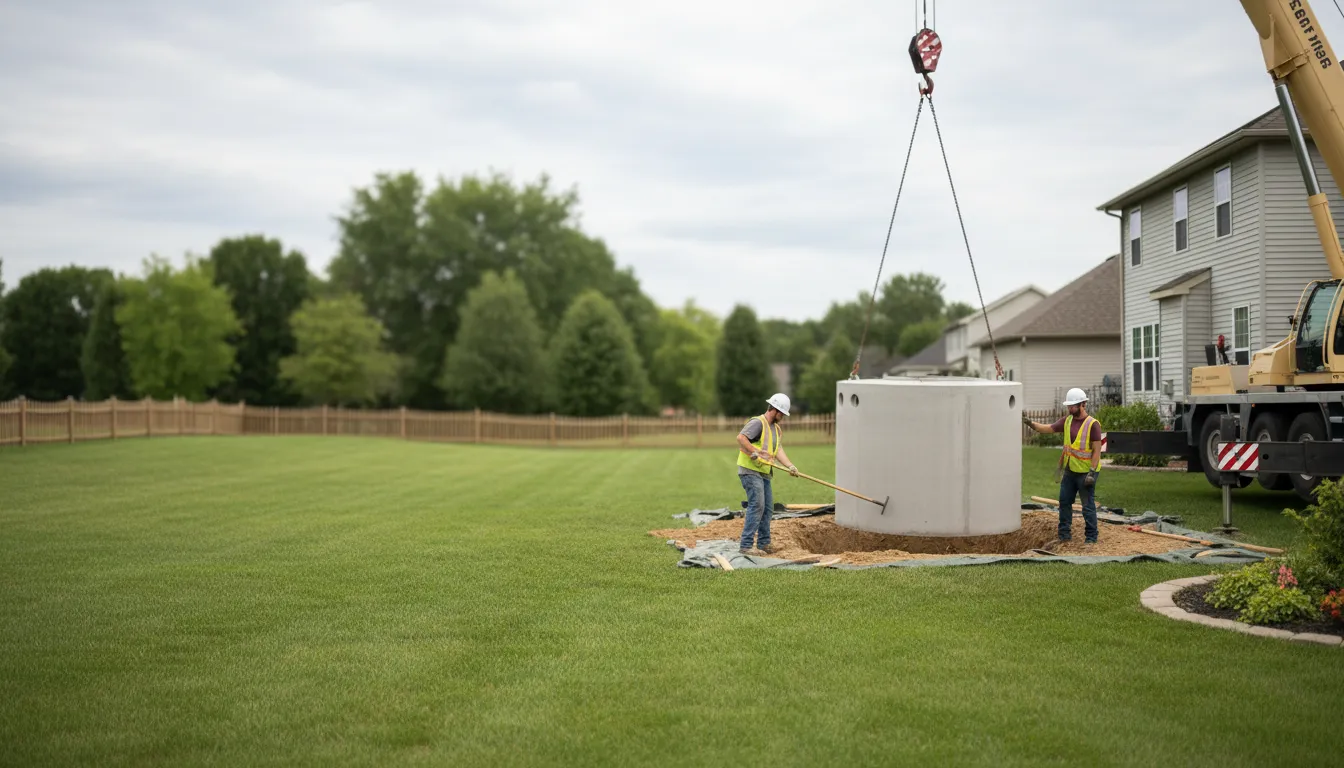
Find the Best Septic Tank Installation & Replacement Contractors for Your Business
No obligation • Fast responses • Nationwide coverage

Why you can trust Septic Spot
Septic Spot is a leading United States resource for understanding and comparing septic services. Our editors review providers using consistent criteria and verify key business details. Listings and scores are independent, and companies cannot pay to influence our content.
Search providers near you
Top Septic Tank Installation & Replacement Contractors in Phoenix, Arizona Ranked
Installing or replacing a septic system is a significant home infrastructure project that requires careful planning, professional expertise, and strict adherence to local regulations. In Phoenix, this process is governed by the Maricopa County Environmental Services Department (MCESD) and the Arizona Department of Environmental Quality (ADEQ) to protect public health and the desert environment. This guide explains the key steps, costs, and regulations for septic system installation and replacement in the Phoenix area, helping you understand what to expect and how to connect with qualified local professionals for your project.

Priority Pumping
2480 S Higley Rd, Gilbert, AZ 85295
Priority Pumping, now operating as HomeField Onsite Environmental, provides septic tank pumping, inspections, and installations in Phoenix, AZ. The company also offers services for grease traps and advanced wastewater management. Their certified technicians deliver tailored solutions to maintain and improve septic and wastewater systems. As a local, woman-owned business, they emphasize education and community support. The team is known for its skilled, certified professionals and positive approach to customer service.

Canyon State Septic LLC
Phoenix, AZ
Canyon State Septic LLC is a septic service provider located in Phoenix, AZ. The company offers a range of services including septic tank pumping, inspections for certified transfer of ownership, installations, excavation, and septic pump repair or replacement. They hold certifications such as NAWT# 14870ITC and ADEQ# 2673, indicating compliance with industry standards.

Sewer Time Septic & Drain
33645 N Cave Creek Rd, Cave Creek, AZ 85331
Sewer Time Septic & Drain is a licensed septic and plumbing contractor serving the Phoenix, AZ area. They provide a range of services including septic tank pumping, inspections, system repairs, and full installations for residential and commercial properties. Their certified technicians handle soil and percolation testing, system design, permitting, grease trap cleaning, and lift station maintenance. Sewer Time offers same-day service and 24/7 plumbing support for emergencies and new construction projects.
JT's Septic
3026 S Third St, Humboldt, AZ 86329
JT's Septic is a septic tank pumping, inspection, repair, and installation company serving Phoenix, AZ. With over 30 years of experience and a family legacy dating back to 1994, they provide septic services focused on long-term system care and maintenance. Their capabilities include emergency septic services, routine pumping, system repairs, and thoughtful design and installation of septic systems. JT's Septic emphasizes clear communication and education to help homeowners make informed decisions about their septic care.
Simply Rooter and Septic Mesa
236 S Alma School Rd, Mesa, AZ 85210
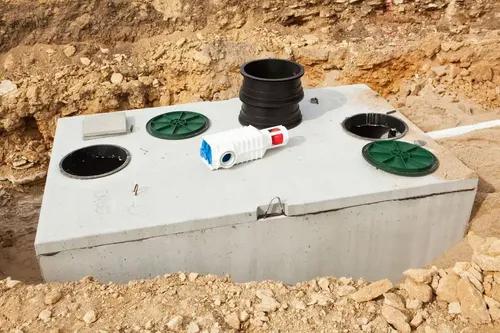
Simply Rooter and Septic Mesa is a family-owned company providing septic system installation, repair, pumping, and inspection services in Phoenix, AZ, and the surrounding areas including Maricopa and Mesa. With over 25 years of experience, they specialize in advanced septic system solutions tailored to local environmental and regulatory conditions. Their services include emergency septic repairs available 24/7, using precise engineering and diagnostic methods to ensure long-term system performance and environmental responsibility.
Understanding the Regulatory Framework
In Maricopa County, all new septic system installations and major replacements require a permit. The primary regulatory instrument is the Type 4 General Permit issued by ADEQ, which covers residential systems with a design flow of less than 24,000 gallons per day. The MCESD is the local agency that administers this permit process, conducting reviews, issuing approvals, and performing mandatory inspections.
Key regulations include a mandatory two-year warranty on new installations and a requirement for a system inspection during real estate transfers. Working with a licensed septic contractor who is familiar with these local codes is not just recommended-it's essential for a legal and functional installation.
The Step-by-Step Installation Process
A successful septic system project in Phoenix follows a defined sequence from evaluation to final approval. Skipping or rushing any step can lead to permit denials, system failures, or costly corrections.
Phase 1: Site and Soil Evaluation
Before any design work can begin, a professional must evaluate your property's soil. This site investigation determines the soil's absorption rate (SAR), which dictates the size and type of leach field needed.
- The Test: A standard evaluation involves digging at least three test pits-two within the proposed disposal field area and one in a designated reserve area for future expansion.
- Who Can Perform It: This critical evaluation must be conducted by qualified professionals, including MCESD staff, Arizona-registered engineers, geologists, or certified sanitarians 1.
- Outcome: The soil percolation (perc) test results directly inform the system's engineering design. Poor drainage may require a larger leach field or a more advanced (and costly) aerobic treatment unit (ATU).
Phase 2: System Design and Permit Submission
With soil data in hand, a septic designer creates detailed plans for your system. This package is submitted to MCESD as part of a Notice of Intent to Construct (NOID) 2 3.
- Design Elements: The plan specifies the tank size, leach field layout, pipe slopes, and materials. For replacements, the designer must show how the new system addresses the failure of the old one.
- Permit Review: MCESD reviews the submission for compliance with all regulations. Approval times can range from 10 business days to three months, depending on complexity and county workload.
Phase 3: Installation and Inspection
Once the permit is approved, a licensed contractor can begin construction. A crucial rule: you must call Arizona 811 at least two business days before digging to have all underground utility lines marked.
- Installation Best Practices: The septic tank should be set on a stable, level base, often a 6-inch bed of pea gravel or sand, especially if the native soil contains large rocks 4. All components must be placed precisely according to the approved design plan.
- The Critical Pre-Cover Inspection: Before the tank and leach field trenches are backfilled, the contractor must notify MCESD for a pre-cover inspection 5. An inspector will verify:
- Tank placement, level, and inlet/outlet connections.
- Proper construction of the leach field (trenches, chambers, or gravel).
- Correct installation of distribution boxes.
- That all access openings (lids, risers) are brought to within six inches of the final grade 6.
Find the perfect septic tank installation & replacement contractors for your needs
Get personalized recommendations and expert advice
Phase 4: Final Approval and Warranty
After passing the pre-cover inspection, the system can be backfilled. The final step is filing a Notice of Intent to Discharge with MCESD, which provides the official authorization to use the system 7 8. Remember, the installer is required by law to provide a two-year warranty on the new installation 8.
Cost Breakdown for Phoenix Installations
The total cost for a new septic system in Phoenix is highly variable, but generally falls within a predictable range based on system type and soil conditions.
- Permit Fees: Paid to MCESD, these typically range from $150 to $500.
- Site Survey & Soil Test: The essential Phase 1 evaluation usually costs between $330 and $900.
- Conventional System Installation: For a standard anaerobic system with a gravity-fed drain field, installation labor and materials often range from $3,000 to $8,000 9.
- Total Project Cost: Combining all elements, a complete conventional septic system installation in Phoenix frequently totals between $5,000 and $15,000 10.
- Advanced/Aerobic Systems: If poor soil conditions require an Aerobic Treatment Unit (ATU)-which uses oxygen to treat wastewater more thoroughly-costs can rise significantly to $10,000 to $20,000 or more 11 12.
When is Replacement Necessary?
Understanding when to repair versus replace your septic system can save you money and prevent environmental hazards.
- System Failure: Persistent surfacing of wastewater, soggy drain fields, sewage backups into the home, and foul odors are clear signs of failure.
- Home Expansion: Adding bedrooms or increasing water usage beyond the original system's design capacity often necessitates an upgrade.
- Property Sale: Maricopa County requires a septic system inspection prior to the sale of a home with an onsite wastewater system 13 14. A failing system discovered during this inspection will likely need replacement to complete the sale.
- Age: While well-maintained systems can last decades, components eventually wear out. An old system with recurring issues may be more cost-effective to replace.
Replacement follows the same permit and inspection process as a new installation. The designer must prove the old system has failed and that the new design corrects the issue.
Choosing the Right Professional
Given the technical and regulatory complexity, your choice of contractor is paramount. Look for professionals who:
- Hold current Arizona licensing for septic system installation.
- Have extensive experience with MCESD permitting and inspections.
- Can provide references from recent projects in the Phoenix area.
- Offer clear, detailed written estimates that break down design, permit, installation, and inspection fees.
- Will obtain all necessary permits and coordinate inspections on your behalf.