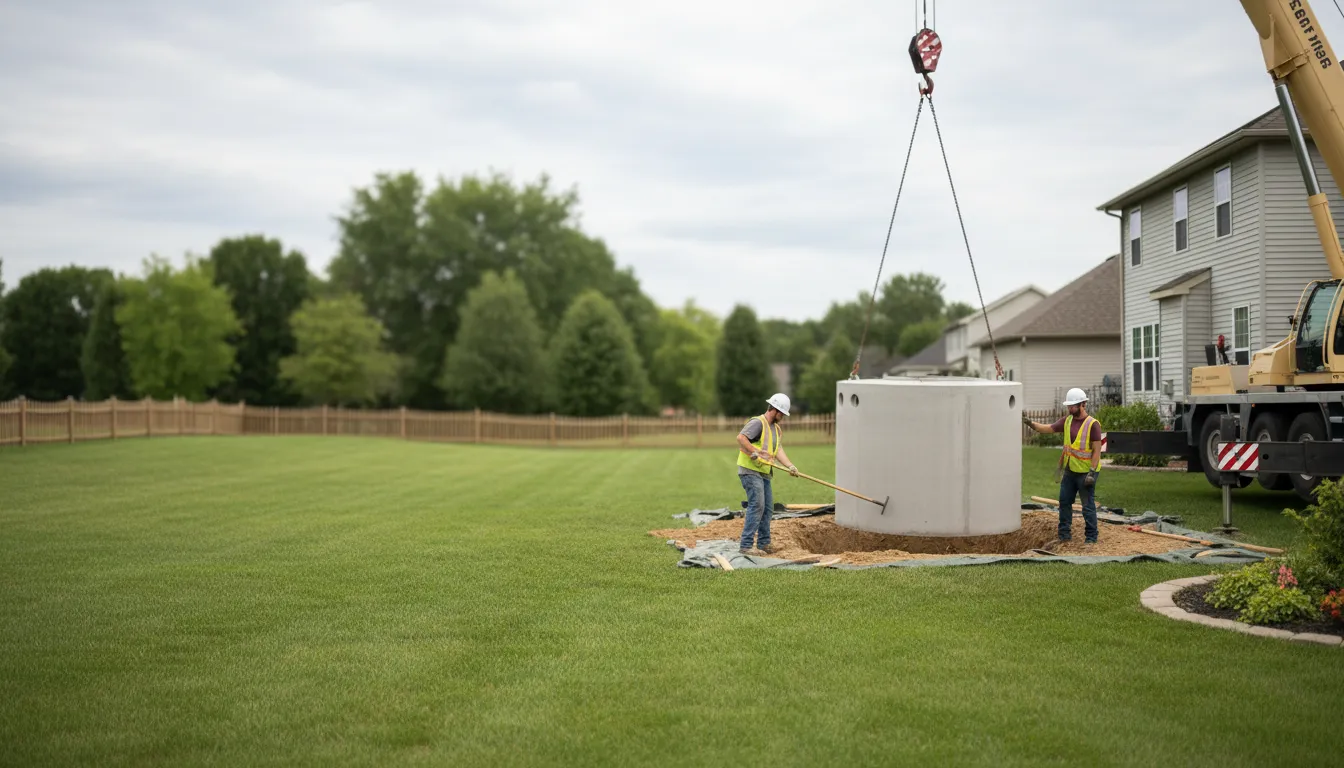
Find the Best Septic Tank Installation & Replacement Contractors for Your Business
No obligation • Fast responses • Nationwide coverage

Why you can trust Septic Spot
Septic Spot is a leading United States resource for understanding and comparing septic services. Our editors review providers using consistent criteria and verify key business details. Listings and scores are independent, and companies cannot pay to influence our content.
Search providers near you
Top Septic Tank Installation & Replacement Contractors in Mesa, Arizona Ranked
Installing or replacing a septic system is a significant investment in your property's long-term functionality and environmental health. In Mesa, this process is governed by specific county and state regulations to protect groundwater and public safety. This guide explains the key steps, costs, and local requirements for septic system installation and replacement, helping you navigate the process and connect with qualified local professionals.

Priority Pumping
2480 S Higley Rd, Gilbert, AZ 85295
Priority Pumping, now operating as HomeField Onsite Environmental, provides septic tank pumping, inspections, and installations in Phoenix, AZ. The company also offers services for grease traps and advanced wastewater management. Their certified technicians deliver tailored solutions to maintain and improve septic and wastewater systems. As a local, woman-owned business, they emphasize education and community support. The team is known for its skilled, certified professionals and positive approach to customer service.
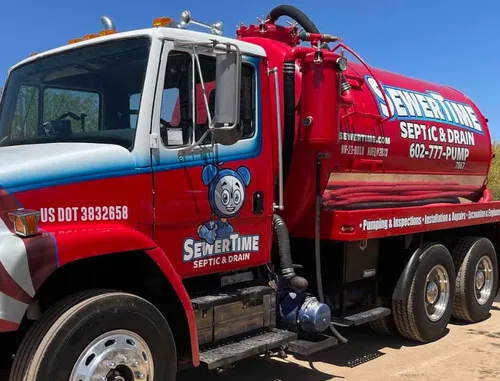
Sewer Time Septic & Drain
33645 N Cave Creek Rd, Cave Creek, AZ 85331
Sewer Time Septic & Drain is a licensed septic and plumbing contractor serving the Phoenix, AZ area. They provide a range of services including septic tank pumping, inspections, system repairs, and full installations for residential and commercial properties. Their certified technicians handle soil and percolation testing, system design, permitting, grease trap cleaning, and lift station maintenance. Sewer Time offers same-day service and 24/7 plumbing support for emergencies and new construction projects.
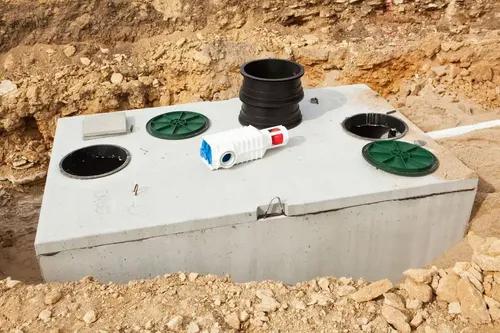
Simply Rooter and Septic Mesa
236 S Alma School Rd, Mesa, AZ 85210
Simply Rooter and Septic Mesa is a family-owned company providing septic system installation, repair, pumping, and inspection services in Phoenix, AZ, and the surrounding areas including Maricopa and Mesa. With over 25 years of experience, they specialize in advanced septic system solutions tailored to local environmental and regulatory conditions. Their services include emergency septic repairs available 24/7, using precise engineering and diagnostic methods to ensure long-term system performance and environmental responsibility.
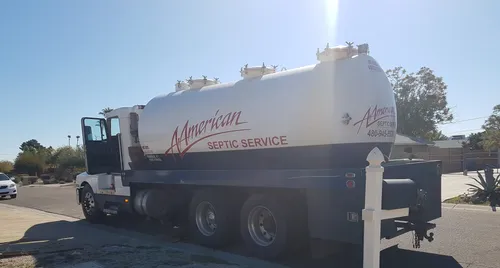
A-American Septic Service
1737 E Jackson St, Phoenix, AZ 85034
A-American Septic Service provides residential and commercial septic tank services in Phoenix, AZ. Their offerings include septic tank inspections, pumping, cleaning, maintenance, repair, installation, and design. The company also handles grease trap cleaning and preventative maintenance. A-American Septic Service works directly with clients to assess and address their septic system needs.
Arizona Pumping
Phoenix, AZ
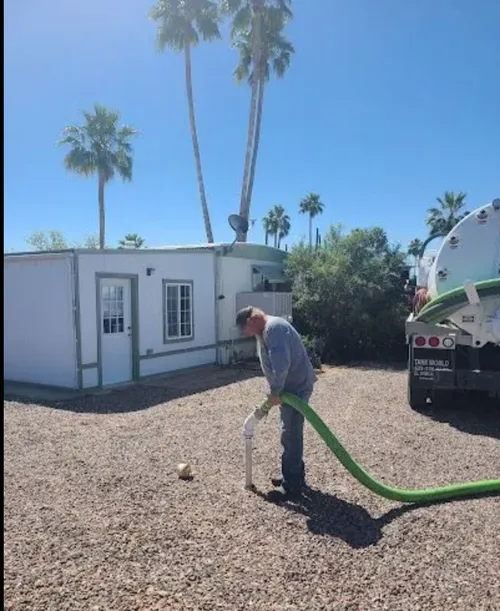
Arizona Pumping is a septic tank pumping, installation, and repair company serving Phoenix, AZ, and surrounding areas including Apache Junction. Owned and operated by Cade, who has over 30 years of experience, the company offers comprehensive septic services for both residential and commercial clients. Their capabilities include septic system installations, maintenance, repairs, sewer taps, and septic tank excavating. Arizona Pumping focuses on providing personalized, hands-on service with attention to detail, ensuring septic systems operate efficiently and reliably.
Understanding the Regulatory Landscape
In Mesa, all septic system installations and replacements fall under the jurisdiction of the Maricopa County Environmental Services Department (MCESD). The state's rules are codified in the Arizona Administrative Code (A.A.C.) R18-5. For most residential projects, installers work under a Type 4.02-4.23 General Permit, which covers systems with a daily flow of less than 24,000 gallons 1. Navigating these regulations is a primary reason homeowners choose to work with licensed contractors, as the permit application requires detailed technical submissions.
The first official step is submitting a Notice of Intent to Construct to MCESD. This application must be accompanied by a professional design plan, a detailed site plan, and the critical results of a soil evaluation. These documents form the blueprint for your system and are essential for securing county approval to begin construction.
The Critical First Step: Site and Soil Evaluation
Before any design can be finalized, a professional site investigation and soils evaluation is mandatory. This process, often called a percolation or "perc" test, determines the soil's absorption rate at your specific property 2. The results are non-negotiable; they dictate the type of system you can install (conventional or alternative) and the necessary size of the drain field 2. A qualified engineer or soil evaluator must perform this test and file the official report with the county as part of your permit package.
This evaluation ensures the proposed septic system will function properly without contaminating groundwater or causing surface wastewater issues. Skipping or failing this step means your project cannot proceed, making it the foundational element of any new septic tank installation.
The Role of Licensed Professionals
While Arizona law allows homeowners to install their own septic systems, this is strongly discouraged and often impractical. For a system to be legally recognized, especially on a property intended for sale, the work typically must be performed or supervised by a contractor holding a CR-41 license for onsite wastewater treatment 3. Licensed professionals understand the complex code requirements, can efficiently manage the permit process, and ensure the system passes all necessary inspections.
Hiring a licensed installer provides peace of mind. They handle the technical specifications, ensure proper setback distances from wells, property lines, and structures are met, and coordinate the required inspections 4 5. Their expertise is invaluable in avoiding costly mistakes or violations that could require re-excavation and rework.
Find the perfect septic tank installation & replacement contractors for your needs
Get personalized recommendations and expert advice
The Installation Process and Key Inspections
Once permits are secured, the physical installation begins. A crucial safety step that must happen before any digging is to contact Arizona 811 to have all underground utilities marked 6. The installation itself involves excavating for the septic tank and the drain field lines.
The county requires specific inspections at critical junctures to ensure compliance with the approved plans:
- Open Trench Inspection: This occurs after the drain field trenches are dug but before the distribution pipes and gravel are covered. An inspector verifies the trench dimensions, depth, and soil conditions.
- Final Inspection: After the entire system is installed and the site is restored, a final inspection is requested. Upon passing, the installer submits a Request for Discharge Authorization to MCESD. This document is your final approval to begin using the system 7.
Cost Breakdown for Septic Systems in Mesa
The total cost for a new septic system installation or a full system replacement in Mesa varies widely based on soil conditions, system type, tank size, and property layout. Key cost components include:
- Permit and Design Fees: County permit fees typically range from $150 to $500 for standard applications. If your system requires alternative treatment components (like pumps or advanced treatment units), each additional element can add $250 or more to the permit fees 8.
- Installation Costs: For a complete conventional septic system (tank and drain field), homeowners can expect to pay between $3,615 and $12,400 or more 9 10. The tank itself is a major cost factor; a standard 1,500-gallon septic tank installation can cost around $12,000 or more when including full system components 11 10.
- Soil & Site Work: Difficult soil (rocky or dense clay) or challenging site access can significantly increase excavation costs. Properties requiring an alternative system due to poor soil percolation will see higher costs for the specialized equipment and materials.
Preparing for Replacement vs. New Installation
The process for replacing a failing system is similar to a new installation but comes with its own considerations. You must first have the existing system properly inspected and pumped. The county will still require a new site and soil evaluation, as regulations or soil conditions may have changed since the original system was installed. Replacement often provides an opportunity to upgrade to a more efficient or larger system to meet current household needs.
For new construction on vacant land, septic system approval is often tied to the broader subdivision or building permit process. You'll need to ensure the septic design is integrated into your overall site plan from the beginning 12.
Frequently asked questions
Sources
Footnotes
-
WQD | Permit | OSWW Type 4.02 - 4.23 GP | ADEQ - http://azdeq.gov/wqd-permit-osww-type-402-423-gp ↩
-
Septic site engineering - Mesa Septic - https://mesa-septic.com/services/site_engineering.html ↩ ↩2
-
Arizona Septic License & Certification | 2024 Contractor Guide - https://www.servicetitan.com/licensing/septic/arizona ↩
-
Frequently Asked Questions - CivicPlus.CMS.FAQ - Maricopa County - https://www.maricopa.gov/2564/Onsite-Wastewater-Septic-Systems-FAQs ↩
-
permit requirements for the installation of septic systems - https://www.graham.az.gov/DocumentCenter/View/758/Permit-Requirements-for-the-Installation-of-Septic-Systems-PDF ↩
-
How to Prepare Your Property for Septic System Installation - https://www.grossseptic.com/blog/how-to-prepare-your-property-for-septic-system-installation/ ↩
-
Onsite Wastewater Forms / Applications | Maricopa County, AZ - https://www.maricopa.gov/2495/Onsite-Wastewater-Forms-Applications ↩
-
SITE INVESTIGATION AND SOILS EVALUATION FOR AN ON - https://www.maricopa.gov/DocumentCenter/View/7427/Phase-I---Site-and-Soils-Evaluation-Instructions-PDF ↩
-
Breaking down expenses: How much does a septic system cost? - https://point.com/blog/how-much-does-a-septic-system-cost ↩
-
How Much Does a Septic Tank Cost? - NerdWallet - https://www.nerdwallet.com/home-ownership/home-improvement/learn/septic-tank-cost ↩ ↩2
-
Understanding Septic Tank Permits and Regulations - https://westcoastsanitationinc.com/understanding-septic-tank-permits-and-regulations/ ↩
-
Septic Subdivision Approval Requirements - Maricopa County - https://www.maricopa.gov/DocumentCenter/View/113164/Septic-Subdivision-Approval-Requirements-PDF?bidId= ↩