Find the Best Septic Tank Installation & Replacement Contractors for Your Business
No obligation • Fast responses • Nationwide coverage

Why you can trust Septic Spot
Septic Spot is a leading United States resource for understanding and comparing septic services. Our editors review providers using consistent criteria and verify key business details. Listings and scores are independent, and companies cannot pay to influence our content.
Search providers near you
Top Septic Tank Installation & Replacement Contractors in Buckeye, Arizona Ranked
For homeowners in Buckeye, a properly installed septic system is a critical long-term investment in your property's value and environmental health. Septic tank installation and replacement involves a complex process of site evaluation, permitting, and construction to create a safe, efficient onsite wastewater treatment system. This guide explains the local requirements, costs, and steps to help you navigate finding a qualified professional for your septic system project.
AZ Septic Works
220 N 4th St Suite 2, Buckeye, AZ 85326
AZ Septic Works is a licensed and ADEQ-certified septic service provider based near Phoenix, AZ. They offer a range of services including septic tank pumping, inspections, repairs, and full system installations for both residential and commercial properties. The company understands local soil conditions and regulations, ensuring compliance and effective system management. AZ Septic Works emphasizes clear communication and tailored maintenance plans to help prevent system failures and maintain long-term functionality. Their expertise covers everything from routine inspections to emergency pumping and new system design and installation.
Ducks Septic Pump & Install
826 Monroe Ave #2908, Buckeye, AZ 85326
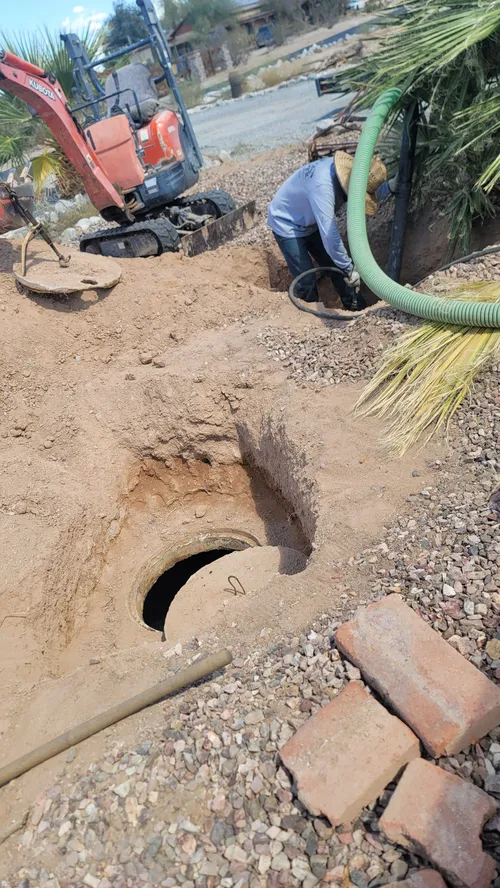
Ducks Septic Pump & Install is a septic service company based in Phoenix, AZ. They offer a range of services including septic tank pumping, inspection, repair, and installation. Their pumping services cover septic tanks, sand traps, grease traps, sewer plants, cooling towers, ponds, pools, storm drains, and other water collection areas. They also handle septic system design, maintenance, repairs, sewer tie-ins, and excavation services.

Eco Septic Tank Pumping Phoenix
Phoenix, AZ
Eco Septic Tank Pumping Phoenix provides a full range of septic services including pumping, inspection, repair, and installation in Phoenix, AZ. They handle routine septic system cleaning, emergency sewer cleaning, and biological treatments to maintain system health. Their process includes thorough tank inspection and safe waste disposal to licensed facilities. The company also offers septic system repairs and new installations, ensuring compliance with local regulations. Serving Phoenix and surrounding areas, Eco Septic Tank Pumping Phoenix emphasizes regular maintenance to prevent system failures and extend septic system lifespan.

Mesa Septic
Mesa, AZ
Mesa Septic is a family-owned septic service company based in Mesa, AZ, with over 50 years of experience serving the valley. They provide residential and commercial customers with septic tank pumping, inspection, repair, installation, and system design services. Their certified inspectors handle septic certifications required by Arizona regulations, and they offer specialized services such as grease trap pumping, drain field remediation, and sewer line hydrojetting. Mesa Septic also provides 24/7 plumbing and sewer assistance through licensed plumbers.
Arizona Septic Tank
Phoenix, AZ
Arizona Septic Tank is a family-owned and operated full-service septic contractor serving Phoenix, AZ, and surrounding areas. With over 40 years of experience, they provide septic system design, installation, pumping, inspection, repair, and maintenance for both residential and commercial properties. Their services cover standard and alternative septic systems, including excavation, leach field installation, and specialized septic leach drilling. Arizona Septic Tank also offers grease trap cleaning, enzyme and root treatments, and electronic location services. They are licensed and insured, focusing on environmentally friendly solutions and compliance with state regulations.
Understanding Septic System Basics in Buckeye
A septic system is an independent wastewater treatment solution for properties not connected to a municipal sewer line. It consists of a watertight tank that separates solids from liquids and a subsurface leach field where the treated effluent is dispersed into the soil. In Buckeye's arid climate and specific soil conditions, proper design and installation are paramount to prevent system failure, groundwater contamination, and costly repairs down the line. Whether you're building a new home or replacing an aging system, understanding the components and local regulations is the first step.
Local Regulations and Permit Requirements
Installing a new septic system or replacing an old one in Buckeye is a regulated process overseen by both state and county authorities. You cannot simply hire an excavator to dig a hole; the project must follow a strict legal pathway.
- Primary Regulator: The Arizona Department of Environmental Quality (ADEQ) sets the statewide standards for onsite wastewater systems. However, the permitting and inspection process is often administered at the local level.
- Mandatory Permit: A permit is absolutely required for all new installations, major modifications, and significant repairs 1. Working without a permit can result in fines, orders to remove the system, and complications when selling your property.
- Local Authority: In Maricopa County, which includes Buckeye, permits are typically handled through the county's Environmental Services Department 2. The City of Buckeye's Building Safety division also adopts and enforces codes, including the 2024 International Plumbing Code standards, which govern these installations 3.
- Approved Plans: Installation cannot begin without ADEQ-approved plans submitted by a qualified professional.
The Critical First Step: Site Evaluation and Percolation Testing
Before any plans are drawn, a thorough site evaluation is legally required. This is arguably the most important phase, as it determines what type of system your property can support and where it can be placed.
A licensed professional-such as a registered professional engineer, geologist, or a licensed septic contractor with specific classifications (K-41/L-41)-must conduct this assessment. The cornerstone of this evaluation is the percolation (perc) test.
What is a Perc Test?
A percolation test measures the rate at which water drains through your soil 4 5. This absorption rate directly dictates the size and design of the required leach field. Slow-draining soils (like clay) require a much larger dispersal area than fast-draining soils (like sandy loam). The results of this test are mandatory for legally siting the septic tank and disposal area 6 5.
This evaluation also considers setbacks from property lines, wells, waterways, and structures, as well as the depth to groundwater.
Choosing a Licensed Installation Contractor
Not every contractor is qualified to install a septic system. Arizona law requires that the physical installation be performed by a licensed septic system contractor 7 8. When searching for a provider, always verify their state license. These professionals understand the local soil conditions in Buckeye, can navigate the permit process, and ensure the construction meets all code requirements. They work from the engineered site plan to correctly install the tank, distribution box, and leach field.
The Installation Process and Required Inspections
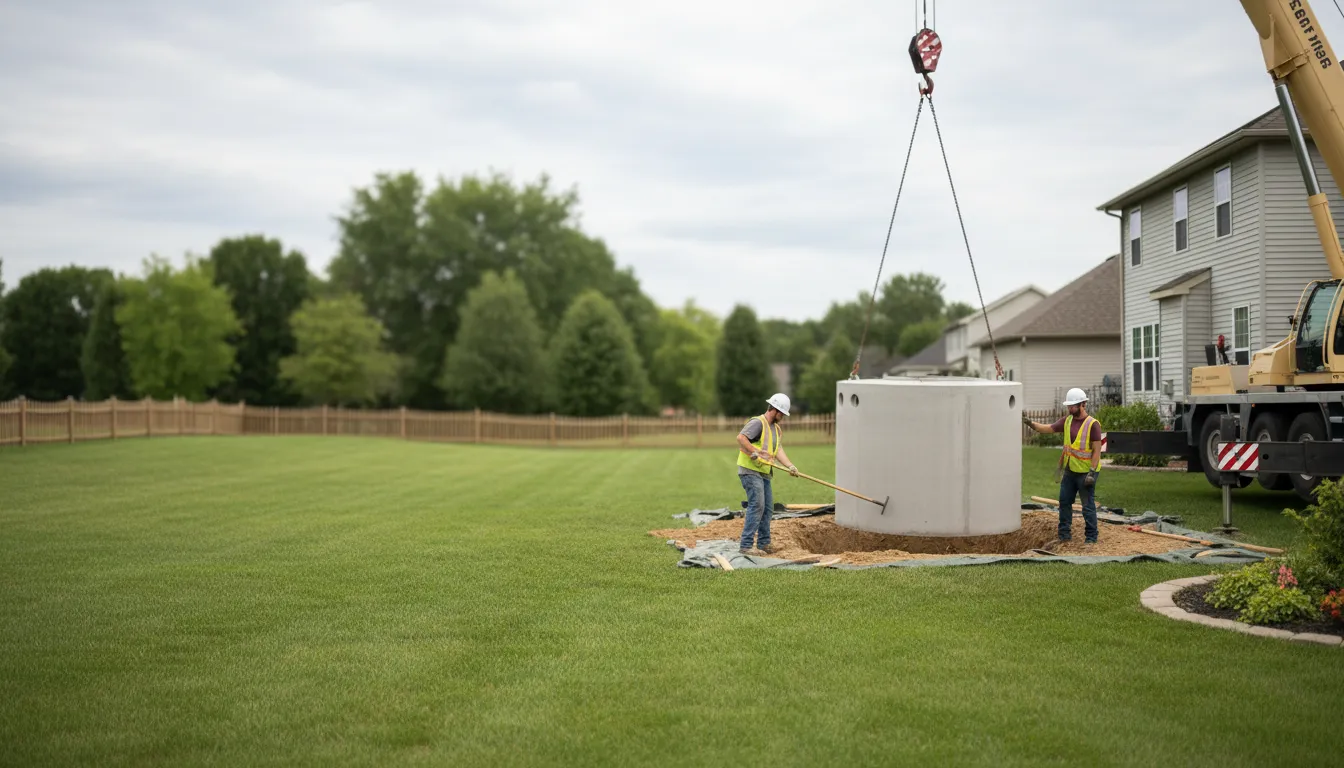
Once you have approved plans and a permit, installation can proceed. The process generally involves excavation, placement of the tank (concrete is common in Arizona for its durability), piping, and construction of the leach field. Crucially, this work is subject to mandatory inspections at key milestones to ensure compliance with the approved plans.
The City of Buckeye outlines typical inspection points for compliance:
- Site Inspection: Verifies the proposed location meets setback requirements and matches the plan.
- Open Trench Inspection: Occurs after the tank and pipes are placed in the ground but before they are backfilled. This allows the inspector to check materials, placement, and connections.
- Final Inspection: Conducted after the system is fully installed and backfilled to ensure everything is complete and functional 9.
Failing an inspection can mean costly rework, so working with an experienced, licensed installer is key to a smooth process.
Find the perfect septic tank installation & replacement contractors for your needs
Get personalized recommendations and expert advice
Cost Factors for Septic System Installation in Buckeye
The cost of a new septic system installation or a full system replacement in Buckeye varies widely. You can typically expect a range from $5,000 to over $20,000 for a standard residential system 10 11. Several major factors influence the final price:
- System Size & Type: A larger tank and leach field for a 4-bedroom home costs more than a system for a 2-bedroom home. Alternative systems (like aerobic treatment units) for challenging sites are more expensive than conventional systems.
- Soil Conditions: This is a primary cost driver. Poor percolation test results often necessitate a larger, more complex leach field or a more advanced system type, significantly increasing costs.
- Tank Material: Concrete tanks are standard and have a moderate cost. Plastic or fiberglass tanks may have different price points.
- Permitting and Design Fees: These include the cost for the site evaluation, perc test, engineering plans, and the permit fees themselves.
- Labor and Excavation: Accessibility of the site and local labor rates affect the price.
For context, a standard septic inspection in Arizona, which is part of maintenance or a home sale, typically costs between $200-$300 for a visual check, and $400-$650 or more for a full inspection that includes pumping the tank to measure sludge and scum levels 12.
Maintaining Your New Septic System
After a successful installation and final inspection, protecting your investment begins. Proper maintenance extends the life of your system for decades. This includes regular pumping (every 3-5 years, depending on usage), conserving water to avoid overloading the system, and avoiding flushing harmful chemicals or non-biodegradable materials. Periodic inspections, like those described above, help catch small issues before they become major failures 13.
When Replacement is Necessary
Even with excellent care, septic systems have a finite lifespan, typically 20-40 years. Signs you may need a full septic tank replacement or system overhaul include persistent slow drains, sewage backups, foul odors in the yard, or soggy, bright green grass over the leach field. In these cases, the process mirrors a new installation: a new site evaluation, new permits, and full installation by a licensed contractor.
Frequently asked questions
Sources
Footnotes
-
permit requirements for the installation of septic systems - Graham.az.gov - https://www.graham.az.gov/DocumentCenter/View/758/Permit-Requirements-for-the-Installation-of-Septic-Systems-PDF ↩
-
Frequently Asked Questions - CivicPlus.CMS.FAQ - https://www.maricopa.gov/2564/Onsite-Wastewater-Septic-Systems-FAQs ↩
-
Building Safety | City of Buckeye - https://www.buckeyeaz.gov/business/development-services/building-safety ↩
-
Soils & Perc Testing Phoenix AZ | Septic Site Evaluation | SewerTime - https://sewertime.com/septic-services/site-design/ ↩
-
Mesa Septic Septic site engineering - https://mesa-septic.com/services/site_engineering.html ↩ ↩2
-
How to Know if You Need a Septic System Permit - Pippin Home Designs - https://www.pippinhomedesigns.com/septic-system-permit/ ↩
-
Arizona Septic Tank Requirements | Onsite Wastewater Management System - https://www.ntotank.com/blog/arizona-septic-tank-requirements ↩
-
Arizona Septic License & Certification | 2024 Contractor Guide - https://www.servicetitan.com/licensing/septic/arizona ↩
-
Inspections | City of Buckeye - https://www.buckeyeaz.gov/business/development-services/inspections ↩
-
How Much Does a Septic System & Septic Tank Cost - NexGen Septics - https://www.nexgenseptics.com/septic-system-cost/ ↩
-
How Much Does It Cost To Install a Septic System in Phoenix, AZ? | Angi - https://www.angi.com/articles/what-does-it-cost-install-septic-system/az/phoenix ↩
-
How Much Does a Septic Inspection Cost in Arizona? - https://www.advantageairmechanical.com/blog/septic-inspection-cost-arizona ↩
-
Arizona Septic Tank Inspection Guide - https://www.clickapro.com/septic-tank-inspection-guide/ ↩